




Dark Bronze Equestrian Figure
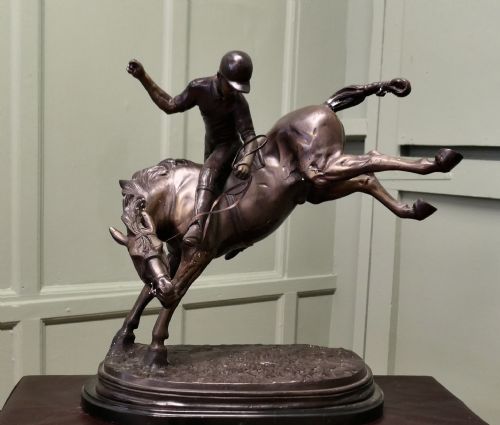
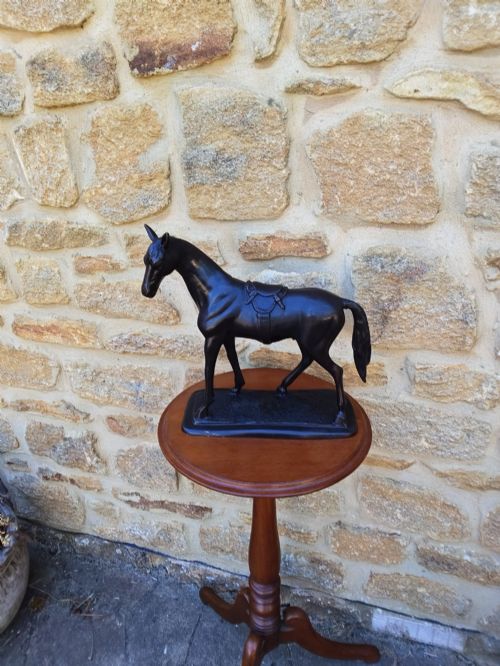
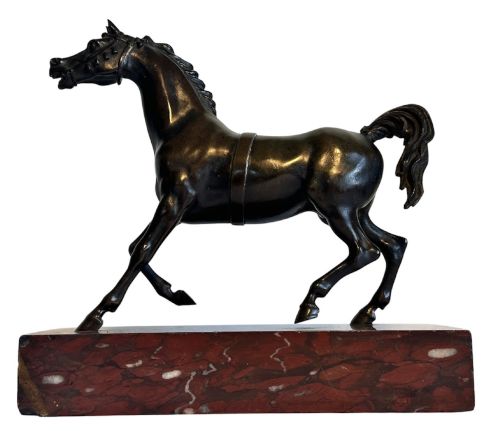
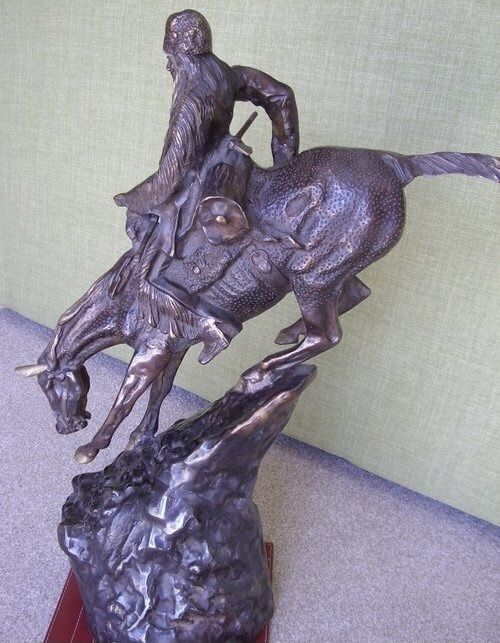
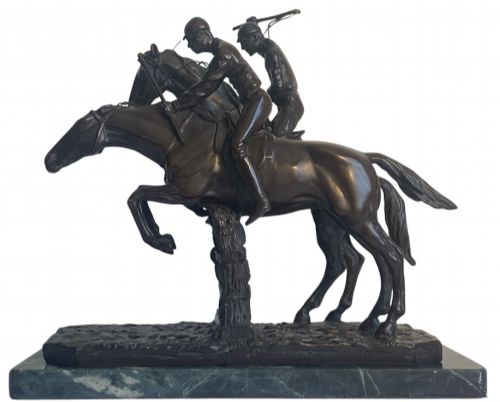
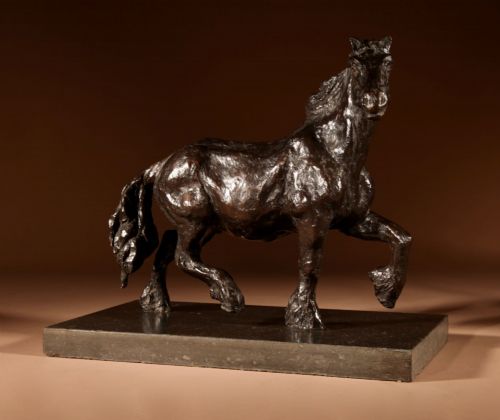
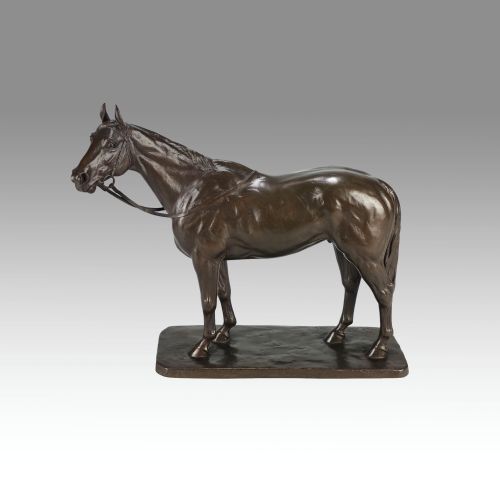
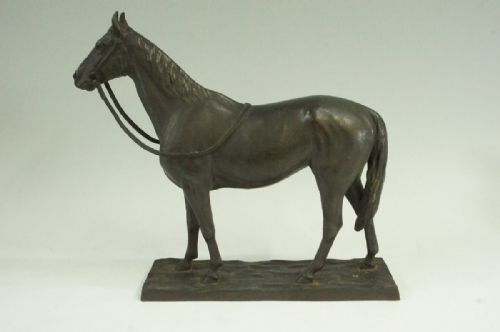
A dark bronze equestrian figure brings the dynamic tension of horse and rider into a room through enduring metalwork.
Dark Bronze Equestrian Figure
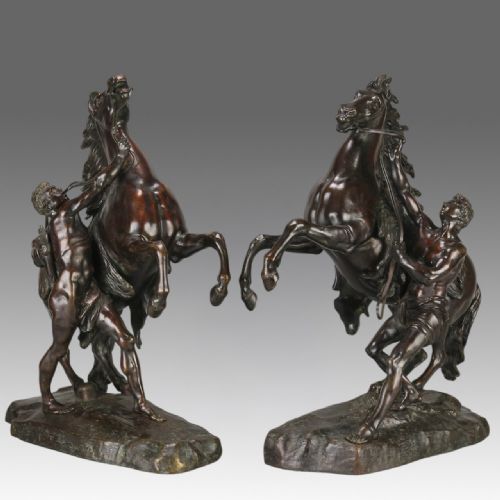
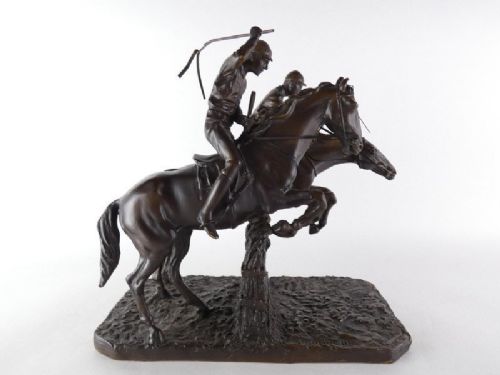
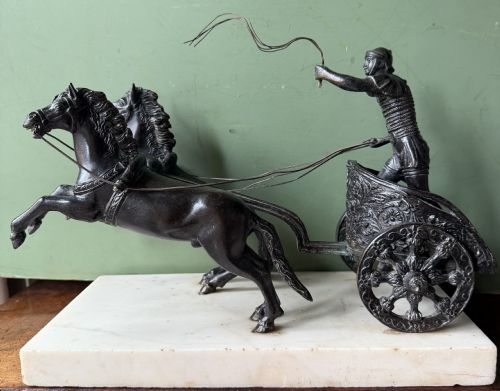
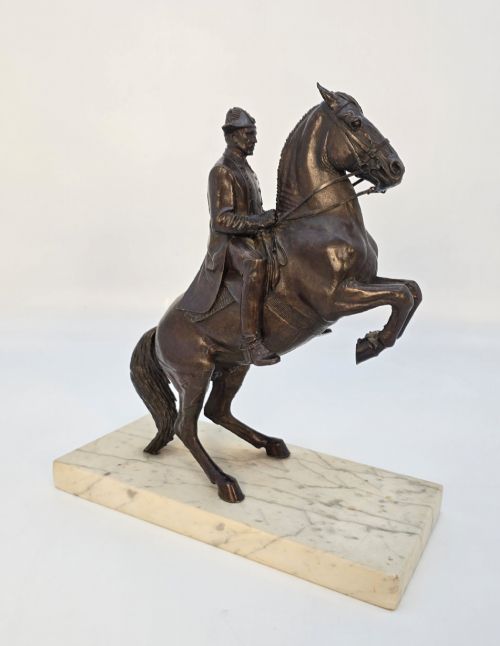
A dark bronze equestrian figure captures horses and riders in motion, ranging from racing thoroughbreds and hunting scenes to classical historical commanders. When searching for a dark bronze equestrian figure, a buyer encounters works spanning the nineteenth century into the early twentieth century, alongside earlier centuries.
French Animalier school compositions and Japanese Meiji period castings dominate the available selection. Many pieces portray jockeys, polo players, cowboys, or military figures mounted upon horses, sometimes set upon fitted marble or stone bases.
European foundries produced both signed artist casts and decorative reductions after famous monumental sculptures like the Marly Horses. These sculptures vary from compact desk studies to substantial cabinet bronzes.
How they were made
Foundries utilised the lost-wax method or sand-casting techniques to capture muscle definition, harnesses, and riders' clothing in molten bronze. Artisans then applied chemical patination to achieve deep brown, black, or greenish surface tones.
Many sculptures incorporate integrated or separate bases fashioned from white, green, or dark marble and stone. Cold-painted highlights and selective gilding occasionally accent the patinated bronze surfaces of specific twentieth-century pieces.
What varies in quality
The precision of the chasing work separates standard foundry output from exceptional sculptural casts. Master chisellers manually refined the cooled bronze to define sinew, mane texture, and bridle straps without softening the underlying form.
The depth and stability of the chemical patination dictate the visual richness of the surface. Original mounting to heavy marble or stone plinths further distinguishes primary period casts from later productions.
Frederic Remington·Jules Bonheur·Renee Sintenis·Kunio Itô·Coustou·Isidore Jules Bonheur·John Willis Good·Alfred Dubucand·Charles Crozatier·Franz Bergman·Pierre Lenordez·Verrocchio·P. J. Mêne·Sakai Kōzan·Philip Blacker·Bruno Zach·Pierre Jules·Bartolomeo Colleoni·Nikolai Lieberich
The Dark Bronze Equestrian Figure Glossary
- Animalier
- A nineteenth-century artistic movement focused on the realistic depiction of animals, particularly horses, hounds, and wild beasts in motion. French sculptors popularised this genre across Europe.
- Patinated bronze
- Bronze treated with chemical solutions to produce a controlled surface colour such as dark brown, black, or verdigris. This process protects the metal and defines sculptural highlights.
- Lost-wax casting
- A historic method for creating metal sculptures from an original model encased in wax and refractory material. Molten bronze replaces the melted wax inside the mould.
- Grand Tour
- Nineteenth-century travel souvenirs collected by educated Europeans touring cultural sites, often including small-scale bronze copies of classical monuments.
- Cold-painted bronze
- Metal figures painted with oil or enamel colours without subsequent high-temperature firing. This technique gained prominence among Viennese workshops in the late nineteenth and early twentieth centuries.
Dark Bronze Equestrian Figure: Frequently Asked Questions
How do I identify an animalier bronze?
Animalier sculptures focus on anatomical realism and dynamic movement, depicting horses and riders with careful attention to muscle structure and posture.
These works frequently bear foundry marks, artist signatures, or attribution plaques along the bronze base or marble plinth.
What is a Grand Tour bronze?
Grand Tour bronzes were produced in Italy and France during the nineteenth century as portable souvenirs of classical monuments and historic statues.
Travellers collected these reduced-scale figures to commemorate their journeys across European cultural centres.
Are these sculptures solid bronze?
Most nineteenth and early twentieth-century equestrian figures are hollow-cast to conserve metal and reduce weight while maintaining structural strength.
Foundries used hollow casting to ensure even cooling and prevent defects in larger animal sculptures.
Why are marble bases used?
Marble and stone plinths provide physical stability for heavy cantilevered compositions like rearing horses or charging riders.
They also serve an aesthetic function, elevating the dark bronze figure and grounding the composition visually.