





Japanese Meiji Bronze Planters
Japanese meiji bronze planters bring sculptural weight and botanical display together, offering striking focal points for interior spaces.
Japanese Meiji Bronze Planters
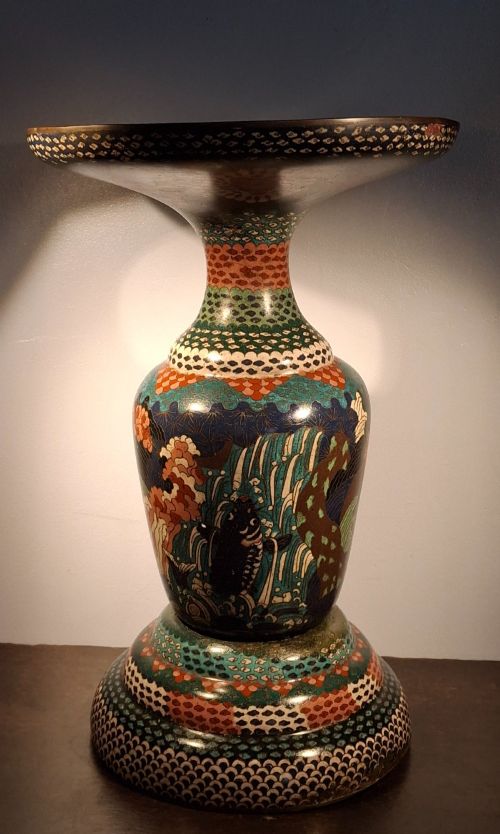
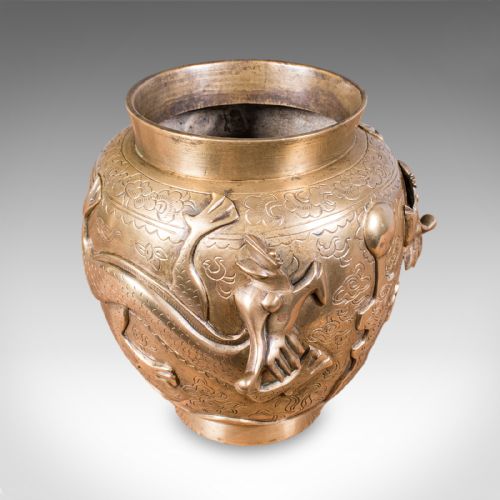
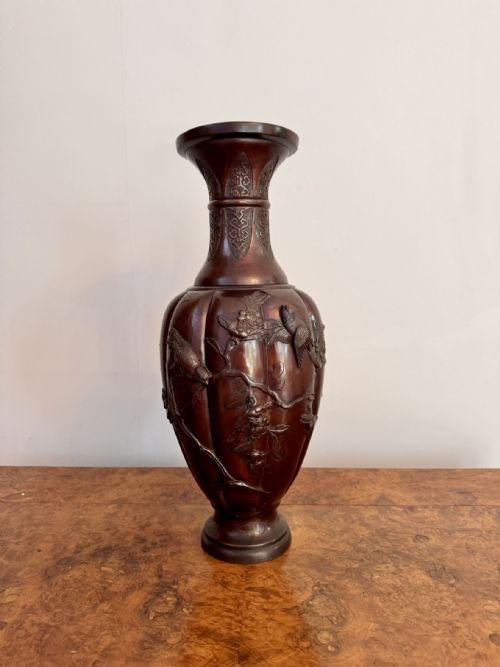
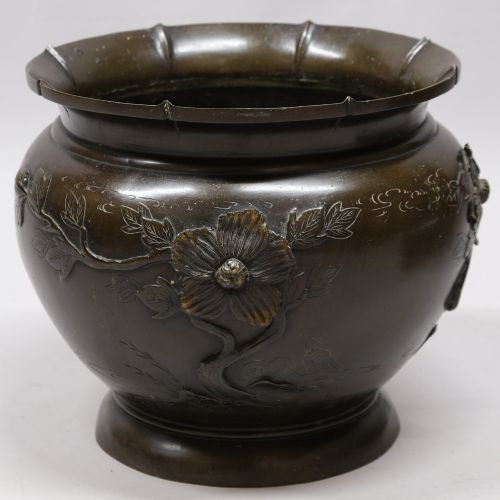
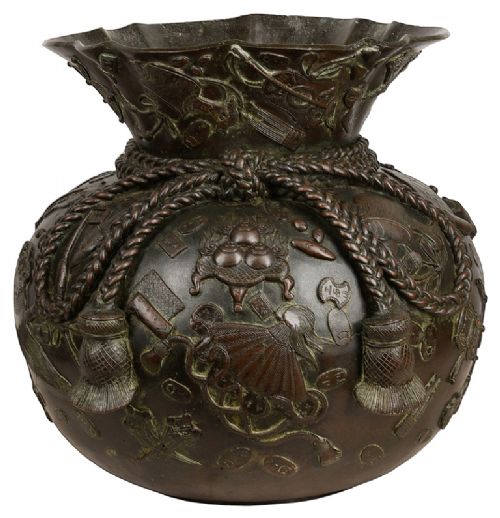
When you search for japanese meiji bronze planters, you encounter vessels created primarily during the late nineteenth and early twentieth centuries, spanning periods from the Edo transition through the Meiji era and into the Victorian influence. These objects appear in forms such as jardinieres, bowl planters, garden urns, and large temple vases.
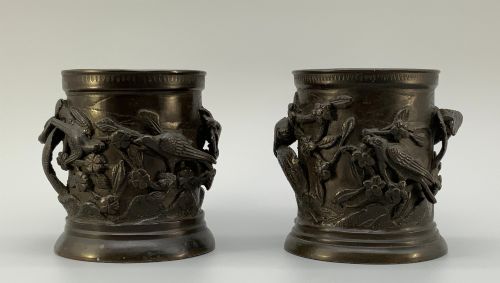
The pieces on this page range from modest decorative bowls to monumental garden vessels and heavy pairs. Buyers frequently find jardinieres and vases adapted as planters, showing the functional versatility of these metalwork creations.
Origins trace directly to Japanese craftsmanship associated with the Meiji period, alongside pieces catalogued under Victorian trade definitions or Oriental classifications. The selection unites garden urns, stem vases, and deep bowls designed to hold plants or stand alone as decorative statements.
Evaluating Quality
Distinctions in quality rest upon the crispness of cast detail in motifs such as birds and botanical elements, as well as the overall heft and stability of the vessel. Superior examples demonstrate refined finishing on the rim and interior surfaces.
The depth and consistency of the bronze patination also separate standard production from finer workshop output. Monumental scale combined with balanced proportions further elevates certain jardinieres and garden urns above utilitarian items.
Japanese Meiji Bronze Planters Retail Price Guide 2026
Typical asking prices for japanese meiji bronze planters among the pieces listed under this phrase on Sellingantiques today, from the lower quarter to the upper quarter. They describe what is for sale here now, not the wider market.
The Japanese Meiji Bronze Planters Glossary
- Jardiniere
- A decorative ceramic or metal pot or stand for holding plants or flowers. In this collection, they appear as heavy bronze bowls designed for botanical display.
- Meiji Period
- The era in Japanese history from 1868 to 1912, marked by the modernization and opening of Japan to Western trade. Many decorative bronze planters date from this timeframe.
- Usubata
- A traditional Japanese bronze vase specifically designed for flower arrangement, featuring a broad top basin. Several garden urns and stem vases follow this distinct silhouette.
- Champleve
- An enamelling technique where troughs or cells are carved into the metal surface and filled with vitreous enamel before firing. This method appears on selected planters from the early twentieth century.
- Patinated Bronze
- Metal treated with chemical solutions to produce a specific surface colour or aged finish. This treatment enhances the visual texture of the planters.
Japanese Meiji Bronze Planters: Frequently Asked Questions
How do I use a bronze planter indoors?
Place a plastic liner or waterproof saucer inside the bronze bowl to protect surfaces from moisture and soil contact.
Position the planter on a stable table or plant stand where its weight and decorative patina can be appreciated safely.
Can these jardinieres go outside?
Many heavy garden urns and large bronze vessels tolerate sheltered outdoor garden settings due to their durable metal construction.
Extreme winter frost may affect certain patinas or enamel details, so bringing sensitive pieces indoors during harsh weather is advisable.
How do I date a Meiji bronze piece?
Examine the surface patination, casting style, and any associated trade labels or period attribution markers.
Objects from this selection span the late nineteenth century through to the early twentieth century, reflecting transitional Meiji and Victorian aesthetics.