



Japanese Lacquer Cabinet
A Japanese lacquer cabinet brings centuries of meticulous Asian craftsmanship into a room, offering intricate panels and hidden drawers for precious collections.
Japanese Lacquer Cabinet
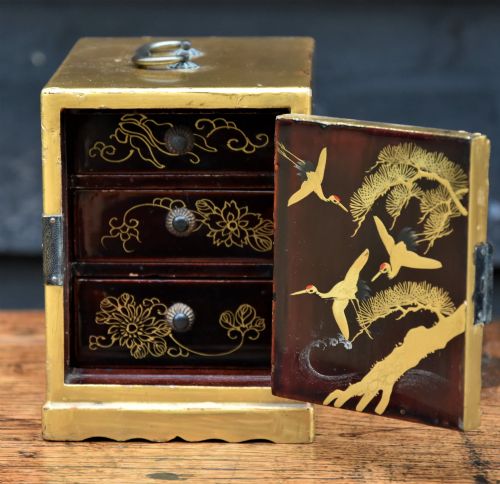
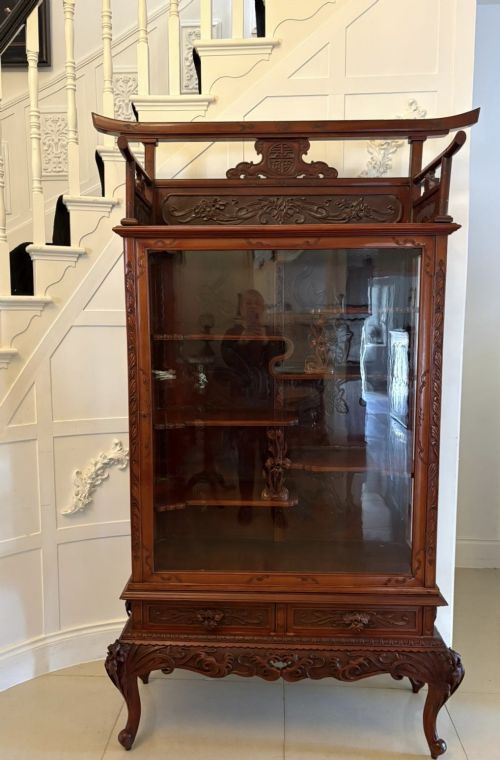
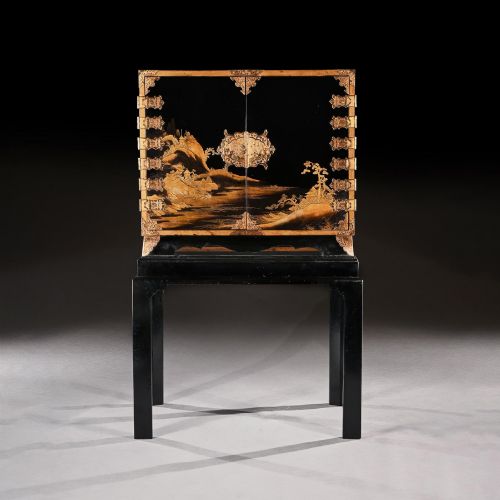
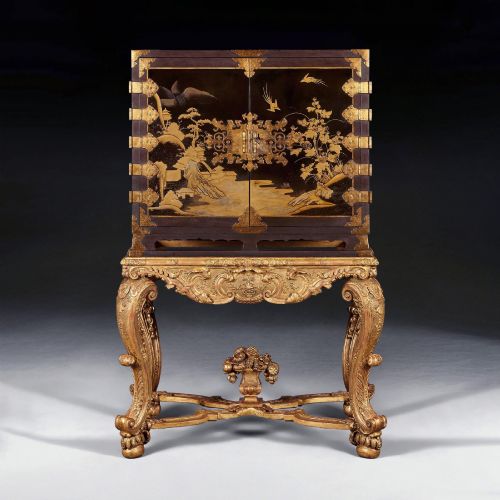
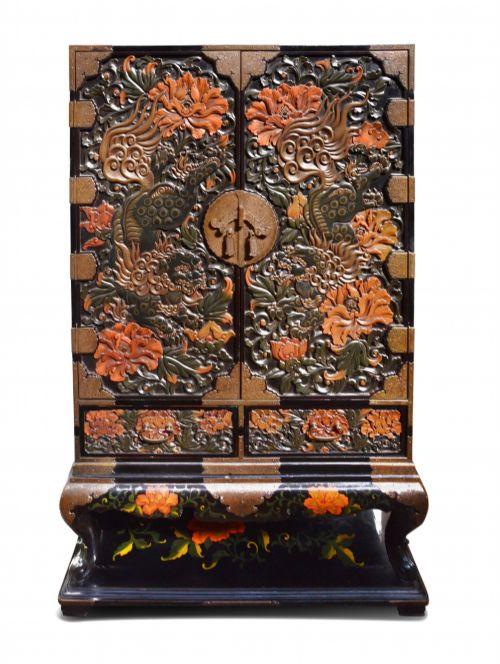
A japanese lacquer cabinet encompasses table cabinets, grand display pieces, and portable storage chests from the Edo and Meiji periods.
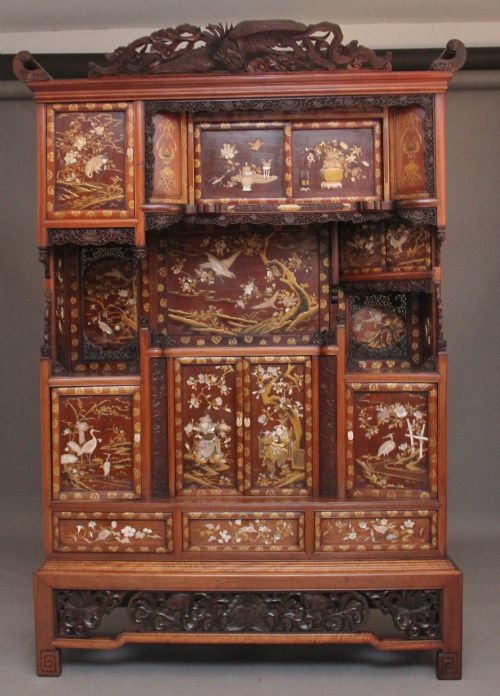
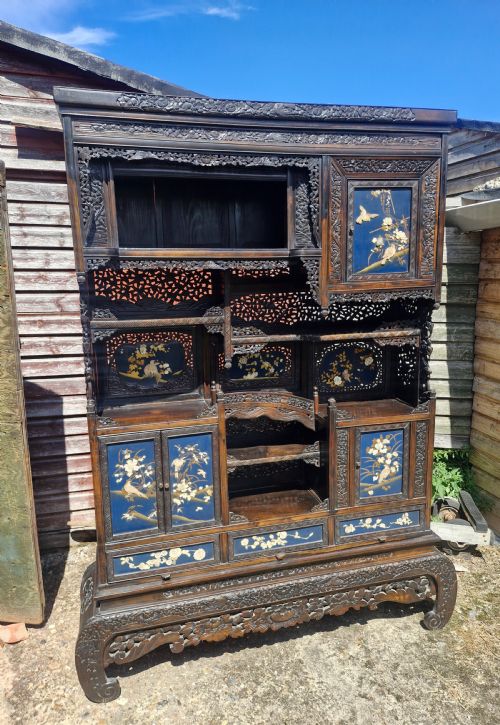
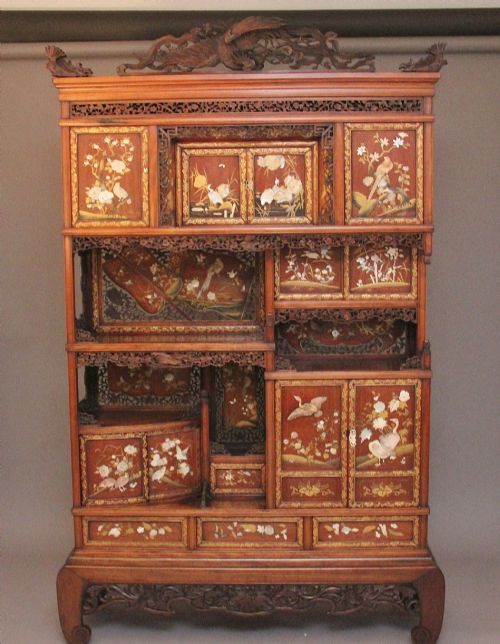
The version most commonly met on this page is the nineteenth-century Meiji period shodana, often built with asymmetric shelving and integrated compartments.
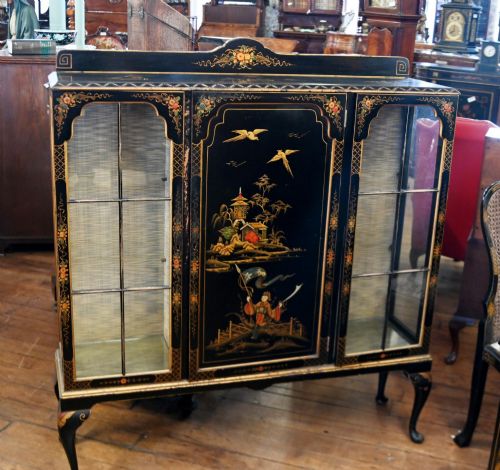
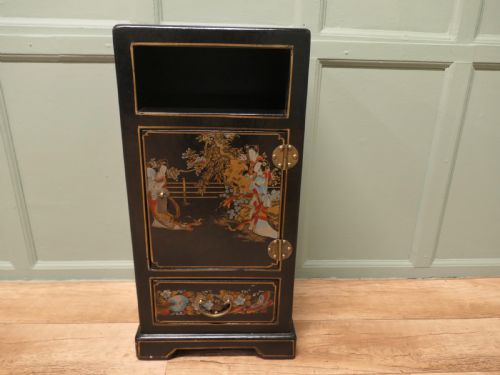
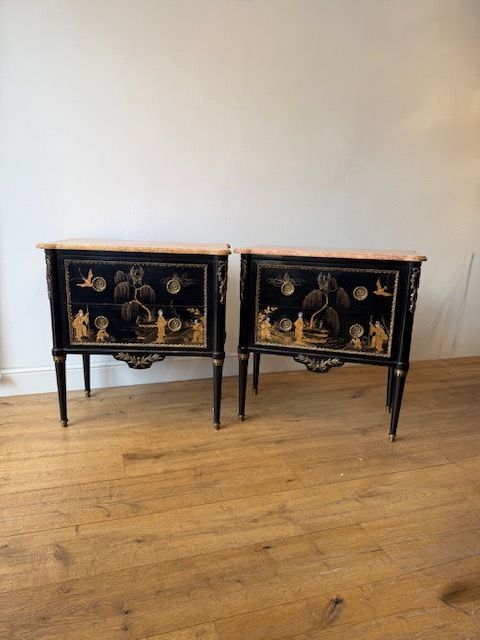
Makers also produced export variants and later Chinoiserie interpretations, merging Eastern decorative traditions with European furniture forms.
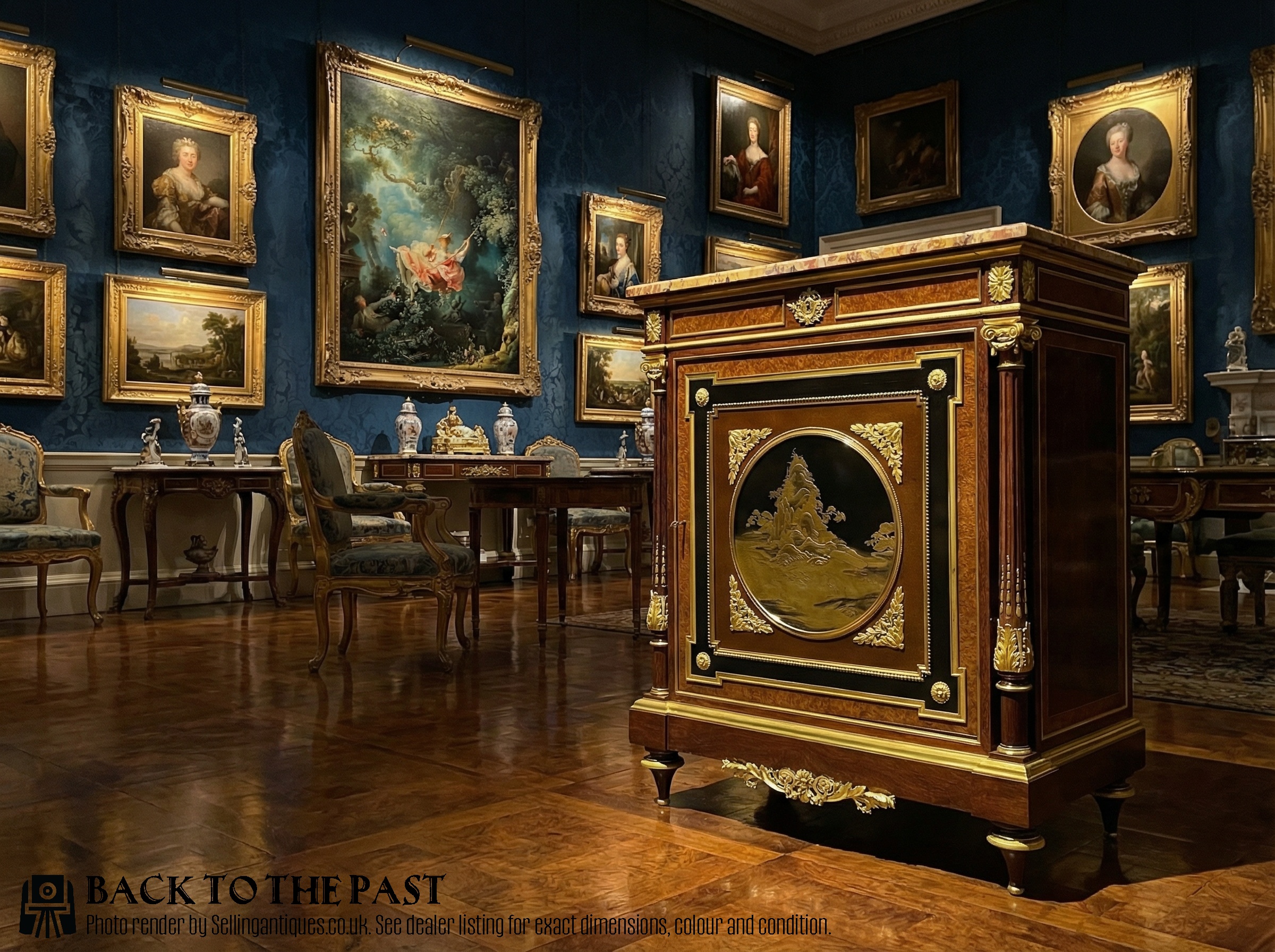
Materials and construction
Craftsmen applied successive layers of tree sap lacquer over wood bases, sometimes incorporating hardwood frames, kiri timber, and bronze mounts.
Surfaces frequently received intricate ornamentation through the application of gold leaf, hand-carved mother of pearl, bone inlays, and Shibayama panels.
Japanese Lacquer Cabinet Retail Price Guide 2026
Typical asking prices for japanese lacquer cabinet among the pieces listed under this phrase on Sellingantiques today, from the lower quarter to the upper quarter. They describe what is for sale here now, not the wider market.
Listings span multiple eras, encompassing seventeenth-century examples through to early twentieth-century Chinoiserie revivals.
Distinguishing quality
The distinction between standard utility items and masterworks rests on the depth of the lacquer finish and the precision of the underlying wood joinery.
Superior examples display crisp pictorial detailing in gold and inlaid materials without surface cracking, whereas lesser pieces show flatter, simpler decoration.
Maples and Co·Beurdeley
The Japanese Lacquer Cabinet Glossary
- Shodana
- A traditional Japanese multi-shelf display cabinet designed with asymmetrical compartments for curios and art objects.
- Kodansu
- A small portable tabletop cabinet or miniature chest featuring multiple internal drawers for storing valuables.
- Shibayama
- A decorative technique utilising intricate inlays of ivory, bone, mother of pearl, and tortoiseshell set into lacquer surfaces.
- Tansu
- A traditional mobile Japanese storage chest constructed primarily of wood with metal hardware reinforcements.
- Edo Period
- The historical era spanning from the early seventeenth to the mid-nineteenth century, noted for refined decorative arts.
Japanese Lacquer Cabinet: Frequently Asked Questions
What is a shodana cabinet?
A shodana is a Japanese display cabinet featuring asymmetrical shelving and small cupboards designed for exhibiting precious objects and ceramics.
These pieces typically date from the Meiji period and showcase complex joinery alongside decorative lacquer panels.
How do I care for antique lacquer?
Protect the finish by keeping the cabinet away from direct sunlight and maintaining stable room humidity to prevent wood movement.
Dust gently with a soft, dry cloth and avoid chemical polishes or water.
How to tell Meiji period pieces apart?
Meiji period items often exhibit highly detailed pictorial decoration, including gold leaf, Shibayama inlays, and naturalistic motifs.
Earlier pieces from the Edo period or later twentieth-century Chinoiserie revivals tend to feature distinct stylistic proportions and differing lacquer compositions.