




Japanese Imari Pot
A japanese imari pot brings rich iron-red, cobalt blue and gold leaf decoration to a room, offering centuries of ceramic tradition in porcelain form.
Japanese Imari Pot
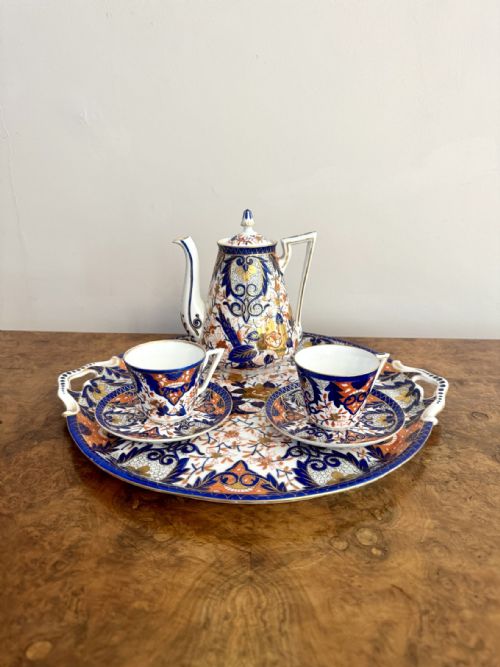
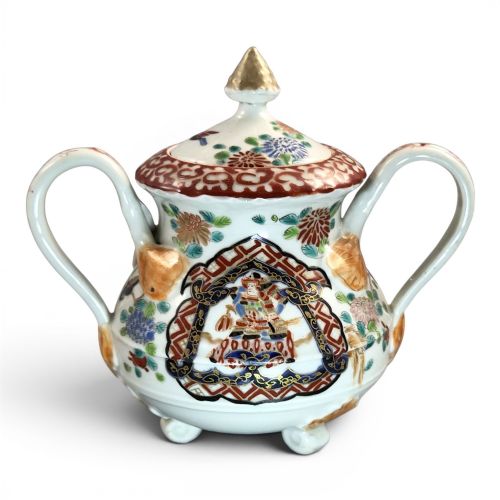
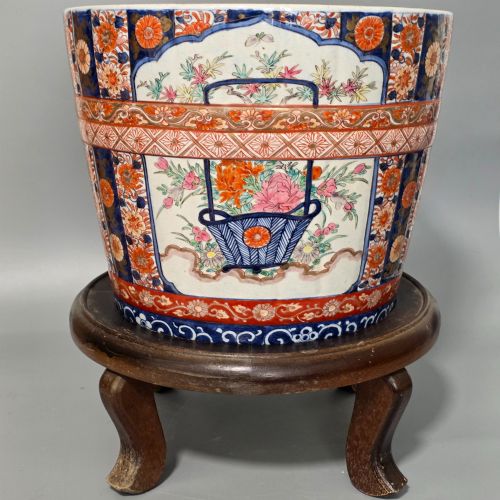
A japanese imari pot encompasses large jardinieres, lidded jars, sugar bowls and coffee sets produced across the Edo and Meiji periods. These ceramics demonstrate the distinctive palette associated with historic kiln output from Arita.
Buyers encounter pieces ranging from early eighteenth-century examples to later nineteenth-century planters and miniature pots. The forms vary from substantial jardinieres with stands to smaller vessels like sake ewers and milk jugs.
The aesthetic bridges Japanese domestic traditions and items made for export, including European-influenced forms and Japanese style Samson imari pieces. Each iteration displays the characteristic iron-red and cobalt decoration that defines the style.
Materials and Construction
These vessels utilise hard-paste porcelain painted with cobalt blue glaze under the glaze and iron-red enamel over the glaze. Artisans frequently added gold leaf highlights to enhance the intricate floral and figural motifs.
Certain jardinieres and pots incorporate hardwood bases, gilt bronze mounts or metal elements to support the porcelain body. Kiln firing techniques allowed the glaze and enamel colours to fuse into a durable finish.
Japanese Imari Pot Retail Price Guide 2026
Typical asking prices for japanese imari pot among the pieces listed under this phrase on Sellingantiques today, from the lower quarter to the upper quarter. They describe what is for sale here now, not the wider market.
Materials recorded across the inventory include cobalt blue glaze, enamel, gold leaf, hardwood, and gilt bronze.
Evaluating the Pieces
The finesse of the hand-painted brushwork dictates the visual strength of the piece, distinguishing hurried export output from carefully executed studio and kiln work. Crispness in the cobalt blue underglaze and precision in the iron-red and gilt enamel details signal superior execution.
Condition of the enamel and gold leaf surface remains central, as wear on overglaze pigments alters the balance of the palette. The presence of original hardwood stands or matching covers on lidded jars adds completeness to the object.
Fukagawa Mark·Samson Imari
The Japanese Imari Pot Glossary
- Arita
- The Japanese town and production centre where the porcelain for these wares was fired. Arita kilns supplied domestic markets and international trade routes.
- Jardiniere
- A large ornamental pot or planter designed to hold growing plants. These often feature substantial scale and robust porcelain bodies.
- Edo Period
- The historical era in Japan lasting from 1603 to 1868. Pieces from this time often reflect foundational aesthetic standards for Imari ceramics.
- Meiji Period
- The era spanning from 1868 to 1912. Export production flourished during these decades, yielding intricate planters and decorative vessels.
- Overglaze enamel
- Pigments applied to the fired and glazed porcelain surface before a lower-temperature secondary firing. This technique allows for the characteristic iron-red and gold details.
Japanese Imari Pot: Frequently Asked Questions
How are these pots dated?
Dating relies on stylistic markers, potting techniques, and the character of the cobalt blue and iron-red pigments. Early pieces often show distinct clay bodies and pigment tones compared to later nineteenth-century examples.
Comparison with documented kiln output and marks helps narrow the decade of production. Stylist shifts between the Edo and Meiji periods provide further chronological framework.
Were they used for plants originally?
Larger forms such as jardinieres and planters served to house indoor plants or display floral arrangements in domestic interiors. Smaller pots functioned as sugar bowls, milk jugs, or lidded jars for dry goods.
Export demand also shaped these forms for European dining and drawing rooms. Their dual purpose as decorative objects and functional vessels dictated their varied shapes.
How should I clean a ceramic jardiniere?
Dusting with a soft, dry cloth is usually sufficient for routine maintenance of the glazed and enamelled surface. Avoid harsh chemical cleaners or abrasive pads that can damage the overglaze gold leaf.
If moisture is used inside a jardiniere for plants, place a liner inside to protect the historic ceramic body from water retention and mineral deposits.
What is the difference between Edo and Meiji pieces?
Edo period ceramics often exhibit a restrained aesthetic aligned with early Arita traditions and trade patterns. Meiji pieces frequently showcase denser decoration, larger scales, and adaptations for Western collectors.
Both periods utilise the signature palette, but the brushwork and compositional density shifted as production expanded for international markets.