

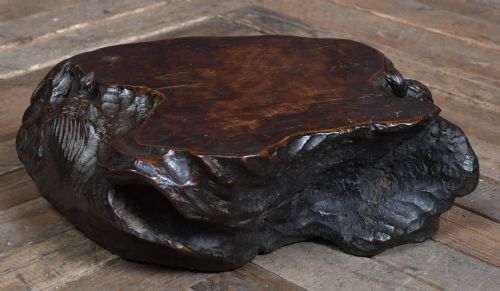

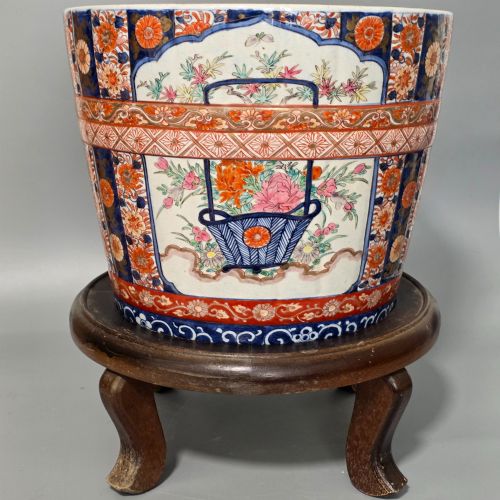


Hardwood Planter Stand
These hardwood planter stand examples elevate your displays with solid timber framing, bringing nineteenth-century craftsmanship directly into your home.
Hardwood Planter Stand
When you search for a hardwood planter stand, you encounter pieces designed to elevate botanical displays and jardinières within the interior. These items emerge primarily from nineteenth-century workshops, spanning Victorian Britain, the Qing Dynasty, and the Japanese Meiji period.
The most common formats on this page are carved oriental display pedestals and Victorian ebonised portico tables. They often integrate secondary materials like marble or porcelain alongside solid timber.
Originating as functional supports for valuable plants and bonsai specimens, these stands combine structural rigidity with intricate decorative carving. They serve equally well today as lamp tables or pedestals for decorative arts.
Materials and construction techniques
Makers utilised dense timbers such as rosewood, mahogany, and ebonised wood to build these stands, ensuring stability for heavy ceramic vessels. Selected pieces incorporate carved hardwood elements alongside inset marble tops or enamel details.
Joinery and deep relief carving define the construction, reflecting both Chinese export traditions and Victorian Anglo-Japanese design influences. Copper liners and Imari porcelain planters occasionally accompany the timber frames as associated elements.
Hardwood Planter Stand Retail Price Guide 2026
Typical asking prices for hardwood planter stand among the pieces listed under this phrase on Sellingantiques today, from the lower quarter to the upper quarter. They describe what is for sale here now, not the wider market.
Listings feature items from the Victorian, Edwardian, and Meiji periods, utilising hardwood, marble, and porcelain.
Distinctions in craftsmanship
Quality separates objects by the crispness of the timber carving and the selection of the primary hardwood. Superior examples display deep, undercut relief work and precise joinery that remains rigid across decades.
The integration of secondary materials like marble inserts or porcelain panels determines the tier of the piece. Well-balanced proportions and harmonious matching in paired stands also distinguish finer workshop output.
The Hardwood Planter Stand Glossary
- Hardwood
- Dense, durable timber derived from deciduous trees, utilised for structural stability and intricate carving.
- Jardiniere
- An ornamental pot or stand designed to hold plants or flowers indoors.
- Qing Dynasty
- The final imperial dynasty of China, spanning from 1644 to 1912, characterised by ornate decorative styles.
- Ebonised Wood
- Timber treated with a finish to imitate expensive ebony, popular in Victorian furniture manufacturing.
Hardwood Planter Stand: Frequently Asked Questions
What is a hardwood planter stand used for?
These pieces function primarily to elevate heavy ceramic bowls, jardinières, and bonsai specimens off the floor or table surface. They showcase botanical displays while protecting underlying flooring.
Today, many owners repurpose them as compact lamp tables or display pedestals for sculpture and ceramics.
How do I identify a Victorian piece?
Victorian examples often feature ebonised wood, portico table styling, or specific British registration markers combined with oriental carved motifs. They reflect nineteenth-century taste for imported goods and domestic revival styles.
Construction methods typically follow European joinery standards applied to imported timbers.
Are Chinese and Japanese stands different?
Chinese stands frequently utilise dense hardwoods like mahogany and rosewood with deep relief carving reflecting Qing Dynasty aesthetics. Japanese pieces from the Meiji period often incorporate naturalistic motifs such as turtles and distinct joinery.
Both traditions produced exceptional display furniture designed for export markets.
How should I care for the timber?
Maintain the hardwood by keeping the surface dusted with a dry cloth and avoiding placement near direct heat sources. Stable indoor humidity prevents timber splitting and protects inset marble or porcelain elements.
Avoid liquid polishes that build up residue over time.