

Japanese Gilt Ceramics
Japanese gilt ceramics bring together intricate hand-painted pottery and rich metallic detailing, offering a refined focal point for any interior.
Japanese Gilt Ceramics
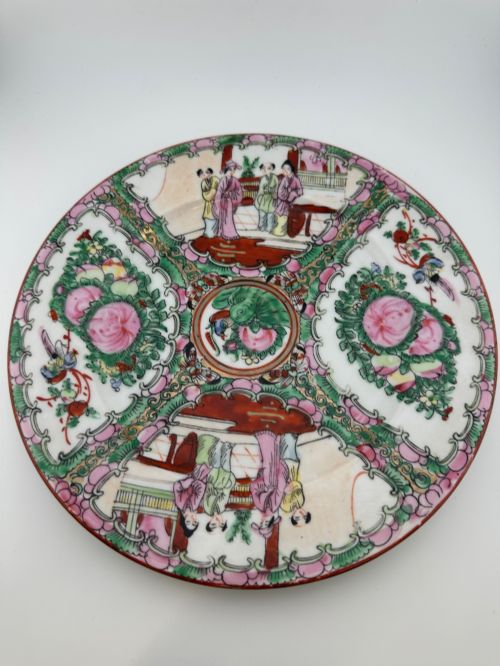
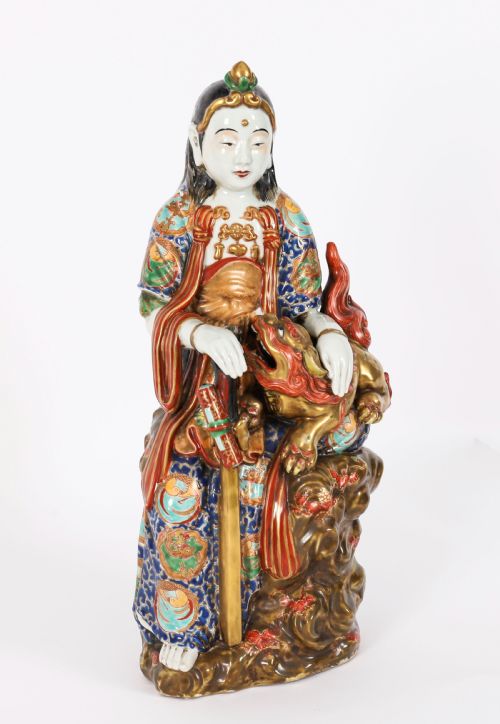
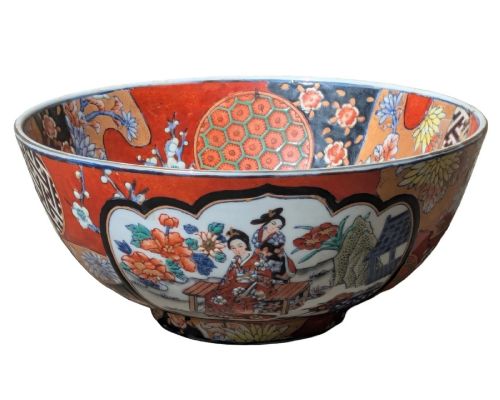
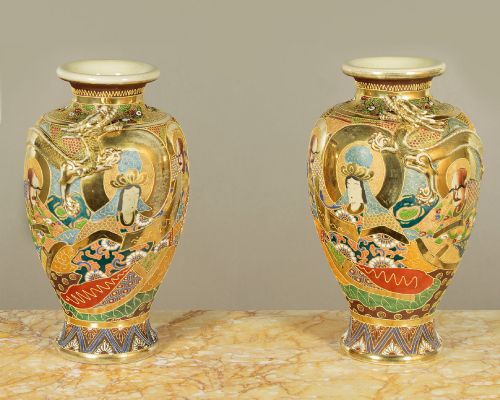
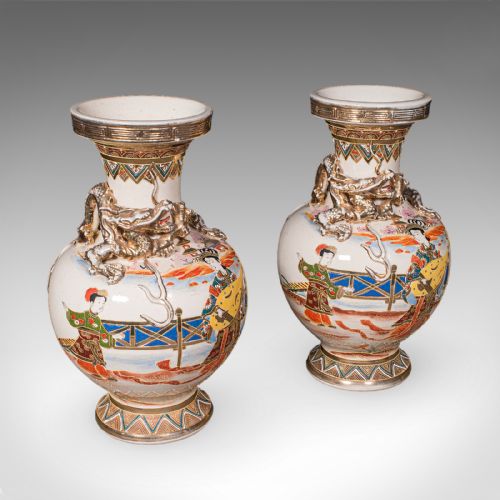
When searching for japanese gilt ceramics, you encounter a diverse range of objects spanning the nineteenth and early twentieth centuries, including vases, decorative bowls, chargers, and table lamps. These pieces reflect the intricate artistry of traditional ceramic workshops from periods such as the Meiji and Taisho eras.
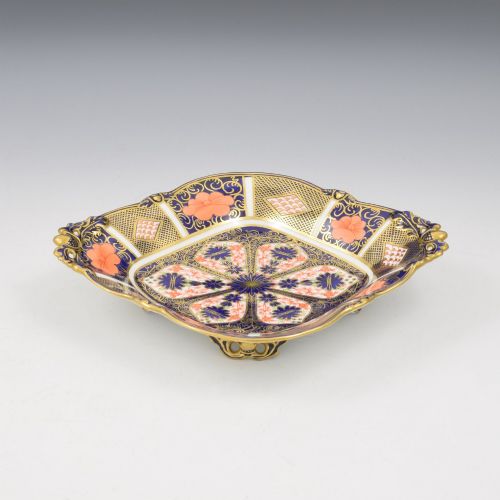
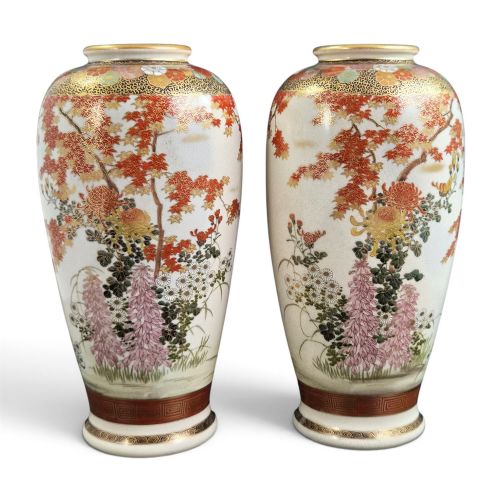
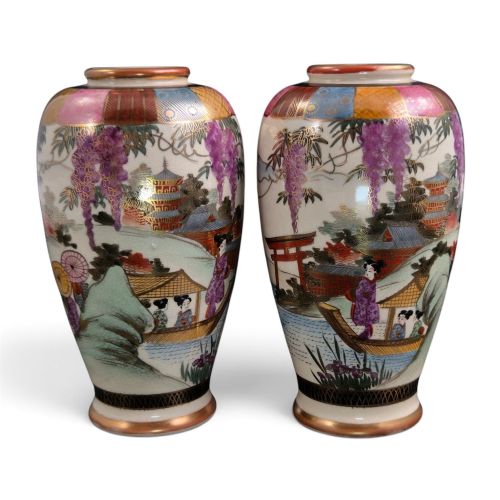
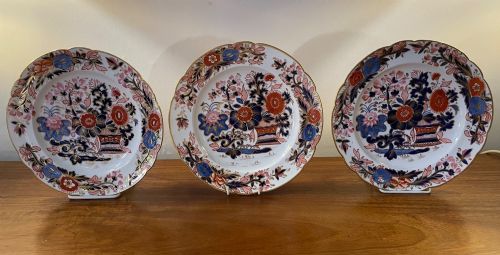
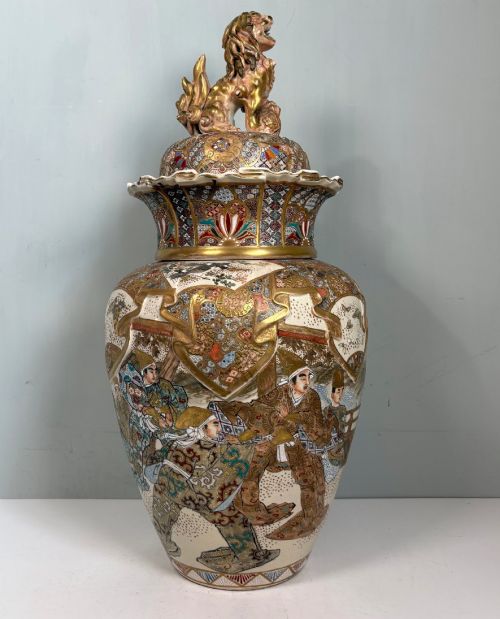
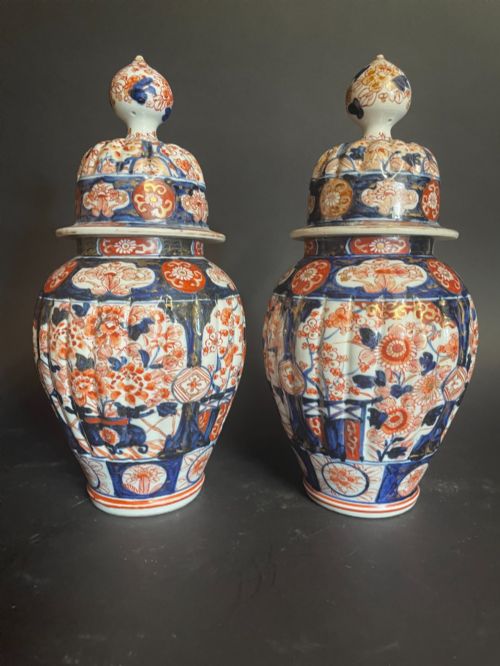
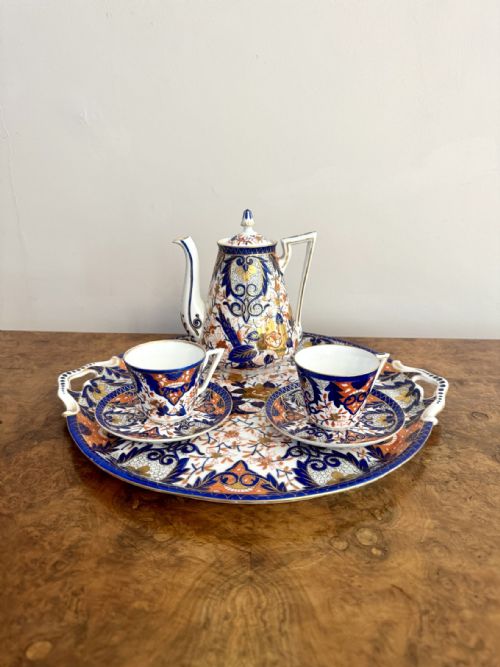
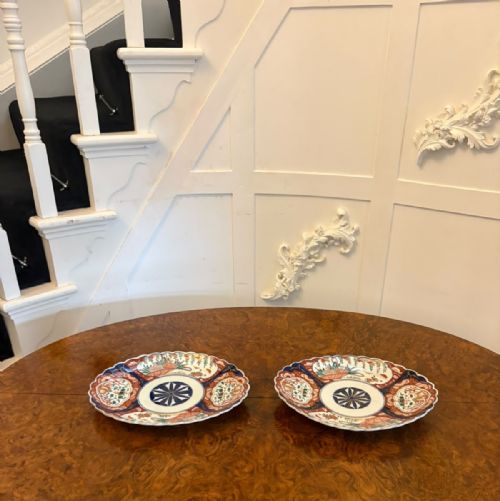
You are most likely to meet Satsuma and Kutani wares on this page, alongside Imari porcelain pieces that incorporate elaborate gilt ornamentation. The forms vary from large baluster vases and lidded jars to delicate incense burners and decorative dishes.
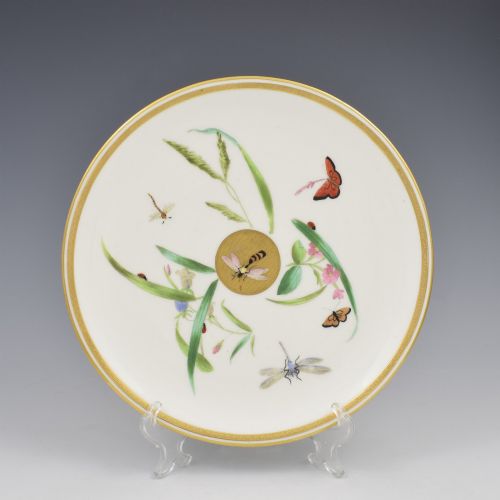
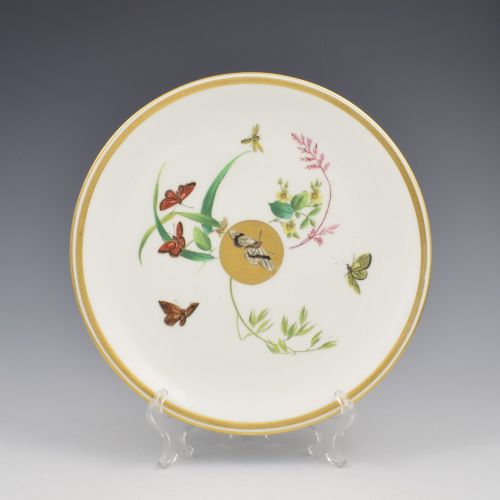
Many of these ceramics combine earthenware or porcelain bodies with detailed enamel work and gold leaf or gilding. The selection also bridges Japanese export traditions and Victorian aesthetic interpretations.
Materials and Techniques
Potters shaped these objects using earthenware and porcelain, often forming them into balanced vessels, chargers, and sculptural figures before firing. The surfaces were then painted with complex enamel designs alongside detailed applications of gold leaf and gilding.
Workshops utilised specialised techniques to layer metallic accents over painted motifs, creating rich contrasts on vases, jars, and decorative plates. Additional elements such as brass mounts or wood components occasionally completed larger table lamps and display objects.
Object forms span vases, decorative plates, bowls, table lamps, incense burners, and figurines by noted workshops like Kinkozan.
Distinctions in Quality
The finest examples of japanese gilt ceramics display exceptional precision in their hand-painted enamel work and the careful application of gold leaf, maintaining crisp lines and balanced compositions. Master workshops such as Kinkozan produced pieces with highly detailed figural and floral scenes that demonstrate superior control over the ceramic medium.
Lesser examples show heavier, less refined brushwork and simpler gilding that lacks the depth and intricacy seen on superior Kutanis or Satsumas. The overall weight, the purity of the porcelain or earthenware body, and the harmony of the decorative scheme ultimately separate standard production pieces from workshop masterpieces.
Kinkozan·Maruni Kobe·Kizan·Toshozan
The Japanese Gilt Ceramics Glossary
- Satsuma
- An earthenware ceramic type with a crackled ivory glaze, typically decorated with polychrome enamels and extensive gilding. It originated in the Satsuma Province and became immensely popular during the Meiji period.
- Kutani
- A style of Japanese porcelain and pottery known for bold colour palettes and intricate hand-painted designs often enriched with gold. These pieces frequently feature traditional figural, floral, and landscape motifs.
- Imari
- A traditional style of Japanese porcelain characterised by a distinctive palette of underglaze blue, iron red, and abundant gilt highlights. It heavily influenced European ceramic production during the nineteenth century.
- Okimono
- A small Japanese decorative figurine or sculpture intended for display on a shelf or in a tokonoma alcove. These figures often depict deities, historical figures, or animals rendered in porcelain or earthenware.
- Koro
- A traditional Japanese incense burner, often featuring pierced covers and decorative handles. These vessels appear in both porcelain and Satsuma earthenware.
Japanese Gilt Ceramics: Frequently Asked Questions
What are japanese gilt ceramics?
These pieces comprise earthenware and porcelain objects adorned with hand-painted enamel and metallic gold leaf or gilding. They primarily originate from nineteenth and early twentieth-century Japanese production.
The category encompasses decorative vases, chargers, bowls, and table lamps that reflect traditional Meiji and Taisho aesthetic styles. Many were created specifically for export to Western markets.
How were these ceramics used?
Most of these items served as decorative display pieces within homes, ranging from large palace vases to cabinet plates and table lamps. Incense burners were utilised for burning aromatic woods and resins in traditional settings.
Smaller items like tea caddies and dishes combined functional utility with intricate artistry. Their ornate designs made them centerpieces for Victorian and Edwardian interiors.
How do I care for gilt ceramics?
Clean these surfaces gently with a dry or very slightly damp microfiber cloth to remove dust. Avoid chemical cleaners or abrasive materials that can damage delicate enamel and gold leaf.
Keep pieces away from direct sunlight and areas with high humidity to preserve the integrity of the glaze and gilding over time.
How can I identify the period?
Examine the base of the vessel for workshop signatures, artist marks, or kiln stamps that denote specific eras like the Meiji or Taisho periods. The style of painting, the weight of the ceramic body, and the nature of the craquelure in the glaze also offer clues.
Materials and mounting styles help distinguish nineteenth-century examples from later twentieth-century productions. Comparing pieces against documented workshop patterns provides further chronological context.