



Japanese Enamel Wall Plaque
A japanese enamel wall plaque brings intricate metalwork and vibrant colour into a room, offering a focal point rooted in nineteenth-century craftsmanship.
Japanese Enamel Wall Plaque
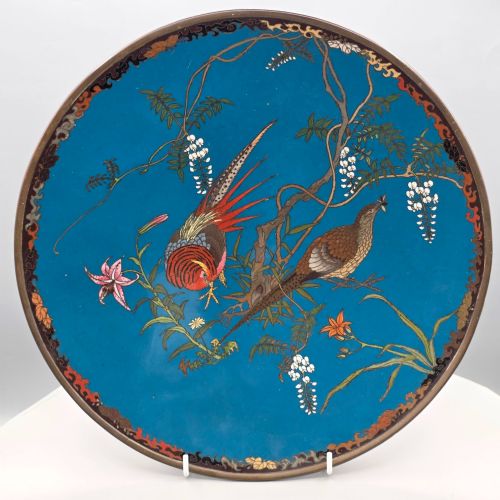
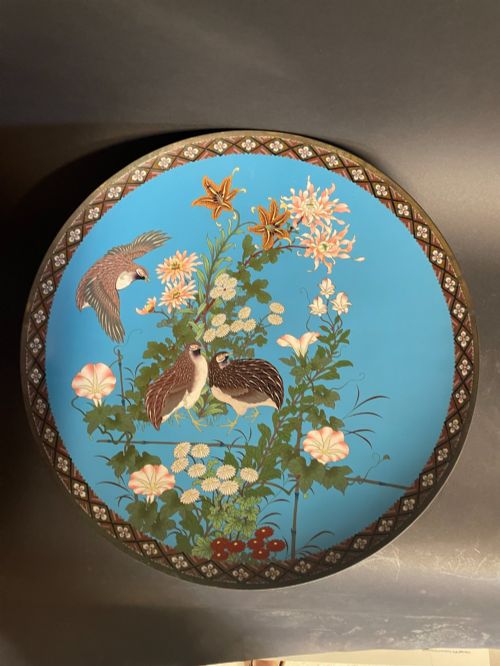
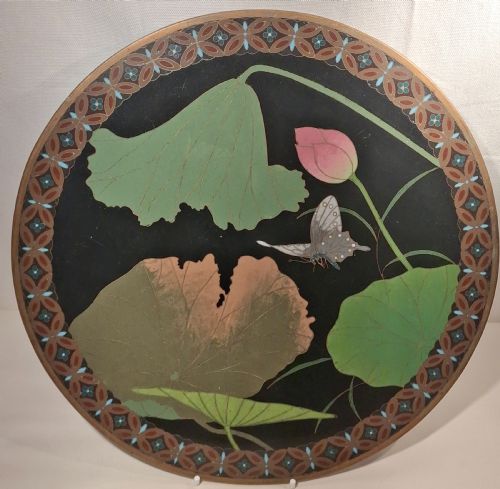
A japanese enamel wall plaque typically takes the form of a decorative charger, plate, or tray designed for display. These pieces originate from the Edo and Meiji periods, showcasing traditional motifs such as birds, koi, dragons, and samurai.
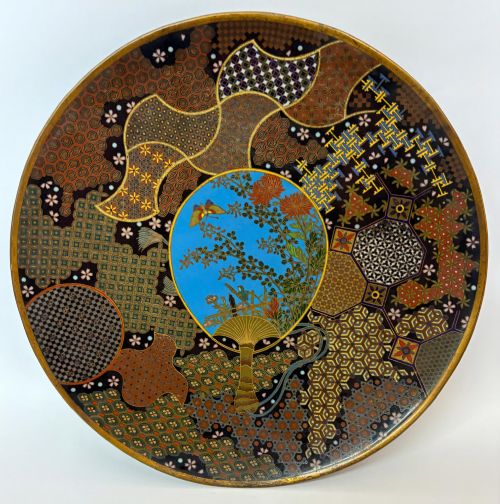
Buyers mostly encounter circular copper or porcelain bases decorated with detailed wirework and coloured glass paste. The imagery ranges from simple floral sprays to elaborate narrative scenes spanning several decades of production.
Distinctions in execution
Quality rests upon the fineness of the wirework and the precision with which the enamel fills each compartment without pitting or clouding. Superior examples display seamless transitions of tone and complex pictorial depth.
The inclusion of a signature or depiction of challenging subjects like leaping koi and dragons often separates standard decorative items from masterwork output. The regularity of the cell walls and the polish of the final surface indicate the skill of the workshop.
Nineteenth-century artisans captured fierce dragons, leaping koi, and a solitary shrimp with equal devotion on flat metal surfaces.
The Japanese Enamel Wall Plaque Glossary
- Cloisonne
- Enamelwork in which coloured pastes are applied within compartments formed by thin metal wires affixed to a metal base. This technique defines the majority of the decorative plaques and chargers.
- Totai shippo
- A method of applying cloisonne enamel over a porcelain body rather than metal. This technique creates a distinctive textured surface often resembling organic materials like tree bark.
- Charger
- A large ornamental plate intended primarily for display on a wall or sideboard rather than for dining use. These items form the core of the available wall plaque selections.
- Meiji Period
- The era spanning from eighteen sixty-eight to nineteen twelve, characterised by a rapid expansion of fine metalwork exported to Western markets. Much of the surviving enamelwork originates from this time.
- Edo Period
- The historical era preceding the Meiji period, lasting until eighteen sixty-eight. Pieces attributed to this earlier time often display robust proportions and distinct subject matter.
Japanese Enamel Wall Plaque: Frequently Asked Questions
How do I hang a heavy charger?
These metal and porcelain objects require sturdy wall fixings designed to support substantial weight safely. Utilise a secure bracket or specialised plate hanger that grips the rim firmly without putting pressure on the enamel surface.
Ensure the wall anchor engages directly with solid masonry or a timber stud. Check the stability of the wire or foot ring on the back before mounting the piece at eye level.
Are these pieces signed by makers?
Certain examples feature artist signatures or workshop marks embedded in the enamel or stamped on the reverse. These marks provide valuable clues regarding the origin of the piece.
Unsigned plaques remain common and do not diminish the decorative quality of the workmanship. The visual execution and materials often speak louder than a signature.
What is the difference between Edo and Meiji pieces?
Edo period plaques generally date from before eighteen sixty-eight and often feature bold forms and classical motifs. Meiji period items reflect the subsequent opening of trade and an increase in technical precision.
Both periods utilise copper foundations and wirework, but the stylistic detailing shifts as workshop techniques evolved over the nineteenth century.
How should I clean my enamel plaque?
Dust the surface gently with a soft, dry cloth to remove everyday particles. Avoid using water, liquid cleaners, or chemical polishes that might seep into hairline fractures or damage the metal wire.
Keep the piece away from direct sunlight and areas of high moisture to preserve the stability of the glass enamel over time.