


Japanese Earthenware Dish
These Japanese earthenware dish selections bring intricate Meiji period Satsuma ware into the home, prized for detailed hand-painted scenes and rich gilding.
Japanese Earthenware Dish
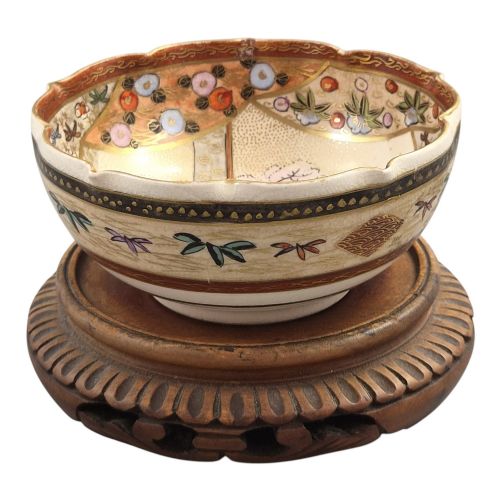
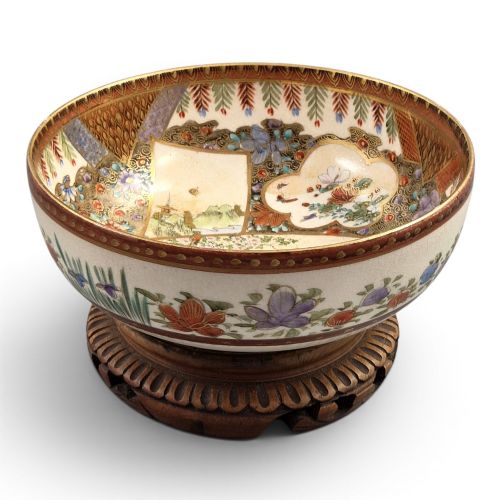
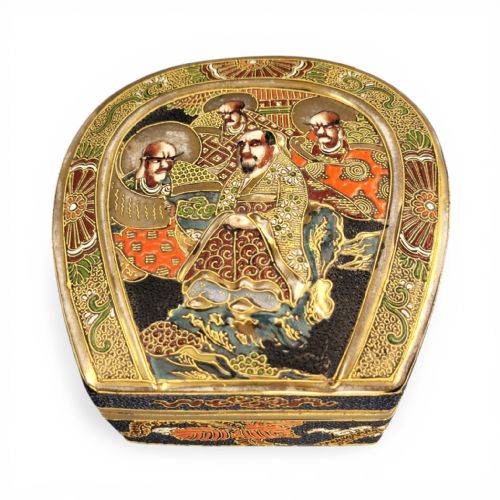
A japanese earthenware dish typically presents as a Satsuma ware piece originating from the Meiji period, often spanning dates into the Edwardian era. Buyers encounter forms ranging from shallow decorative dishes and large chargers to small bowls, saucers, and trinket boxes.
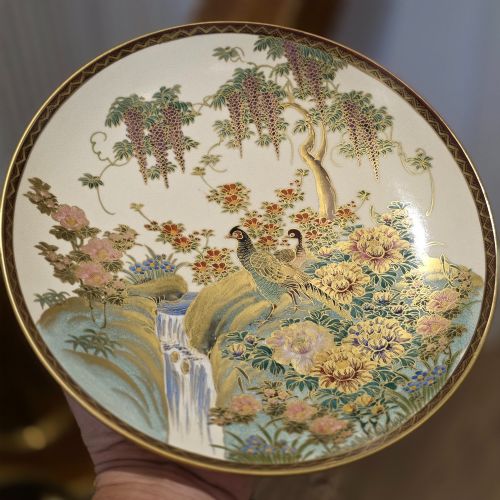
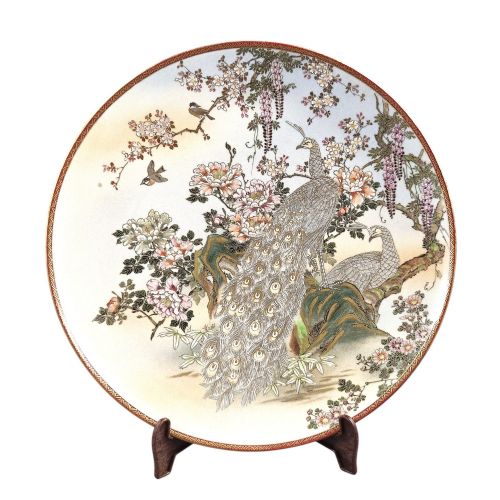
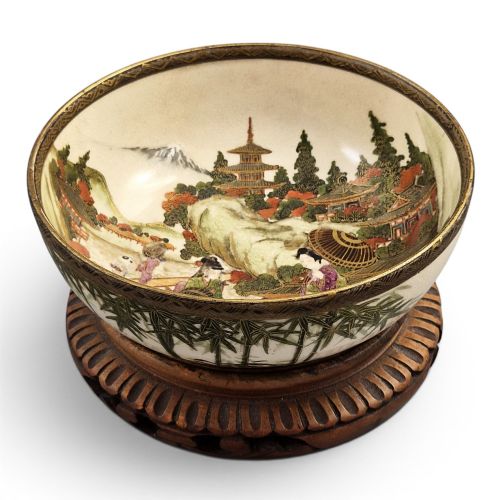
The aesthetic centres on densely decorated surfaces depicting figures, birds, flowers, and multi-figure scenes. Most examples available belong to the later nineteenth century and the turn of the twentieth century, reflecting the peak of production for export.
How they were made
Makers shaped porous earthenware bodies before applying complex surface designs using enamel and gold leaf or gilt details. These materials allowed artisans to build raised motifs and intricate patterns that defined the Satsuma style.
Workshops utilised specialised painting techniques to cover surfaces in floral motifs, thousand flowers patterns, and pictorial narratives. The application of gold gilt highlights completed the decoration prior to final firing.
Listings span the Victorian and Edwardian periods, with the majority attributed to the Meiji period using earthenware, enamel, and gold leaf.
What varies in quality
The distinction between standard output and the finest pieces rests on the precision of the brushwork and the complexity of the enamel and gold leaf application. Finer dishes display meticulous control in multi-figure scenes and detailed floral borders.
Signatures from known makers and specific regional workshops elevate individual pieces above unmarked production. The depth and preservation of the gilt work also indicate the standard of the original craftsmanship.
Koshida·Kozan·Toshozan·Shuzan for Yasuda·Nikko·Hododa·Meizan
The Japanese Earthenware Dish Glossary
- Satsuma
- A type of Japanese earthenware originating from Satsuma Province, characterised by an ivory-coloured, crackled glaze. It forms the basis for the majority of decorative bowls and plates found in this category.
- Moriage
- A decorative technique using clay applied in dots or lines to create raised patterns on pottery. This method adds tactile relief beneath enamel and gold leaf details.
- Meiji Period
- The era in Japanese history lasting from 1868 to 1912, corresponding with the reign of Emperor Meiji. Much of the export pottery available dates from this period.
- Charger
- A large decorative plate intended for display rather than for dining use. These pieces often feature elaborate pictorial scenes involving birds, flowers, or figures.
- Millefleur
- A pattern style translating to thousand flowers, covering the entire surface of the dish in dense floral motifs. This design requires precise repetition across the earthenware body.
Japanese Earthenware Dish: Frequently Asked Questions
What is Satsuma ware?
Satsuma ware is a distinct type of Japanese pottery known for its ivory-coloured earthenware body and characteristic crackle glaze. Artisans decorated these pieces with elaborate enamel paintings and gold gilt.
Production expanded significantly during the Meiji period to satisfy international demand for decorative export art.
How do I date these pieces?
Dating relies heavily on stylistic markers, reign periods, and documented workshop signatures found on the underside of the dishes. Most items date from the late nineteenth century through to the Edwardian period.
Makers often included artist signatures or regional crests that help narrow down the period of manufacture.
Are these dishes meant for food?
These pieces function primarily as decorative items rather than practical tableware. The porous earthenware and delicate enamel work require careful handling and display.
Dishes, chargers, and bowls serve best as ornamental centrepieces in a room.
What are the common motifs?
Common decorative themes include birds, wisteria, peonies, and complex multi-figure scenes depicting daily life or historical narratives. Patterns like thousand flowers also appear frequently across the surface.
Artists used gold leaf and raised enamel to accentuate these pictorial elements.