





Japanese Decorative Tray
A japanese decorative tray brings intricate metalwork, enamel and porcelain to a surface, offering a tangible piece of Meiji craftsmanship.
Japanese Decorative Tray
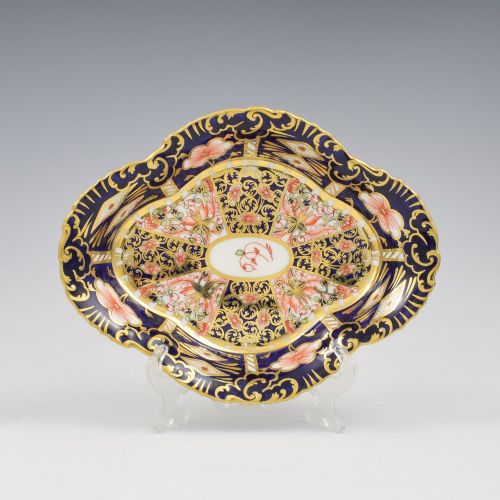
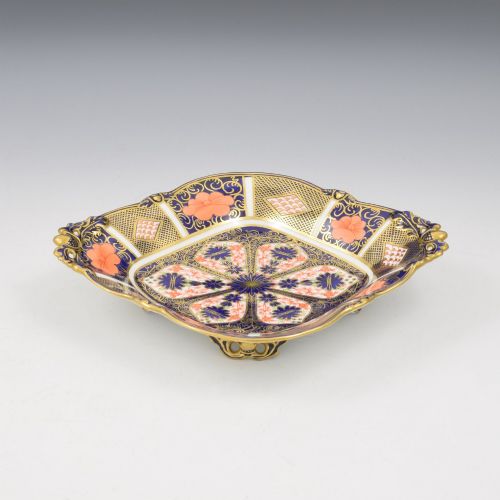
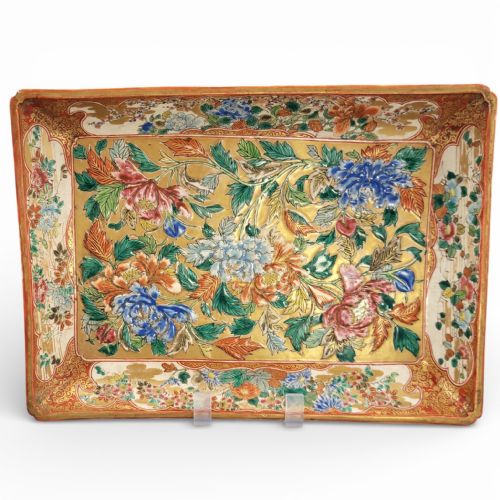
A japanese decorative tray encompasses works produced during the 19th century and the Victorian era, spanning export wares and domestic items. The forms include square, octagonal, fan-shaped and deep lobed serving dishes alongside chargers and plaques.
Most examples you encounter on this page date from the Meiji period and the late nineteenth century. These objects function equally as flat display plaques and as serving vessels for domestic settings.
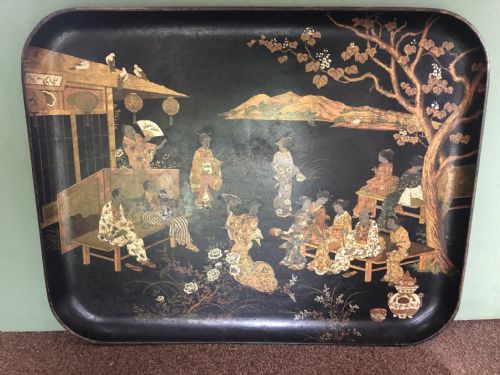
The materials range from cloisonne enamel and copper to porcelain, bone china, brass, papier-mâché and lacquer. Imari styles appear frequently alongside intricate pictorial scenes featuring koi, dragons, birds and deities.
How they were made
Cloisonne enamel trays rely on fine metal wires soldered to a copper or metal base to form cells that receive coloured enamel pastes before firing and polishing. Brass and mixed-metal dishes employ inlay techniques associated with Komai style workshop traditions.
Porcelain and bone china pieces utilise hand-painted cobalt blue and iron red pigments, often enhanced with gold leaf and gold gilt details. Lacquer and papier-mâché items involve building layers of resin or paper Mache finished with decorative surface painting.
Japanese Decorative Tray Retail Price Guide 2026
Typical asking prices for japanese decorative tray among the pieces listed under this phrase on Sellingantiques today, from the lower quarter to the upper quarter. They describe what is for sale here now, not the wider market.
Listings span the nineteenth century, Victorian era, Meiji period and the 1920s, utilising enamel, copper, brass, porcelain and lacquer.
What varies in quality
The precision of wirework in cloisonne enamel separates standard production from exceptional pieces, where cells remain uniform and the polished surface displays minimal pitting. Mixed-metal inlay work reveals quality through the tightness of the metal bonds and the depth of the engraving.
Painted porcelain and Imari wares show distinction in the crispness of the brushwork and the application of gold gilt. Compositional balance across complex motifs such as leaping koi or dragons dictates the visual success of the tray.
The Japanese Decorative Tray Glossary
- Meiji Period
- The era in Japanese history lasting from 1868 to 1912, characterised by extensive export trade and refined metalwork. Objects from this period often display sophisticated cloisonne and mixed-metal techniques.
- Cloisonne Enamel
- A decorative metalwork technique where thin wire partitions create compartments filled with enamel paste. These pieces are fired and polished to a smooth finish.
- Imari
- A style of Japanese export porcelain featuring a distinct palette of underglaze blue, iron red and gold gilt. European potteries subsequently adopted these patterns during the Victorian era.
- Mixed-Metal
- A method combining brass, iron, gold and silver inlay to create detailed pictorial scenes. This technique is prominent in Komai style decorative metalwork.
- Lacquer Plaque
- A rigid panel coated in processed tree sap resin, providing a durable and lustrous surface for painted or inlaid decoration.
Japanese Decorative Tray: Frequently Asked Questions
What materials are used in these trays?
The listings include copper with cloisonne enamel, brass and mixed-metal, porcelain, bone china, papier-mâché and lacquer.
Gold leaf and gold gilt often accent the surfaces of both ceramic and metal pieces.
How do I identify a Meiji period piece?
Meiji period trays typically date between 1868 and 1912, showing detailed craftsmanship in enamel or mixed-metal.
Stylistic cues include naturalistic motifs like koi, dragons, birds and floral arrangements executed with high technical precision.
What is Imari style?
Imari style refers to decorative ceramics featuring a palette of cobalt blue, iron red and gold gilt.
This aesthetic originated in Japan before influencing European makers who produced their own imari pattern variations.
How were these decorative trays used?
Many items served as display plaques, decorative dishes or serving trays in period interiors.
Their substantial construction in metal, lacquer or porcelain allowed them to function both visually and practically.