




Japanese Carved Wood Netsuke
These japanese carved wood netsuke are tactile toggles shaped from boxwood and exotic timbers during the Edo and Meiji periods, prized for securing pouches to traditional robes.
Japanese Carved Wood Netsuke
Japanese carved wood netsuke are small sculpted toggles designed to anchor suspended pouches and containers to a traditional sash. When you examine this selection, you encounter forms originating from the Edo and Meiji periods, alongside Edwardian examples.
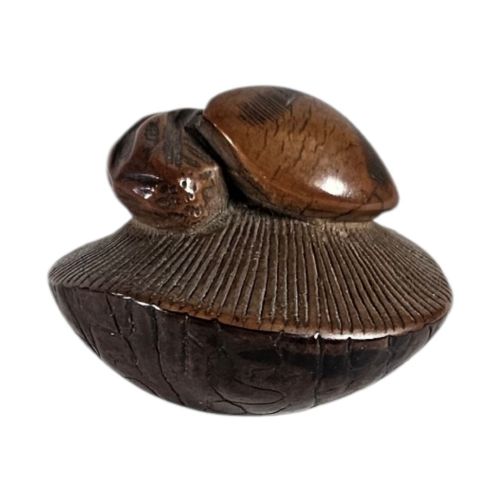
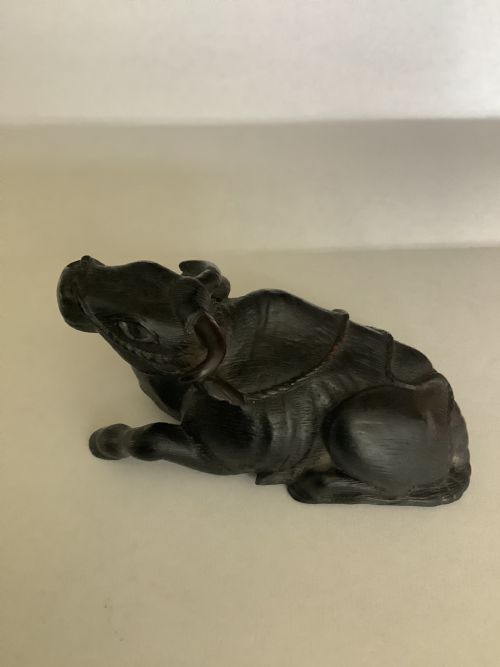
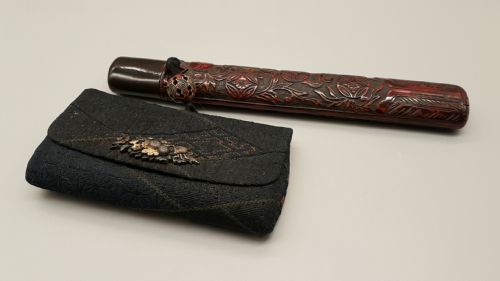
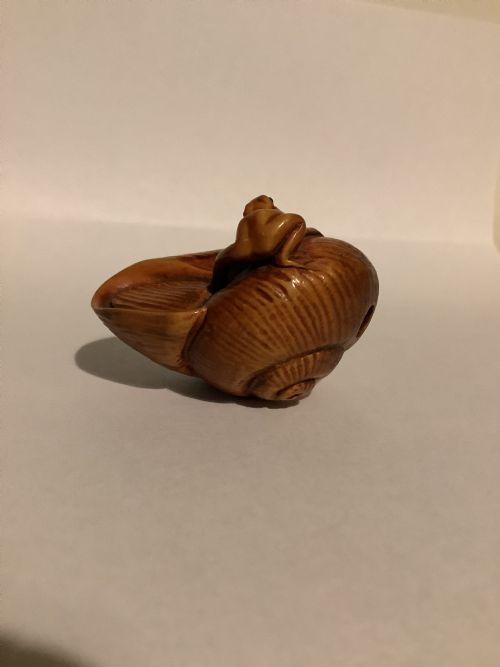
The objects take diverse shapes, including animals such as frogs, toads, rats, rabbits, and monkeys, as well as figural subjects like Daruma and wise men. Alongside standalone netsuke, the listings encompass smoking accessories, okimono, and manju kagamibuta pieces featuring champlevé cloisonné enamel.
Makers shaped these miniature sculptures from boxwood and various carved woods, occasionally incorporating horn, silk, lacquer, metal, and mother-of-pearl. The origins trace directly through Japanese traditional craftsmanship spanning the nineteenth century.
How they were made
Carvers shaped these pieces primarily from boxwood and other wood materials using precise hand-carving techniques. The selection records the extensive use of boxwood alongside exotic woods suited to intricate detail.
Makers integrated secondary elements of metal, horn, silk, lacquer, and mother-of-pearl into specific objects like smoking ensembles and manju kagamibuta. These varied materials support the complex figural and naturalistic forms seen across the periods.
Listings feature boxwood and various carved woods alongside materials like silk, lacquer, metal, and mother-of-pearl, spanning the Edo, Meiji, and Edwardian periods.
What varies in quality
Quality separates through the naturalism of the carving and the precision applied to figural and animal subjects. Pieces displaying signed artistry from known carvers demonstrate superior execution in the handling of wood.
The tactile nature of the object depends on the smoothness of the finish and the complexity of the composition, such as a snail upon a mushroom or a wolf upon a crab. Material choice also distinguishes the work, with fine boxwood allowing sharper detail than broader grained timbers.
Tomochika·Masayuki·Masatada·Masanao
The Japanese Carved Wood Netsuke Glossary
- Netsuke
- A small carved toggle used in traditional Japanese dress to suspend a pouch or container from the sash. These objects date predominantly from the Edo and Meiji periods.
- Okimono
- A standalone decorative figurine intended for display rather than functional use as a toggle. These carved wood pieces often depict animals or figures.
- Manju kagamibuta
- A round, flat netsuke style resembling a manju cake, featuring a metal disc fitted into a carved body. Examples incorporate champlevé cloisonné enamel.
- Sashi netsuke
- An elongated form of toggle designed to be tucked directly behind the sash. This specific type functions as a pipe case holder.
- Shibayama
- A decorative technique applying inlaid materials such as mother-of-pearl onto a wood base. This style appears on butterfly motifs within the pieces.
Japanese Carved Wood Netsuke: Frequently Asked Questions
What is a Japanese carved wood netsuke?
A netsuke is a small carved toggle historically used to secure a suspended pouch or tobacco box to a traditional Japanese sash. Carvers shaped these miniature sculptures from boxwood and other timbers.
They depict animals, figures, and natural clusters with intricate detail. The form developed significantly across the Edo and Meiji periods.
How were netsuke used historically?
These objects functioned as practical fasteners for traditional Japanese garments that lacked pockets. The cord attached to a pouch ran through the netsuke, which acted as a stopper behind the sash.
They formed part of everyday attire alongside smoking accessories and portable containers. Over time, they evolved into highly collectible miniature artworks.
How do I date an antique netsuke?
Dating relies on the stylistic markers of the Edo and Meiji periods, alongside material choices like boxwood and associated components such as champlevé enamel. Nineteenth-century examples often display specific carver signatures.
Changes in subject matter and carving depth help place pieces across the 1850s to the Edwardian era. Archive records of similar signed works provide useful reference points.
How do I care for wooden netsuke?
Wooden netsuke require stable environmental conditions away from direct sunlight and extreme humidity changes to protect the boxwood and applied materials. Gentle handling preserves the tactile surface and fine carvings.
Avoid chemical cleaners and moisture, as these can damage the finish and any inlaid mother-of-pearl or lacquer elements. Periodic dusting with a soft, dry cloth is sufficient.