
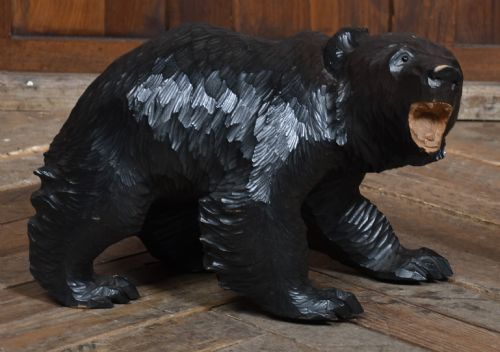


Japanese Carved Wood Art
These pieces of japanese carved wood art bring traditional craftsmanship and organic textures into a room through carved figures, functional furniture, and detailed panels.
Japanese Carved Wood Art
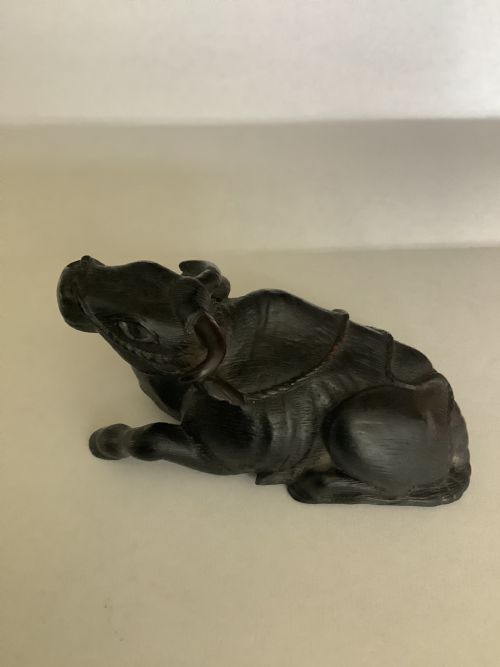
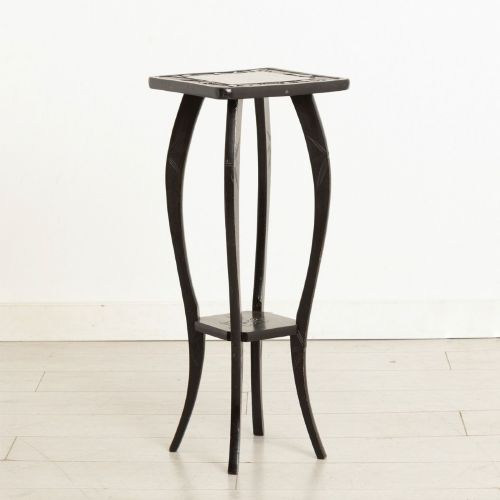
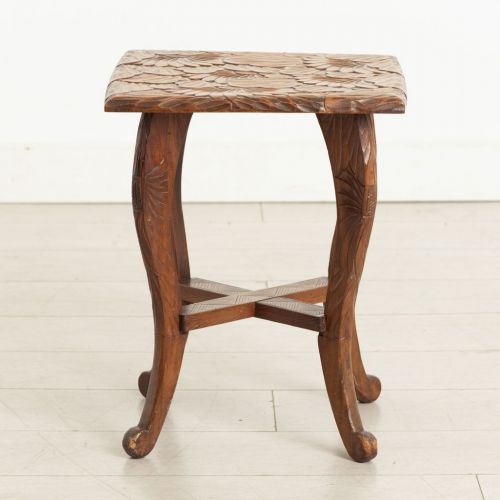
Japanese carved wood art spans intricate miniature sculptures and larger decorative items originating primarily from the nineteenth and early twentieth centuries. Collectors encounter diverse forms ranging from traditional netsuke and animal sculptures to plant stands and side tables.
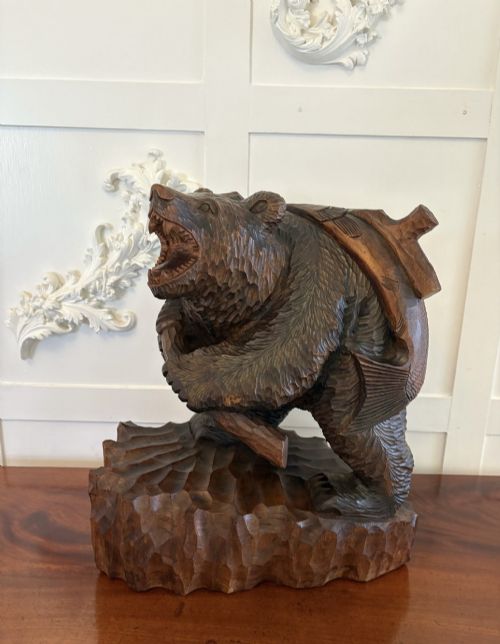
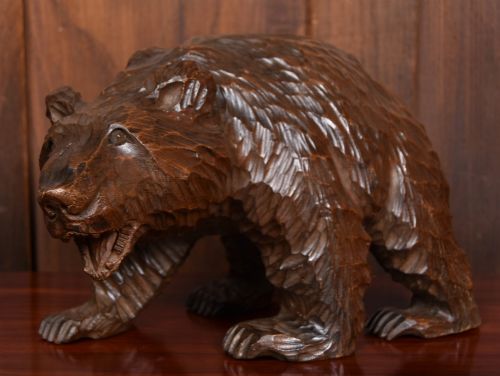
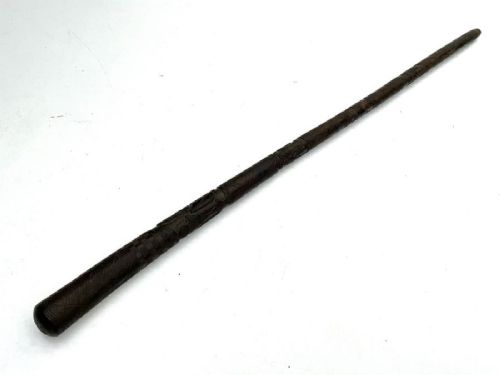
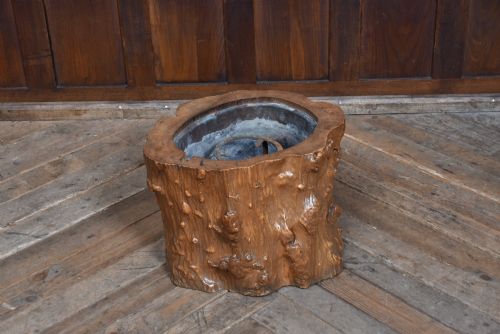
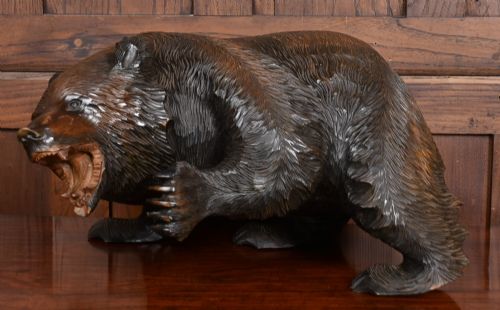
The selection frequently includes carved wooden bears, known as kibori kuma, alongside functional items such as hibachi and decorative weapons. These objects reflect various stylistic influences, from Edo period traditions to Arts and Crafts interpretations.
Smaller wearable or pocket pieces like netsuke share space with larger interior furnishings produced during the early twentieth century. This mix demonstrates the broad scope of woodwork traditions available to collectors.
Materials and Methods
Artisans utilised boxwood, hardwood, linden wood, and oak to shape these sculptures and functional objects. Selected timbers provided the density required for fine detail work and durable furniture construction.
Makers applied hand-carving techniques, often incorporating stain or lacquer finishes to enhance the natural grain of the wood. Specialised approaches such as the nata-tsukuri style produced distinct surface textures on figurative pieces.
Several wooden bears carry fish.
Assessing Quality and Execution
Quality rests upon the precision of the hand-carving and the naturalistic detail achieved in animal and human figures. Superior examples display careful attention to anatomical proportion and surface expression.
The selection of timber influences the overall character, with dense hardwoods and boxwood allowing for sharper, more enduring definition. Structural integrity in larger items like tables and plant stands further distinguishes superior workshop output.
Liberty of London·Liberty and Co
The Japanese Carved Wood Art Glossary
- Netsuke
- A small carved toggle fastened to the end of a cord attached to a small container. These miniature sculptures often depict animals, insects, or figures.
- Kibori Kuma
- A carved wooden bear originating from the Hokkaido region. These traditional sculptures frequently portray the animal carrying a fish in its jaws.
- Hibachi
- A traditional Japanese heating device or brazier. These items often feature carved wooden bodies used to hold hot charcoal.
- Okimono
- A standalone decorative sculpture intended for display on a shelf or in an alcove. These pieces showcase detailed craftsmanship across various subjects.
- Manju Kagamibuta
- A circular button-like netsuke featuring a metal disc fitted into a carved wood body. The cover often displays intricate decorative metalwork.
Japanese Carved Wood Art: Frequently Asked Questions
What is a netsuke used for?
A netsuke served as a toggle on the end of a cord, securing small personal containers worn suspended from traditional kimono sashes.
Over time, these functional fasteners developed into highly collectible miniature sculptures prized for their intricate detail and tactile qualities.
How do I identify a kibori kuma?
A kibori kuma is recognizable as a carved wooden bear, most frequently shown holding a salmon in its mouth.
These pieces emerged as a distinct folk art tradition in northern regions during the late nineteenth and early twentieth centuries.
Where should I place a hibachi?
A hibachi works effectively as a sculptural floor or table centerpiece in a room, highlighting traditional Japanese craftsmanship.
Because these vessels were designed to hold ash and charcoal, collectors often repurpose them to display dried botanicals or simply leave them empty.
How do I distinguish Edo period pieces?
Edo period woodwork relies on traditional hand-carving methods applied to dense materials like boxwood and hardwood.
These older items typically display authentic wear patterns and distinct stylistic characteristics associated with historic Japanese artisan guilds.