


Japanese Bronze Sculpture
A Japanese bronze sculpture brings the intense observation of the Meiji and Taisho periods directly into your interior, showing mastery of metalwork.
Japanese Bronze Sculpture
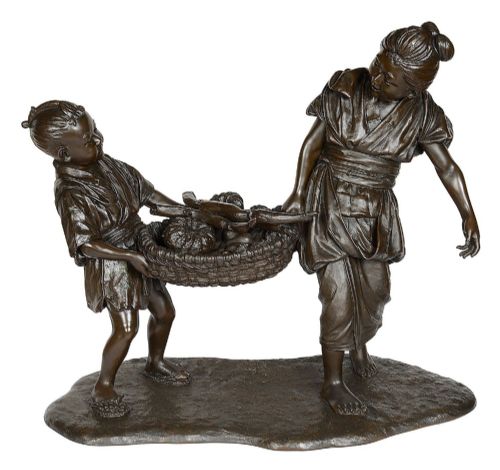
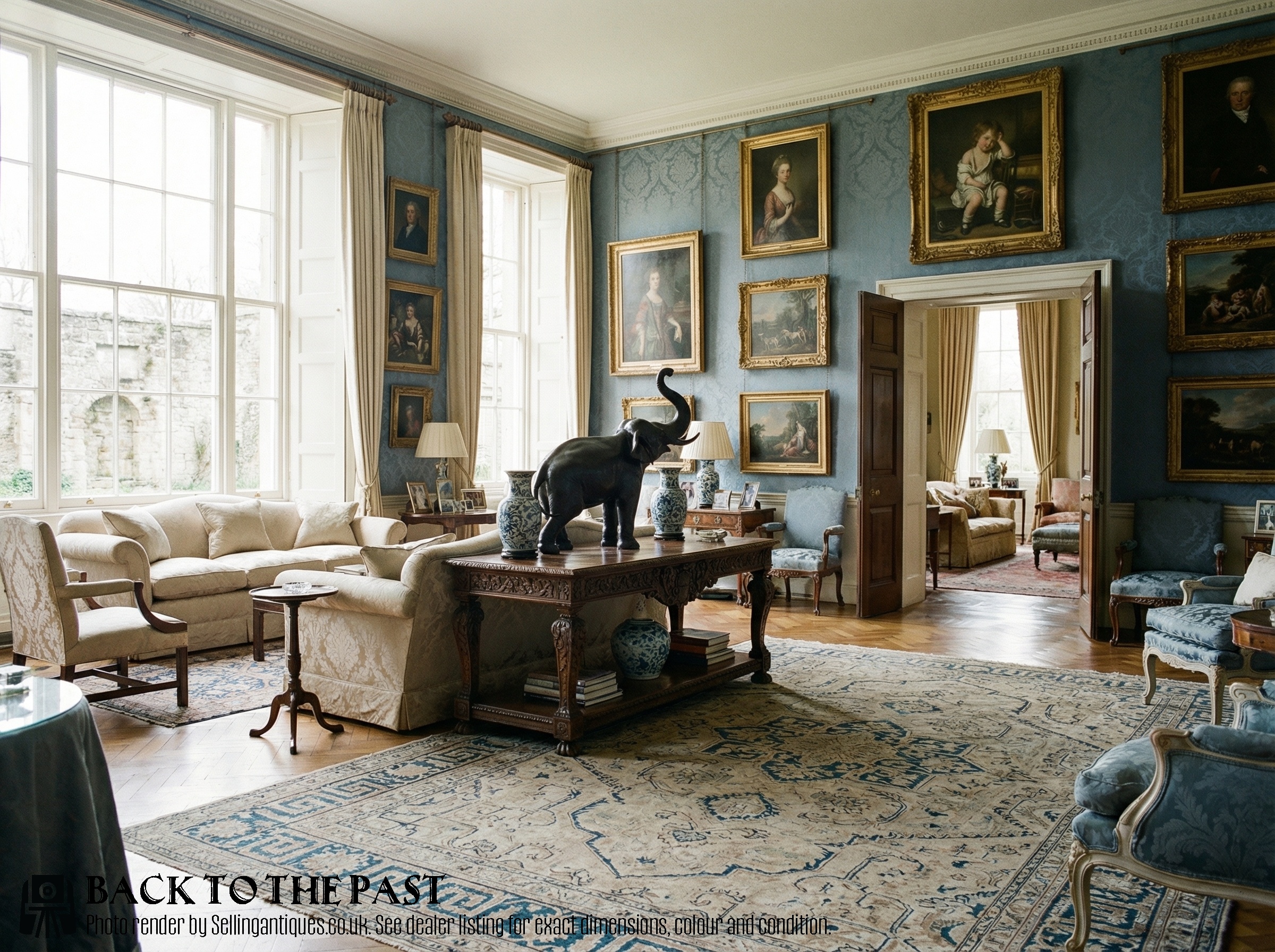
When you search for japanese bronze sculpture, you enter a field defined by nineteenth- and early twentieth-century artistry, stretching from the Meiji period into the Showa era. The works you encounter take many forms, from domestic okimono depicting animals and figures to large garden statuary and temple vases.
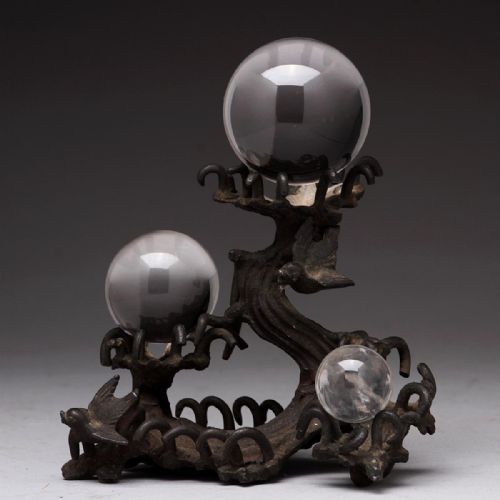
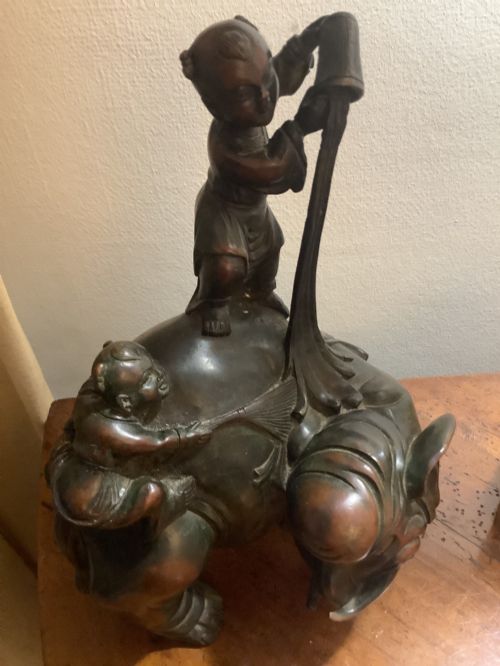
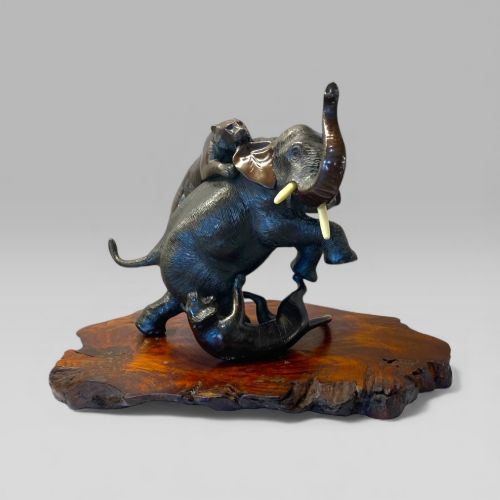
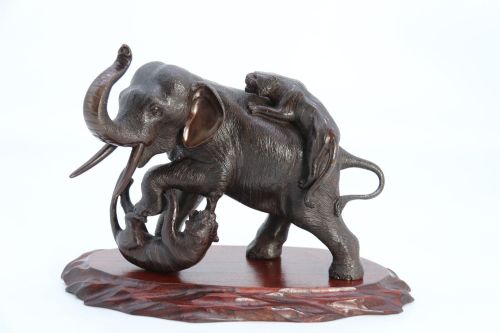
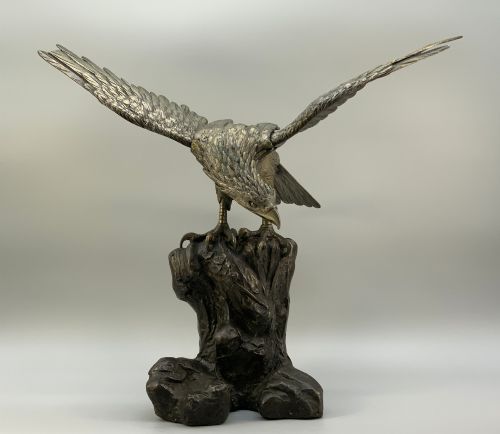
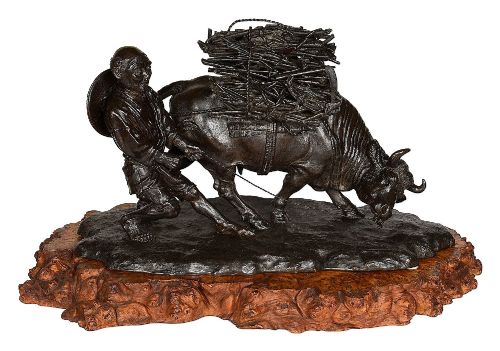
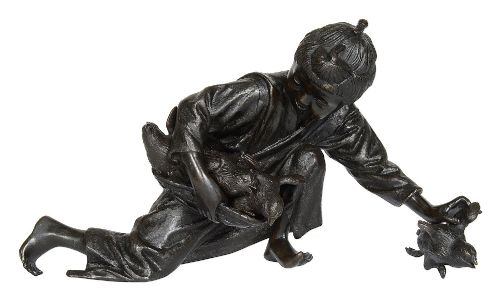
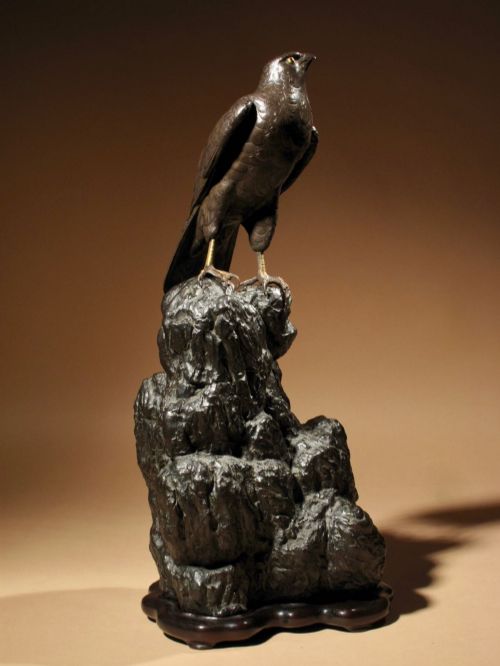
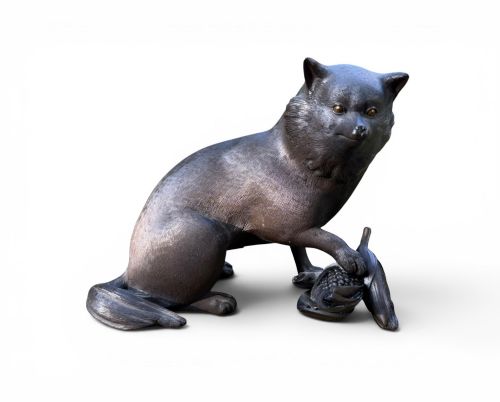
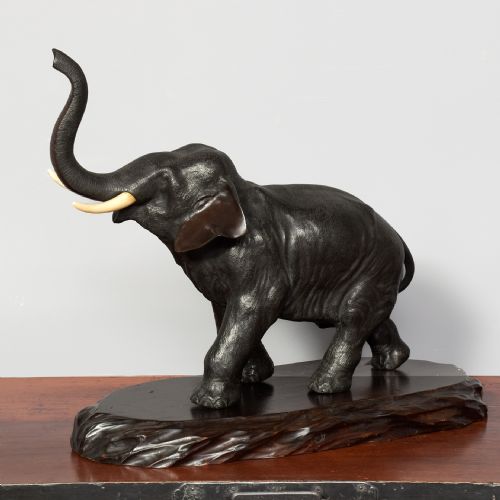
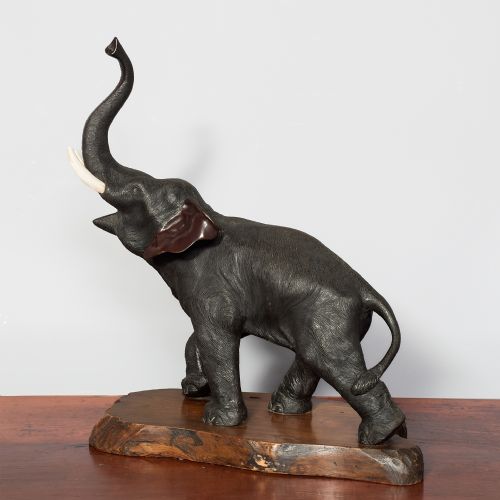
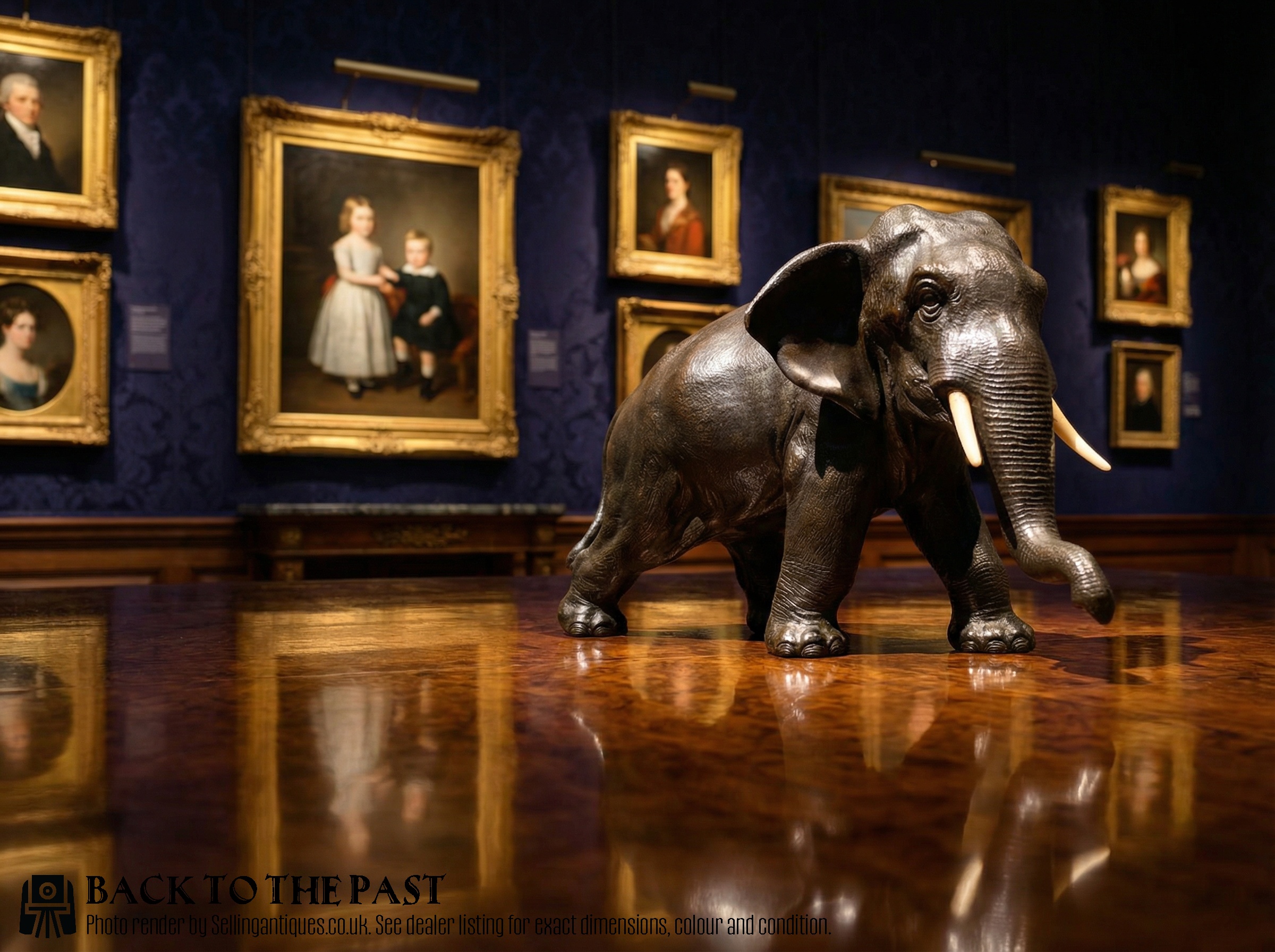
The most common pieces on this page are okimono, which translate as decorative objects for display in an interior setting. These range from lifelike figures of animals like eagles, elephants, and tigers to human subjects such as woodcutters, scholars, and children.
How they were made
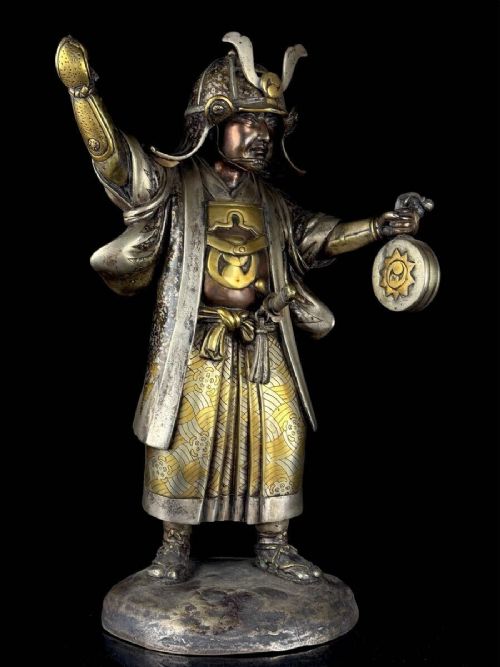
The makers of japanese bronze sculpture utilised traditional lost-wax casting techniques to capture remarkable anatomical detail. This process often incorporated mixed metals, applying gold inlay and shakudo highlights to create contrast across the surface of the bronze.
Many animal subjects feature articulated limbs or complex patination achieved through chemical treatments on the warm metal. Additional materials such as ivory, bone, wood, and stone appear alongside the bronze in composite sculptures and multi-part groups.
Japanese Bronze Sculpture Retail Price Guide 2026
Typical asking prices for japanese bronze sculpture among the pieces listed under this phrase on Sellingantiques today, from the lower quarter to the upper quarter. They describe what is for sale here now, not the wider market.
Among the creatures frozen in bronze, an articulated centipede and a tarantula spider wait patiently to surprise visitors.
What varies in quality
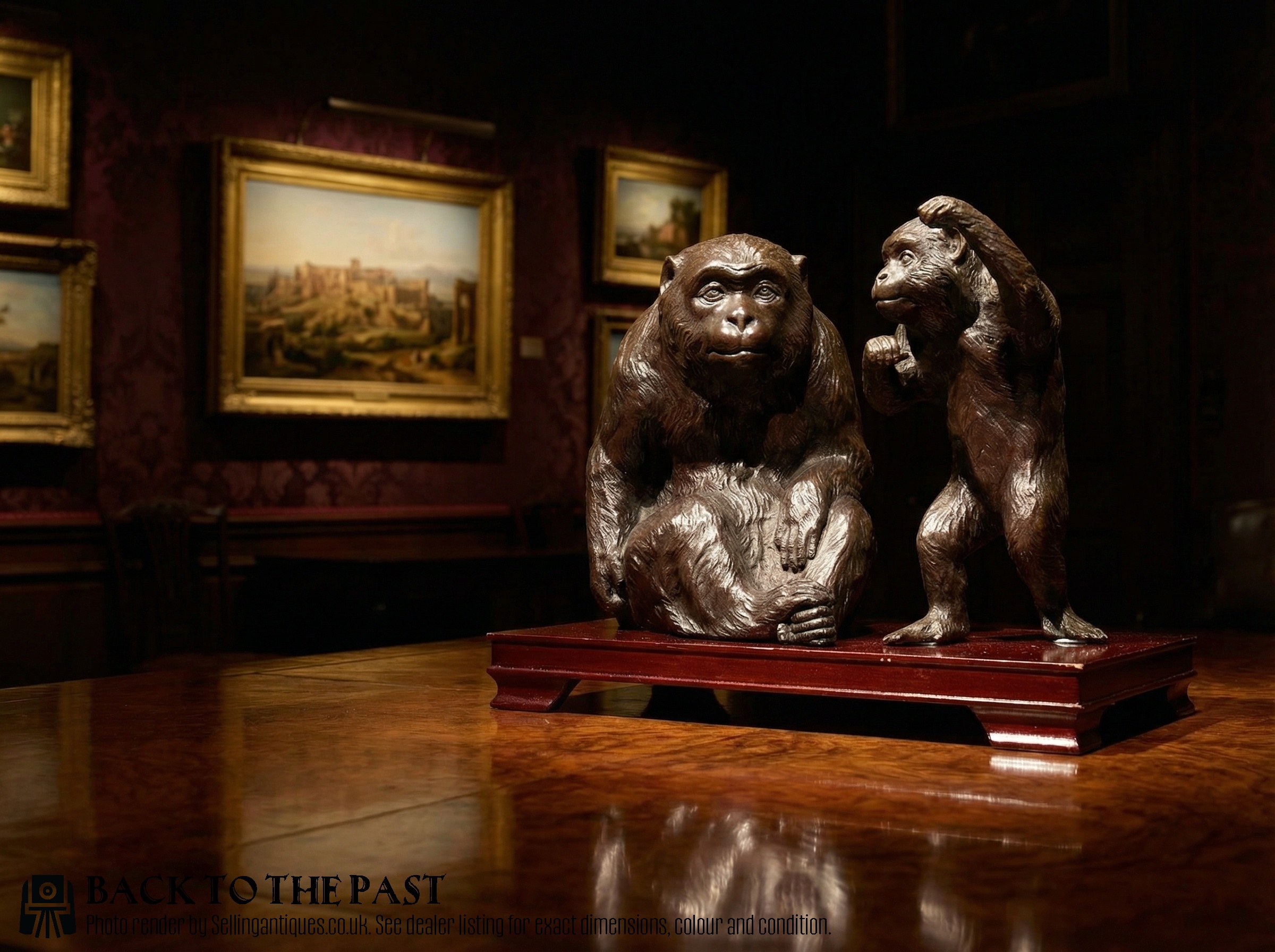
The distinction between standard commercial output and superior craftsmanship rests in the precision of the casting and the sensitivity of the chasing work. Finer examples display meticulous attention to texture, such as individual feathers, fur, or the natural grain of a rocky base.
Signature and foundry marks also separate notable pieces from anonymous production, reflecting the output of recognised masters and established workshops. The integration of mixed-metal details and the depth of the patina demonstrate the maker's technical ambition.
Jomi Eisuke·Tsunemitsu·Shosai·Kunio Itô·Masaaki·Kaniya Kuniharu·Haruyama Shunzan·Sakai Kōzan·Seiunsai Miyamoto Sei·Unno Shomin·Kaysuyama·Takasetsu Onoda·Kabuki Shumei·Miyao Eisuke
The Japanese Bronze Sculpture Glossary
- Okimono
- A traditional Japanese decorative object or sculpture intended for display in a household alcove or on a cabinet. These pieces cover subjects from nature to folklore.
- Shakudo
- A traditional Japanese billon alloy of copper and a small amount of gold, treated to produce a dark blue-black patina.
- Patinated Bronze
- Bronze that has been treated with chemical solutions to alter its surface colour, ranging from deep brown to greenish tones.
- Taisho Period
- The historical period spanning from 1912 to 1926, which saw a continuation of fine metal sculpture alongside early modern design influences.
Japanese Bronze Sculpture: Frequently Asked Questions
What is an okimono?
An okimono is a standalone decorative sculpture designed for interior display rather than religious worship. These objects were central to Japanese domestic interior aesthetics during the late nineteenth century.
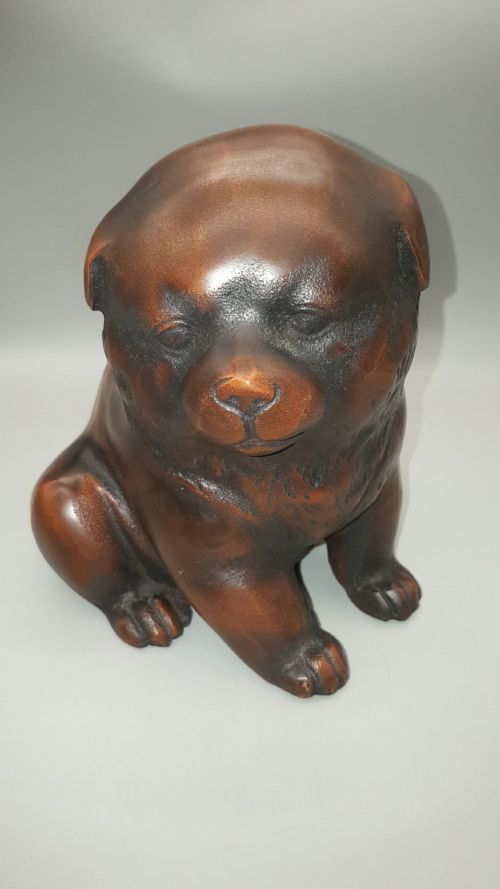
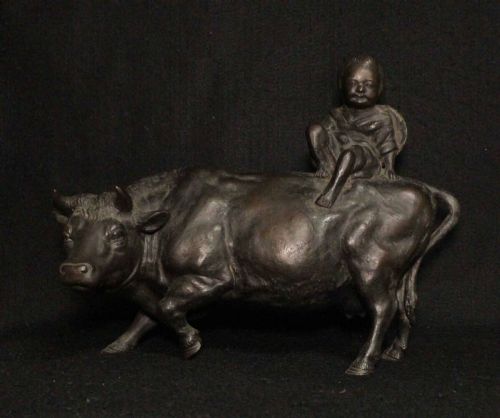
They depict everything from fierce predators and elephants to quiet domestic scenes with humans and farm animals.
How do I date a Japanese bronze?
Dating relies heavily on stylistic markers associated with specific imperial periods, primarily the Meiji, Taisho, and early Showa eras. Pieces created during the Meiji period often exhibit high naturalism and complex surface patination.
Signatures, foundry marks, and accompanying materials like ivory or gold inlay also provide clues to the approximate decade of production.
What are mixed-metal sculptures?
Mixed-metal sculptures combine bronze with other elements such as gold inlay, silver, iron, and shakudo. This technique allowed artisans to create striking colour contrasts and highlights across the surface of the piece.
Such works represent the pinnacle of nineteenth-century Japanese metallurgical skill.
How should I care for a bronze?
Bronze requires minimal maintenance beyond occasional dusting with a soft, dry cloth to prevent the accumulation of grit. Avoid using chemical polishes, which can strip away the original historic patina developed over the centuries.
Keep the sculpture away from direct moisture and extreme temperature fluctuations to preserve the metal stability.