









Japanese Blue Ceramic
Japanese blue ceramic brings together centuries of porcelain, earthenware, and intricate glaze work for collectors seeking traditional artistry.
Japanese Blue Ceramic
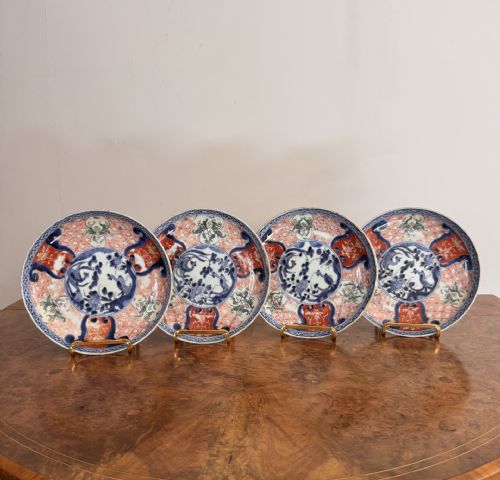
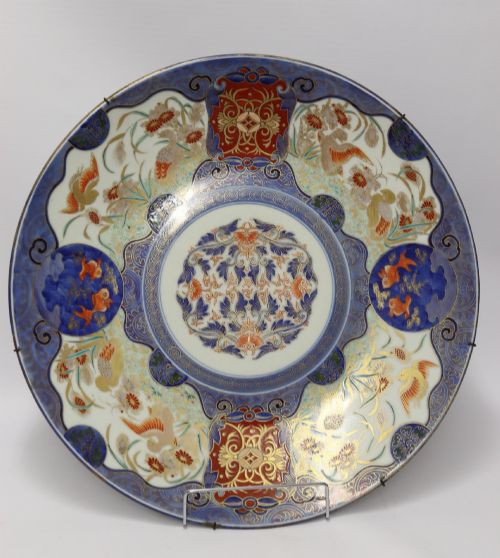
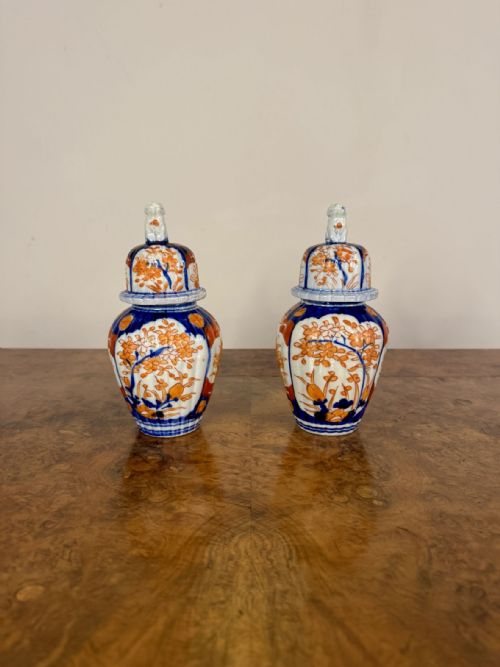
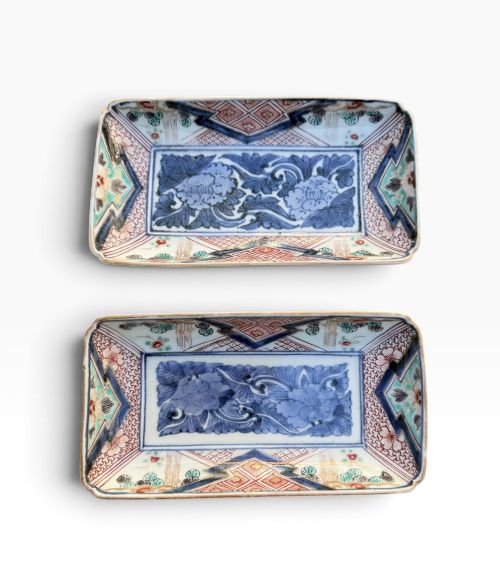
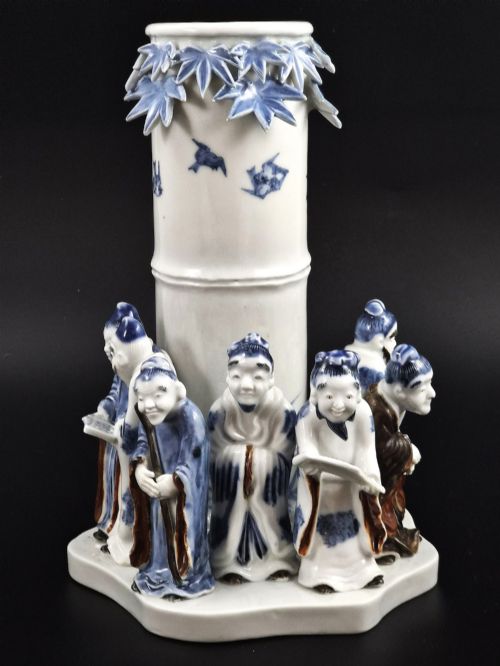
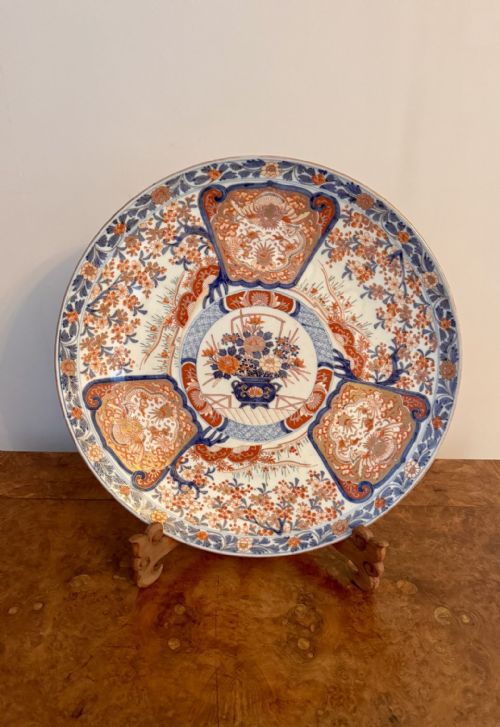
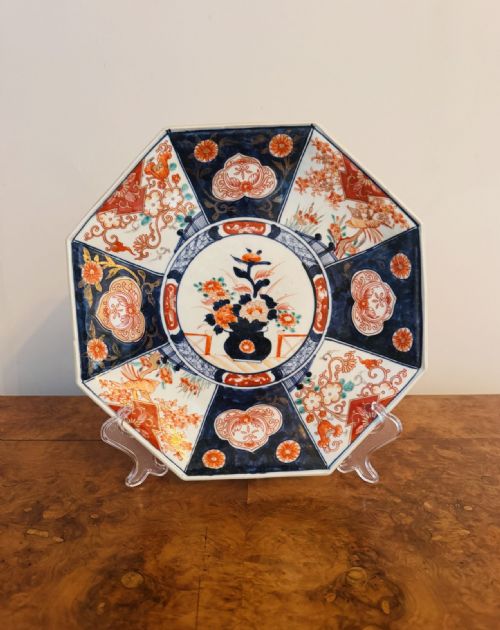
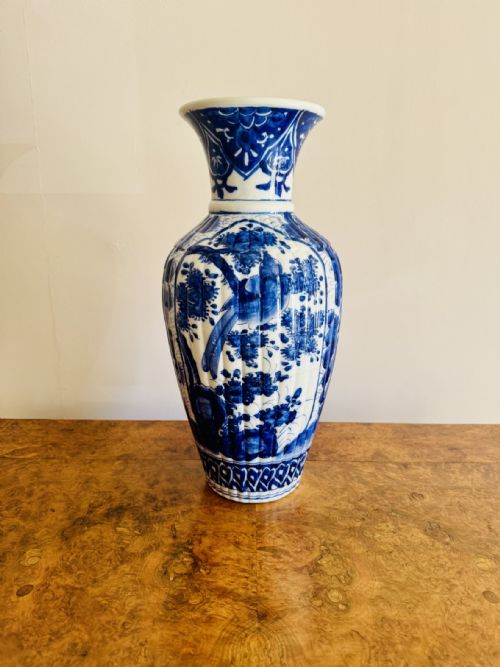
Japanese blue ceramic encompasses a wide range of decorative plates, chargers, vases, and bowls originating from various historical eras. When searching for Japanese blue ceramic, buyers most frequently encounter Imari wares alongside blue and white porcelain and Satsuma pieces.
The selection spans from the 17th-century Edo period through the Meiji period and into the early 20th century. Forms range from hexagonal and scalloped dishes to large floor-standing vases and jars.
Originating from kilns in regions such as Arita and Hirado, these items reflect both utilitarian vessels and highly ornamental objects. Many pieces integrate traditional motifs including horse decoration, exotic birds, and figural scenes.
Materials and Techniques
Makers utilised fine porcelain and earthenware as the primary base materials for shaping plates, vases, and vessels. Potters applied cobalt blue glaze alongside enamel, gilt, and gold detail to decorate the surfaces.
Specialised techniques included moulding porcelain into unusual forms such as fish, leaves, and shells, as well as applying blue flambé glaze. Kiln firing fixed the pigments and glazes, creating durable finishes that endure across centuries.
Japanese Blue Ceramic Retail Price Guide 2026
Typical asking prices for japanese blue ceramic among the pieces listed under this phrase on Sellingantiques today, from the lower quarter to the upper quarter. They describe what is for sale here now, not the wider market.
Distinctions in Quality
Quality rests upon the precision of the hand-painted decoration and the clarity of the blue pigment against the porcelain ground. Superior examples display intricate detailing in the figures, birds, or floral patterns without blurring or smudging.
The sophistication of the vessel's form also dictates standing, with moulded shapes like fish or leaf dishes requiring greater technical skill than standard round plates. Condition of the glaze, enamel, and any applied gold leaf further separates standard items from finer works.
The Japanese Blue Ceramic Glossary
- Imari
- A style of Japanese porcelain decorated in underglaze blue and overglaze red, gold, and other colours. It originated in the Hizen province and was exported through the port of Imari.
- Edo Period
- The period in Japanese history spanning from 1603 to 1868, characterised by economic growth and strict social order. Pieces from this era often exhibit distinct traditional motifs.
- Meiji Period
- The era lasting from 1868 to 1912, marked by the modernisation of Japan and a surge in decorative arts exported abroad. Items from this time frequently combine traditional techniques with new stylistic influences.
- Charger
- A large decorative plate intended for display rather than dining. These pieces often feature complex central medallions and detailed border patterns.
- Glaze
- A vitreous coating applied to ceramic objects to seal the porous clay body and provide colour or sheen. Underglaze cobalt blue is common in early Asian ceramics.
Japanese Blue Ceramic: Frequently Asked Questions
What is a charger?
A charger is a large decorative plate, significantly broader than standard dinnerware, designed primarily for display on walls, tables, or cabinets. These substantial pieces provide a wide canvas for intricate hand-painted cobalt blue and enamel scenes.
In collections, chargers often serve as focal points due to their scale and the complexity of their surface decoration.
How should I clean antique ceramics?
Antique ceramics require gentle maintenance, typically involving only a soft, dry cloth to remove dust from the surface. Avoid using harsh chemical cleaners, abrasive sponges, or submerging pieces with delicate overglaze enamel or gold leaf in water.
Display items away from direct sunlight and sudden temperature shifts to protect the glaze and prevent structural stress over time.
How do I date a Japanese ceramic?
Dating relies on examining the characteristics of the clay body, the tone of the blue pigment, and the style of the brushwork. Period markers such as the Edo or Meiji eras offer stylistic clues regarding the manufacturing techniques and typical motifs.
Comparing the form and decorative patterns with documented examples from kilns in Arita or Hirado helps narrow down the probable production era.