

Jacobean Oak Panel Chair
A jacobean oak panel chair brings solid timber and rigid joinery into a room, offering sturdy seating grounded in centuries of British domestic history.
Jacobean Oak Panel Chair
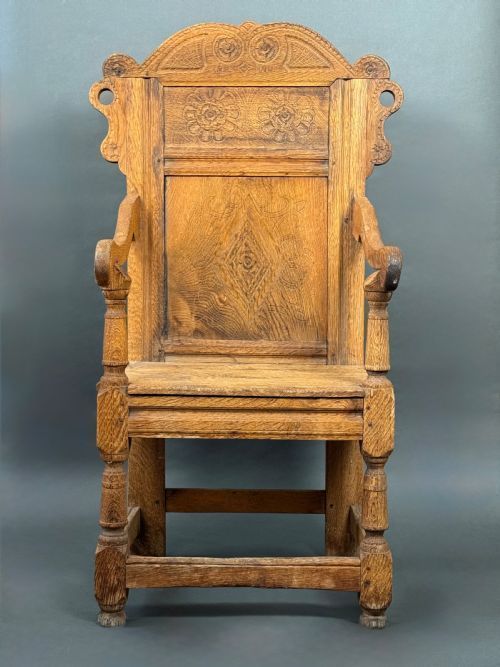
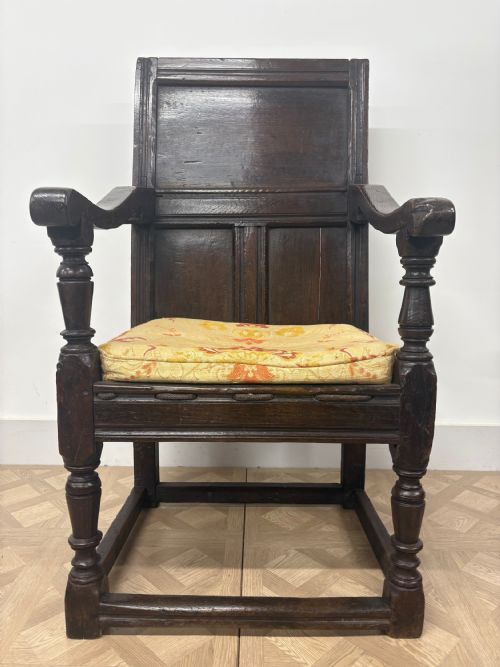
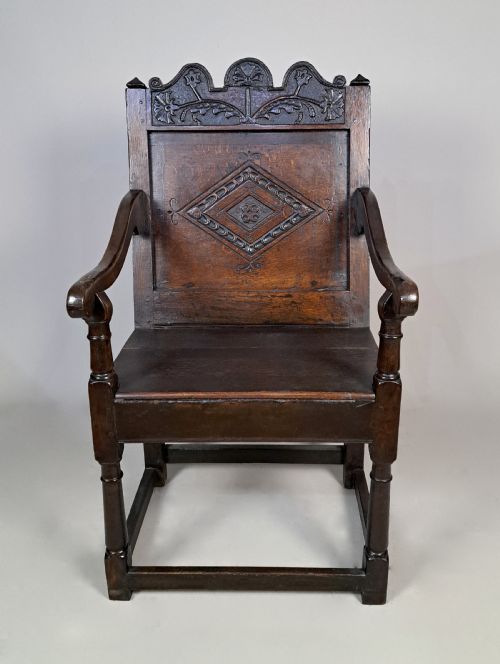
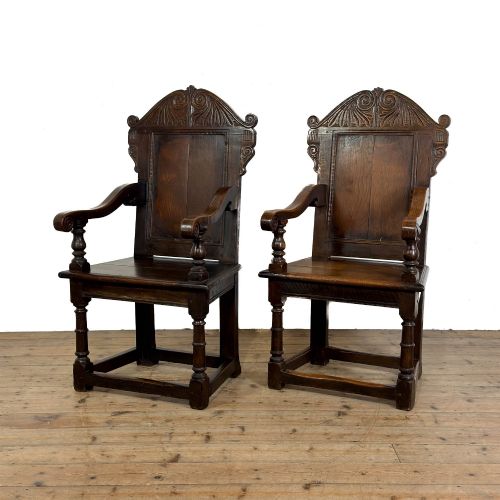
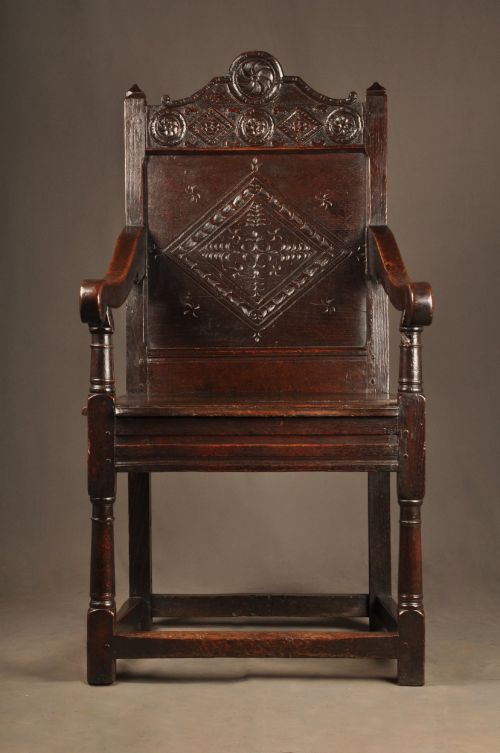
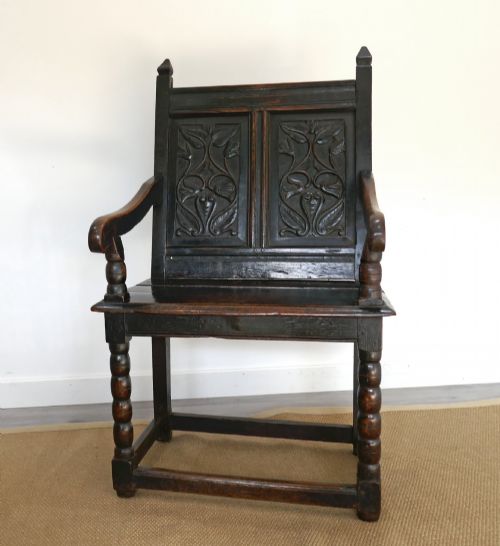
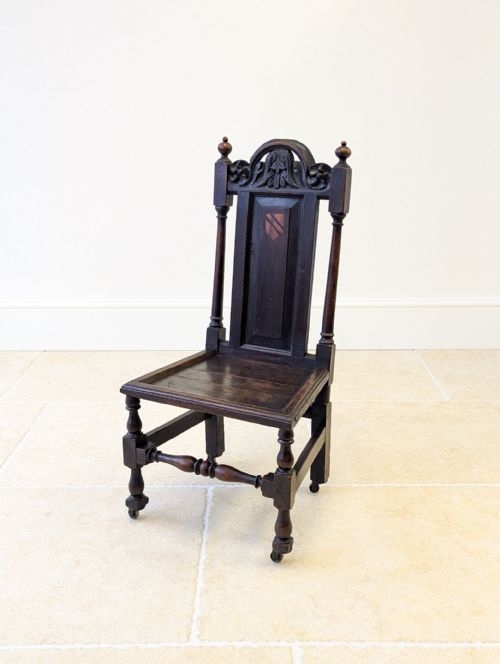
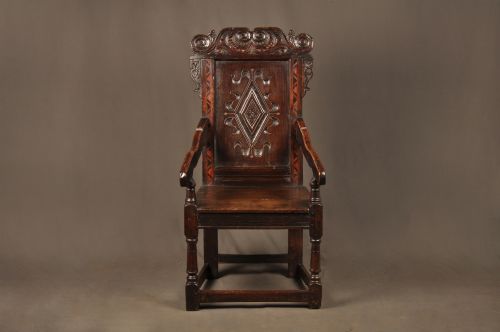
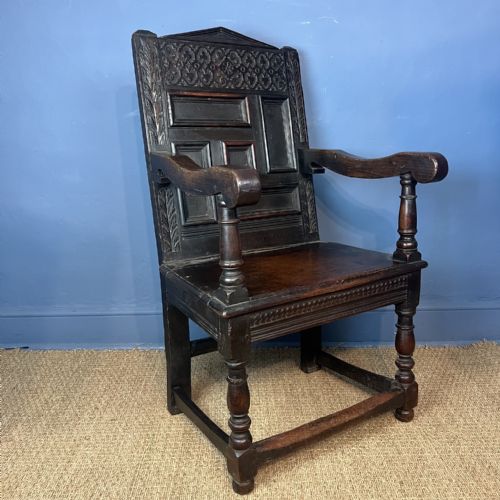
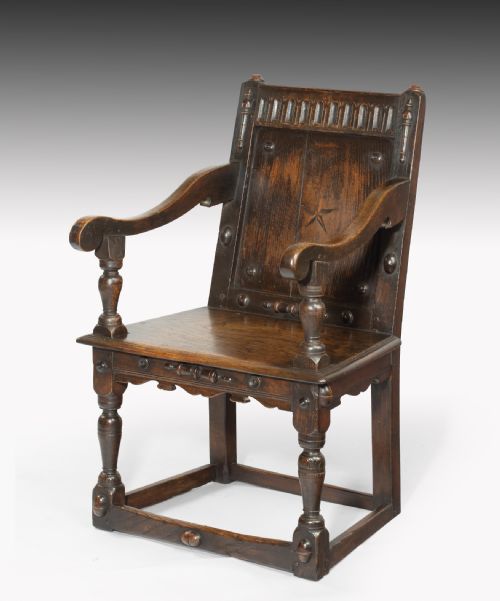
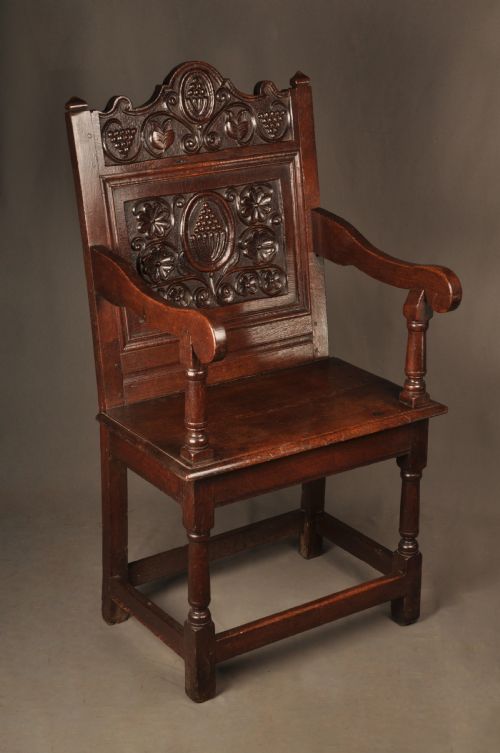
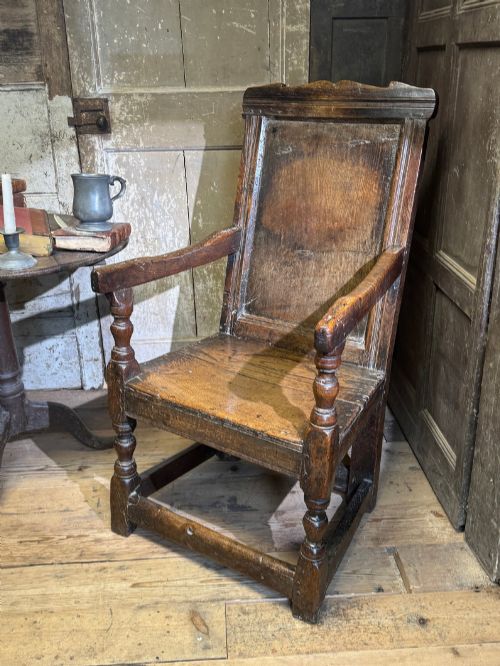
A jacobean oak panel chair typically presents a solid timber construction with a high, flat back panel, sturdy armrests, and a wooden seat. These forms include wainscot armchairs, side chairs, and elbow chairs originating from regional British workshops across the seventeenth century, alongside revival iterations produced during the nineteenth and twentieth centuries.
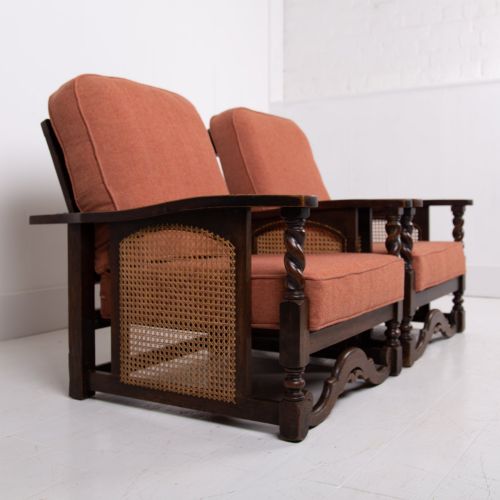
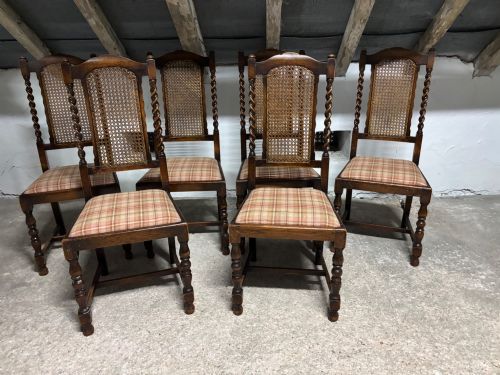
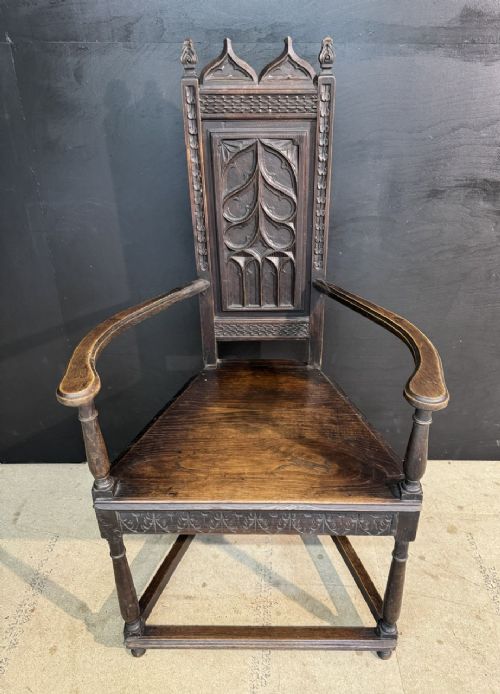
Buyers searching for this phrase encounter genuine seventeenth-century survivals alongside later copies made in the Victorian period and the 1920s or 1930s. The listings demonstrate a heavy concentration of regional pieces, particularly from Yorkshire, Lancashire, and the West Country, alongside revival dining sets and hall chairs.
The practical function of these chairs shifted from high-status household seating in the 1600s to decorative hall furniture and revival dining sets in later eras. Modern placement usually involves entryways, studies, or dining rooms where heavy timber profiles provide architectural weight.
How they were made
Makers relied on solid oak planks, utilising mortise and tenon joints secured by wooden pegs to build rigid frames without metal nails. Panels were set into grooved framework to allow for natural wood movement as humidity changed.
Surface decoration involved gouge carving, chip carving, and occasional wood inlay to ornament the crest rails and back panels. Some pieces incorporate turned legs and stretchers, while later revival examples occasionally add cane inserts, fabric upholstery, or brass fittings.
One determined master armchair evidently required Scottish oak, proving that even seventeenth-century chairs appreciated a scenic relocation north of the border.
What varies in quality
The depth and crispness of the hand carving separate competent regional carpentry from exceptional sculptural work on the crest rails and back panels. Crisp, deeply undercut motifs indicate skilled seventeenth-century execution, whereas shallow or mechanical incisions point to later revival production.
Proportion and timber selection dictate visual balance, with tight-grained heartwood displaying superior figure compared to utility boards. The survival of original framing components without excessive timber replacement preserves the integrity of the piece.
The Jacobean Oak Panel Chair Glossary
- Wainscot chair
- A heavy wooden armchair characterised by a panelled back and solid seat, originating before upholstered seating became common. These pieces formed substantial items of furniture in early seventeenth-century households.
- Joint stool
- A seating form constructed with pegged mortise and tenon joinery rather than turned legs glued into socket joints. The technique provides exceptional rigidity to the frame.
- Crest rail
- The horizontal topmost member of a chair back, frequently carved with scrolls, arches, or initials. It receives the primary visual focus when the chair stands against a wall.
- Stretcher
- The horizontal wooden member connecting the lower legs of a chair to provide structural stability. Early examples typically place these low to the floor near the foot.
- Timber
- Felled trees prepared for construction and carpentry use. In these listings, solid oak serves as the primary material for framing and panelling.
Jacobean Oak Panel Chair: Frequently Asked Questions
How do I spot a real 17th-century chair?
Examine the construction methods, tool marks, and wood ageing visible on the underside and frame joints. Seventeenth-century examples display hand-split or pit-sawn surfaces and pegged joinery without modern adhesives.
Compare the timber colour and wear patterns around the armrests and seat edges with the listed regional styles from Yorkshire or Lancashire. True period pieces show natural wear accumulated over centuries rather than simulated distressing.
Are 19th-century revival chairs valuable?
Nineteenth-century revival pieces represent Victorian and Edwardian interpretations of earlier styles rather than authentic seventeenth-century artefacts. Their interest lies in quality nineteenth-century craftsmanship and period interior design history.
Buyers select these revival items for durability and historic appearance without the museum considerations attached to earlier timber survivals.
Where should I place an oak panel chair?
These chairs suit hallways, studies, or dining rooms where their rigid high backs and dark timber tones create a strong focal point. Avoid placing solid oak furniture near direct heat sources or in fluctuating humidity.
Pairing a wainscot armchair with a plain wall allows the carved crest rail and panel grain to remain visible.