


Jacobean Dresser Base
A jacobean dresser base is a sturdy timber serving surface from the seventeenth century or later revivals, designed to anchor a traditional dining room.
Jacobean Dresser Base
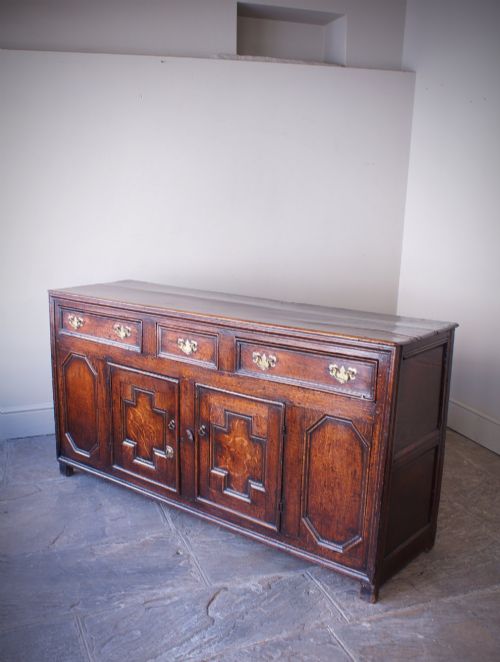
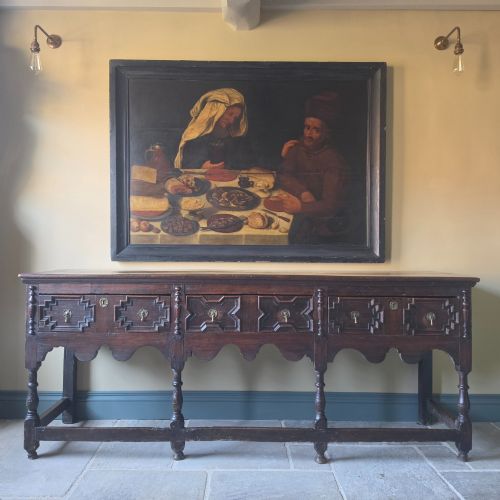
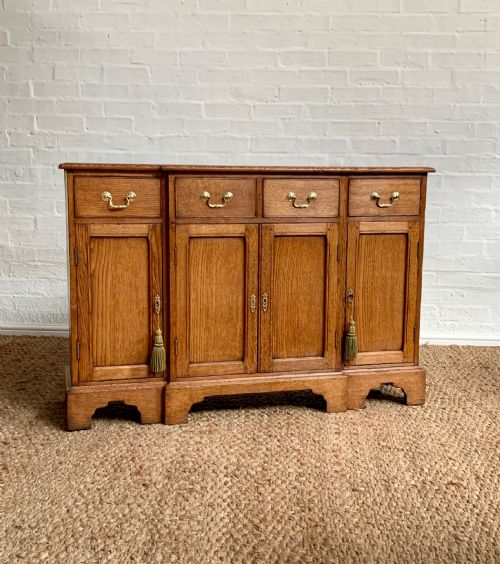
When searching for a jacobean dresser base, buyers encounter substantial low-standing storage furniture intended for domestic service and display. These pieces frequently manifest as long timber boards with drawers or open potboards beneath.
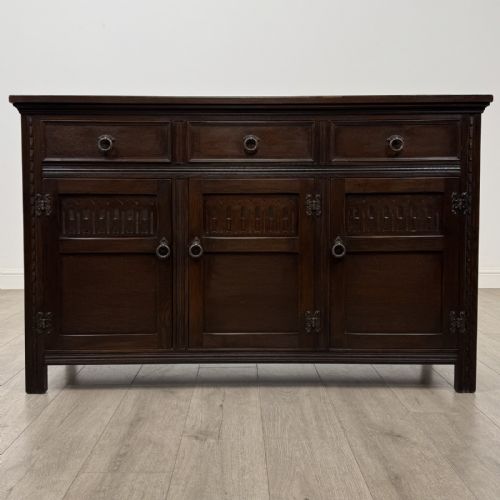
Period examples stretch back to the seventeenth century and the Charles II era, yet buyers meet later interpretations from the nineteenth and twentieth centuries built in revival styles. Oak forms the primary structural foundation across both genuine antique and revival iterations.
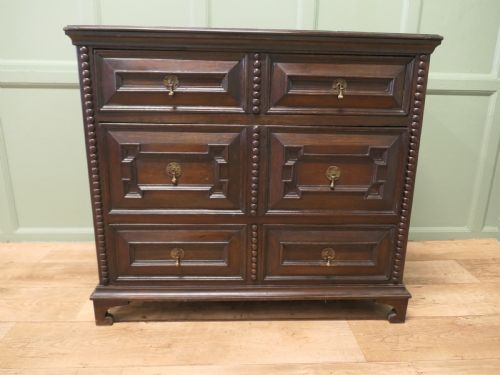
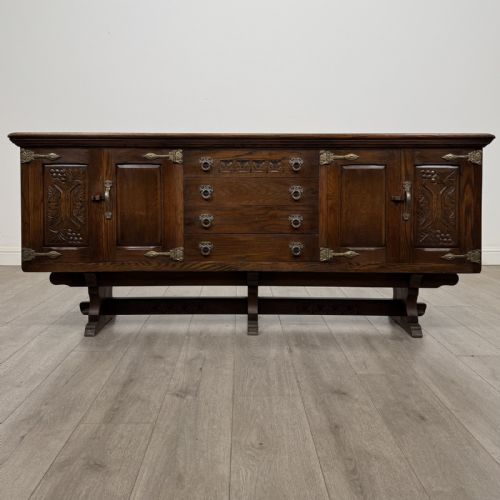
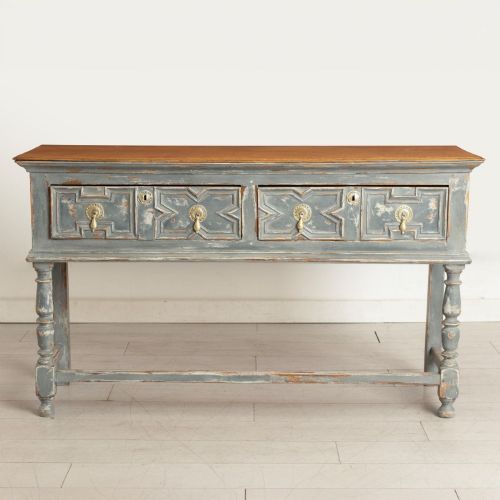
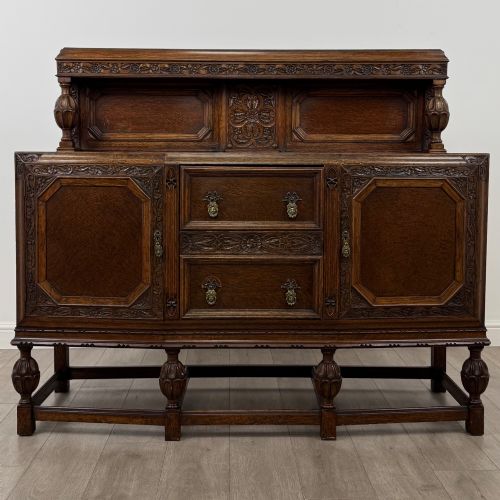
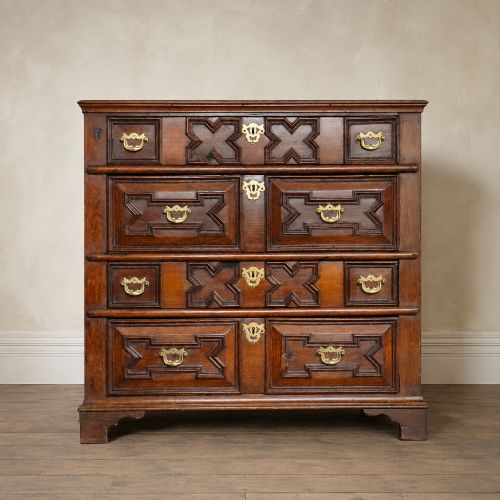
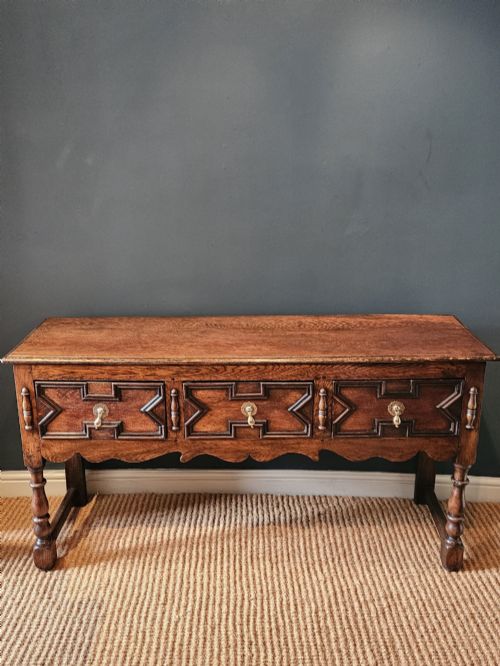
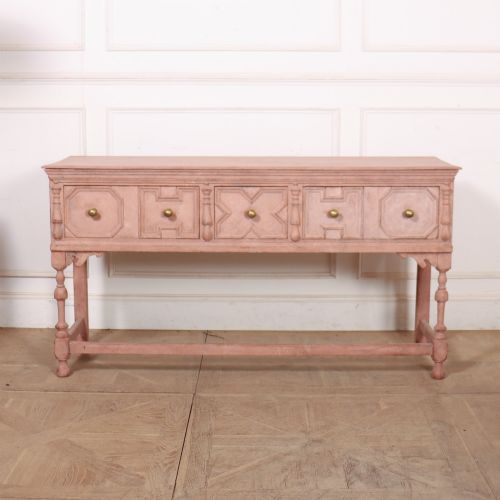
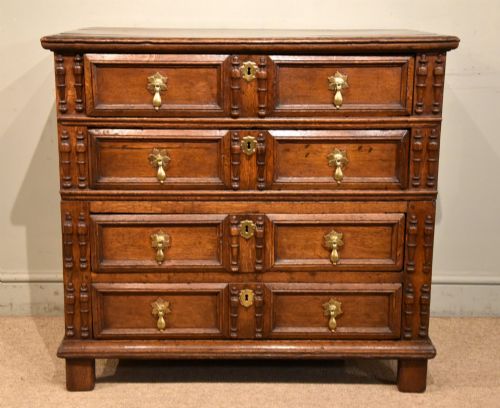
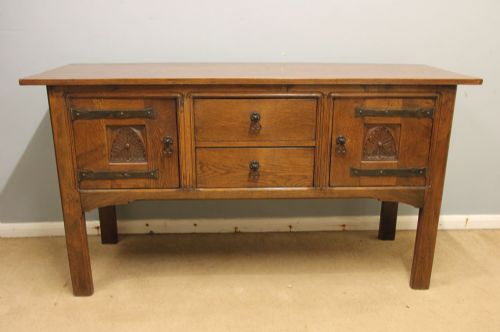
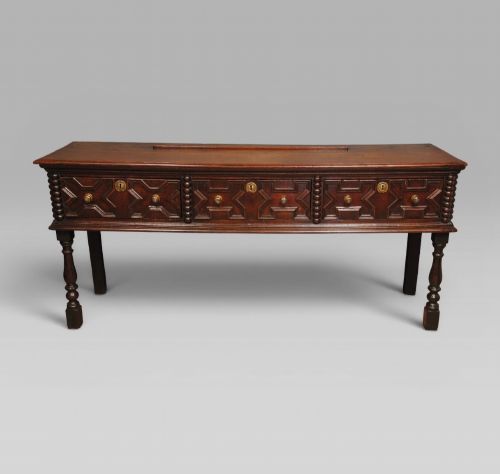
Formations vary between simple geometric moulded drawers and heavily carved surfaces adorned with barley-twist supports. Certain variants incorporate raised galleries or serving tables adapted for dining rooms.
How they were made
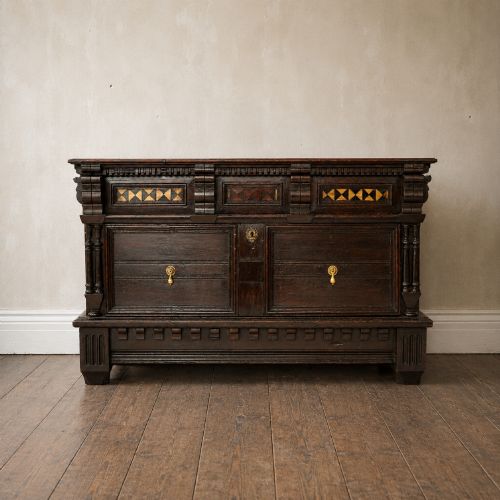
Joiners built these carcass items primarily from solid oak, sometimes combining walnut timber or applying wood inlay for decorative contrast. Panels often relied on pegged frame-and-panel construction to accommodate seasonal timber movement.
Surface ornamentation involved hand-carved mouldings, geometric appliques, and occasional paint finishes applied to the native wood. Turning lathes shaped upright supports such as barley-twist legs, while iron and brass provided functional hardware for handles and hinges.
Jacobean Dresser Base Retail Price Guide 2026
Typical asking prices for jacobean dresser base among the pieces listed under this phrase on Sellingantiques today, from the lower quarter to the upper quarter. They describe what is for sale here now, not the wider market.
Keep an eye out for the occasional Green Man peering through the carved oak foliage.
What varies in quality
The degree of original surface patination separates untouched seventeenth-century examples from heavily restored or later revival pieces. Timber selection dictates longevity, with dense quarter-sawn oak displaying superior figure and structural integrity over plain-sawn boards.
Execution of hand-carved details and applied geometric mouldings reveals the competence of the original maker. Well-preserved drawer linings and honest timber repairs maintain historical integrity far better than modern replacements.
The Jacobean Dresser Base Glossary
- Potboard
- An open lower shelf beneath a dresser base traditionally used for storing pots and serving dishes. This tier provides structural stability to the legs while offering supplementary display space.
- Geometric moulded
- A decorative front featuring applied raised mouldings arranged in geometric patterns such as rectangles or octagons. This technique creates depth and shadow across drawer faces.
- Barley-twist
- A type of turned wooden support resembling a spiralling rope or barley stalk. Craftsmen cut and shaped these distinctive columns on lathes during the seventeenth century and subsequent revival periods.
- Court cupboard
- A heavy enclosed storage cabinet featuring upper and lower sections, often adorned with carved canopies. These sturdy items share joinery techniques with standard dresser bases.
- Quarter-sawn
- A method of milling logs radially to produce timber boards with straight grain lines and prominent medullary rays. This cut minimises board warping and enhances visual appeal in oak furniture.
Jacobean Dresser Base: Frequently Asked Questions
What is a jacobean dresser base?
A jacobean dresser base is a low timber storage unit featuring drawers and sometimes an open lower shelf. These pieces originated in the seventeenth century and served households for food preparation and serving.
Today they function as sideboards in dining rooms or living spaces, offering substantial surface area and deep drawer storage.
How do I date an oak dresser base?
Dating relies on examining construction methods, tool marks, and timber shrinkage. Early seventeenth-century examples show hand-riven wood, pegged joints, and vernacular iron hardware.
Revival pieces from the nineteenth and twentieth centuries typically display uniform machine-sawn timber and standardised fixings beneath the surface.
How were these dressers originally used?
Households utilised these surfaces in kitchens and halls for carving meats, holding dishes, and storing household provisions. The lower potboards kept heavy pottery off damp flagstone floors.
Over centuries their domestic role shifted from utilitarian workspace to formal dining room furniture displaying silver and ceramics.
Are revival pieces considered authentic antiques?
Revival pieces date from later periods such as the Edwardian era or the nineteen-twenties, replicating earlier seventeenth-century styles. While not originating in the seventeenth century, well-made revivals possess age and craftsmanship of their own.
Buyers often choose revival versions for their sturdy construction and availability compared to scarce seventeenth-century originals.
How should I care for old oak?
Maintain old oak furniture by avoiding direct sunlight and maintaining stable room humidity to prevent timber splitting. Regular dusting with a dry cloth preserves the natural wax finish and historic patination.
Avoid silicone-based polishes that seal the wood and attract dust over time.