


Jacobean Carved Oak Bed
When you search for jacobean carved oak bed, you are looking at substantial timber sleeping frames and related storage pieces built with deep relief ornament.
Jacobean Carved Oak Bed
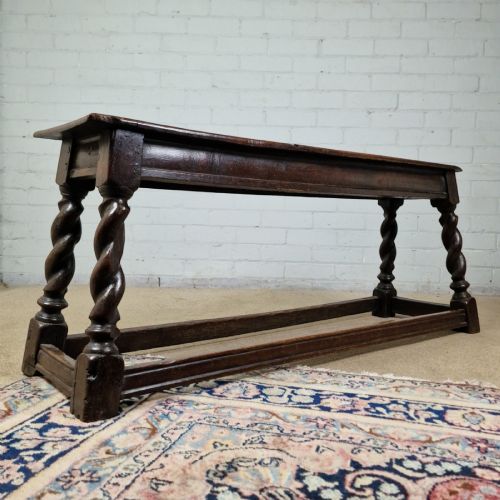
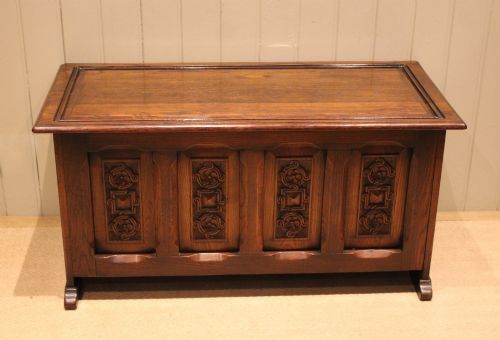
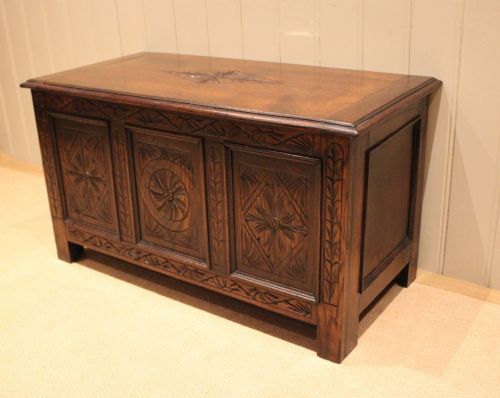
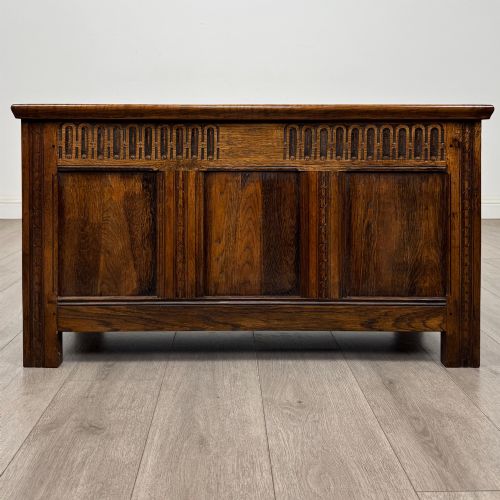
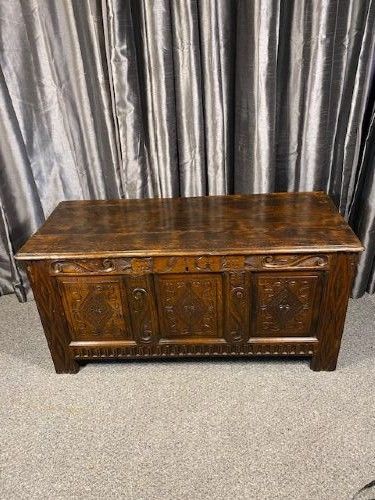
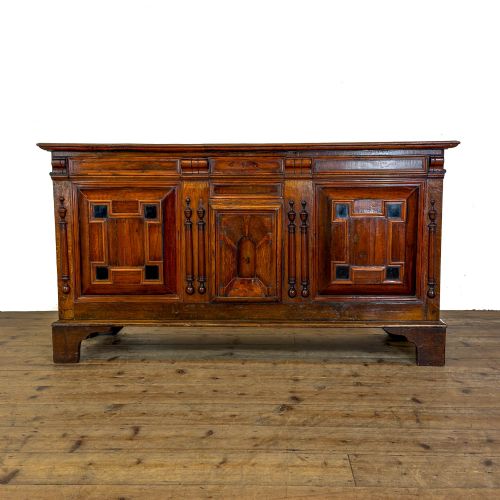
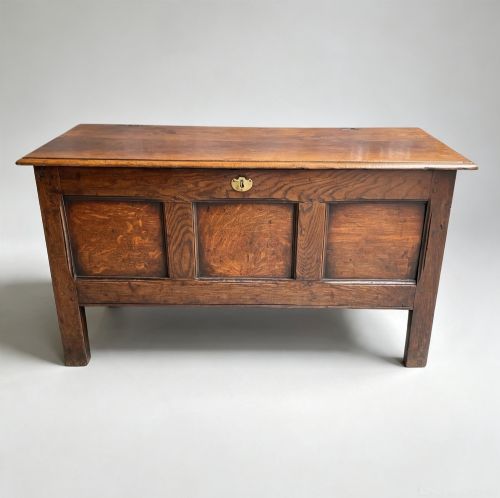
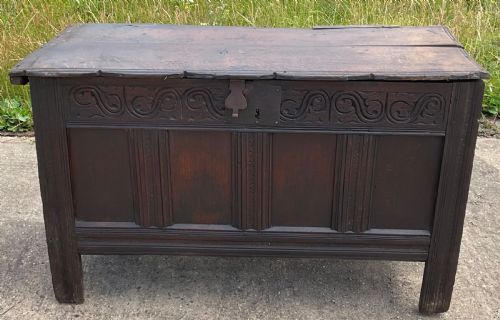
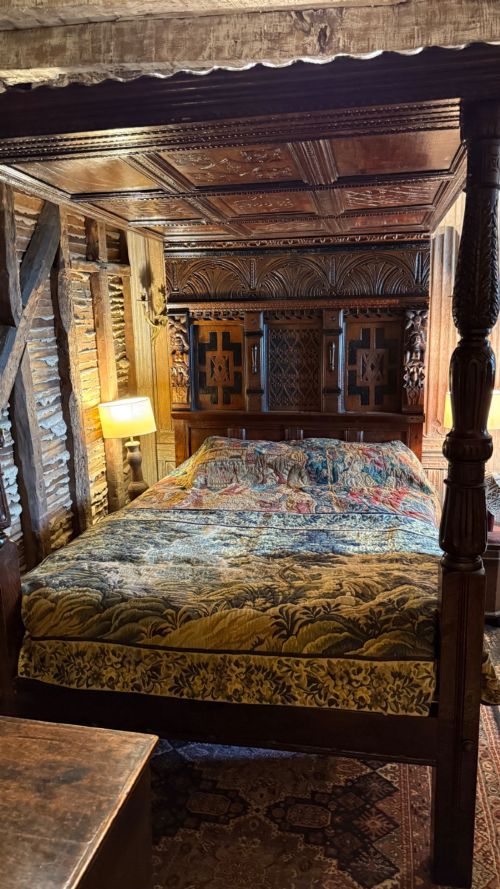
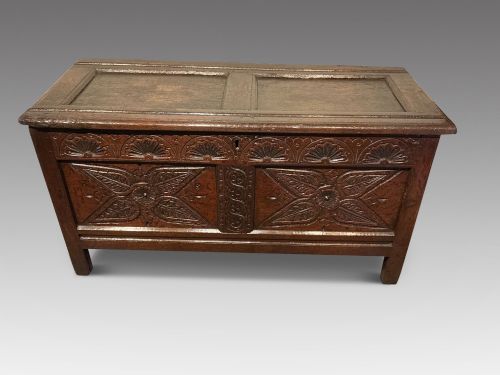
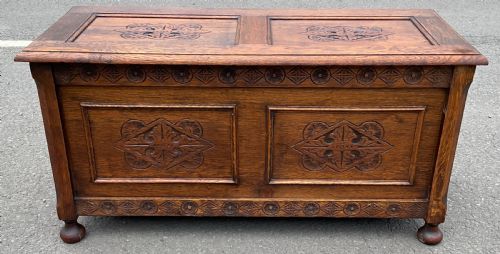
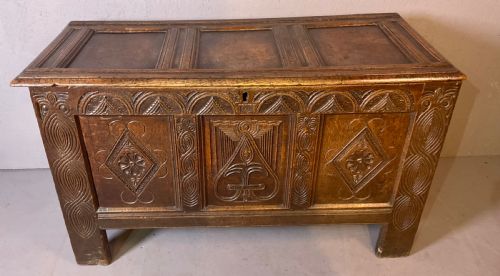
A jacobean carved oak bed encompasses grand four poster tester frames alongside associated storage forms such as coffers, mule chests, and blanket boxes built from heavy local timber. These items span authentic seventeenth century originals through to later revivals produced during the Edwardian era and the twentieth century.
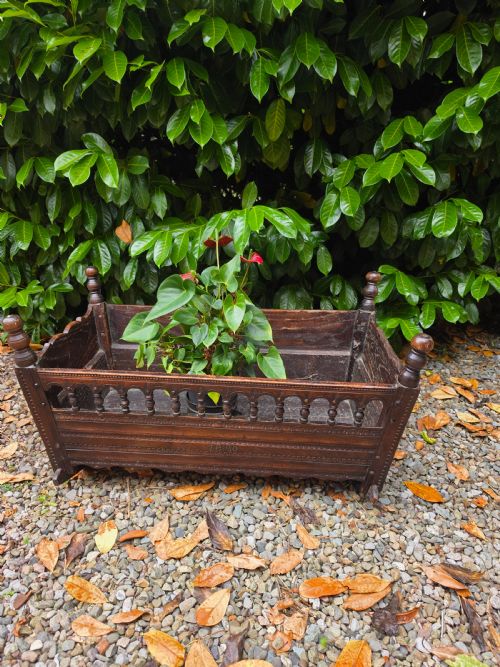
The primary sleeping forms take the shape of full testers and four poster beds designed to accommodate standard double sizes, frequently accompanied by paneled headboards and turned posts. Storage items like carved coffers and cradles share the same heavy timber vocabulary and surface ornamentation seen on the larger beds.
How they were made
Construction relies on solid oak joined by traditional framing techniques, frequently enriched with secondary timbers such as fruitwood or decorative marquetry inlay. Iron and brass hardware appear on chests and cradles, while surfaces sometimes show traces of early paint or ebonised finishes.
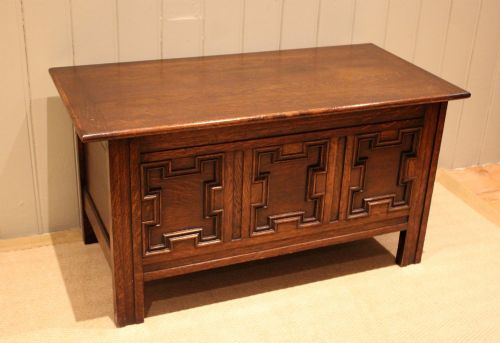
Carving is executed directly into the timber using gouges and chisels to create geometric strapwork, scrolling foliage, and paneled motifs. This relief work defines both the structural posts of the tester beds and the front panels of the storage chests.
What varies in quality
Quality rests upon the crispness and depth of the timber carving, distinguishing masterwork relief from later, shallower interpretations. The integrity of the original joints and the proportion of the timber determine the structural success of each piece.
The presence of period surfaces and untouched timber patination elevates an example above heavily restored items. Cohesion between structural oak and any inlaid decorative elements marks the distinction between standard utilitarian items and finer commissions.
The Jacobean Carved Oak Bed Glossary
- Tester
- The flat wooden canopy or ceiling suspended above a four poster bed, often supported by carved posts. It helps enclose the sleeping space.
- Coffer
- A heavy wooden chest with a hinged lid, used historically for storing valuables and textiles. These often feature paneled fronts and extensive carving.
- Mule chest
- A storage chest fitted with one or more drawers beneath the main lift-top compartment. This form bridges the traditional coffer and the modern chest of drawers.
- Marquetry
- The art of applying small pieces of veneer to a structure to form decorative patterns. Fruitwood inserts are common in these examples.
- Strapwork
- A carved decorative motif resembling intertwined leather bands or ribbons. It forms flat geometric patterns across panels and friezes.
Jacobean Carved Oak Bed: Frequently Asked Questions
How do I care for antique oak furniture?
Keep wooden surfaces away from direct heat sources and sudden humidity changes to prevent the timber from splitting. Feed the dry oak periodically with a traditional wax polish to maintain the finish.
Avoid using modern liquid silicone sprays which can damage the historic surface patination over time. A soft lint-free cloth is sufficient for routine dusting.
Will a vintage four poster bed fit a modern mattress?
Many surviving four poster frames are proportioned for standard double or five-foot mattress dimensions. Check the internal span between the side rails before purchasing.
Some historical frames require custom mattress sizing to fit snugly within the corner posts. Consult the specific measurements provided in each listing.
How do I distinguish seventeenth century work from later revivals?
Original period pieces show authentic tool marks, hand-split timber characteristics, and structural wear consistent with centuries of use. Later revival pieces built in the twentieth century often display uniform machine milling and different joint construction.
Examine the underside and interior boards for secondary woods and fastener types that indicate the era of manufacture. Patination built up through generations of handling also helps signal true age.
What is the difference between a coffer and a mule chest?
A traditional coffer opens only from the top via a hinged lid and serves as a simple trunk for storage. These items form the bulk of early domestic storage.
A mule chest incorporates one or more drawers at the base beneath the main storage well, offering easier access to smaller items without lifting the lid. This hybrid form developed to combine box storage with drawer convenience.