
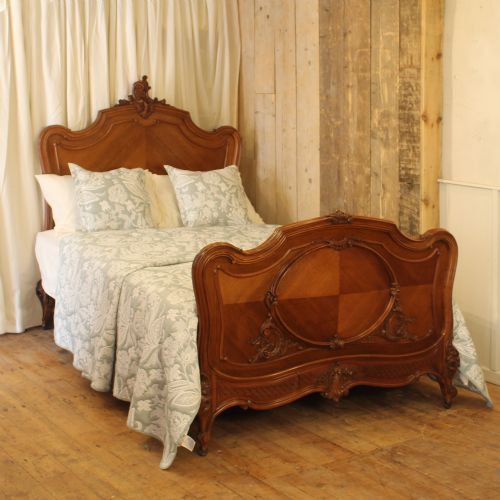
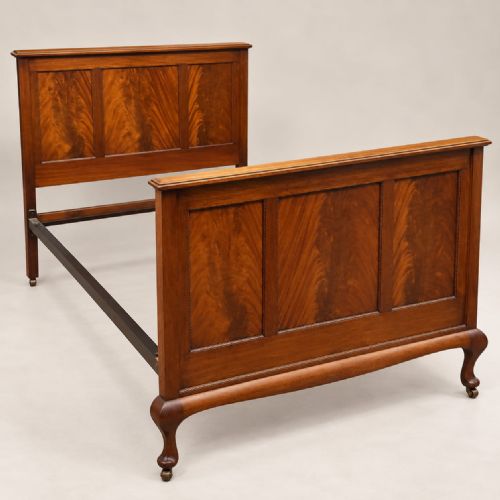

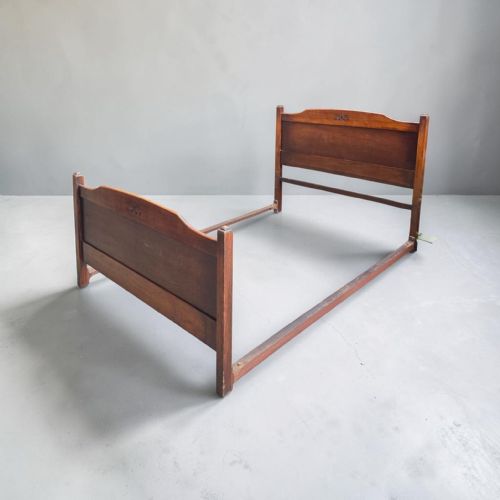


Carved Panelled Headboard Bed
These carved panelled headboard bed frames bring substantial timber architecture and detailed woodwork straight into the bedroom.
Carved Panelled Headboard Bed
A carved panelled headboard bed forms the architectural centrepiece of a traditional bedroom, combining structural timber with deep relief carving and recessed panels. When you search for a carved panelled headboard bed, you are looking at substantial wooden furniture that relies on historic joinery rather than modern upholstery to create its presence.
The pieces appearing on this page span several distinct periods, including Edwardian, Victorian, and seventeenth century designs alongside items from nineteen hundred and nineteen twenty. You will encounter various formats ranging from standard double beds and small doubles to king sized and emperor frames.
Most examples lean towards robust oak and walnut constructions, though you will also find mahogany, satinwood, and ash variations. Regional interpretations stretch from classic English vernacular work to French Rococo, Breton, and Henri II styles.
Materials and construction
These bedframes rely primarily on solid hardwoods like oak, walnut, and mahogany, shaped through traditional framing and panel construction. Timber movement is accommodated by floating panels set within grooved stiles and rails.
Carved decoration is worked directly into the solid wood or applied as fruitwood inlay, creating surface depth across the headboards and footboards. Secondary materials such as cane, brass, and painted leather occasionally appear alongside walnut veneer and satinwood elements.
The listings span multiple centuries, ranging from seventeenth century oak tester beds to early twentieth century Edwardian and walnut frames.
Factors that separate the grades
The quality of a bedframe rests upon the depth and crispness of the hand carving, where sharper chisel work and balanced composition distinguish superior joinery from simpler production. Heavier gauges of solid timber and dense grain patterns elevate the architectural presence of the piece.
Integrity of construction and original hardware contribute significantly to the standing of a frame, particularly how cleanly the side rails lock into the headboard and footboard. The choice of primary timber, such as figured walnut or early seventeenth century oak, dictates the desirability of the piece.
The Carved Panelled Headboard Bed Glossary
- Tester bed
- A bed featuring a wooden canopy supported by posts over the sleeping area. This structural ceiling framework often includes panelled woodwork above.
- Stile and rail
- The vertical and horizontal members that frame a recessed wooden panel. This traditional joinery method allows timber to expand and contract without splitting.
- French Breton
- A regional stylistic tradition originating from northwest France, characterised by heavy regional carving and enclosed sleeping compartments. These pieces utilise robust native timbers.
- Henri II style
- A nineteenth century revival movement drawing on sixteenth century French Renaissance architecture. It employs prominent architectural cornices and deep symmetrical carvings.
Carved Panelled Headboard Bed: Frequently Asked Questions
Will an antique bed fit standard mattresses?
Many older bedframes predating modern sizing standards require custom mattress dimensions to fit the internal rails correctly. It is essential to check the specific width and length between the side timbers before ordering.
Some frames accommodate standard modern sizes with minor adjustments to the slat system. Consulting the specific internal measurements listed for each piece ensures a proper fit.
How do I assemble these wooden frames?
Most traditional bedframes utilise iron bed bolts or mortise and tenon connections to secure the side rails to the headboard and footboard. You will need basic hand tools and an assistant to support the heavy timber components during assembly.
Care must be taken not to overtighten iron fixings into aged wood. Ensuring the frame rests squarely on an even floor prevents strain on the original joints.
How do I care for antique timber beds?
Maintain the wood by dusting with a dry, soft cloth and applying a traditional beeswax polish occasionally to nourish the surface. Avoid placing wooden furniture near direct heat sources or strong sunlight to prevent the timber from splitting.
Check the stability of joints and fixings periodically as ambient humidity changes throughout the year. Gentle upkeep preserves the original patina built up over generations.
How do I identify seventeenth century oak beds?
Seventeenth century pieces display distinctive peg joinery, hand-riven oak surfaces, and characteristic tool marks left by early pit saws and chisels. The proportions are typically heavy and sturdy, reflecting vernacular construction methods of the period.
Decoration often includes geometric mouldings, strapwork, and chip carving rather than the refined veneers seen in later centuries. Examining the underside and inner framing reveals the authentic age of the construction.