



Ivory Wool Tribal Rug
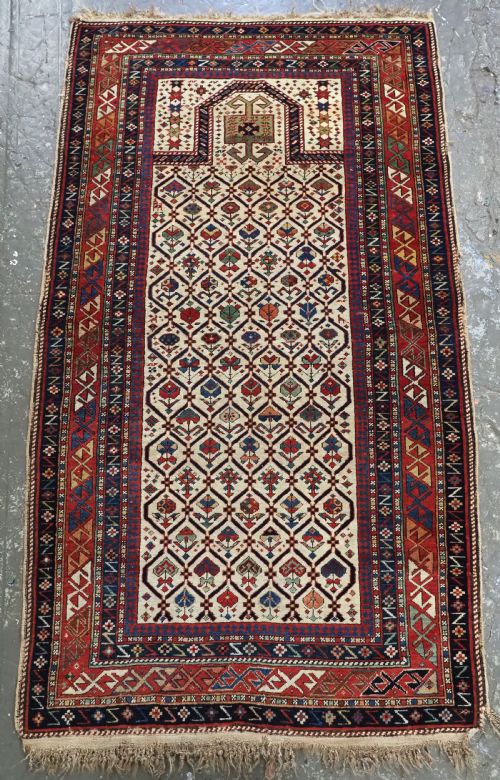
An ivory wool tribal rug brings centuries of nomadic artistry and resilience into a modern interior through its pale ground and rich botanical or geometric motifs.
Ivory Wool Tribal Rug
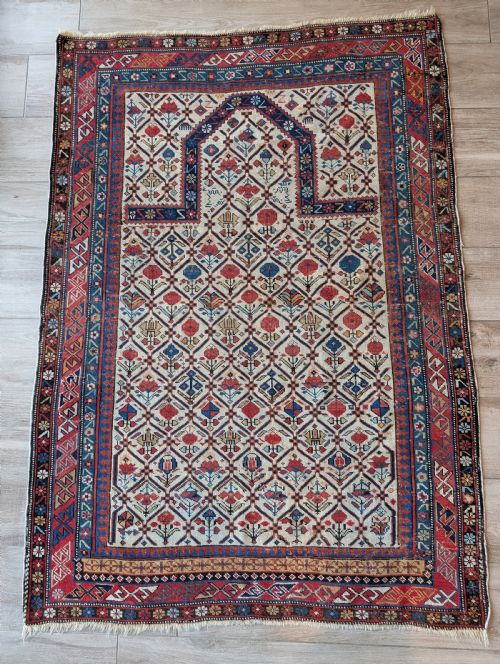
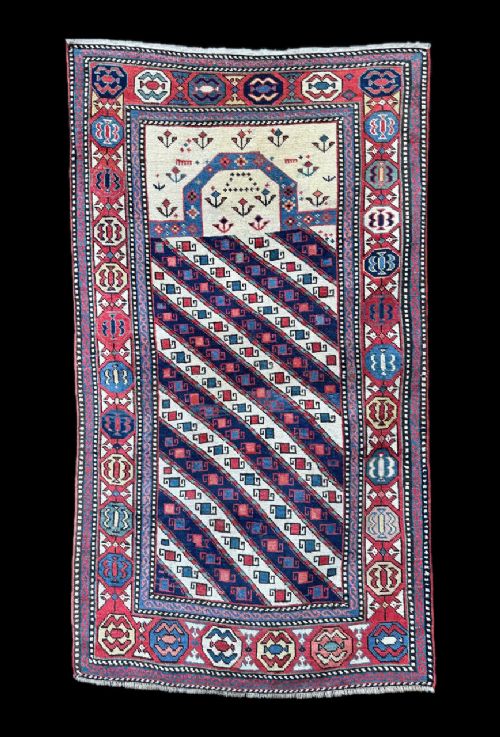
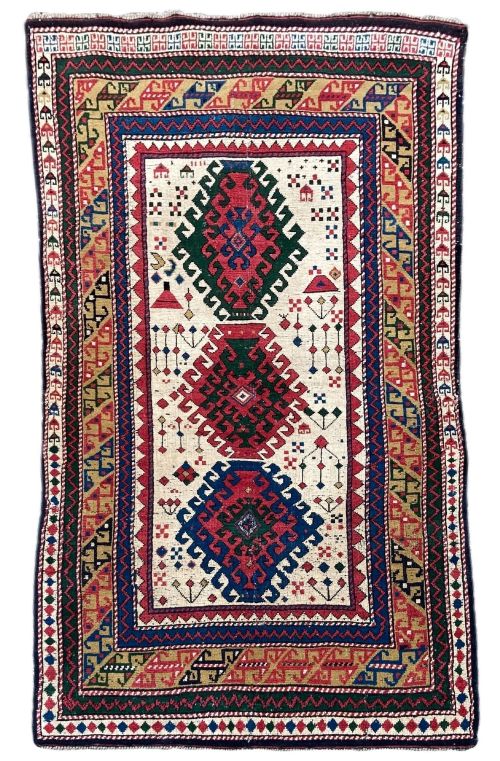
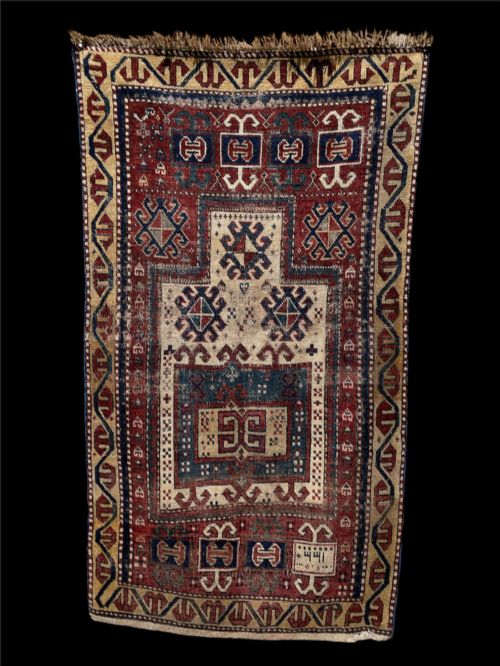
An ivory wool tribal rug represents the handiwork of village and nomadic weavers from regions including Persia, the Caucasus, and Anatolia. These textiles function as functional floor coverings, prayer mats, or storage faces produced by specific tribes and confederations.
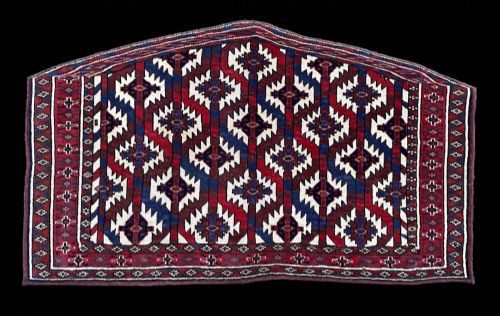
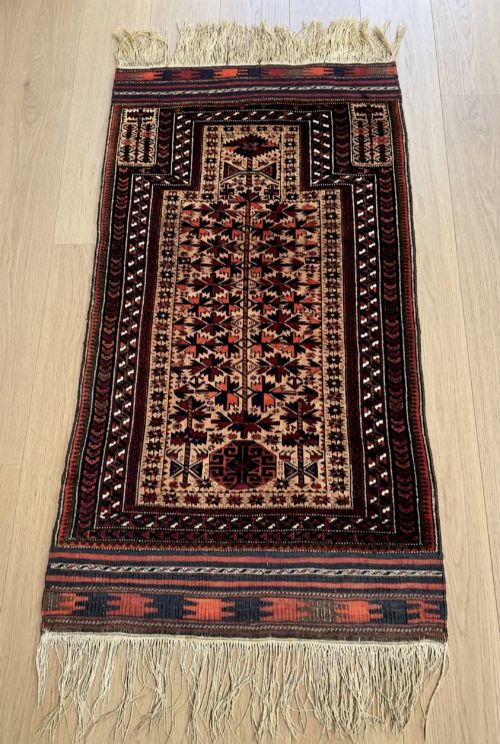
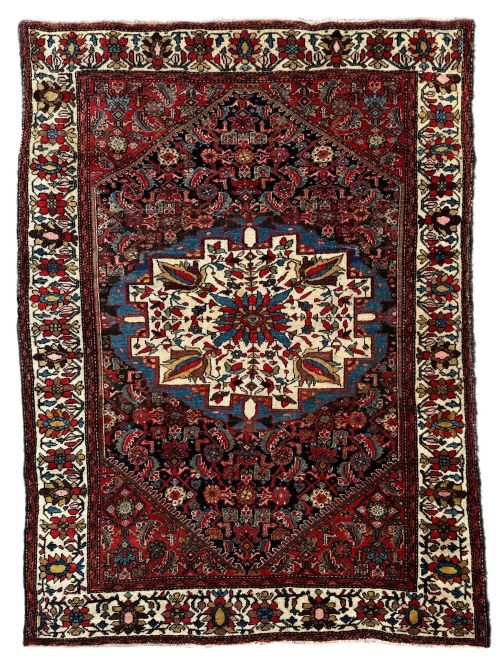
The selection centres on pieces featuring pale or creamy undyed wool foundations paired with distinct regional geometry. Buyers encounter formats ranging from compact village rugs and prayer rugs to elongated runners and torba faces.
Originating predominantly across the nineteenth and early twentieth centuries, these works display traditional motifs such as floral lattices, star medallions, and stylized animal forms. Each weave reflects the distinct aesthetic vocabulary of makers from specific tribal territories.
Materials and construction methods
The construction relies fundamentally on sheep's wool, utilised for both the pile and the structural foundations alongside cotton. Weavers spun this material by hand to create durable yarns capable of sustaining decades of heavy domestic use.
Natural dyes provide the varied colour palette seen across the patterns, anchoring the neutral ivory grounds with deeper tones derived from plant and mineral sources. Artisans knotted these hand-spun yarns onto vertical or horizontal looms according to ancient village and tribal traditions.
Ivory Wool Tribal Rug Retail Price Guide 2026
Typical asking prices for ivory wool tribal rug among the pieces listed under this phrase on Sellingantiques today, from the lower quarter to the upper quarter. They describe what is for sale here now, not the wider market.
The listings feature rugs and carpets spanning the nineteenth century through the 1930s, utilising hand-spun wool, cotton, and natural dyes.
Evaluating craftsmanship and execution
Quality rests heavily on the handling of the wool and the precision of the knotting within each design. Finer specimens display a tighter weave and superior tension, which preserves the crispness of linear details like floral lattices and star medallions.
The clarity of the natural dyes and the consistency of the hand-spun pile dictate the visual impact of the pale ground. Masterful execution ensures that the structural integrity matches the complexity of the tribal iconography.
The Ivory Wool Tribal Rug Glossary
- Prayer rug
- A small mat featuring a mihrab or arch design intended for ritual daily prayers. These pieces often display directional motifs pointing toward Mecca.
- Torba
- A small storage bag or trapping produced by Turkmen tribes, featuring horizontal formats designed for tent decoration. They frequently showcase specialised gul patterns or curled leaf designs.
- Medallion
- A central ornamental motif dominating the field of the textile. These can take geometric, star, or diamond configurations depending on the weaving tradition.
- Latchhook
- A geometric ornament featuring stepped edges resembling hooks, commonly outlining borders and medallions in Caucasian and tribal village weaving.
- Boteh
- A stylized almond or paisley motif representing a floral shoot or cypress tree. This ancient symbol appears frequently across Persian and Kurdish runners and rugs.
Ivory Wool Tribal Rug: Frequently Asked Questions
How do I care for an old wool rug?
Vacuum gently without a beater bar and keep the textile away from direct sunlight to protect the natural dyes.
Professional cleaning by specialists familiar with antique textiles ensures the hand-spun wool remains resilient over time.
Where were these tribal rugs made?
Weavers produced these pieces across various nomadic and village territories including the Caucasus, Anatolia, and Persia.
Specific tribes such as the Qashqa'i, Tekke Turkmen, and Kurdish groups created distinct designs tied to their geographic regions.
What does an ivory ground signify?
An ivory ground indicates the use of undyed white or light cream wool for the main field of the rug.
This pale background provides high contrast for the colourful geometric and floral motifs woven by the nomads.
How can I tell different tribal designs apart?
Design elements like star medallions, curled leaves, and specific border arrangements point directly to particular tribal workshops.
Regional palettes and structural traits further distinguish Caucasian pieces from Anatolian or Persian village work.