


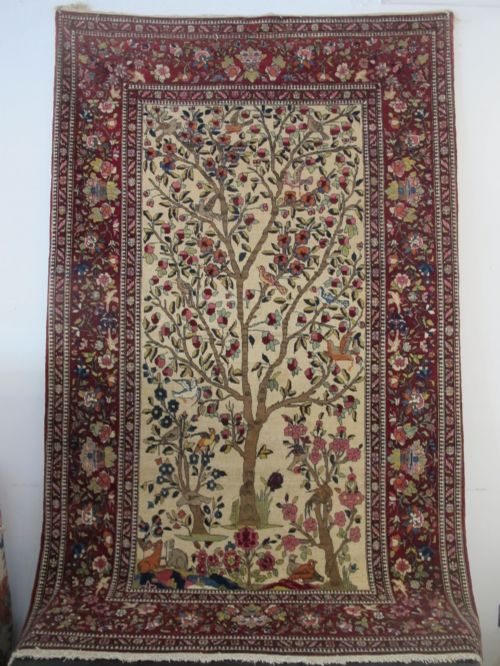
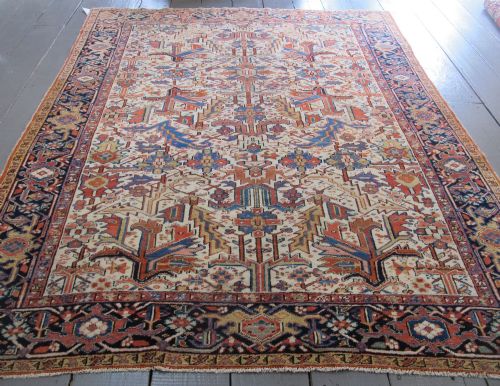

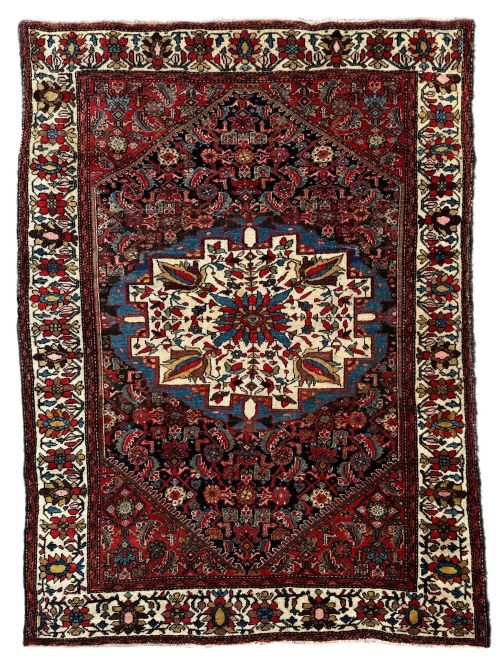
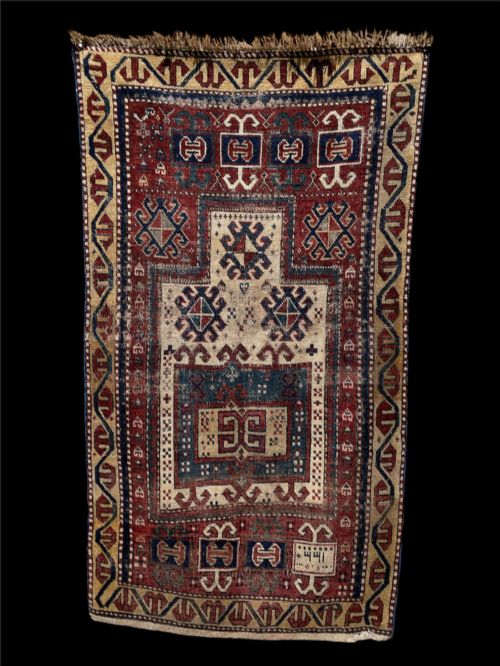


Ivory Wool Oriental Carpet
An ivory wool oriental carpet brings structure and warmth to a room through traditional Persian and Caucasian weaving traditions.
Ivory Wool Oriental Carpet
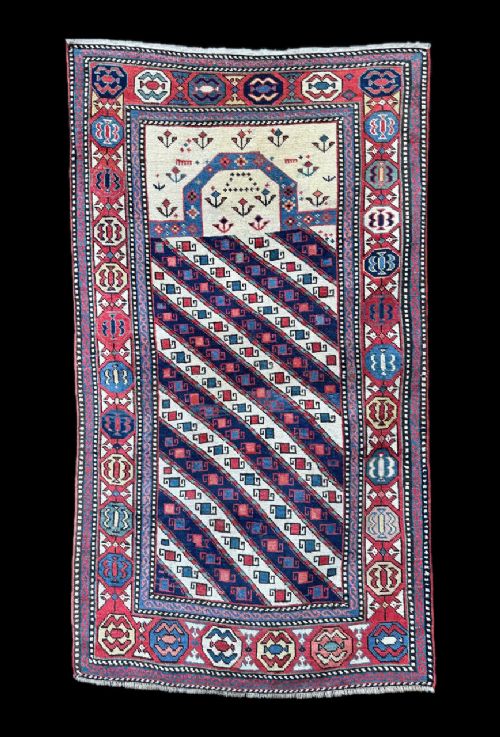
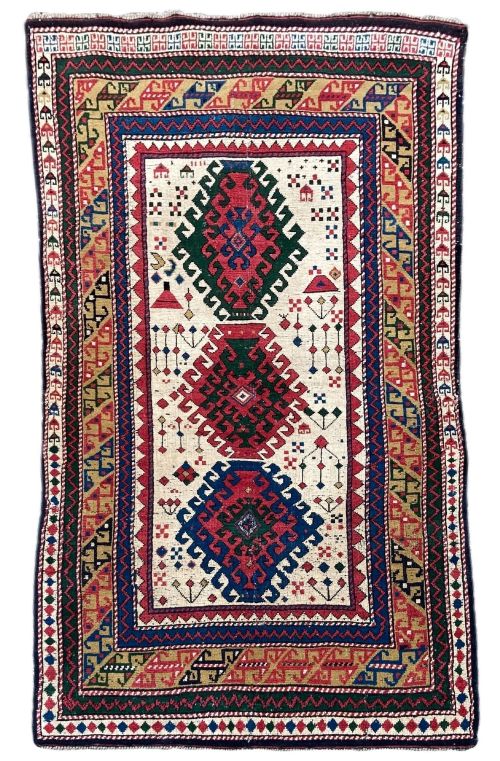
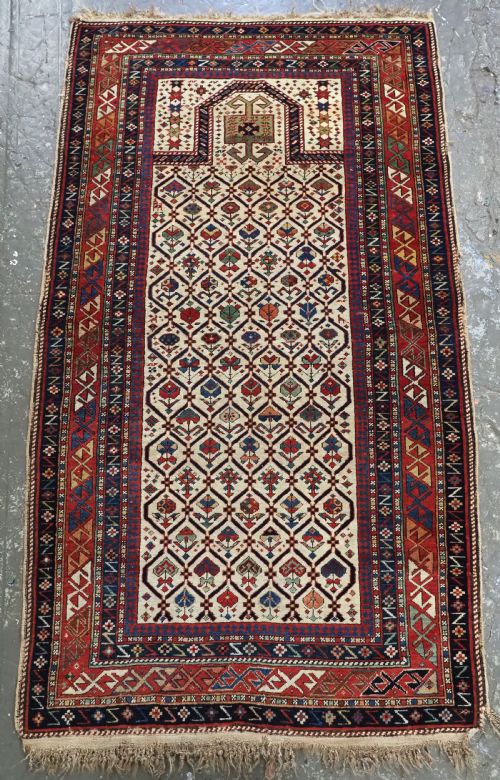
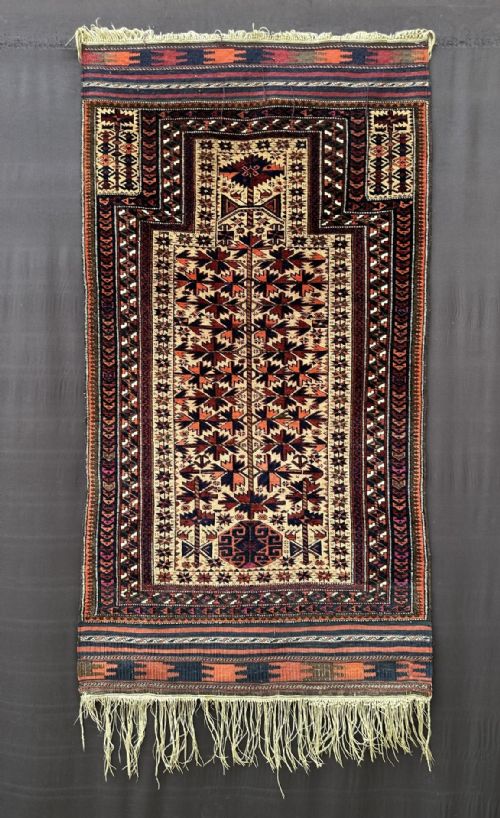
An ivory wool oriental carpet represents centuries of weaving tradition originating from Persia, the Caucasus, and Anatolia. These floor coverings and wall hangings span periods from the nineteenth century into the early twentieth century, taking the form of large carpets, area rugs, prayer rugs, and runner rugs.
The selections available here emphasise pale neutral backgrounds, specifically ivory ground examples from origins such as Heriz, Mahal, Shiraz, and various tribal groups. Buyers encounter village productions alongside city workshop pieces, each displaying distinct regional patterns and formats.
Materials and construction methods
The foundation of these pieces relies primarily on wool, occasionally paired with cotton warps and wefts, while select examples incorporate silk highlights. Natural dyes provide the palette, yielding stable tones that soften gracefully over decades of use.
Weavers knot the pile by hand onto sturdy foundations, creating dense structures designed to withstand daily foot traffic. Regional variations dictate whether the weaver employed symmetrical or asymmetrical knots to achieve the characteristic geometric or floral designs.
Ivory Wool Oriental Carpet Retail Price Guide 2026
Typical asking prices for ivory wool oriental carpet among the pieces listed under this phrase on Sellingantiques today, from the lower quarter to the upper quarter. They describe what is for sale here now, not the wider market.
Certain antique carpets feature stray animal hairs spun directly into the wool, reminding us of the flocks past.
Judging the execution and condition
Knot density and the precision of the design execution set individual pieces apart, reflecting the skill of the weaver or the workshop. Finer knot counts allow for intricate rendering of floral lattices and medallions.
The integrity of the pile, the retention of original border guards, and the condition of the selvedges determine the preservation state. Consistency in natural dye saturation across the ivory ground indicates careful preparation of the materials before weaving.
The Ivory Wool Oriental Carpet Glossary
- Prayer rug
- A small rug featuring a mihrab or arch design at one end, traditionally used for daily prayers. These formats often display specific regional iconography.
- Medallion
- A central ornamental motif placed in the middle of the field, common in Persian and Anatolian carpets. It serves as the focal point of the composition.
- Warp
- The vertical threads stretched lengthwise on the loom before weaving begins. The pile knots are tied around these foundational elements.
- Weft
- The horizontal threads passed through the warps after each row of knots to secure the structure. They contribute to the rigidity and drape of the textile.
- Natural dye
- Colouring matter derived from plants, insects, or minerals rather than synthetic compounds. These substances produce nuanced hues that age with distinct character.
- Selvedge
- The reinforced outer edges of a rug running parallel to the warp threads. Proper finishing prevents the sides from fraying.
Ivory Wool Oriental Carpet: Frequently Asked Questions
How do I clean an old wool rug?
Professional dusting and gentle washing by specialists familiar with antique textiles preserve the wool pile and natural dyes.
Avoid harsh chemical treatments and excessive water immersion, which weaken the cotton foundations and cause colour migration.
Can I place these carpets in high traffic areas?
Sturdy wool construction allows these rugs to handle regular movement when protected by a quality underlay.
Rotating the piece periodically ensures even wear across the surface over years of daily use.
What causes an ivory ground to yellow?
Natural ageing of unbleached wool combined with exposure to dust and atmospheric pollutants alters the tone of pale fields.
Gentle professional cleaning removes accumulated particulate matter and restores the clarity of the ivory wool.
How do I identify a tribal rug from a city carpet?
Tribal pieces display spontaneous geometric motifs, asymmetrical details, and thicker wool woven on simpler looms by nomadic or village weavers.
City carpets rely on precise cartoons, symmetrical floral layouts, and refined knotting executed in urban workshops.