



Ivory Ceramic Sculpture
These ivory ceramic sculpture pieces bring tactile warmth and classical elegance to any interior through delicate porcelain and soft blush glazes.
Ivory Ceramic Sculpture
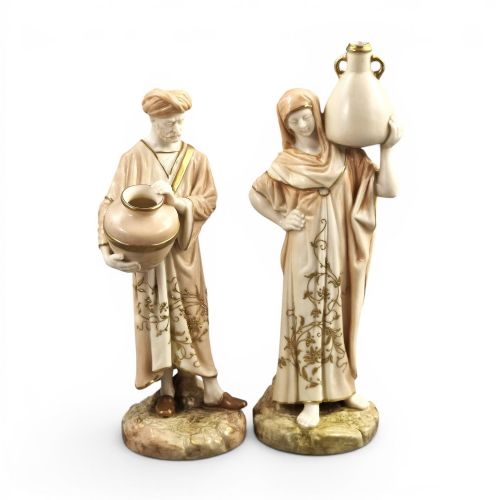
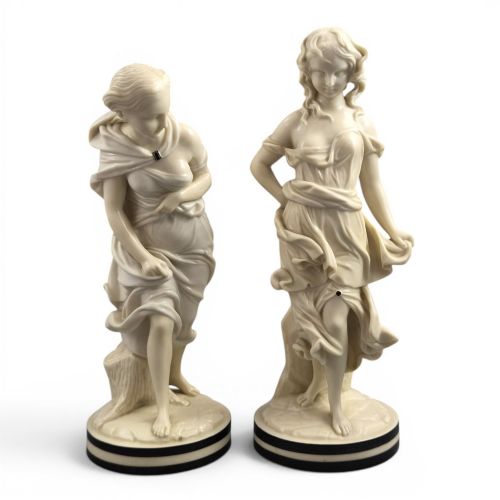
When you search for ivory ceramic sculpture, you encounter figures, figurines, statuettes, and jardinieres originating primarily from the Victorian and Edwardian eras. These pieces span classical revivals, orientalism, Art Nouveau, and Art Deco styles, capturing human forms and narrative scenes.
The version you are most likely to meet on this page is a porcelain figure or figurine from English production, often featuring blush ivory glaze or polychrome and gold leaf highlights.
Factors of quality
The distinction between tiers rests upon the crispness of the modelling in the porcelain and the subtlety of the hand-painted enamel work. Superior examples retain fine details in fingers, facial expressions, and garments without blurring from the glaze.
Quality also depends on the preservation of delicate gilt highlights and the complexity of the sculptural composition, such as multi-figure groups or intricate botanical and architectural bases.
Ivory Ceramic Sculpture Retail Price Guide 2026
Typical asking prices for ivory ceramic sculpture among the pieces listed under this phrase on Sellingantiques today, from the lower quarter to the upper quarter. They describe what is for sale here now, not the wider market.
The selection includes sculptural jardinieres and figurative subjects such as water carriers, musicians, and flapper girls.
Royal Worcester·James Hadley·Royal Dux
The Ivory Ceramic Sculpture Glossary
- Blush ivory glaze
- A soft, creamy ceramic finish developed to resemble elephant ivory, often tinted with subtle peach and yellow undertones.
- Parian ware
- A fine-grained, unglazed porcelain resembling white marble, frequently utilised for nineteenth-century busts and sculptural figures.
- Shot enamel
- A specialised surface treatment where colours shift depending on the angle of light, seen on select decorative figures.
- Jardiniere
- An ornamental ceramic pot or stand designed to hold large plants or floral arrangements within domestic interiors.
Ivory Ceramic Sculpture: Frequently Asked Questions
What is an ivory ceramic sculpture?
It is a moulded and glazed porcelain or Parian figure designed for decorative display in domestic interiors during the nineteenth and early twentieth centuries.
These sculptures depict human subjects ranging from classical maidens to musicians and dancers, finished in soft tones.
How do I clean an antique porcelain figure?
Dust the surface gently with a soft, dry brush to prevent accumulation in the crevices of the modelling and delicate glaze.
Avoid using water, chemical cleaners, or abrasive cloths, as these can damage the hand-painted enamel and gold leaf details.
How are Victorian figures dated?
Dating relies on maker marks, registration numbers stamped into the porcelain base, and stylistic cues from the specific period of manufacture.
Certain models also bear artist signatures or specific pattern numbers that correspond to factory production records.
Where should I display these figurines?
Place them on stable surfaces away from direct sunlight, heavy foot traffic, and areas prone to extreme temperature fluctuations.
Enclosed cabinets or mantelpieces provide ideal settings that showcase the fine modelling while protecting the fragile ceramic limbs.