
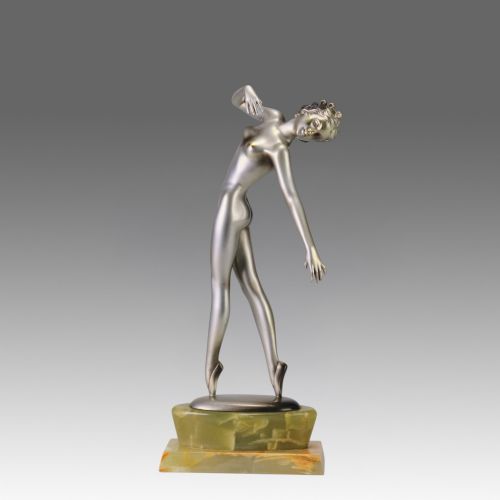
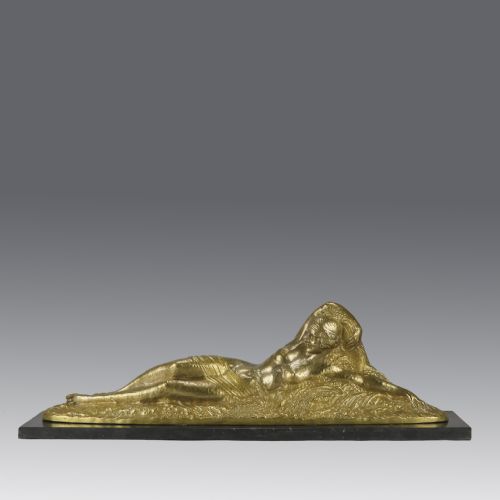


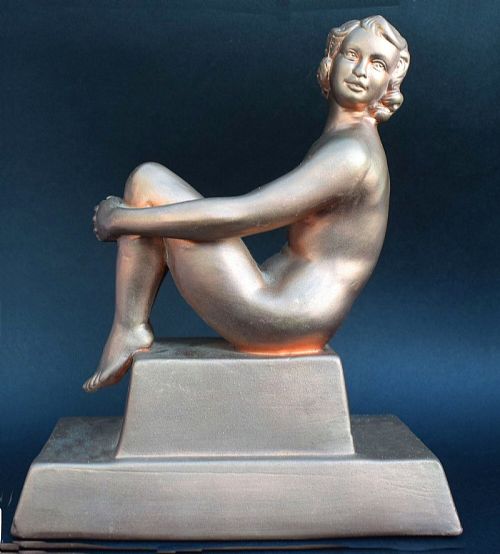


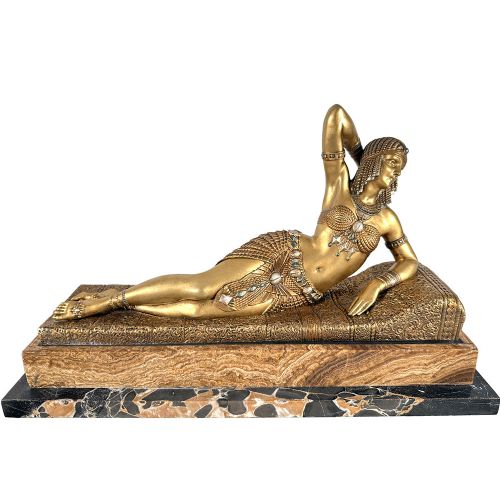
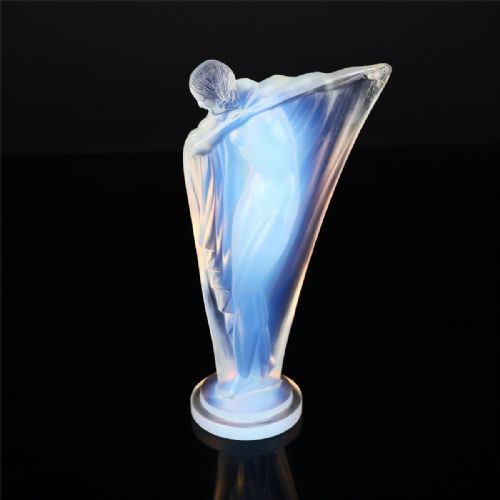


Antique Female Nude Figurine
An antique female nude figurine captures the human form through metal, stone and ceramic, bringing enduring sculptural grace to interiors.
Antique Female Nude Figurine
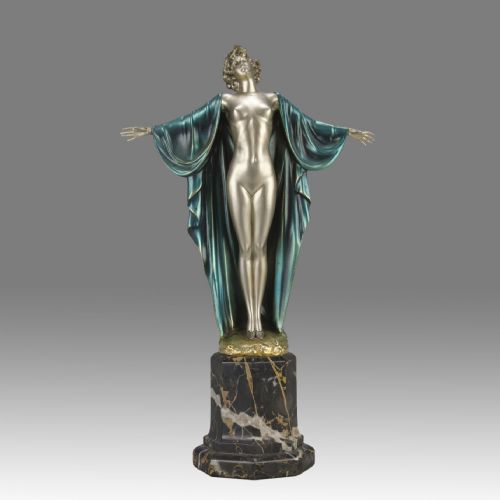
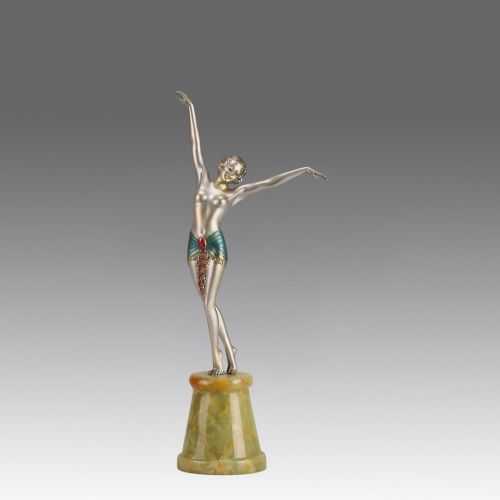
An antique female nude figurine encompasses tabletop sculptures, desk accessories and lighting components produced across the nineteenth and twentieth centuries. These works reflect prevailing artistic movements including Art Deco, Art Nouveau and Neoclassical styles.
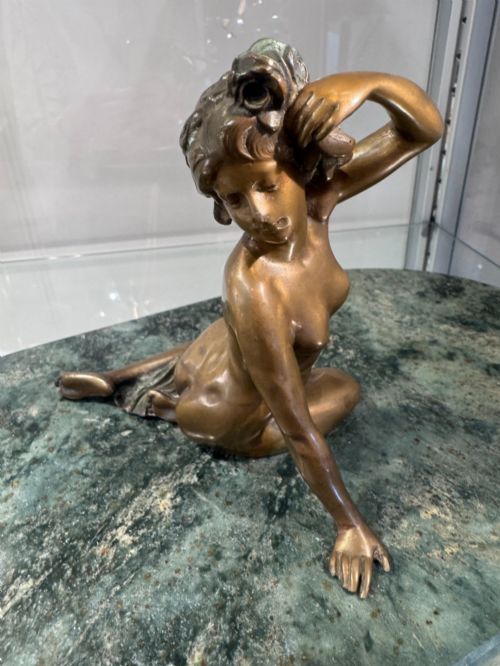
Most examples originate from French and Austrian foundries and studios, utilising casting metals, carved stones and glazed ceramics. Subjects range from mythological figures and dancers to quiet studies of bathers.
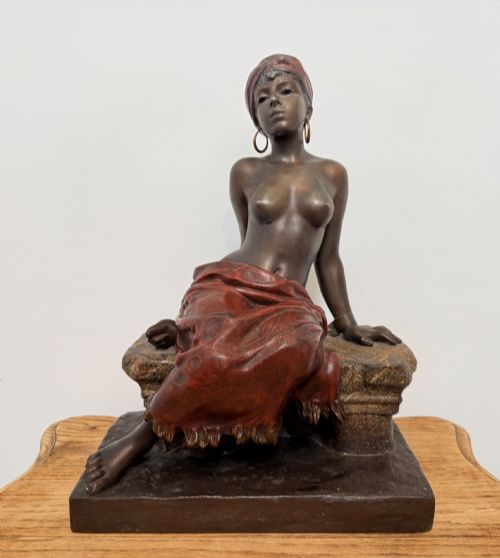
The selection on this page draws heavily from early twentieth-century modernist designs alongside nineteenth-century academic and Grand Tour bronzes. Buyers encounter everything from small cold-painted cabinet bronzes to substantial porcelain and alabaster table pieces.
Materials and Methods
Foundries produced metal figures using the lost-wax casting method in bronze, spelter and gilt or silvered alloys, often applying cold-painted polychrome finishes or patination by hand. Artisans frequently mounted completed metal figures onto heavy bases of marble, onyx or slate to provide stability.
Carved pieces relied on soft stones such as alabaster and marble, shaped with chisels and polished to highlight the natural grain and translucency. Ceramic and glass examples utilised moulded porcelain, shot enamel and opalescent glass fired in kilns by specialised potteries.
Listings feature works spanning the nineteenth century through the Art Deco era, utilising bronze, marble, alabaster and porcelain.
Assessing Quality
The choice and integration of materials also dictate standard, as solid marble plinths fitted accurately to metal bases represent greater workshop care than composite alternatives. Signed pieces associated with documented sculptors and established foundries reflect higher production standards and artistic intent.
Ferdinand Preiss·Josef Lorenzl·Demetre Chiparus·E Villanis·Fritz Kochendorfer·Aristide Maillol·James Pradier·Ugo Cipriani
The Antique Female Nude Figurine Glossary
- Cold-painted bronze
- A technique where bronze figures are painted with oil or enamel colours after casting, rather than firing the pigment onto the metal. This finish remains delicate and is prone to rubbing over time.
- Spelter
- An alloy of zinc and lead used as a less expensive alternative to bronze in decorative figures. It accepts patination and metallic paint finishes well.
- Grand Tour
- A nineteenth-century tradition of European travel where collectors acquired small-scale bronze copies of classical antiquities and sculptures. These pieces served as academic souvenirs of cultural journeys.
- Patinated bronze
- Metal treated with chemical solutions to produce a controlled surface colour ranging from deep brown to green. This coating protects the underlying bronze and enhances visual depth.
Antique Female Nude Figurine: Frequently Asked Questions
What materials are these figurines made from?
These pieces utilise cast metals including bronze, patinated bronze, gilt bronze and spelter, often paired with bases of marble, onyx or alabaster. Other examples are carved directly from solid alabaster or formed from porcelain, enamel and glass.
Makers selected these mediums to capture different textures, allowing bronze to show fluid drapery and muscle tone while stone provided smooth, cool surfaces.
How do I date an antique nude figurine?
Dating relies on stylistic markers such as the geometric lines of Art Deco, the flowing floral motifs of Art Nouveau or the classical restraint of nineteenth-century academic sculpture. Foundry marks, signatures cast into the metal and the type of base material also help narrow the production era.
Examining the patina and wear patterns provides further confirmation of age, distinguishing original period items from later reproductions.
Where were most of these figures made?
The majority of these sculptures originate from European workshops, with French and Austrian foundries producing a large share of the bronze and spelter works. Vienna and Paris served as primary centres for decorative metalwork and chryselephantine production during the late nineteenth and early twentieth centuries.
Specific regional potteries and individual studios across Europe also contributed porcelain and carved stone pieces.
How should I care for a bronze or stone figure?
Bronze and metal figures require only occasional dusting with a soft brush, avoiding chemical cleaners that might strip the original patination or cold-painted surface. Stone bases and alabaster carvings benefit from gentle dry wiping to protect their porous surfaces from moisture.
Keeping figurines away from direct sunlight and humid environments preserves both the metal alloys and the stone mounts over time.