




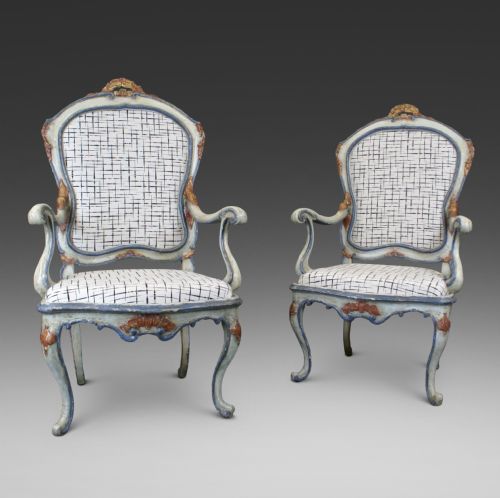


Italian Rococo Seating
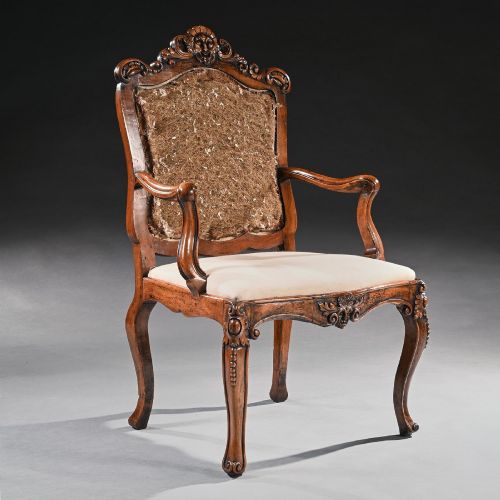
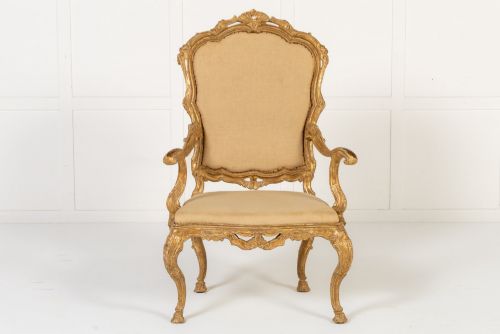
These pieces of italian rococo seating bring sculptural carved walnut and gilded surfaces straight from historic interiors into modern rooms.
Italian Rococo Seating
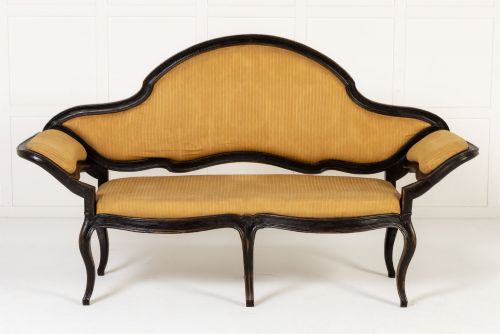
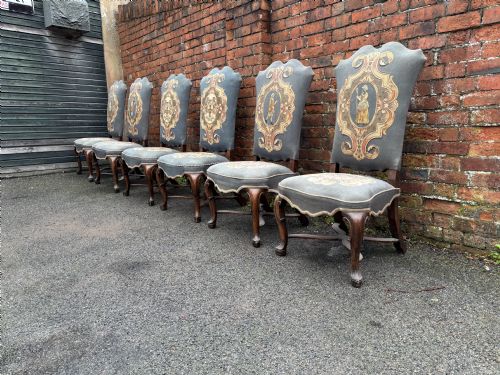
The selection ranges from robust walnut frames to lavishly gilded or painted wood surfaces. You will find single armchairs with extravagantly carved head rails alongside matched sets of walnut or painted chairs. Specialised forms like the Venetian gondola chair and the tete-a-tete sofa also appear within this tradition.
How they were made
Makers shaped these seating forms primarily from solid walnut and carved wood, employing traditional joinery to build strong structural frames. Artisans applied gesso as a smooth base layer before adding layers of giltwood, silver gilt, or paint to the wooden surfaces. Textile and fabric upholstery completed the pieces, secured to the seats and backs to provide comfort alongside visual splendour.
Carving was executed entirely by hand, resulting in deeply pierced crest rails, asymmetric cartouches, and flowing cabriole legs. The integration of ebonised finishes and painted decoration demonstrates the diverse workshop practices employed across different Italian regions and later revival periods.
Venetian gondoliers apparently demanded seating so stylish that even their chairs ended up carved like boats.
What varies in quality
The distinction between ordinary and exceptional examples rests in the depth and ambition of the carving. Master carvers produced crisp, undercut foliage and harmonious proportions that elevate the entire silhouette of a chair or settee. Lesser examples display shallower relief work and simpler structural transitions.
Surface preservation also dictates the standing of a piece. Original gilding, gesso, and historic painted finishes retain a depth of character that heavily restored or modernised surfaces simply cannot replicate.
The Italian Rococo Seating Glossary
- Giltwood
- Wood that has been covered with a thin layer of gold leaf over a prepared gesso ground. This technique creates a brilliant reflective surface prized in formal eighteenth-century interiors.
- Barocchetto
- The Italian variant of the Rococo style, flourishing during the eighteenth century. It combines exuberant curves and asymmetric ornamentation with distinctive regional flair.
- Gondola chair
- An upholstered chair with a curved, enclosing backrest resembling the traditional Venetian boat. These seats offer a distinctively enclosed silhouette originating from Venice.
- Tete-a-tete
- A specialised sofa designed for two people to sit facing one another in an S-shape configuration. This form facilitated intimate conversation in formal reception rooms.
- Head rail
- The topmost horizontal member of a chair back. On these pieces, it is frequently carved with elaborate motifs and central cartouches.
Italian Rococo Seating: Frequently Asked Questions
Where should I place these chairs?
These seats suit principal reception rooms, hallways, or bedrooms where their sculptural frames can be viewed from multiple angles. Pairing an armchair with a simpler table or placing a settee against a plain wall allows the carved detail to stand out.
Avoid positioning them in direct sunlight or damp environments, as historic wood and delicate gilt surfaces require stable indoor conditions to remain preserved.
How do I care for giltwood?
Dust giltwood surfaces gently with a soft, dry brush without applying liquid cleaners or polishes. Moisture can damage the delicate gesso and gold leaf layers beneath.
Professional conservation is recommended if the surface shows signs of flaking or separation from the wooden substrate.
Are these chairs comfortable?
Historic seating proportions often differ from modern standards, featuring shallower seats and upright backrests designed for formal posture. Upholstery support varies depending on whether the webbing and stuffing have been historically maintained or restored.
They function best as occasional seating where visual presence takes precedence over deep lounging.
How do I distinguish revival pieces?
Nineteenth-century revival pieces often display machine-assisted precision in their joinery and standardised carving patterns compared to eighteenth-century originals. The choice of secondary woods and the character of the wear help indicate the actual age of the frame.
Examining the underside and interior construction reveals the manufacturing methods characteristic of later nineteenth-century workshops.