
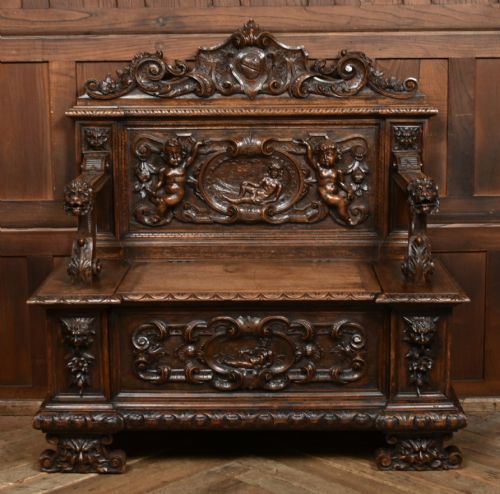


Italian Renaissance Furniture
Italian renaissance furniture brings monumental walnut cabinets, carved hall benches and scholarly armchairs into domestic rooms with severe architectural dignity.
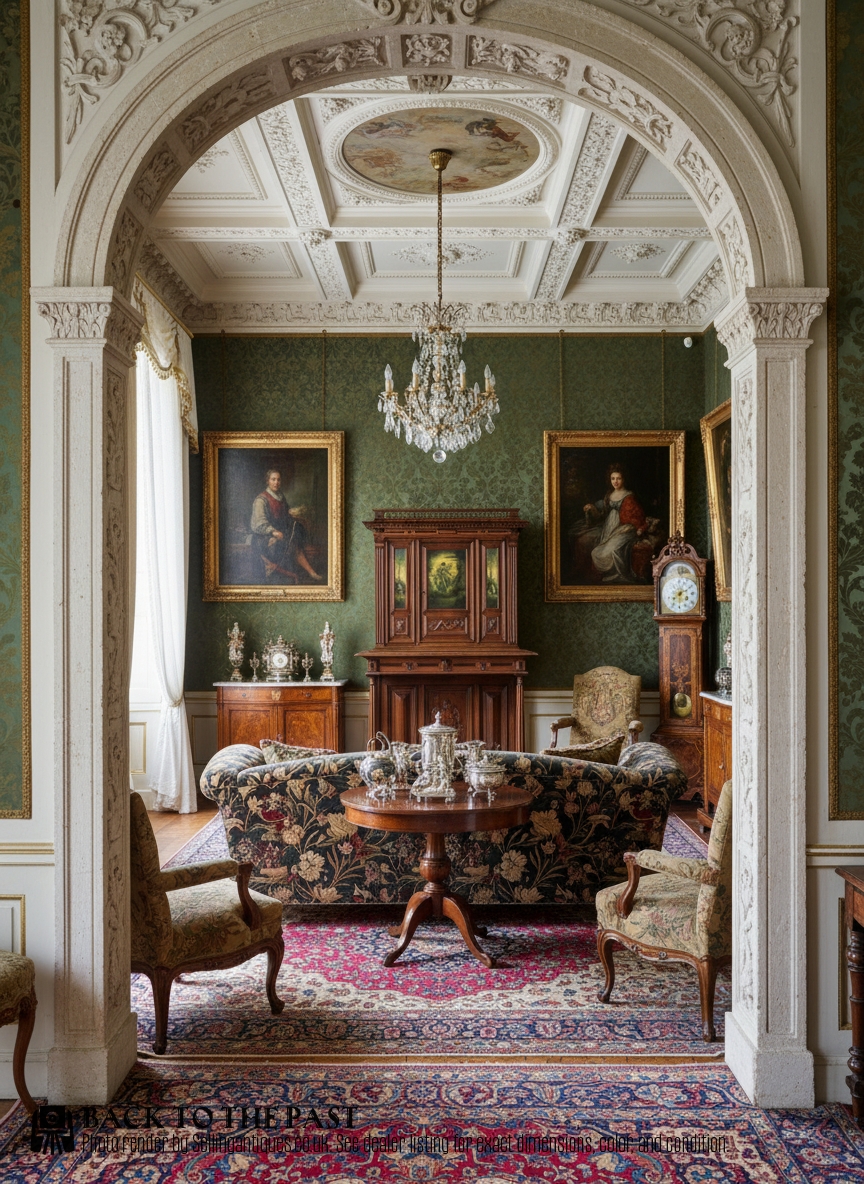
Italian Renaissance Furniture
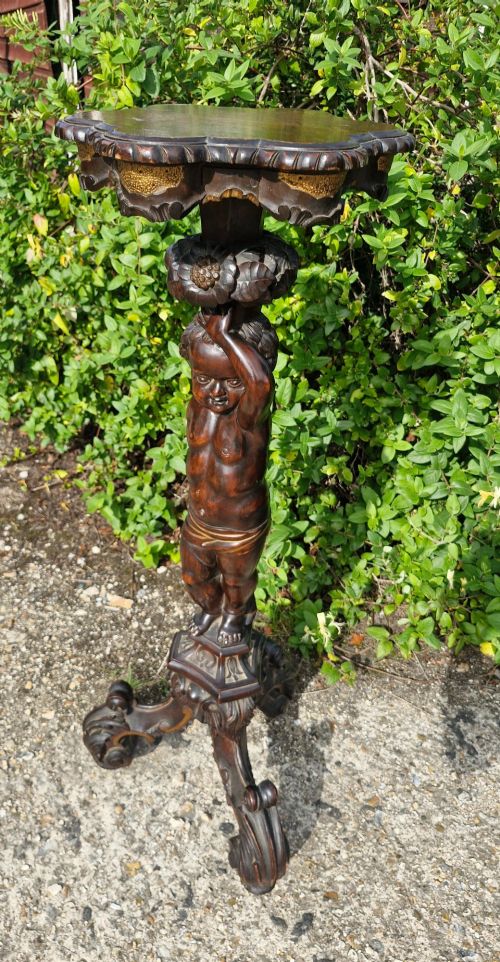
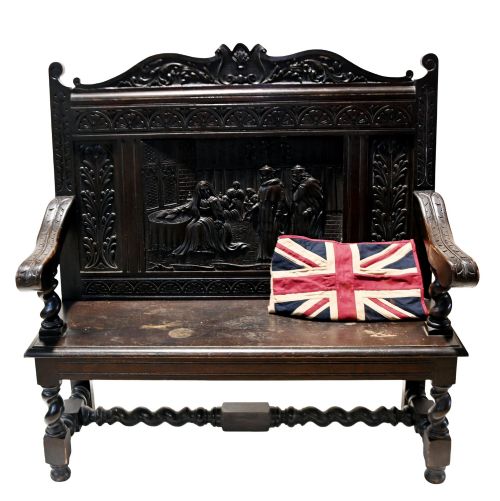
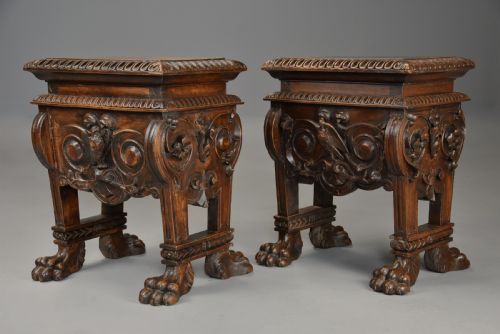
Domestic forms on offer include hall benches, cassapanca benches, side tables, and pedestal stands carved with classical motifs. Pieces alternate between austere functional storage and highly decorative exhibition pieces built for grand interiors.
Materials and construction
Walnut serves as the primary structural timber, chosen for its deep grain and capacity to hold sharp, deep-relief carving. Secondary woods include oak, pine, and exotic veneers used in marquetry surfaces.
Decoration relies on hand carving, gesso, polychrome paint, and marquetry inlay, supplemented by cast brass and bronze hardware. Iron fittings and velvet upholstery complete the construction of functional seating and heavy storage furniture.
Master carvers occasionally hid tiny carved mice within the swirling acanthus leaves of heavy walnut table pedestals.
Assessing quality and execution
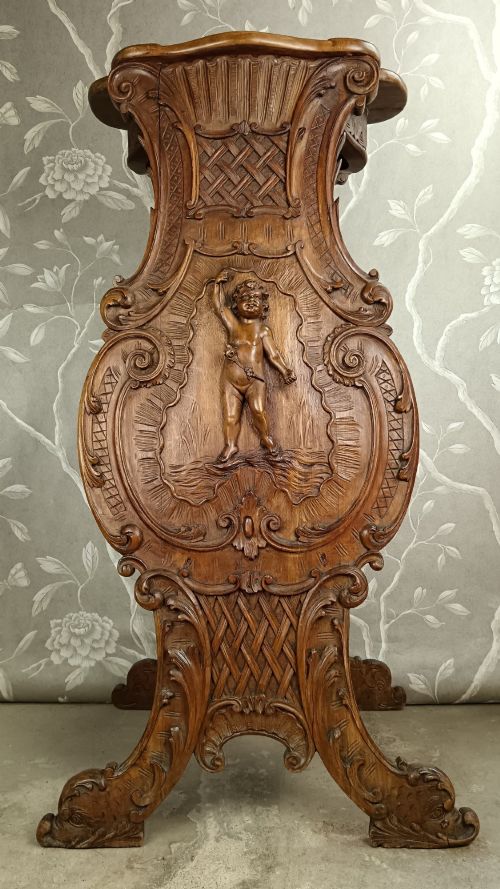
Quality rests entirely in the depth and crispness of the hand carving, distinguishing master workshops from standard production pieces. Fine examples display sculptural confidence in figural work and crisp architectural mouldings rather than shallow mechanical stamping.
The choice of dense, highly figured walnut and the integration of period hardware elevate the status of cabinets, desks, and seating. Original polychrome paint and untouched patination mark out pieces preserved without heavy modern restoration.
White, Allom And Co
The Italian Renaissance Furniture Glossary
- Cassapanca
- A large wooden storage chest with a high back and arms, functioning as both a bench and a container. These substantial seating pieces often anchor an entrance hall or gallery space.
- Cassone
- A richly decorated chest used for storing household valuables and wedding trousseaus. These heavy wooden coffers frequently feature gilded surfaces, carving, or painted panels.
- Savonarola
- A folding armchair constructed from multiple intersecting curved wooden slats, creating a rhythmic x-shaped profile. This portable seat design dates back to the Italian Renaissance.
- Majolica
- Tin-glazed earthenware decorated with colourful opaque pigments. It appears on decorative tables and ceramic vessels associated with Italian interiors.
- Marquetry
- The art of applying thin slices of wood veneers to a structural carcase to form geometric or pictorial patterns. This technique decorates table tops and chests.
Italian Renaissance Furniture: Frequently Asked Questions
How do I identify a revival piece?
Nineteenth-century revival pieces often reveal machine tooling marks on hidden structural surfaces, alongside standardised joinery methods that differ from earlier hand-cut construction. The timber patination and finish oxidation also provide clues to the true age of the object.
Cabinetmakers of the eighteen-eighties copied sixteenth-century motifs with great technical skill, making close examination of the wood density and interior linings essential for accurate dating.
Where were these pieces used originally?
Large cabinets, cassapanca benches, and massive tables anchored the grand halls and palazzo reception rooms of wealthy merchant and noble families. They communicated status and learning to visitors entering the domestic interior.
Smaller side tables and occasional stands filled private chambers, serving as display surfaces for porcelain, bronzes, and scholarly texts.
How should I care for antique walnut?
Maintain stable relative humidity in the room to prevent the dense walnut timbers from splitting or warping over time. Avoid placing heavy storage furniture or tables near direct heat sources or strong sunlight.
Apply a microcrystalline wax sparingly to nourish the dry wood surface and protect the historic patina without sealing the pores.
What is a cassapanca bench?
A cassapanca combines a deep storage chest base with an integrated high wooden back and carved armrests. It served as a primary seat and security box for valuables in Italian hallways.
Upholstered cushions were often added to the bench seat for comfort during long periods of use in reception areas.