


Italian Religious Artwork
Italian religious artwork encompasses centuries of devotional oil paintings, carved wood figures and historic prints depicting sacred subjects.
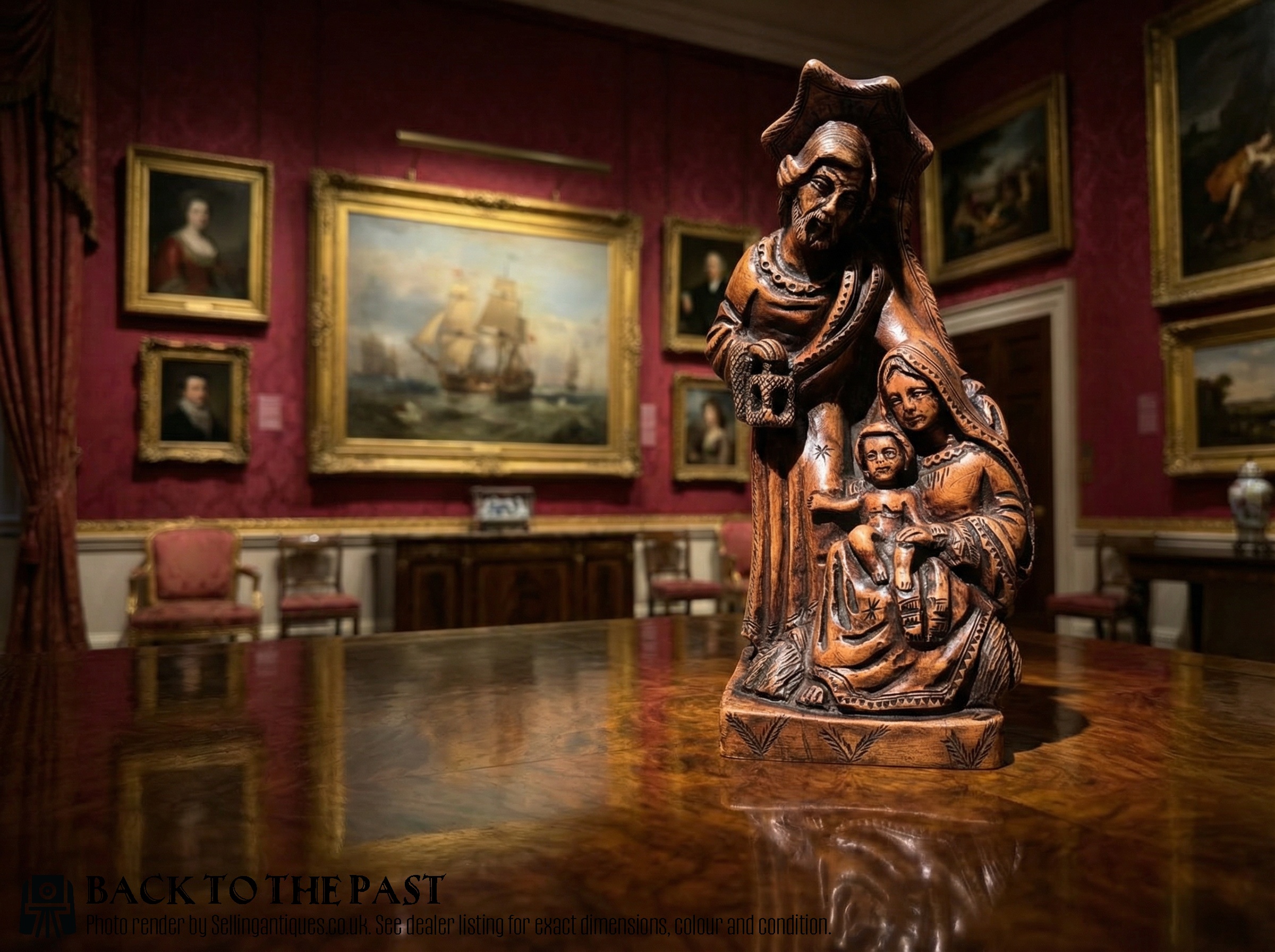
Italian Religious Artwork
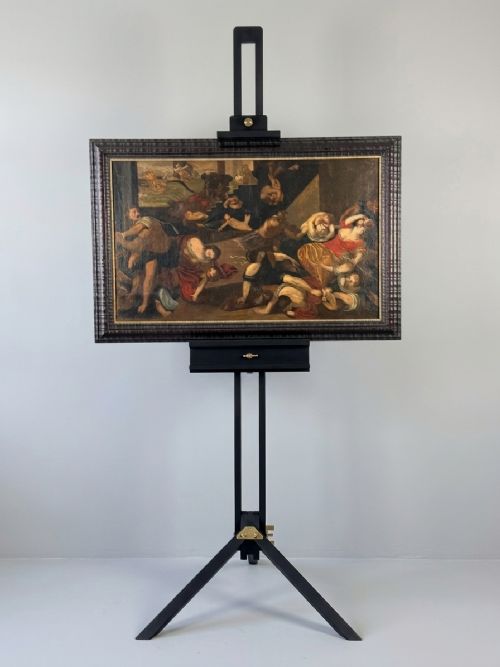
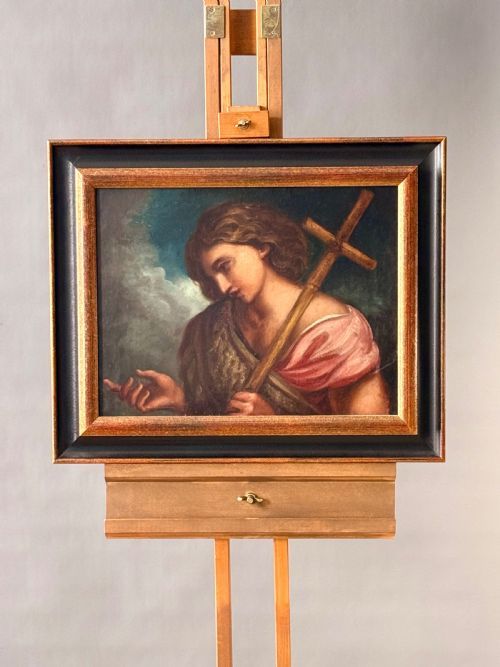
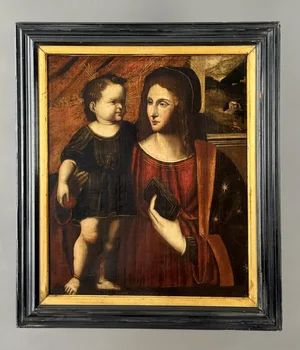
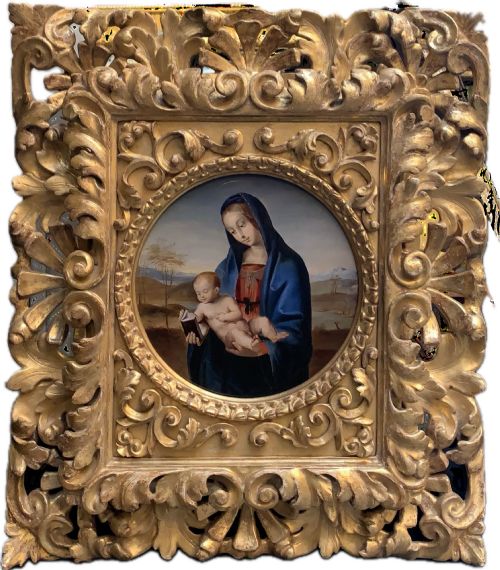
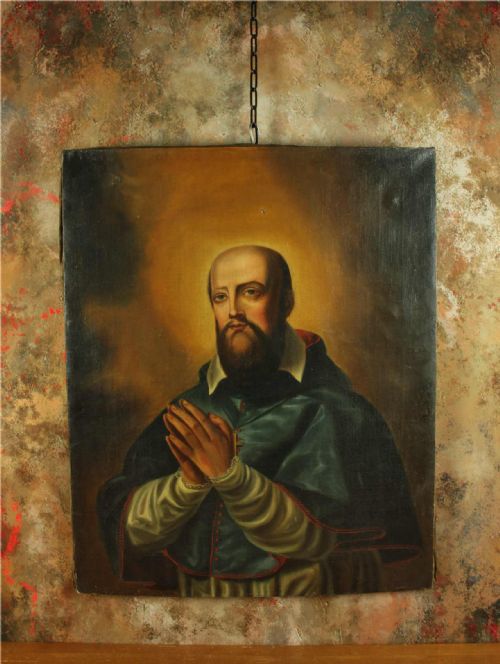
Buyers examining italian religious artwork encounter centuries of devotional expression, ranging from small domestic panels to grand old master compositions. The majority of pieces on this page comprise oil paintings on canvas or wood panels, alongside carved wooden figures and historical prints.
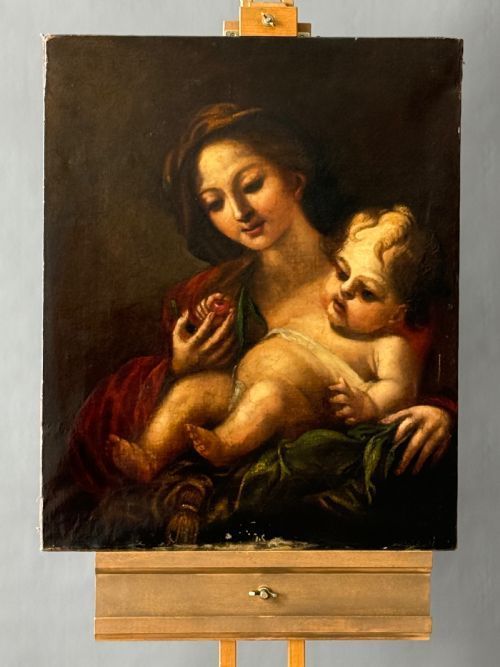
The historical span of these works stretches from the sixteenth century through the nineteenth century, reflecting stylistic shifts from the high renaissance and baroque periods into later revival movements. Common subjects centre upon the Madonna and child, the holy family, and scenes from the lives of saints.
Many works represent either original regional school productions or later interpretations after major masters such as Raphael and Correggio. Collectors navigate both signed studio pieces and unsigned canvases created within traditional Italian workshops.
Materials and Construction
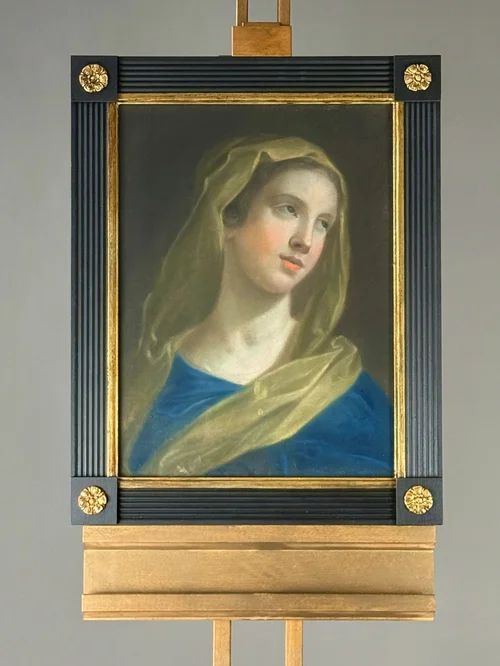
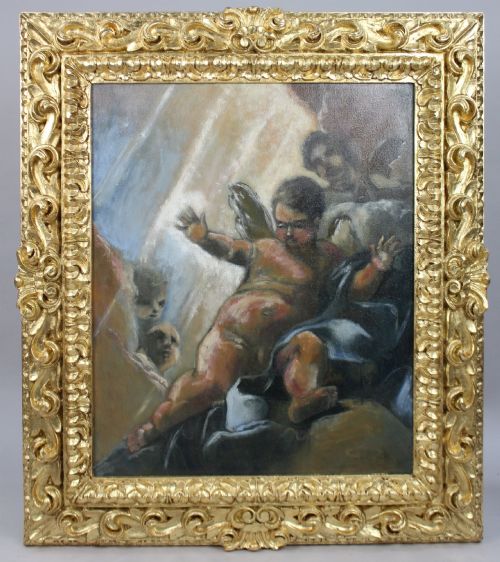
The primary substrate for these works is oil paint applied to woven canvas or prepared wooden panels, occasionally augmented with pastel or gold leaf. Structural support frequently involves carved and gilded wooden frames that complement the devotional subject matter.
Three-dimensional representations utilise carved olive wood or general timber, shaped into figural groups representing religious narratives. Pigments and binders were layered by hand in traditional studio environments following established European painting techniques.
Materials documented across the catalogue include oil on canvas, carved olive wood, giltwood, paper, and traditional oil paint.
Assessing Quality and Execution
Quality within this category rests upon the finesse of brushwork, anatomical proportion, and the depth of emotional expression captured in figural subjects. Works originating directly from named regional schools or documented workshops display superior handling of light, shadow, and drapery.
The integrity of the original support material and the extent of historical conservation also dictate the standing of a piece. Finer examples retain their original pigments and sit within period carved frames, whereas secondary interpretations often show heavier restoration over time.
Benedetto Luti·Bernardino Luini·Francesco Solimena·Pompeo Batoni·Raffaello Sanzio da Urbino
The Italian Religious Artwork Glossary
- Old Master
- A European painter of skill working before the nineteenth century, or a painting by such an artist. These works form the foundation of historical fine art collections.
- Giltwood
- Wood that has been coated with gold leaf or gold powder for decorative effect. This technique was widely utilised on picture frames and ecclesiastical furnishings.
- Tempera
- A permanent, fast-drying painting medium consisting of coloured pigment mixed with a water-soluble binder. It was frequently employed before oil paint became the dominant medium.
- Provenance
- The chronological ownership and custody history of a work of art. Documented records help establish authenticity and historical context.
- Panel Painting
- A painting executed on a flat panel made of wood. Fruitwood and other dense timbers provided stable surfaces for early artists.
Italian Religious Artwork: Frequently Asked Questions
How do I identify a 17th-century Italian oil painting?
Examination of canvas preparation, pigment types, and stretcher construction offers initial clues regarding age. Stylistic markers typical of the baroque period, such as dramatic contrast between light and dark, also point toward seventeenth-century origins.
Furthermore, documentary evidence or signatures within regional school traditions help narrow down the date of execution.
What is an old master painting?
An old master refers to a skilled European artist working during the period from roughly the Renaissance to the eighteenth century. Paintings attributed to these figures or their immediate followers command particular interest from collectors.
These works are identified through stylistic comparison, brushwork analysis, and historical records documenting studio practices.
How should I care for antique wood panel paintings?
Wooden panels react to fluctuations in ambient humidity and temperature by expanding or contracting. Maintaining a stable indoor environment prevents warping and cracking of the underlying timber.
Direct sunlight and excessive heat sources must be avoided to protect both the wooden support and the delicate oil paint layers.
What distinguishes an original school painting from a later copy?
Original period works display spontaneous brush application and contemporary pigment chemistry consistent with their stated era. Later copies, often produced after masters like Raphael, exhibit more hesitant line work and different preparation layers.
Expert examination of canvas ageing and stretcher construction clarifies the distinction between primary production and subsequent interpretation.