


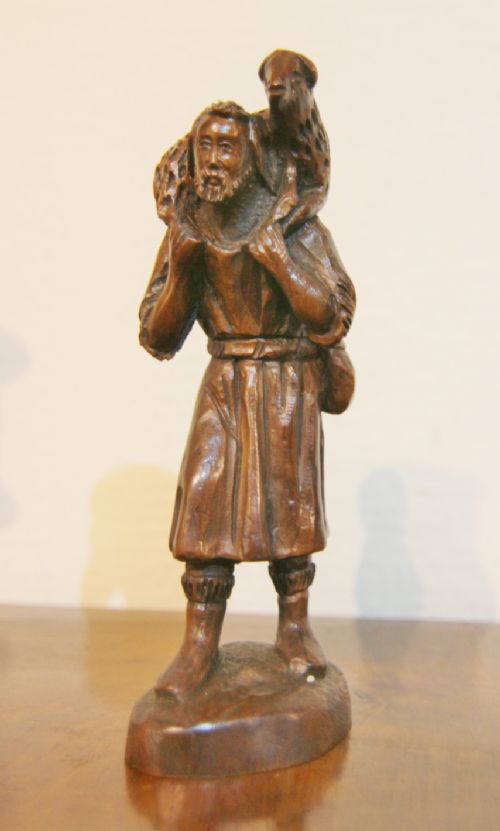

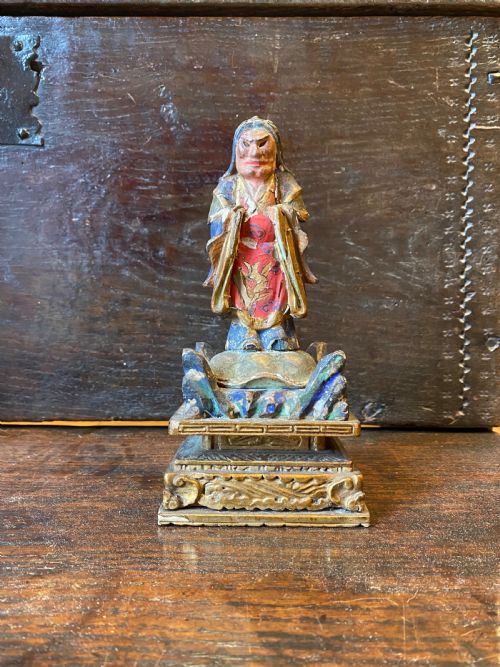


Religious Wooden Figurine
A religious wooden figurine brings centuries of devotion into a room, offering tactile warmth and hand-carved character that modern pieces simply lack.
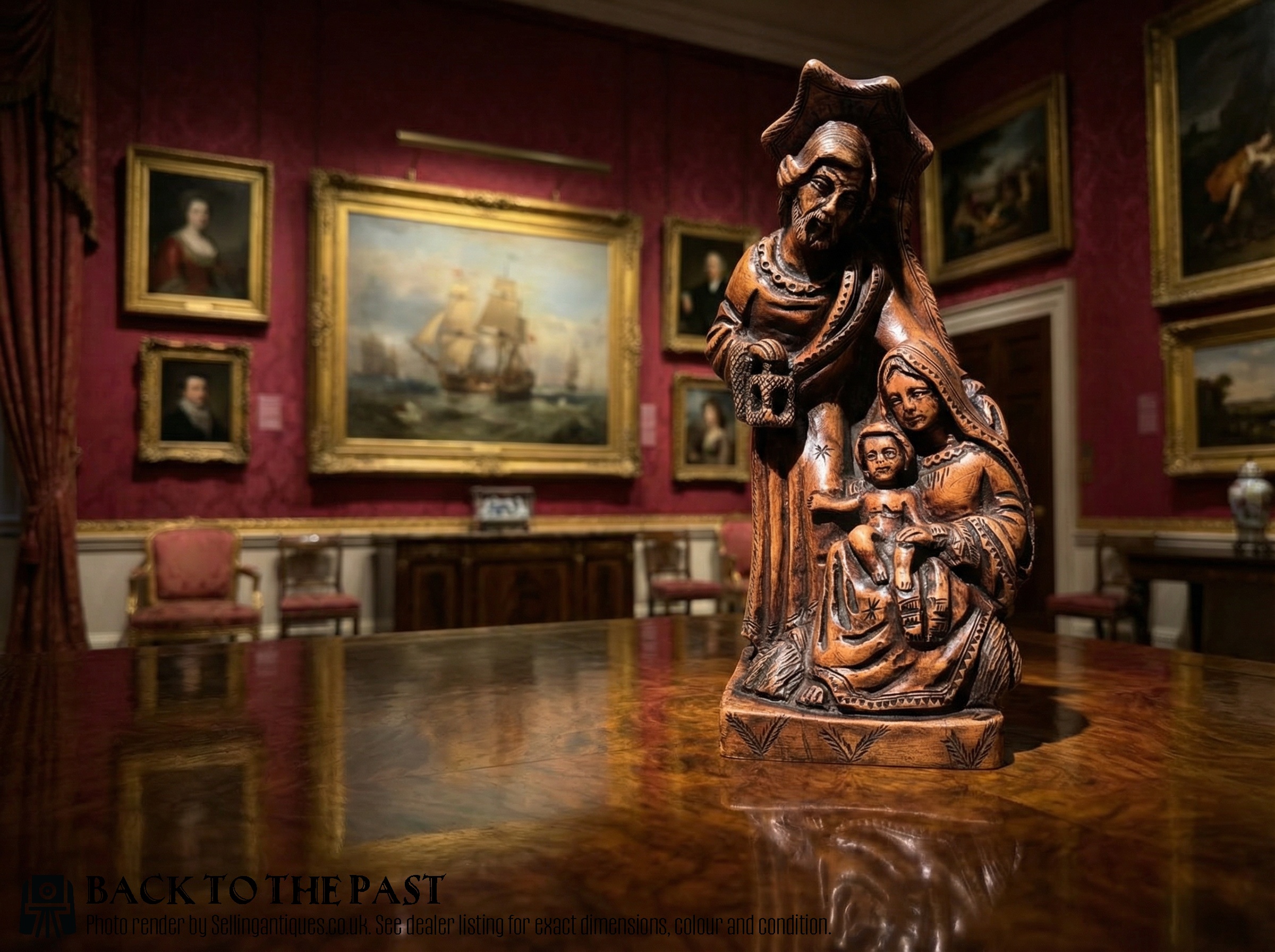
Religious Wooden Figurine
A religious wooden figurine encompasses devotional carvings, saints, and sacred figures shaped by hand across various European and global traditions. When you search for this phrase, you encounter centuries of ecclesiastical artistry ranging from humble village workshops to formal abbey commissions.
The examples seen here lean towards domestic devotion and folk expression rather than grand cathedral installations. These include home altars, nativity figures, cherubic forms, and dedicated depictions of specific saints.
Originating from periods spanning the seventeenth to the early twentieth centuries, these works display diverse regional aesthetics including Spanish, Italian, and folk interpretations. Collectors prize them for their surviving surface treatments and the quiet presence they retain after generations of use.
How they were made
Artisans carved these figures primarily from timbers such as oak, olive wood, and various regional softwoods, shaping the grain with gouges and chisels before applying surface finishes. The raw timber often received a preparatory layer of gesso to smooth the surface for subsequent painting.
Many examples utilise polychrome paint schemes, gold leaf highlights, or silvering to bring lifelike vibrancy and divine splendour to the sacred subjects. Where fabric elements appear, they are integrated directly into the carved composition or applied as traditional vestments.
Listings feature carved figures spanning four centuries, with materials including oak, olive wood, polychrome paint, gesso, and gold leaf.
What varies in quality
The integrity of the original surface finish plays a major role in distinguishing finer examples. Pieces retaining untouched historic polychrome paint, gesso layers, and gold leaf hold greater historical substance than those stripped or heavily repainted.
The Religious Wooden Figurine Glossary
- Polychrome
- Painted in several colours. This traditional surface treatment adds vibrant realism to carved wooden figures.
- Gesso
- A plaster mix applied to wood as a smooth base for painting and gilding. It provides a crisp ground for fine detail work.
- Santos
- A carved figure representing a saint or sacred personage. These figures often held central places in domestic Spanish and colonial shrines.
- Home Altar
- A small devotional structure or cabinet for private prayer. They frequently house carved figures and painted panels.
- Gold Leaf
- Gold beaten into extremely thin sheets used for gilding surfaces. It brings an enduring luminous quality to ecclesiastical objects.
Religious Wooden Figurine: Frequently Asked Questions
How do I clean a religious wooden figurine?
Dust the surface very gently with a dry, soft brush to protect fragile historic paintwork and gesso layers.
Avoid using water, chemical sprays, or modern polishes, as these substances can soften old pigments and damage exposed wood.
Where were these figures originally displayed?
Many of these pieces belonged in private domestic spaces, serving as focal points for personal prayer within home altars or small shrines.
Others originated in local churches, rural chapels, or monastic settings where they aided communal worship and religious instruction.
How can I tell the age of the wood?
Examine the tool marks left by the carver, as hand-chiselled surfaces differ significantly from later machine-tooled work. Wear patterns, shrinkage cracks, and the composition of underlying gesso layers also offer clues to the period of origin.
Are these figures treated to prevent damage?
Historic timber often bears the marks of past woodworm activity, which dealers inspect to ensure the wood remains stable. Maintaining a stable indoor humidity helps preserve both the carved structure and the delicate painted surfaces.