




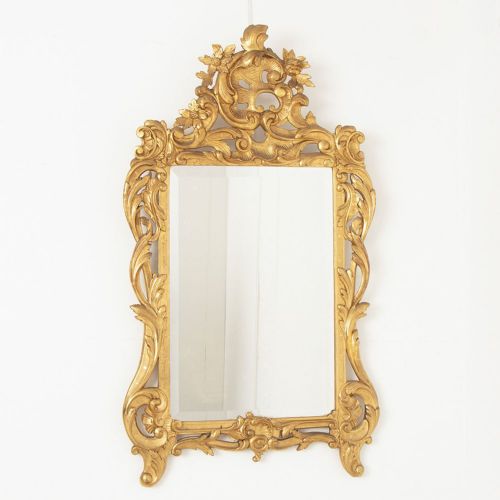

Italian Pier Glass
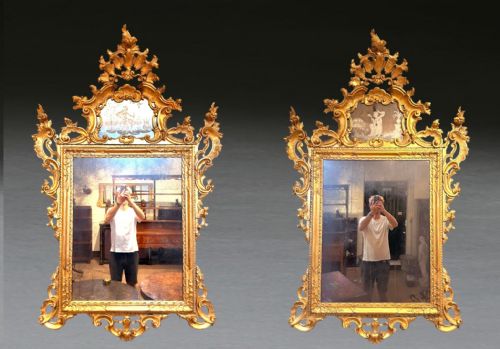
An italian pier glass brings monumental scale and brilliant reflection to a room, designed originally to hang in the narrow wall space between tall windows.
Italian Pier Glass
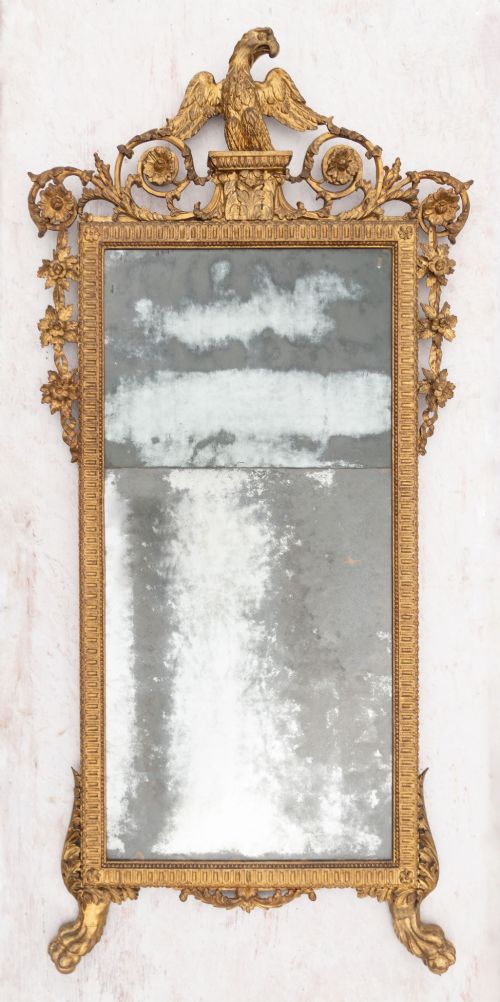
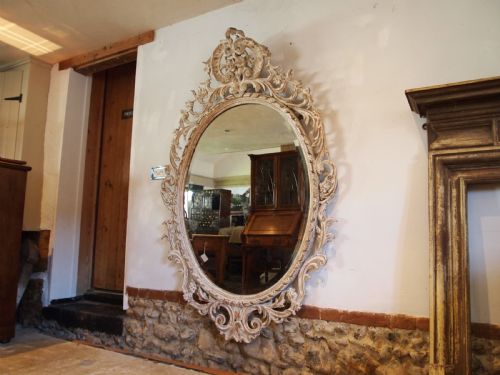
An italian pier glass is a grand wall mirror, often accompanied by a console table, designed to anchor tall spaces in formal reception rooms. These mirrors survive from the eighteenth and nineteenth centuries, taking forms that range from restrained neoclassical rectangles to extravagant rococo and baroque compositions.
You will most commonly encounter nineteenth-century interpretations on this page, alongside genuine eighteenth-century examples and later revivals. Makers worked within established historical idioms, producing wall mirrors and pier mirrors finished with painted details or gilt surfaces.
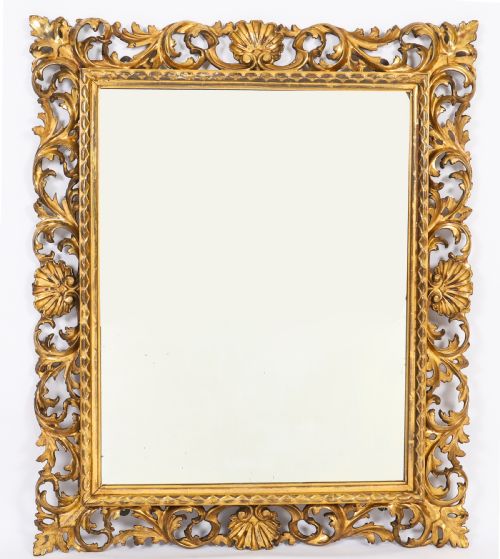
The regional diversity is wide, spanning Florentine, Venetian and general Italian workshops. Pieces often incorporate carved wood, gesso and original mirror plates to create commanding focal points.
Materials and construction
Carvers shaped soft woods to form intricate frames, applying layers of gesso to build up high-relief scrollwork, foliage and architectural moulding. Gilders then laid gold leaf or silver-leaf over the prepared surfaces, burnishing the metal to catch the ambient light.
Mirror glass of the period possessed subtle imperfections and hand-beveled edges that distinguish older plates from modern replacements. Walnut and marble appear in specific regional variants, particularly on console tables and heavier architectural frames.
Some tall frames hide tiny secret joinery joints that allowed woodworkers to assemble massive gilded crests without splitting the primary uprights.
Judging quality and execution
The crispness of the carving dictates the visual success of the piece, separating deep, undercut hand-carved ornament from softer, moulded gesso decoration. Superior frames retain their original gilding or hand-painted finishes, showing honest wear rather than unsympathetic repainting.
The integrity of the mirror plate itself matters greatly, as original glass holds a softer, deeper reflection than later replacements. Structural stability in large frames ensures the heavy glass remains secure within its wooden housing.
The Italian Pier Glass Glossary
- Pier glass
- A tall mirror designed specifically to hang on the wall space between two windows. These pieces often sat above matching console tables to complete a decorative scheme.
- Gesso
- A plaster-like mixture applied to wood frames as a base for gilding or painting. It allowed carvers to achieve sharp, detailed relief work.
- Giltwood
- Wood that has been coated with gold leaf. This finish provided durability and a rich reflective quality suited to formal interiors.
- Neoclassical
- A style drawing on classical Greek and Roman motifs, characterised by symmetry, straight lines and restrained ornamentation. It dominated many eighteenth-century Italian designs.
- Rococo
- An ornate design style featuring asymmetrical scrolls, C-curves and naturalistic plant motifs. Italian interpretations often display exuberant carving and dramatic crestings.
Italian Pier Glass: Frequently Asked Questions
Where should I hang an Italian pier glass?
These mirrors suit tall wall spaces, traditionally positioned between windows to maximise natural light and create an illusion of greater room depth.
Their substantial height also makes them effective above fireplaces or low console tables in high-ceilinged reception rooms.
How do I clean an antique mirror plate?
Use a dry or barely damp microfiber cloth to gently remove dust from the glass and frame without disturbing old silvering.
Avoid commercial chemical sprays, as moisture can seep behind the glass or damage fragile nineteenth-century gilding.
Are these mirrors heavy to hang?
Large carved wood and gesso mirrors carry considerable weight due to their size and dense materials.
Secure installation requires professional wall fixings anchored directly into structural brickwork or studs rather than standard plasterboard.
How can I tell an eighteenth-century mirror from a nineteenth-century revival?
Eighteenth-century examples typically show hand-beveled glass plates with deeper oxidation and distinct tool marks on the reverse of the wooden frame.
Revival pieces from the nineteenth century often employ heavier gesso composition and standardised framing techniques while still using traditional materials.