










Italian Ornate Frames
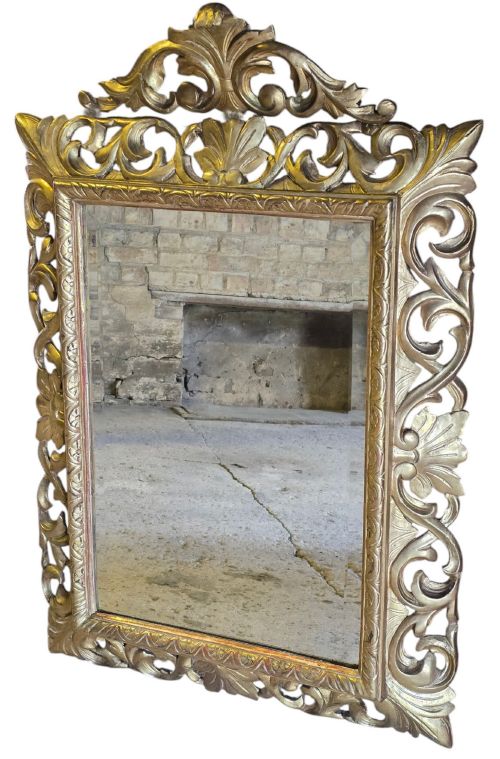
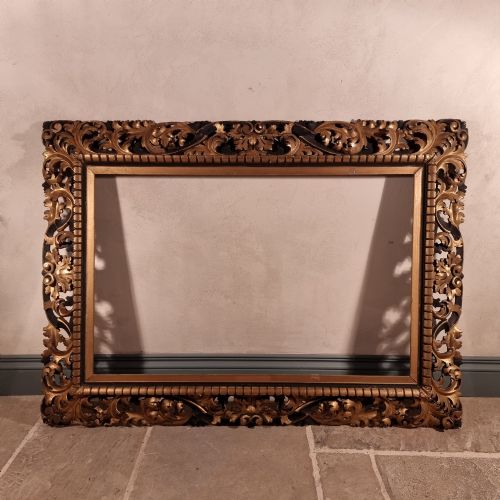
Italian ornate frames bring elaborate carving and brilliant gilding to interiors, offering the ideal method for displaying fine paintings or catching the light.
Italian Ornate Frames
When you search for Italian ornate frames, you encounter heavy decorative woodwork designed to frame mirrors, portraits, and landscapes. These pieces emerge primarily from the nineteenth century, alongside examples from the eighteenth and twentieth centuries.
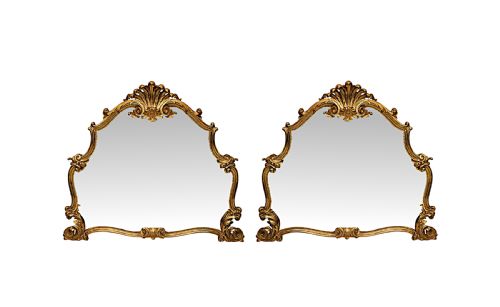
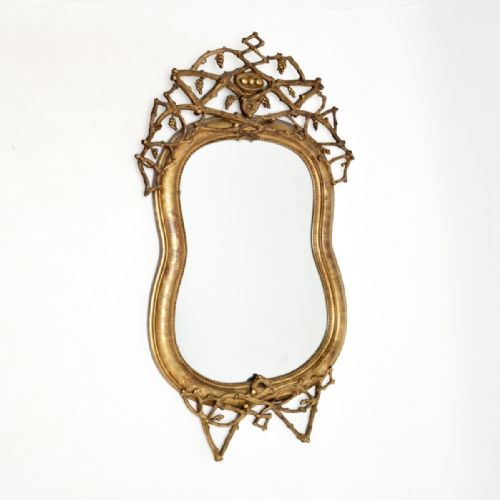
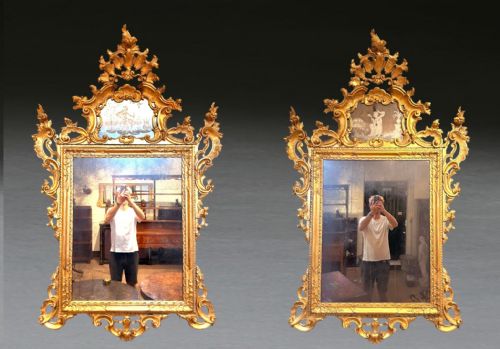
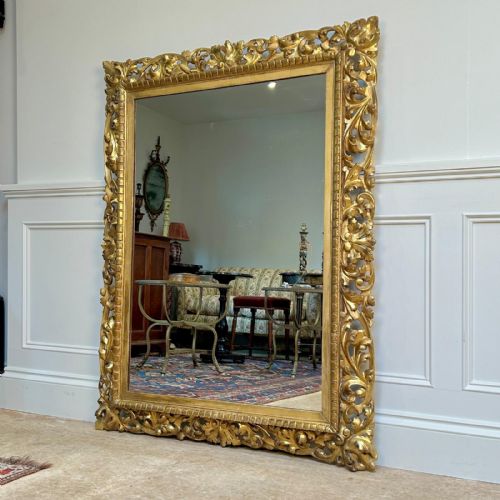
The selection on this page centres upon wall mirrors, picture frames, and oil paintings housed within gilded surrounds. Florentine and Rococo styles dominate the offerings, bringing intricate scrolls and carved foliage into domestic spaces.
Makers utilised various forms, ranging from massive overmantel pier mirrors to smaller dressing mirrors and devotional reliquary pieces. Each form reflects the dramatic aesthetic developed across Italian workshops.
Materials and construction
Craftsmen shaped these items from carved wood, limewood, and fruitwood before applying layers of gesso to smooth the surface. This plaster mixture provided a receptive base for subsequent gilding techniques.
Artisans finished the woodwork using gold leaf or silver leaf to achieve a brilliant metallic sheen. Certain examples incorporate canvas, glass, and mirror glass plates, sometimes featuring engraved or bevelled details.
Listings feature materials such as giltwood, gesso, silver leaf, and limewood.
Assessing quality and craftsmanship
The depth and clarity of the hand carving separate simpler mouldings from superior works. Skilled carvers produced crisp undercut foliage and balanced scrollwork that retained its definition beneath layers of gesso and gilding.
The integrity of the surface finish plays a major role in the overall character of the piece. Uniform application of gold leaf and the natural ageing of the gesso indicate careful workshop production.
The Italian Ornate Frames Glossary
- Giltwood
- Wood that has been coated with gold leaf. This material forms the primary surface for most decorative Italian frames.
- Gesso
- A plaster mixture applied to carved wood to create a smooth surface for gilding. Artisans modelled this material to add fine relief details.
- Florentine
- A decorative style originating from Florence characterised by ornate pierced scrollwork and floral motifs. These designs often feature prominent gilding.
- Cassetta
- A flat-profile picture frame style popular during the Renaissance. It typically includes moulded inner and outer edges.
- Overmantel
- A large mirror or painting designed to hang above a fireplace mantel. These pieces frequently anchor the decorative scheme of a room.
Italian Ornate Frames: Frequently Asked Questions
What periods do these frames come from?
The pieces span multiple centuries, with a strong representation from the nineteenth century. You also encounter eighteenth-century works and mid-twentieth-century interpretations.
Stylistic elements often point towards specific eras, such as Baroque or Rococo revivals. Examining the underlying wood and construction methods helps clarify the date of manufacture.
How were these frames used originally?
These items served primarily to house important oil paintings, watercolours, and portraits within wealthy households. Large mirrors were placed above mantelpieces or in grand halls to reflect light and expand the sense of space.
Religious pieces functioned as devotional objects, housing sacred imagery and reliquaries. Over time, many frames transitioned into standalone decorative wall art.
Where should I hang an ornate mirror?
An overmantel mirror finds its natural home above a fireplace, where it draws the eye upward and balances the hearth. Large wall mirrors also work effectively in hallways and lounges to create depth.
Ensure the wall fixings can support the substantial weight of carved wood and glass. Positioning the piece opposite a window maximises the reflected natural light.
How do I care for giltwood surfaces?
Dust the carved surfaces gently with a soft, dry brush to prevent the accumulation of grit within the recesses. Avoid using chemical cleaners, water, or abrasive cloths, which can damage the delicate gold leaf.
Keep the items away from direct sunlight and damp environments to protect the underlying gesso and wood from cracking. Stable indoor temperatures preserve the finish for decades.