
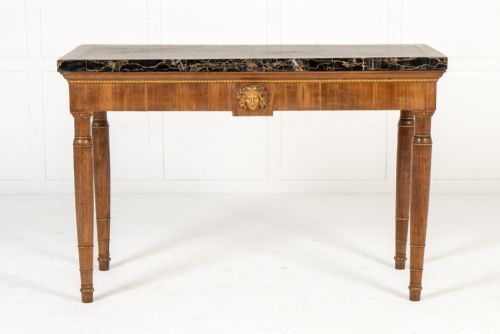
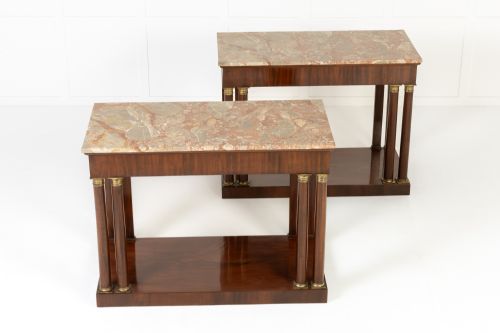


Italian Neoclassical Console
An italian neoclassical console brings architectural discipline and sculptural warmth to a room, grounding an interior with distinct eighteenth and nineteenth-century lines.
Italian Neoclassical Console
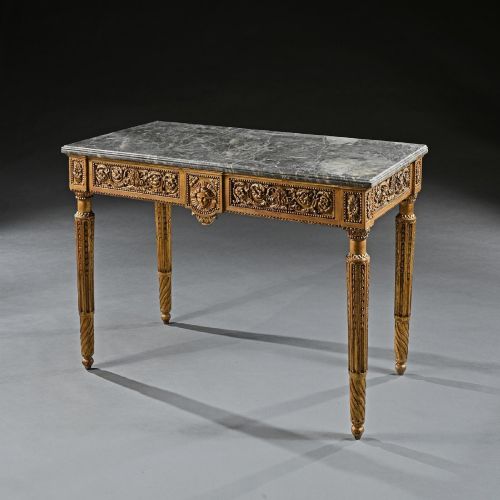
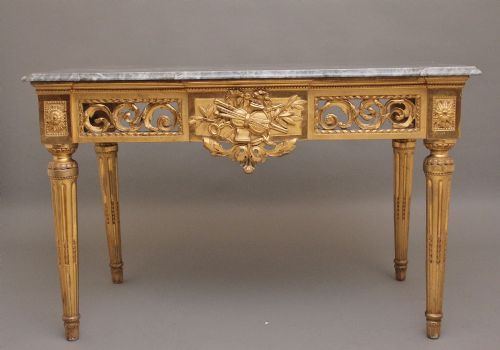
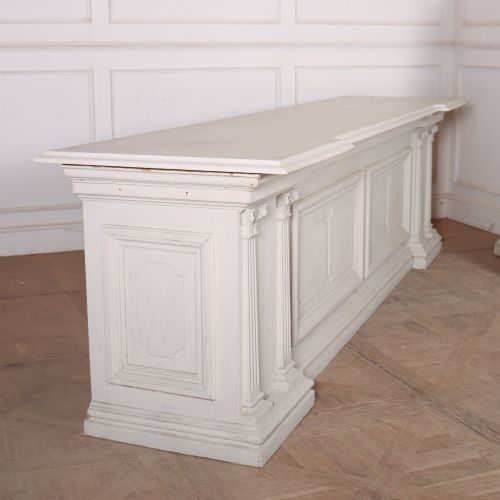
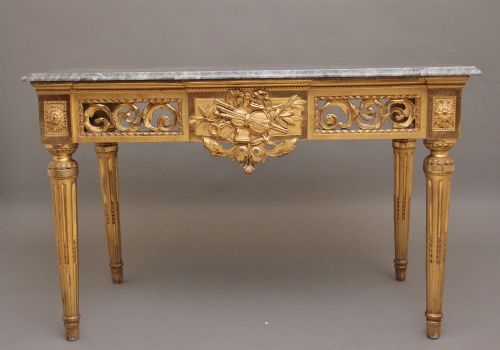
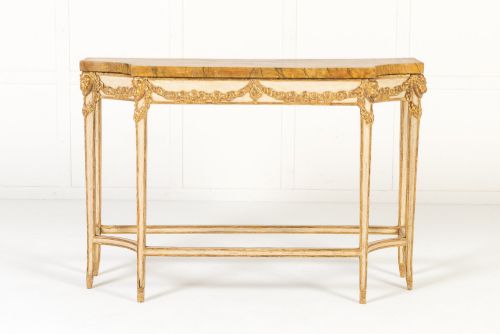
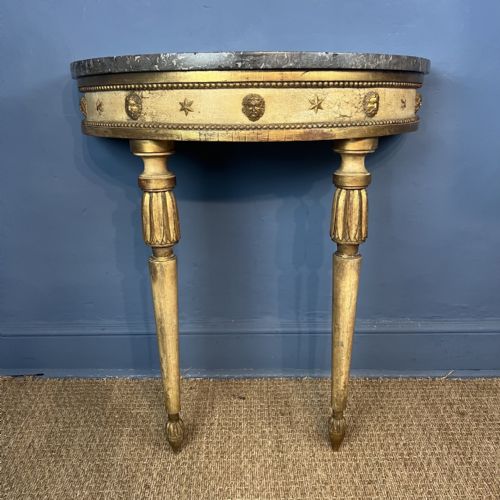
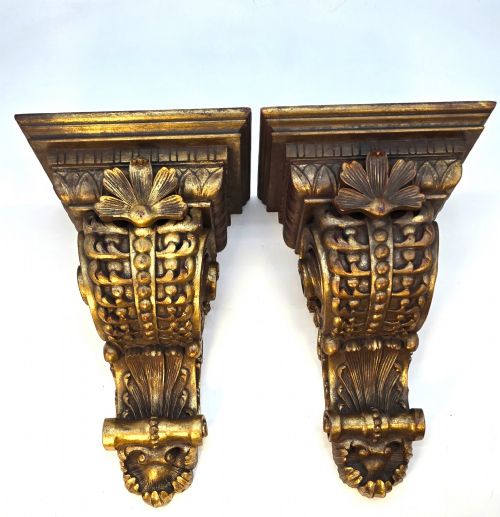
An italian neoclassical console is a formal wall-mounted or freestanding table designed to anchor a salon, hallway or reception room with classical symmetry. When searching for an italian neoclassical console, buyers encounter console tables, side cabinets, games tables, wall brackets and shop counters spanning the eighteenth, nineteenth and early twentieth centuries.
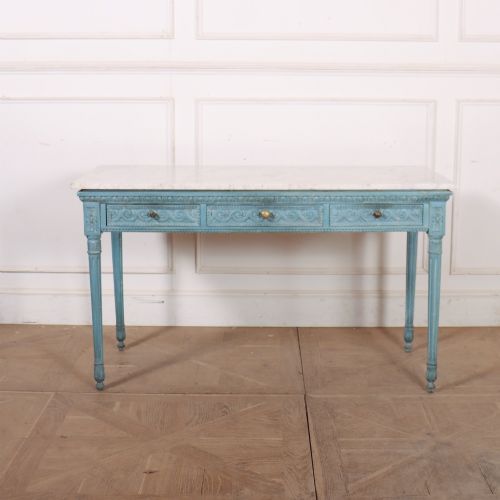
The eighteenth-century examples lean towards carved giltwood and painted finishes with marble tops, while later nineteenth and twentieth-century interpretations introduce mahogany, walnut, marquetry and specialist faux porphyry surfaces. These pieces display the restrained ornamentation, straight legs and architectural proportions characteristic of the neo-classical idiom across various Italian regions.
How they were made
Cabinet makers utilised structural timbers such as walnut, mahogany and various woods as the foundational carcase for these tables. Surfaces received meticulous preparation through gesso application before painters applied cream paint, gold leaf or polychrome decoration.
Carved giltwood elements required skilled manual labour to shape wooden details before gilding, while decorative tops incorporated inset marble, specimen marble or faux porphyry finishes to achieve the desired classical aesthetic.
Some console tables feature carved dolphins plunging downward as structural supports rather than conventional straight legs.
What varies in quality
The distinction between standard production and exhibition-quality work rests upon the depth of the carving and the refinement of the surface decoration. Hand-painted motifs, delicate parcel gilt detailing and genuine marble or specimen marble inserts separate exceptional pieces from simpler painted iterations.
Makers such as Pietro Ferrario produced exhibition-quality furniture where the execution of the marquetry, the precision of the neoclassical carving and the integration of the top elevate the status of the console within the design hierarchy.
Pietro Ferrario
The Italian Neoclassical Console Glossary
- Giltwood
- Wood that has been coated with gold leaf or metal leaf. This finish reflects light and highlights carved neoclassical details.
- Gesso
- A plaster mix applied to wood surfaces to provide a smooth base for gilding or painting. It allows crisp detail in carved ornaments.
- Console table
- A table designed to stand against a wall, traditionally supported by two or four legs or wall brackets. These form the primary furniture type for this search.
- Specimen marble
- A decorative top composed of various coloured marbles arranged in geometric or pictorial patterns. This technique creates a rich polychrome surface.
- Faux porphyry
- A painted simulation of purple-red porphyry stone. Artisans used this finish to mimic expensive imperial Roman stone.
Italian Neoclassical Console: Frequently Asked Questions
What is an italian neoclassical console used for?
These tables served primarily as formal display surfaces in grand hallways, drawing rooms and reception spaces against interior walls. They held decorative objects, mirrors or lighting rather than bearing heavy daily use.
Today, homeowners place them in entrance halls or living rooms to create a strong architectural focal point beneath a mirror or artwork.
How do I identify an eighteenth-century piece?
Eighteenth-century examples typically feature hand-carved giltwood frames, heavy gesso layers, and authentic marble tops shaped to architectural lines. The timber construction underneath shows period-appropriate hand tool marks and construction methods.
Proportions remain strictly aligned with classical symmetry, often incorporating painted or parcel gilt decoration characteristic of the period.
Where were these tables made in Italy?
Production occurred across various Italian centres, with specific regions developing distinct preferences for materials such as Genoese cream-painted finishes or Venetian gilding. Workshops in northern and central Italy adapted neoclassical design principles to local cabinet-making traditions.
Regional differences appear in the choice of underlying woods, such as walnut and kingwood, alongside local painting styles.
How do I care for a painted and gilt console?
Maintain these surfaces by dusting gently with a dry, soft cloth without applying modern chemical polishes or water. Protect antique gesso and paint from direct sunlight and humidity fluctuations to prevent flaking.
Marble tops require simple wiping with a damp cloth and mild soap, avoiding acidic cleaners that etch the stone surface.