

Italian Landscape Oil Painting
These works capture the sun-bleached architecture and classical ruins of the peninsula, offering buyers a window into Mediterranean light.
Italian Landscape Oil Painting
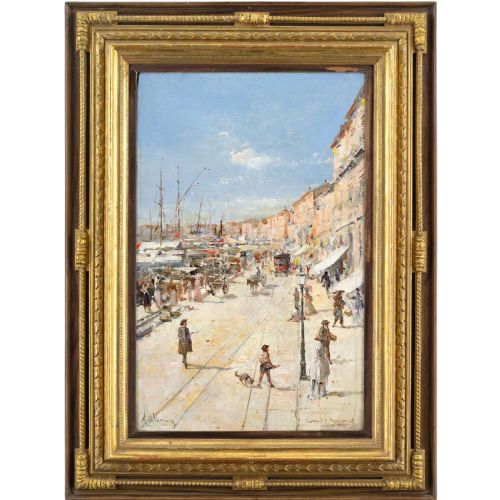
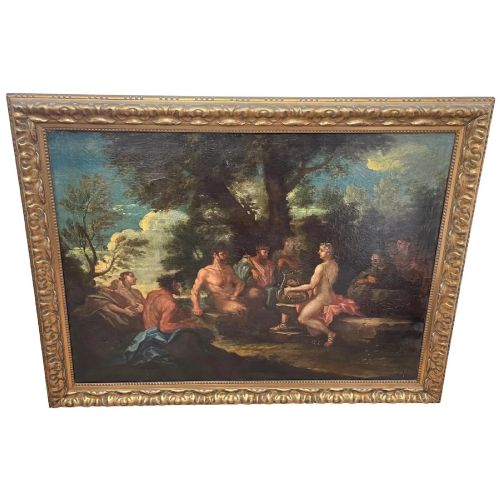
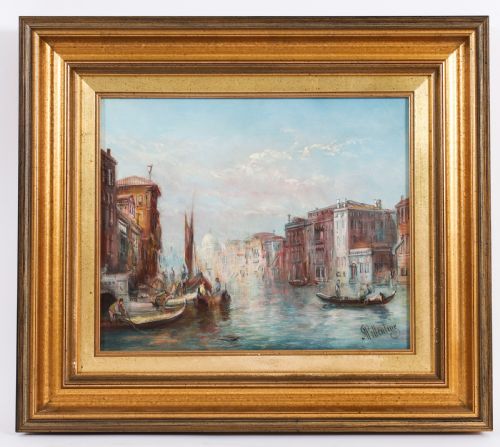
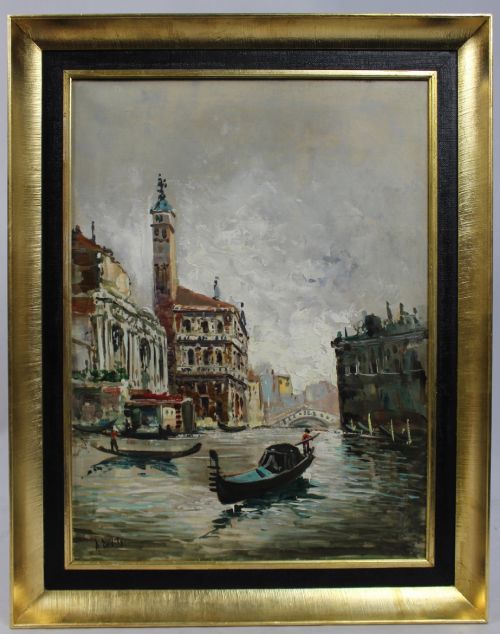
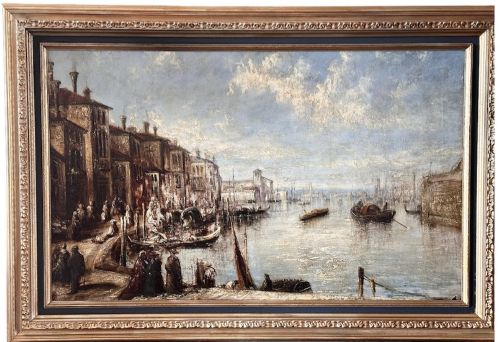
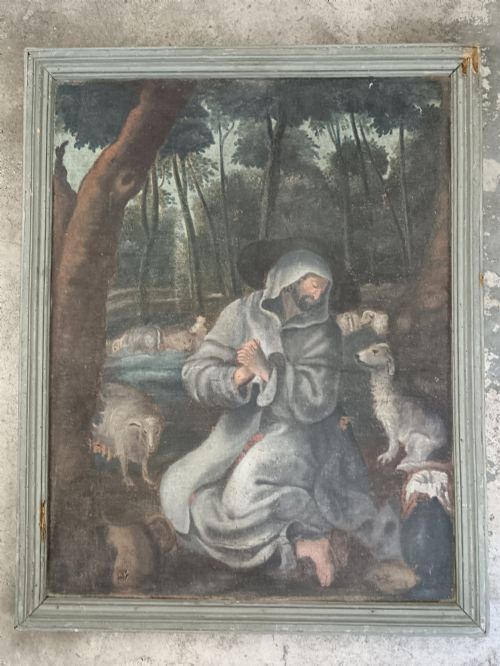
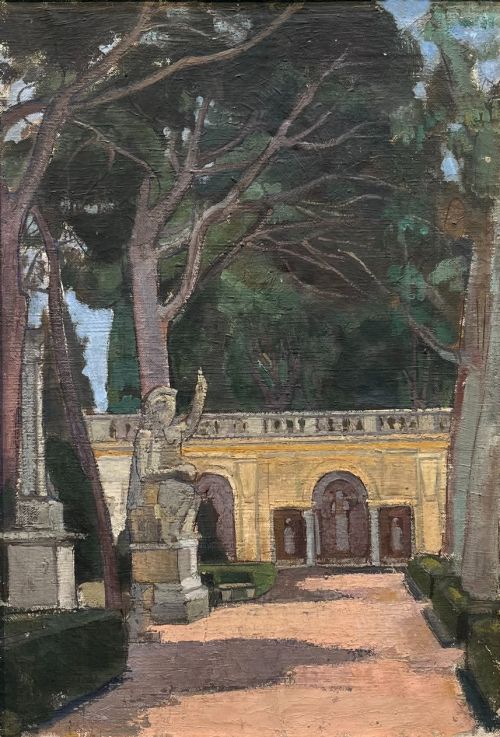
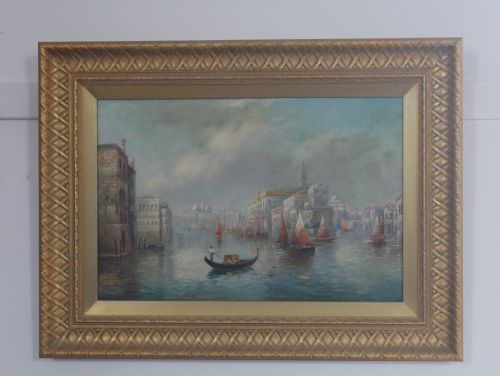
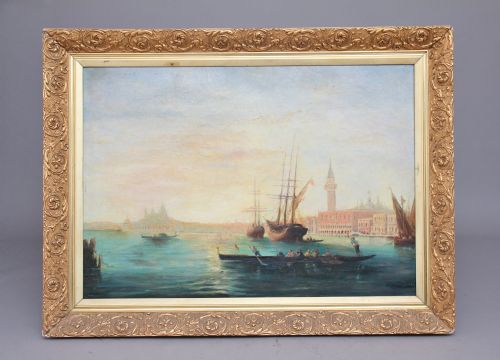
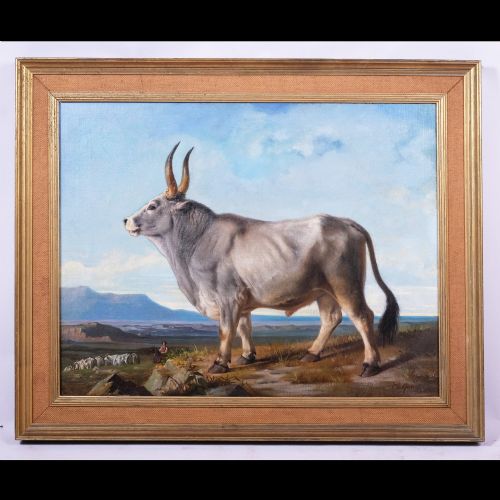
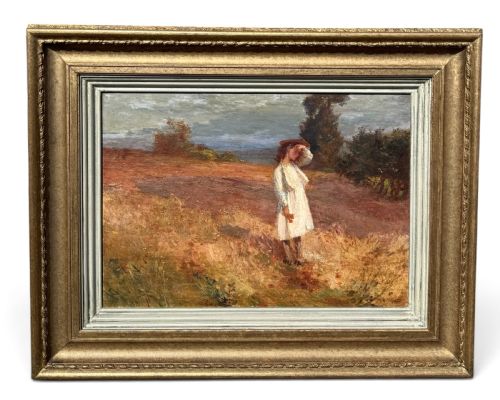
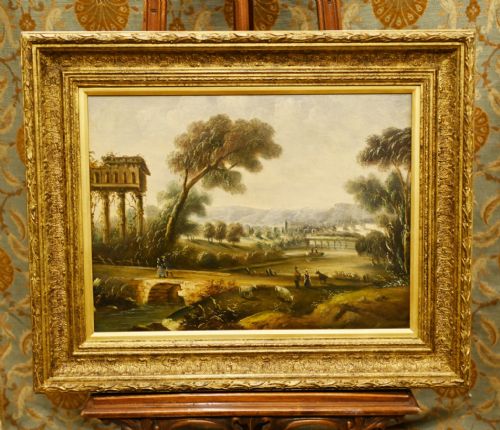
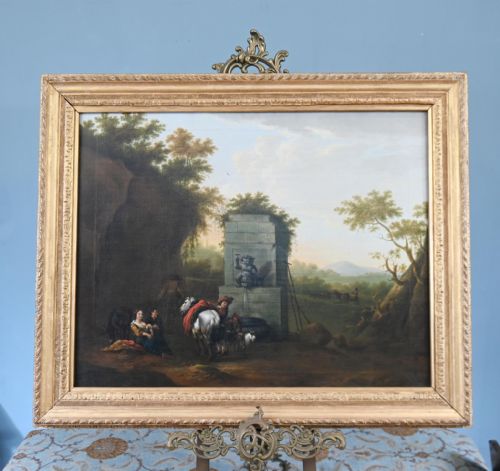
An Italian landscape oil painting depicts pastoral valleys, ancient ruins, or urban canals, drawing on centuries of artistic engagement with southern light and scenery. The selection spans grand views of Venetian lagoons and Neapolitan bays alongside intimate pastoral scenes featuring cattle and figures resting among classical architecture. Works range from seventeenth-century old masters and grand tour souvenirs to impressionist interpretations from the nineteenth and twentieth centuries.
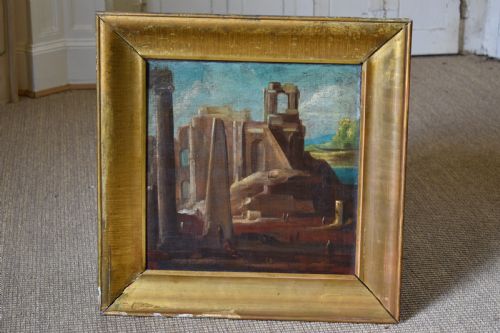
Compositions frequently employ a capriccio format, combining real monuments with imaginary architectural arrangements, or focus on specific topographical locations such as the Grand Canal, Rome, or Lake Como. Canvas supports dominate the selection, though wood panels and board appear regularly, particularly in smaller formats and miniatures from the nineteenth and mid-twentieth centuries. Many retain their original giltwood or carved wooden frames, preserving the complete historical object.
Materials and application
Paintings utilise oil pigments applied to woven canvas stretched over wooden frames, or directly onto prepared wood panels, card, and board. Brushwork ranges from the tight, detailed realism of nineteenth-century topographical views to the looser, expressive strokes of impressionist and mid-century modern canvases.
Gilded wood and gold leaf feature heavily in the construction of period frames, often heavily carved with classical ornamentation to complement the pastoral or architectural subject matter within.
Listings span centuries from the 17th Century to the 1960s, utilising oil on canvas, wood, canvas, oil paint, giltwood, gilded wood, gold leaf, and gilt.
Execution and preservation
Superior examples demonstrate confident handling of perspective, atmospheric depth, and the specific play of southern light upon stone, water, and foliage. Weaker works can display rigid drawing, heavy-handed overpainting, or flat, unconvincing spatial depth.
Condition plays a central role, distinguishing works with intact original surfaces, stable canvas tension, and minimal restoration from those suffering from extensive re-lining, pigment flaking, or compromised wooden panel supports.
Angelo Maria Crivelli·Augusto Alberici·Alfred Pollentine·Francis Moltino·Umberto Volpato·Fernando Del Basso·Giovanni Paolo Panini·Claude Lorrain·Giulio Cecchini·Claude Jousset·William Raymond Dommersen·Antonietta Brandeis·Francesco Zuccarelli·Jane Vivian·Consalvo Carelli·Antonio Allegri Correggio·Francesco Albani·Francesco Guardi·Franz Joachim Beich·Felice Auguste Rezia·Salvator Rosa·James Eadie-Reid·Louis Bélanger·Hugh Vane Turner·Carlo Follini
The Italian Landscape Oil Painting Glossary
- Capriccio
- An architectural fantasy placing together classical ruins, buildings, and other architectural elements in a fictional landscape setting. This compositional device allowed artists to arrange picturesque elements for maximum visual harmony.
- Grand Tour
- A traditional trip of Europe undertaken by upper-class European young men of sufficient status and rank, resulting in the acquisition of local art such as topographical oil paintings. These souvenirs documented travels through Venice, Rome, and Naples.
- Pentimento
- A visible trace of earlier painting underneath a layer of paint, showing where the artist changed their mind during composition. This alteration serves as a marker of an authentic, working hand.
- Old Master
- A term for a European painter of skill working before about eighteen hundred. These works form the historical foundation for later schools of landscape painting.
Italian Landscape Oil Painting: Frequently Asked Questions
How do I identify a Grand Tour painting?
Grand Tour paintings typically depict recognizable Italian vistas, monuments, or coastal scenes intended as travel souvenirs for foreign visitors during the eighteenth and nineteenth centuries. They often feature accurate topographical landmarks combined with picturesque figures in local costume.
Look for traditional signatures of the genre, such as views of the Venetian lagoon, Roman ruins, or the Bay of Naples with Mount Vesuvius in the background.
What is a capriccio landscape?
A capriccio is an architectural fantasy artwork that places real ruins, classical buildings, and imaginary structures into a single invented landscape composition. Artists used this method to create an idealized view of Italy rather than an exact record.
These pieces often mix Roman arches and classical temples with imaginary pastoral rivers, mountains, and resting figures.
How should I care for an antique oil painting?
Antique oil paintings require stable environmental conditions away from direct sunlight, high humidity, and rapid temperature fluctuations. Keep the canvas and wooden frame clean using a soft, dry brush without applying water or chemical cleaners.
Ensure the hanging wall is structurally sound to support heavy giltwood frames, and avoid placing paintings near active heat sources that could dry out the canvas or wood panel.
Are miniature oil paintings genuine period pieces?
Miniature oil paintings on wood panel, card, or board were frequently produced during the nineteenth and early twentieth centuries as portable artworks for travellers. Many are signed or attributed to known regional schools and bear the same hand-mixed pigments as larger canvases.
Examine the reverse of the panel or board for period inscriptions, framing remnants, and historical labels that confirm the date of execution.