

Italian Grand Tour Sculpture
These Italian grand tour sculpture pieces bring classical antiquity and Renaissance mastery directly into domestic spaces as they did for nineteenth-century travellers.
Italian Grand Tour Sculpture
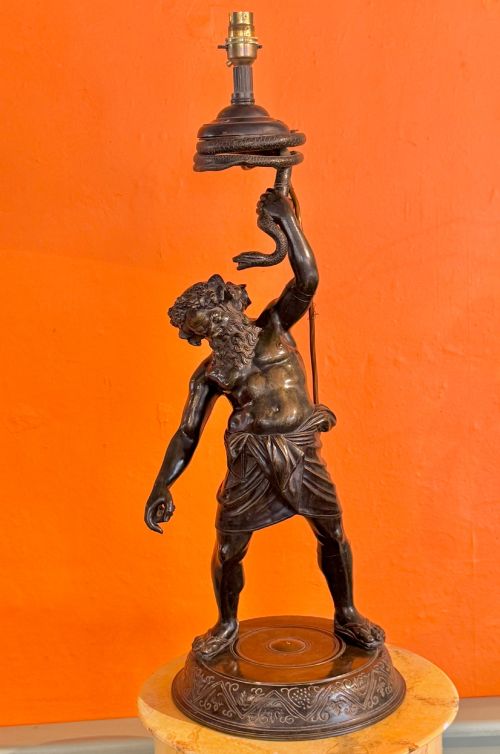
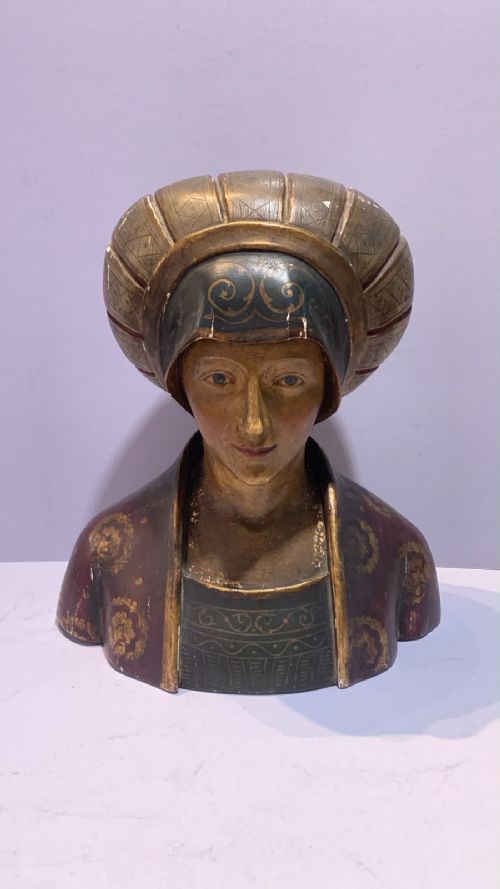
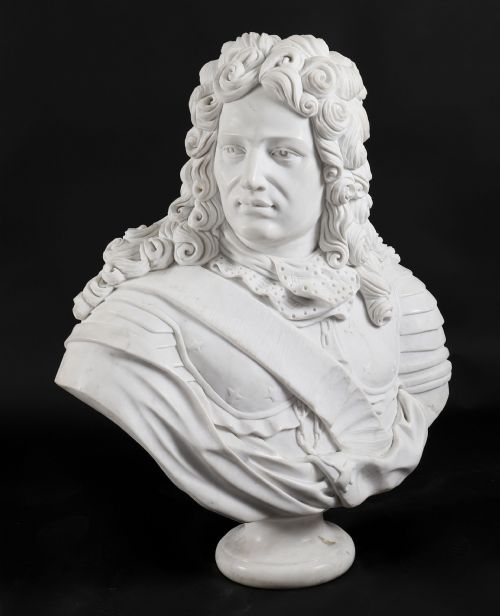
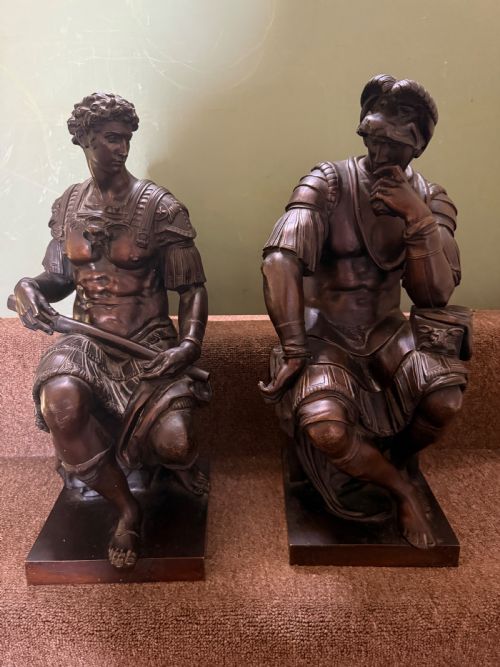
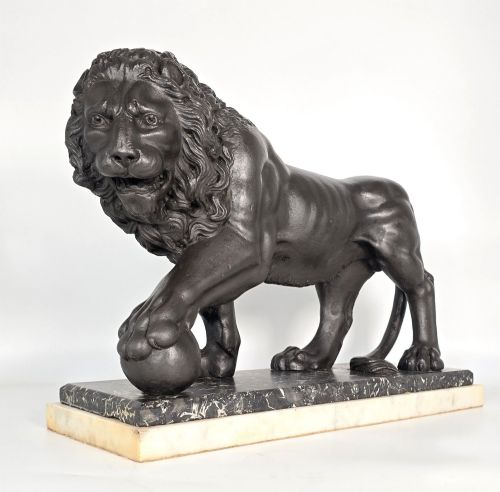
When you search for italian grand tour sculpture, you encounter miniature bronze reductions of classical statues, carved marble architectural models, and alabaster figures collected by wealthy travellers on European journeys during the eighteenth and nineteenth centuries.
The objects on this page typically take the form of famous antiquities from Roman excavations or Renaissance masterpieces by sculptors such as Michelangelo and Giambologna.
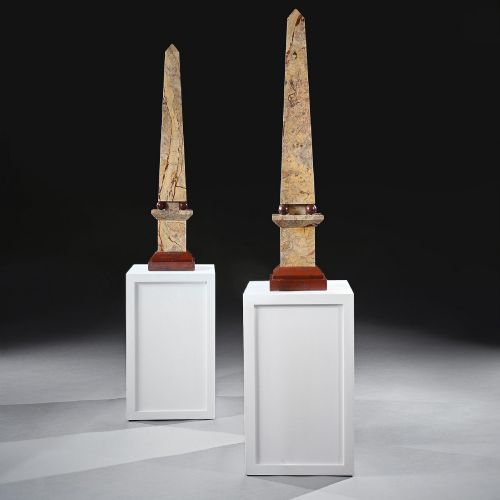
Most examples date from the nineteenth century, ranging from cabinet-sized animal figures and mythological subjects to monumental pairs of marble obelisks and architectural columns.
Materials and technique
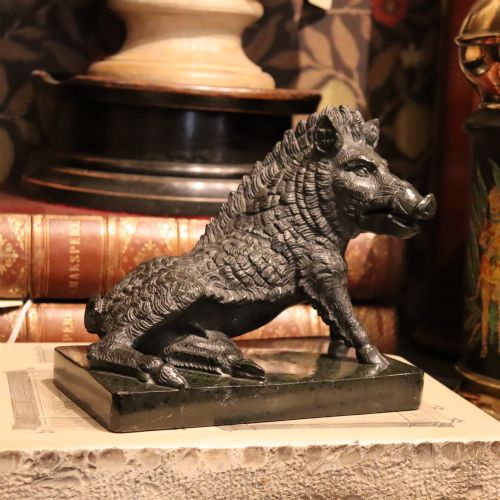
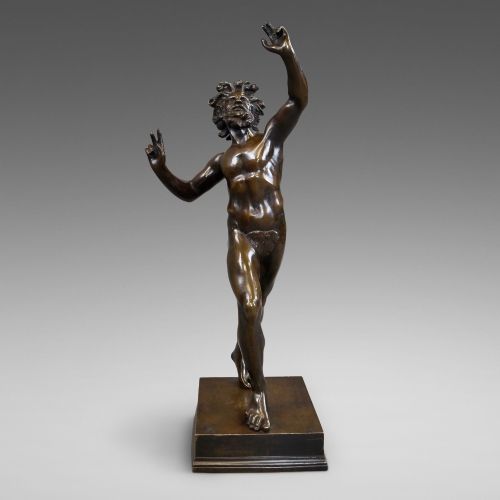
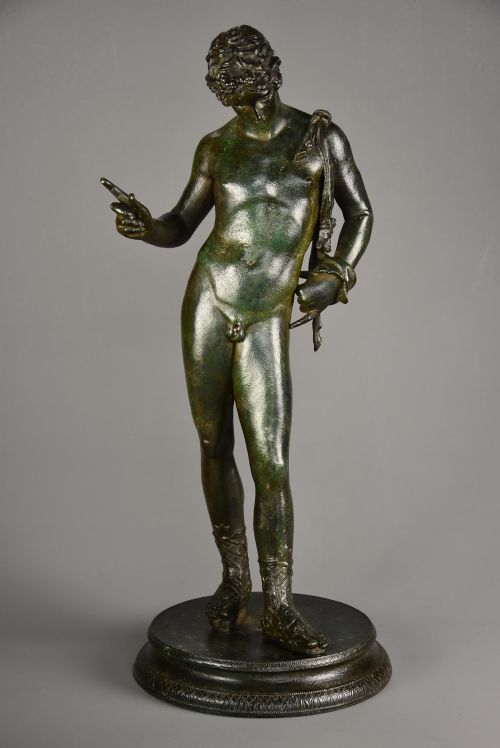
Foundry workers utilised the lost-wax casting method for bronze figures, applying chemical patinations in varying shades of green, brown, and dark tones to simulate aged metal.
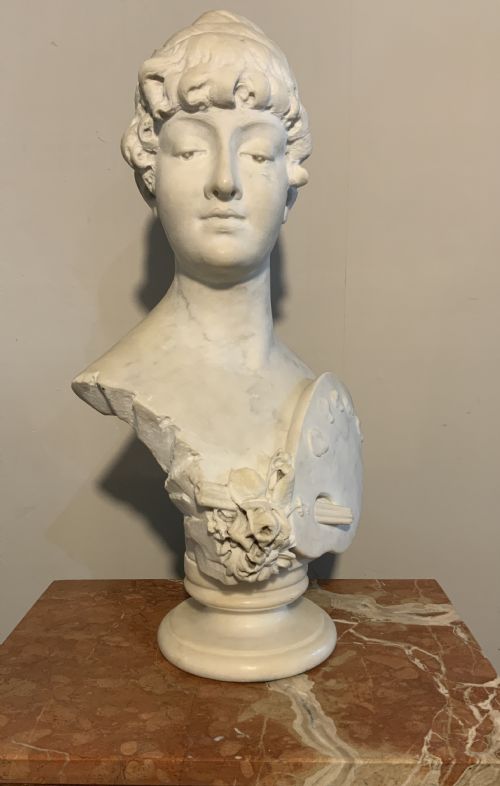
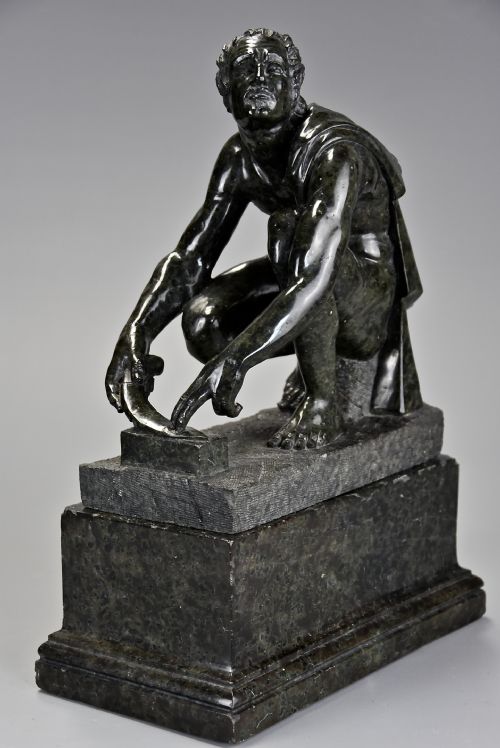
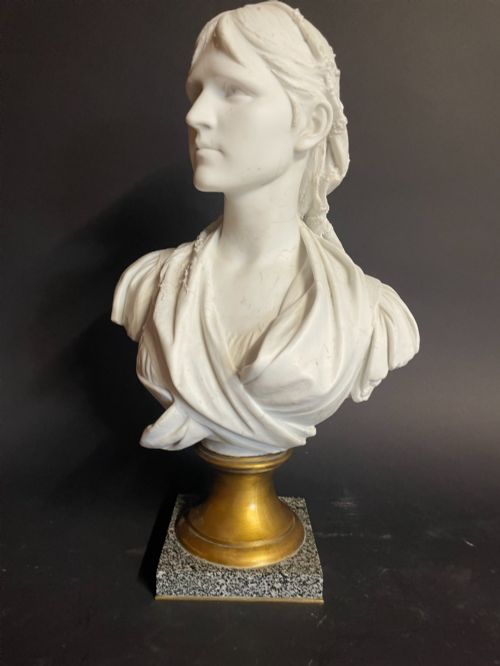
Lapidaries carved marbles such as Carrara, serpentine, portasanta, and rosso antico using hand chisels and abrasive powders to achieve smooth, polished finishes on architectural models and animal sculptures.
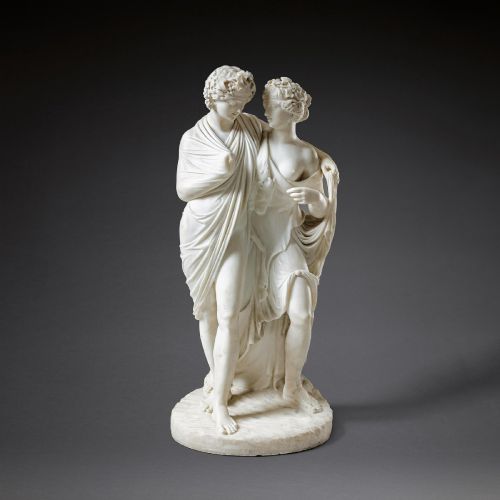
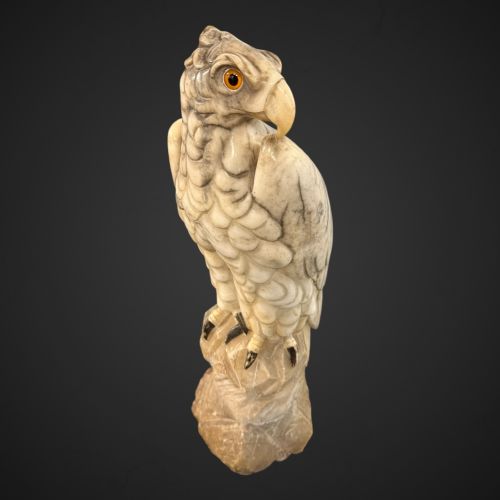
Alabaster served as a softer medium for detailed human figures, allowing workshops to replicate complex drapery and muscular forms found in ancient ruins.
Several listings capture the Florentine boar scratching its ear with an attitude of complete domestic boredom.
Assessing quality
Stone pieces demonstrate quality through the selection of veined marbles and the precision of geometric lines on architectural elements like obelisks and columns.
Signed works or those carrying foundry stamps from known Neapolitan and Roman establishments command higher regard due to documented workshop provenance.
Carlo Albacini·G. Amodio Naples·R. Mattei·Benedetto Boschetti
The Italian Grand Tour Sculpture Glossary
- Patination
- The chemical treatment applied to the surface of a bronze sculpture to create colour and simulate age. This process produces distinct green or dark brown finishes.
- Reduction
- A scale copy of a larger monumental sculpture made for private collection. These smaller versions allowed travellers to transport classical art home.
- Serpentine
- A green-hued magnesium silicate mineral used by Italian lapidaries for carving animals and architectural models. Its mottled surface resembles snakeskin.
- Rosso Antico
- A deep red antique marble prized by Italian workshops for obelisks, tazzas, and architectural plaques. It mimics the stone utilised in ancient Roman buildings.
- Lost-wax casting
- A metalworking method where a molten bronze is poured into a mould created from an original wax model. This technique captures fine details in figurative works.
Italian Grand Tour Sculpture: Frequently Asked Questions
How were they used originally?
Travellers displayed these sculptures in their homes to demonstrate classical learning, cultural refinement, and artistic appreciation to visitors.
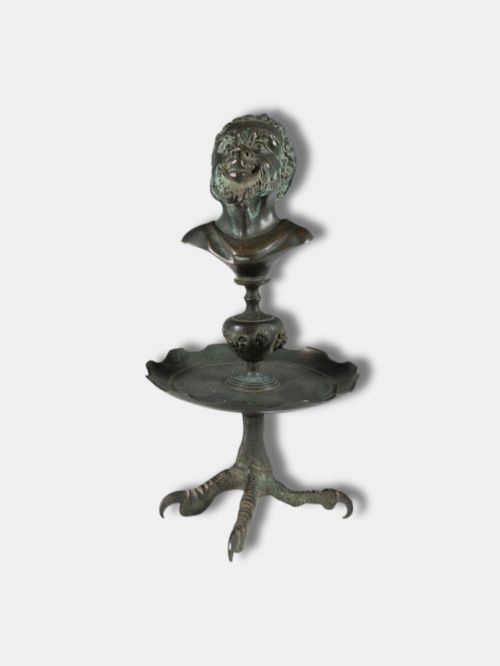
Some functional examples, such as oil lamps or inkstands, combined classical aesthetics with everyday desk use.
Where were these sculptures made?
Production centred primarily in Italian workshops located in Rome, Naples, and Florence, where skilled artisans had direct access to ancient ruins and museum collections.
Local foundries and stone-carving studios employed traditional techniques to produce reductions for the tourist market.
How do I identify the subject?
Subjects typically derive from well-known Roman statues, such as the Narcissus, the Dying Gaul, or the Dancing Faun of Pompeii.
Inscriptions on the plinth, stylistic similarities to museum originals, and standard mythological attributes help identify the specific figure.