


Italian Glazed Ceramic Urn
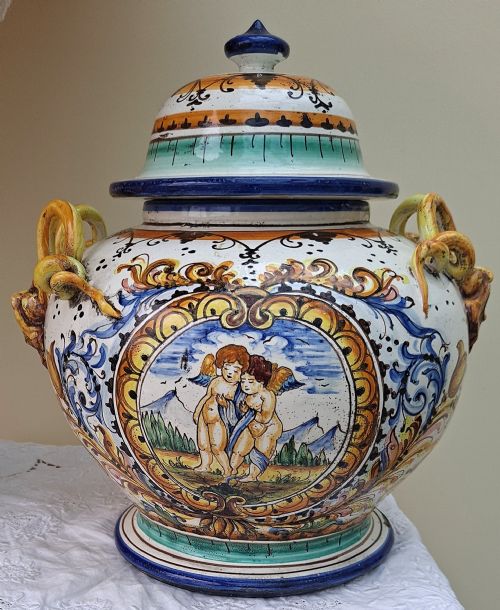
An italian glazed ceramic urn brings historic European craftsmanship into your room, offering grand forms and rich decorative tin glazes.
Italian Glazed Ceramic Urn
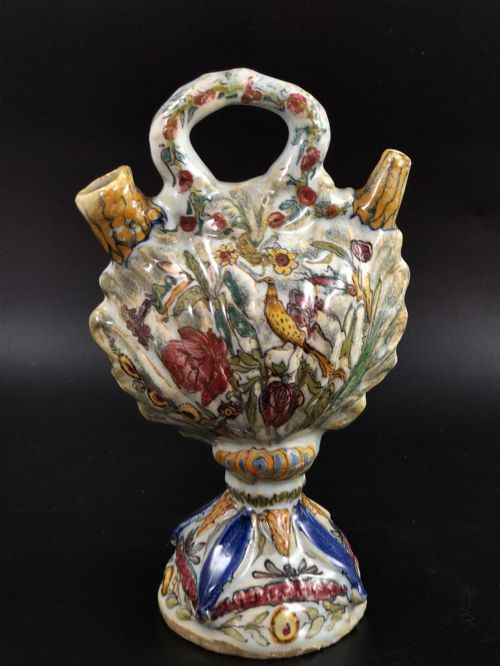
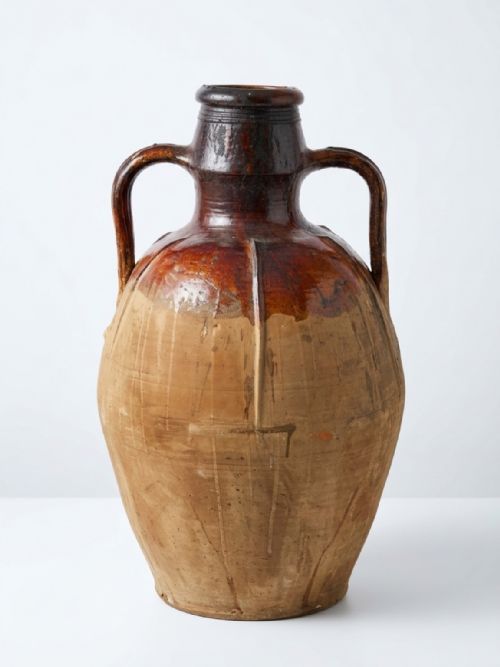
When you search for an italian glazed ceramic urn, you encounter vessels spanning the eighteenth and nineteenth centuries alongside revival pieces. These objects range from massive terracotta garden jars to cabinet vases and pilgrim flasks produced in Italian workshops.
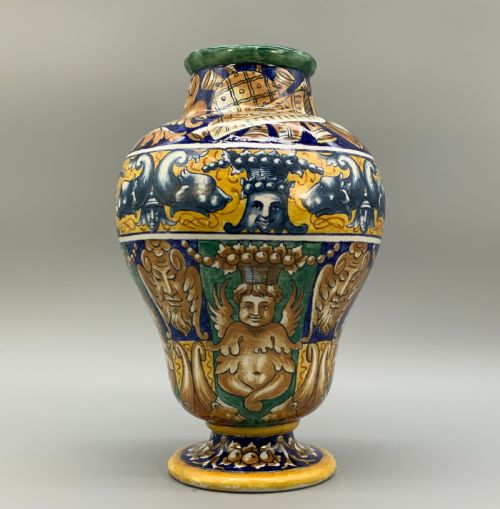
The selections on this page draw heavily from nineteenth century revivals of earlier aesthetics, including Renaissance revival and Italian Baroque styles. Alongside these, eighteenth century examples and occasional early twentieth century pottery surface.
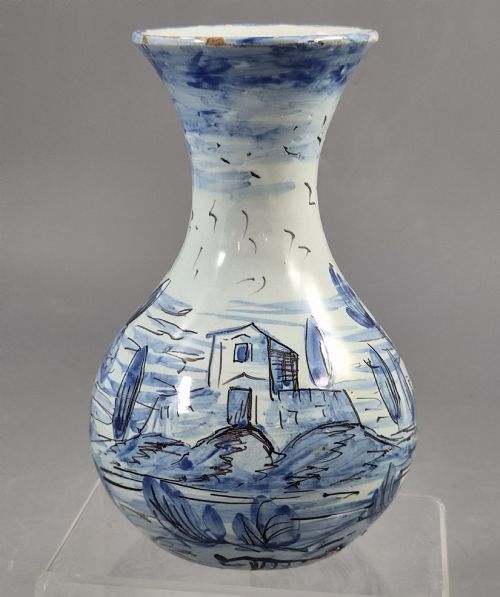
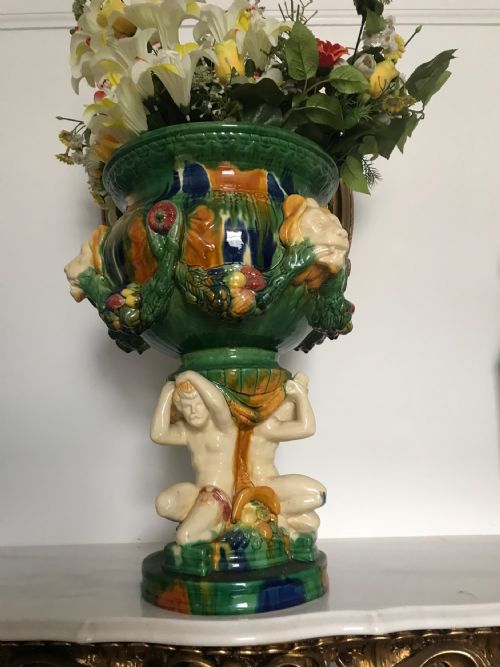
Forms vary from lidded vases and pedestal urns to figural planters supported by lions head decorations. Many items utilise traditional tin glazed earthenware surfaces painted in polychrome or blue and white palettes.
Materials and construction methods
Potters built these vessels using earthenware and terracotta bodies shaped by hand or wheel before applying a tin glaze. This opaque white or tinted glaze created a smooth ground suitable for detailed hand painting.
Artisans decorated the surfaces using pigments that fused with the glaze during firing, producing durable polychrome designs or classic blue and white schemes. Larger garden pieces often relied on robust terracotta construction without the tin glaze layer.
Several planters rely on fierce lions head decorations to keep watch over your ferns.
Assessing quality in Italian ceramics
Quality rests in the precision of the hand painting and the ambition of the vessel form, particularly where figural elements or architectural pedestals are involved. Finer pieces display crisp botanical motifs, heraldic details, or mythological scenes executed with confident brushwork.
The integrity of the glaze and the crispness of moulded details such as lions head ornaments distinguish standard production wares from exceptional studio pieces. Condition plays a role, though historic repairs and glaze crazing frequently accompany genuine age.
Cantagalli·Gallilleo Chini
The Italian Glazed Ceramic Urn Glossary
- Maiolica
- Tin glazed Italian earthenware decorated with colourful pigments on an opaque white glaze. This technique defines many traditional decorative vessels.
- Terracotta
- Fired unglazed or partially glazed clay ranging in colour from orange to brown. This material is common in large garden jars and heavy planters.
- Pilgrim Flask
- A flattened circular vessel with handles for suspension, historically used by travellers. Ceramic versions evolved into purely decorative cabinet pieces.
- Jardiniere
- An ornamental pot or stand designed to hold live plants or floral arrangements. These often feature substantial pedestals or figural bases.
- Tin Glaze
- A ceramic glaze made opaque by the addition of tin oxide. It provides a bright white background for hand painted decoration.
Italian Glazed Ceramic Urn: Frequently Asked Questions
How were these urns originally used?
Many of these vessels served as decorative display items in grand houses rather than functional containers. Larger terracotta examples held plants in gardens or courtyards.
Smaller covered urns and pilgrim flasks occupied cabinets and tables as demonstrations of wealth and artistic taste.
Are these pieces waterproof?
Tin glazed earthenware and terracotta vessels are generally porous unless specifically lined or glazed internally. Using them directly for fresh flowers requires caution to prevent moisture seeping through hairline cracks.
Protective inner vessels keep historic ceramics safe from water damage during display.
How do I tell an eighteenth century piece from a nineteenth century revival?
Eighteenth century examples display the spontaneous brushwork and subtle glaze variations characteristic of earlier studio production. Nineteenth century revival pieces often exhibit heavier bodies and more uniform glazing techniques.
Stylistic markers and recorded factory marks help distinguish original periods from later interpretations.
How should I clean my glazed urn?
Dust the surface gently with a soft, dry cloth to prevent accumulation in crevices and painted details. Avoid harsh chemical cleaners and excessive water, which can penetrate old glazes and cause historic bodies to destabilize.
Professional restoration advice is best sought if deep cleaning becomes necessary.