


Italian Gilt Pendant
An italian gilt pendant brings warmth and ornate illumination to a room, drawing the eye upwards with metallic lustre.
Italian Gilt Pendant
When you search for an italian gilt pendant, you encounter lighting fixtures designed to hang from ceilings, including multi-armed chandeliers and single-light lanterns. These items originate from periods spanning the eighteenth century through to the early decades of the twentieth century.
How they were made
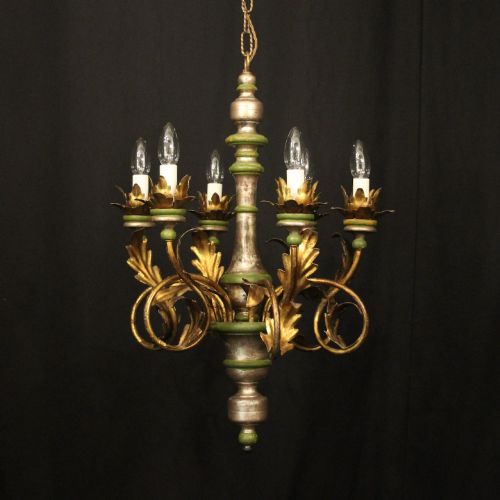
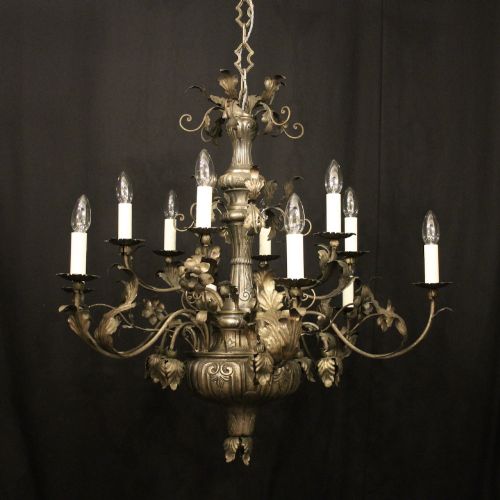
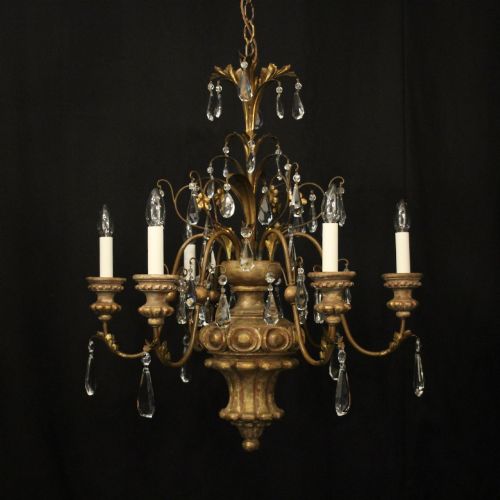
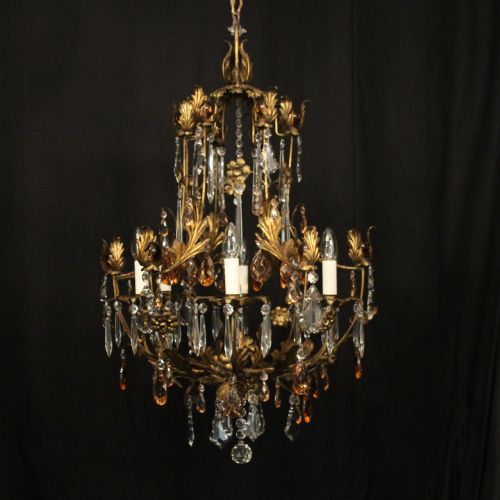
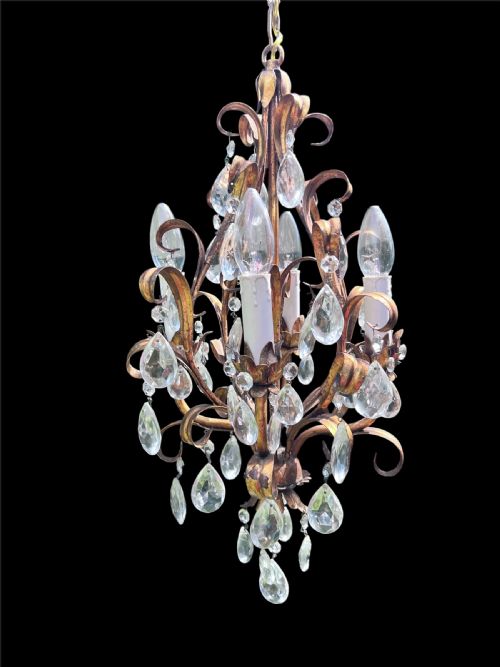
Artisans constructed these fixtures using carved giltwood, gilt metal, and wrought iron, applying gold leaf or metallic paint over wooden and metallic bases. Metal frames provide the structural skeleton for arms and tiers, while carved wood components form elaborate scrolls and leafy motifs typical of Florentine workshops.
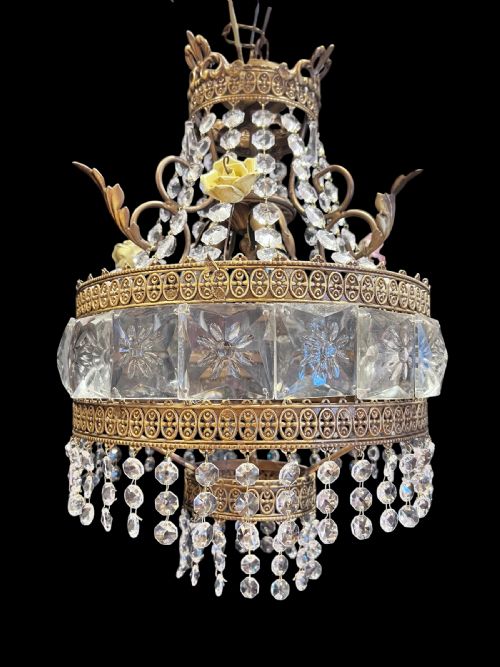
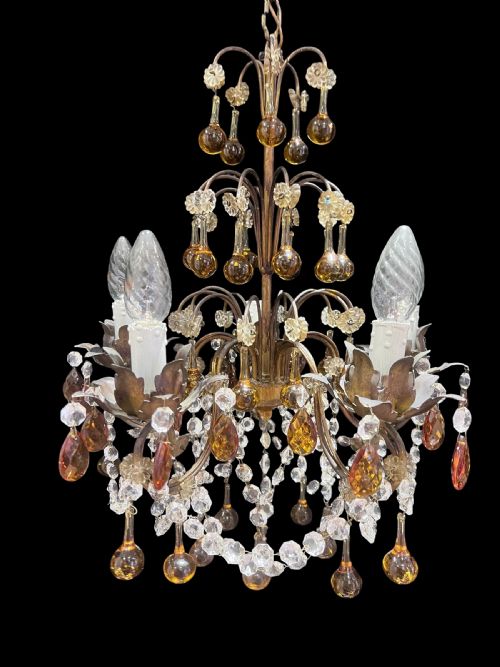
Glass and crystal elements, including drops, beads, and coloured fruits or flowers made of porcelain or glass, hang from the frames to refract light. Toleware components also appear, introducing painted sheet metal details alongside the predominant gilded surfaces.
Several chandeliers arrive ready to confuse dinner guests with artificial porcelain flowers and glass fruits dangling from the gilt arms.
What varies in quality
The distinction between tiers of quality rests on the depth of hand-carving in the wooden elements and the complexity of the metalwork. Pieces with intricate, deeply undercut giltwood foliage or finely chased gilded bronze demonstrate superior craftsmanship compared to simpler moulded or pressed substitutes.
The integration of the decorative elements further differentiates the examples, seen in the abundance and clarity of the crystal drops, hand-painted polychrome accents, and the overall coherence of the design across multi-tiered frames.
The Italian Gilt Pendant Glossary
- Giltwood
- Wood that has been treated with a thin layer of gold leaf. This material forms the carved structural and decorative components of many Florentine fixtures.
- Florentine
- A regional Italian style associated with ornate, naturalistic carving, often incorporating leafy motifs and gilt finishes. It dominates the appearance of nineteenth and twentieth-century ceiling lights from the region.
- Toleware
- Painted or enamelled sheet metal used for decorative components on lighting fixtures. It introduces colourful floral or foliage details to the metallic structure.
- Chandelier
- A branched, ceiling-mounted lighting fixture designed to hold multiple lamps or candles. These objects use arms and tiers to distribute illumination across a space.
- Polychrome
- Painted in several colours. This surface treatment adds naturalistic hues to floral elements and carved wooden details.
Italian Gilt Pendant: Frequently Asked Questions
How do I hang an italian gilt pendant?
These fixtures require secure ceiling anchor points capable of supporting their physical weight, particularly multi-tiered metal and glass examples. Professional electrical installation ensures the internal wiring safely accommodates modern voltage requirements.
Suspension height depends on room proportions and clearance needs beneath the lowest point of the frame. Hall lanterns and smaller chandeliers suit entryways, while larger multi-arm configurations anchor dining spaces or high-ceilinged reception rooms.
How do I clean an italian gilt pendant?
Maintenance involves gentle dusting with a soft brush or microfibre cloth to protect delicate gilt surfaces and hanging glass. Moisture and harsh chemical cleaners risk damaging the gold leaf and painted polychrome details.
Crystal drops and glass components can be wiped individually using a mild solution if removed from the frame. Care must be taken around antique wiring and painted sheet metal elements during any maintenance.
What is the difference between a chandelier and a lantern?
Chandeliers feature branching arms designed to hold multiple candle points or electric bulbs across one or more tiers. They rely on symmetry and an open arrangement to spread light throughout a room.
Lanterns typically enclose the light source within a structured frame featuring glass panels or open metalwork. They function well in smaller spaces such as hallways and corridors where a compact silhouette is required.
How do I date an italian gilt pendant?
Dating relies on stylistic markers, construction techniques, and materials recorded across the eighteenth, nineteenth, and early twentieth centuries. Eighteenth-century examples display hand-carved giltwood and specific regional joinery, while 1920 and 1930 pieces often incorporate machine-rolled metals alongside traditional hand-finishing.
The presence of specific glass types, electrical conversions, and polychrome pigments helps narrow the period of manufacture. Comparing the complexity of the metal armature and crystal cuts provides further context for the age of the fixture.