


Italian Ceramic Urn
An italian ceramic urn brings centuries of Mediterranean colour and sculptural form straight into a room.
Italian Ceramic Urn
When searching for an italian ceramic urn, buyers encounter a diverse selection of vessels shaped by centuries of regional design. The offerings span grand garden containers and delicate cabinet pieces, reflecting both utilitarian agricultural roots and sophisticated domestic display.
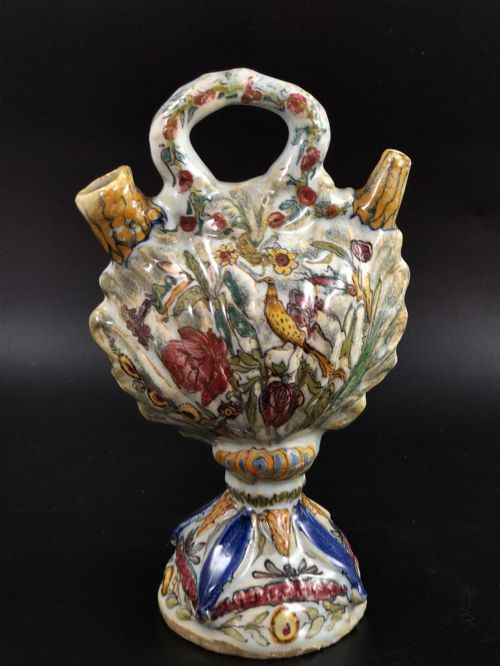
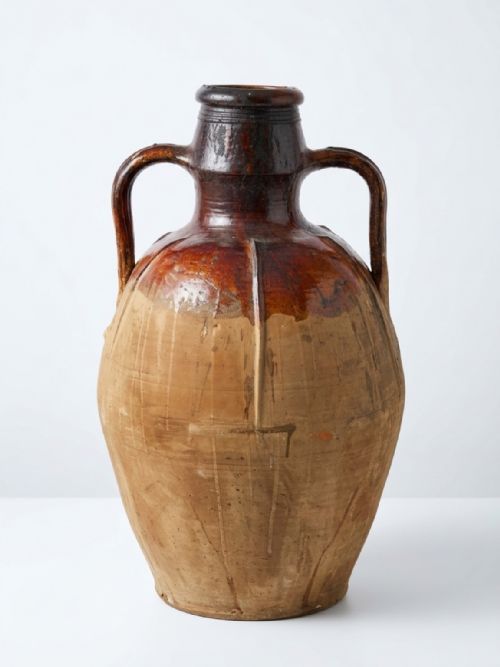
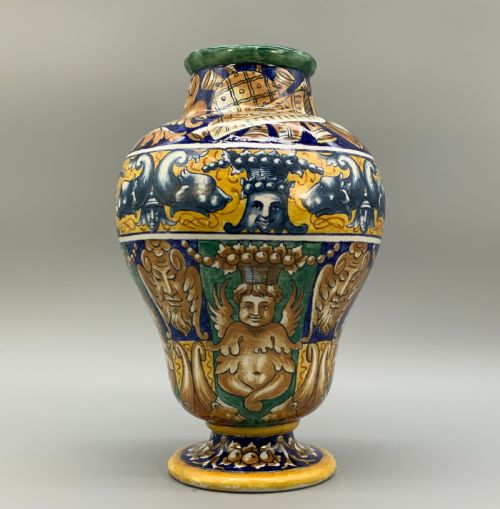
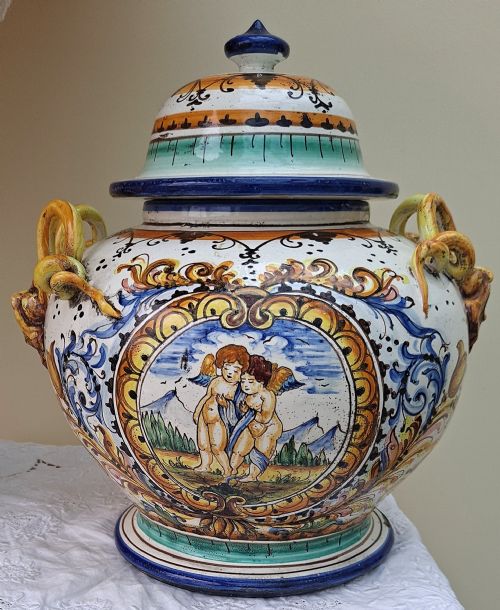
The pieces on this page draw from periods including the eighteenth and nineteenth centuries, alongside early twentieth-century examples. Forms range from monumental terracotta wine and oil jars to lidded majolica vases and decorative jardinieres.
Stylistic influences vary widely across the selection, featuring Renaissance Revival, Italian Baroque, and Art Nouveau expressions. Many objects demonstrate direct ties to traditional Italian ceramic centres such as Florence and Naples.
How they were made
Makers shaped these objects using earthenware and terracotta, employing both thrown and moulded techniques to achieve structural stability. Porous clay bodies formed the foundation for many garden and storage vessels intended to hold liquids or plants.
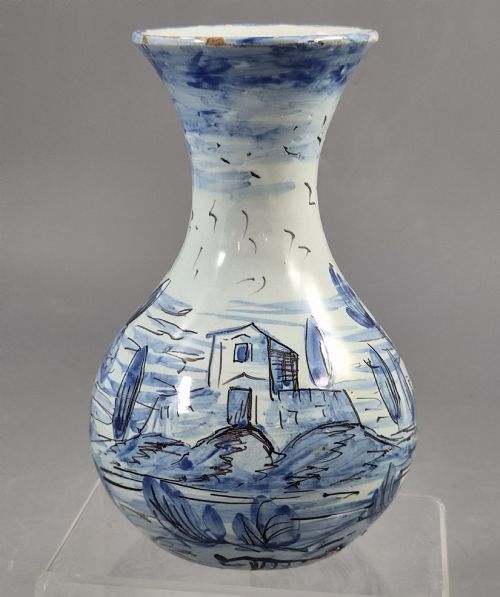
Decoration relied heavily on tin glaze, paint, and occasional gold leaf to create vibrant surfaces. Artisans applied tin-glazed earthenware finishes and polychrome pigments to achieve the rich visual depth characteristic of traditional majolica and faience.
Listings feature earthenware, terracotta, and tin-glazed vessels spanning the eighteenth, nineteenth, and early twentieth centuries.
What varies in quality
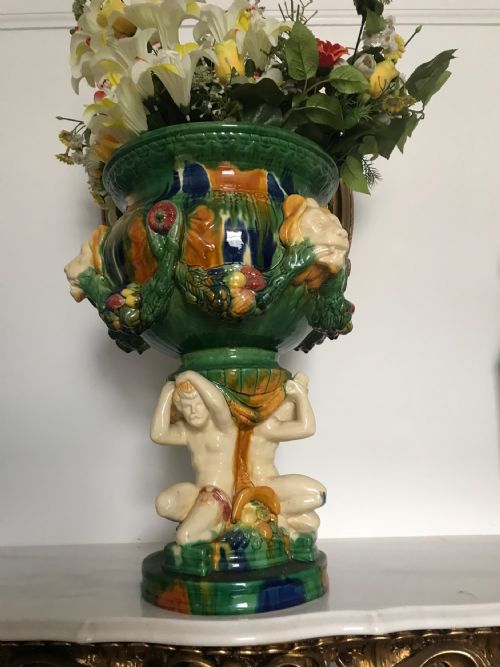
The standard of execution in painting and modelling marks the division between everyday utility wares and fine cabinet pieces. Precision in hand-painted details, such as floral Garofano motifs or figurative figural bases with lions head decoration, reveals the hand of a skilled artisan.
Material choice and surface preservation also influence the character of each piece. Intact tin glazes, well-preserved polychrome pigments, and structural integrity in large terracotta planters or lidded vases distinguish the finer examples from simpler provincial items.
Cantagalli·Gallilleo Chini
The Italian Ceramic Urn Glossary
- Maiolica
- Tin-glazed Italian earthenware decorated with opaque colours on a white background. This technique allowed for intricate polychrome storytelling across vases and urns.
- Terracotta
- Fired unglazed clay ranging in colour from pale buff to deep red. It served as the primary material for large garden jars, oil vessels, and grand architectural planters.
- Fiasca da Pellegrino
- A traditional pilgrim flask shape often featuring a flattened body and loop handles. These vessels were historically designed for travel but evolved into decorative cabinet pieces.
- Jardiniere
- A large ornamental pot or stand designed to hold growing plants or floral arrangements. They frequently appear on pedestals or figural bases in nineteenth-century Italian ceramics.
- Capodimonte
- Fine porcelain and ceramic ware originating from the famous Naples factory established in the eighteenth century. Pieces from this tradition often incorporate elaborate sculptural modelling and relief work.
Italian Ceramic Urn: Frequently Asked Questions
Can terracotta garden urns stay outside in winter?
Most historic terracotta vessels are sensitive to frost because trapped moisture in the porous clay expands as temperatures drop. Bringing large planters indoors or sheltering them during freezing weather prevents cracking.
If left outdoors, elevate the urns on pot feet to improve drainage and keep them clear of standing ice.
What is the difference between majolica and faience?
Majolica specifically refers to tin-glazed earthenware produced in Italy with opaque coloured glazes. Faience is a broader European term that often describes similar tin-glazed pottery traditions developed outside Italy.
Both techniques share a white tin-glaze foundation that accepts hand-painted pigments before a final second firing.
How can I tell a nineteenth-century revival piece apart?
Nineteenth-century revival works often emulate earlier Renaissance or Baroque styles with heavier potting and bright polychrome glazes. Look closely at the glaze consistency and the style of the painted ornament for clues to the Victorian era.
Makers during this period frequently drew direct inspiration from sixteenth-century majolica forms while utilising contemporary production methods.