



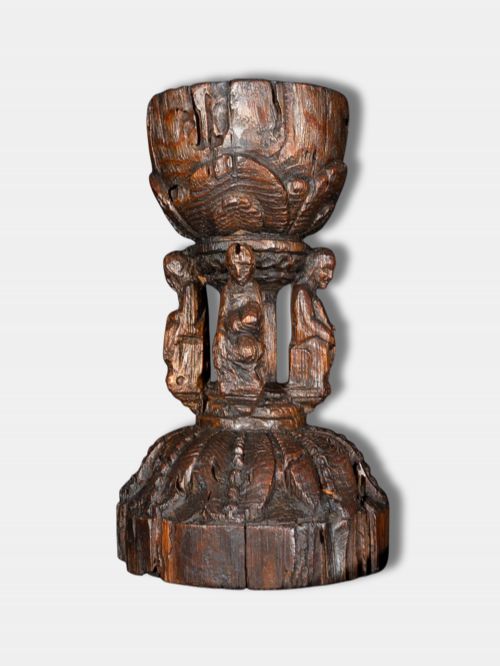
Italian Carved Sculpture
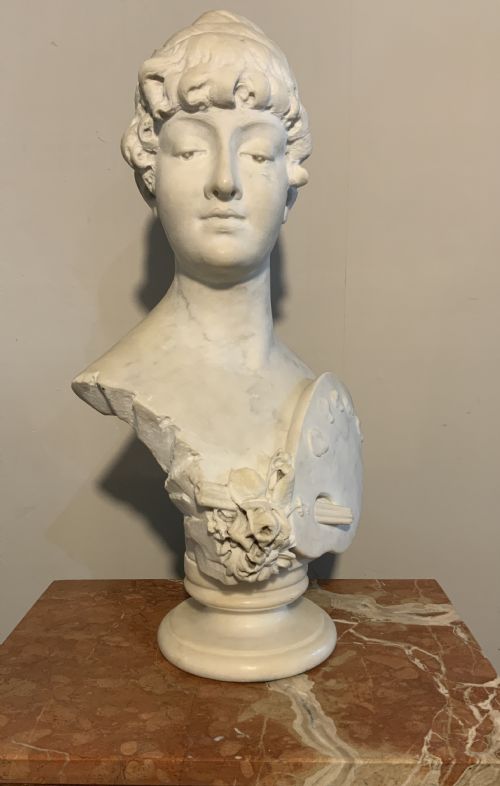
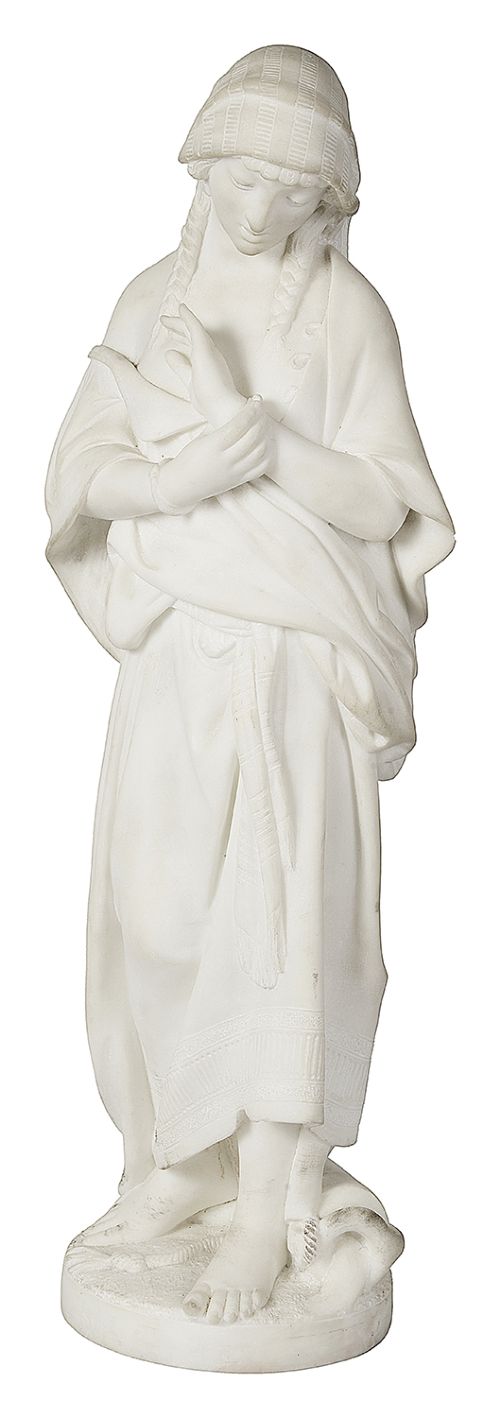
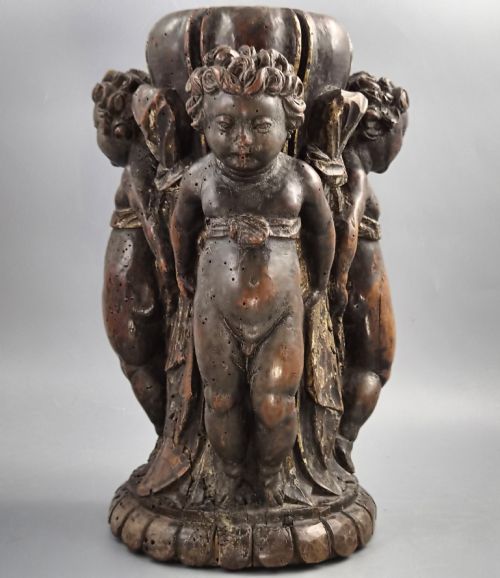
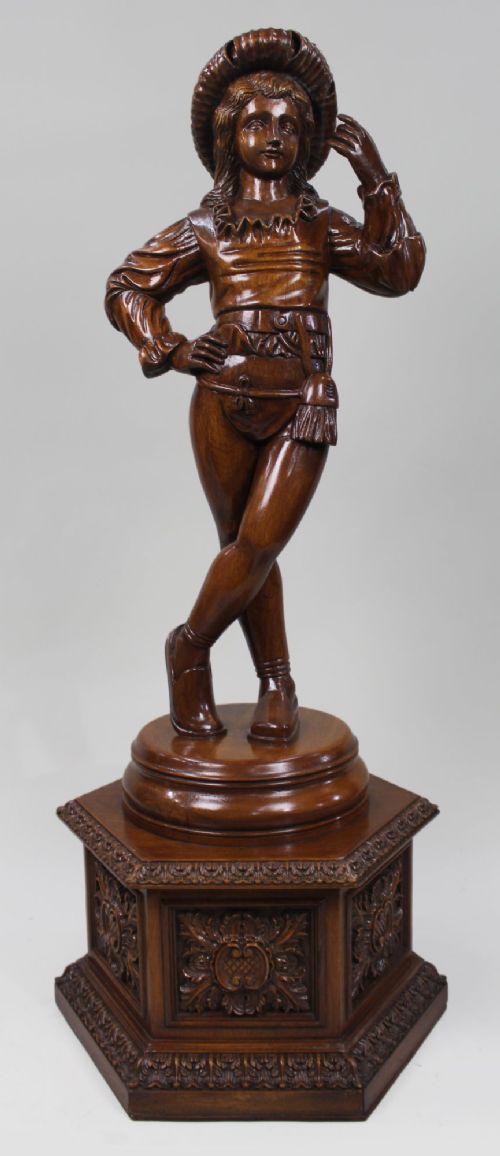
Italian carved sculpture covers centuries of marble, alabaster and wood, from classical Grand Tour reductions to baroque ecclesiastical figures collected for their form and material.
Italian Carved Sculpture
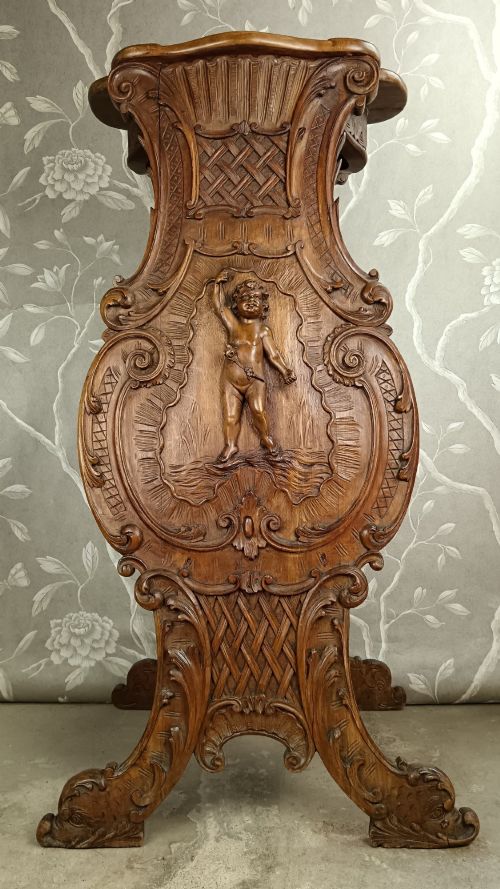
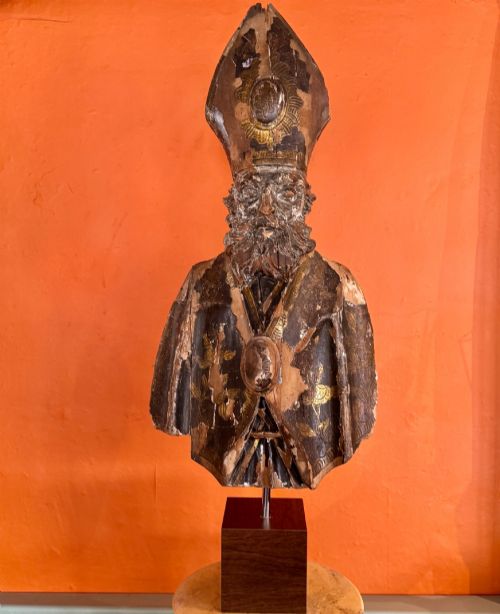
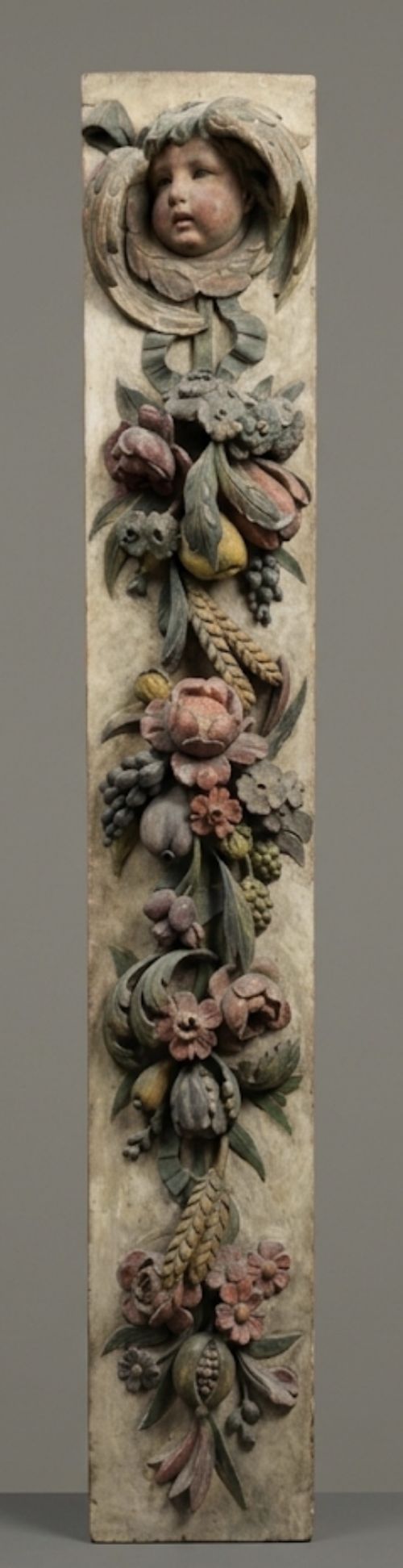
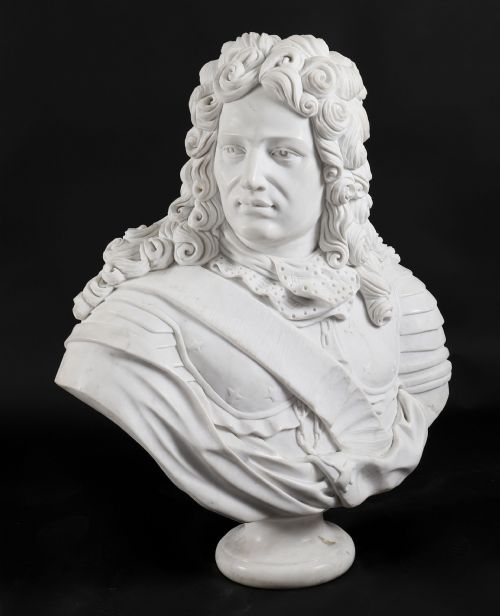
An Italian carved sculpture encompasses classical marble reductions, alabaster figures, and detailed wooden ecclesiastical pieces spanning from the seventeenth century through the early twentieth century. Buyers encounter a strong representation of nineteenth-century Grand Tour souvenirs alongside baroque panels, religious busts, and decorative architectural fragments.
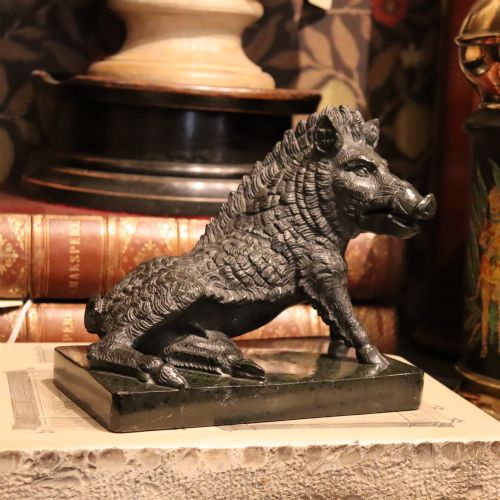
The material selection ranges from Carrara and serpentine marble to polychrome wood and soft alabaster, often taking the form of mythological figures, animal studies after the antique, and portrait busts. Many smaller works served as travel souvenirs for collectors touring Italy, while others originated as architectural ornaments, pedestals, and church furnishings.
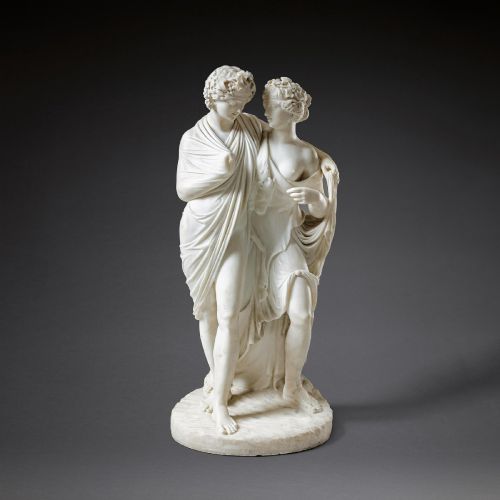
Figurative subjects dominate the selection, including representations of classical deities, historical personages, and allegorical groups derived from renowned Renaissance and antique prototypes. Alongside these standalone figures, utilitarian forms such as torchieres, lecterns, and tazzas demonstrate the integration of sculpture into functional interior objects.
How They Were Made
Marble and alabaster pieces were shaped from solid stone blocks using pointed chisels, rasps, and abrasive drills to achieve smooth contours and fine anatomical detail. Workshops often employed pointing machines to accurately scale down classical antiquities for the Grand Tour market.
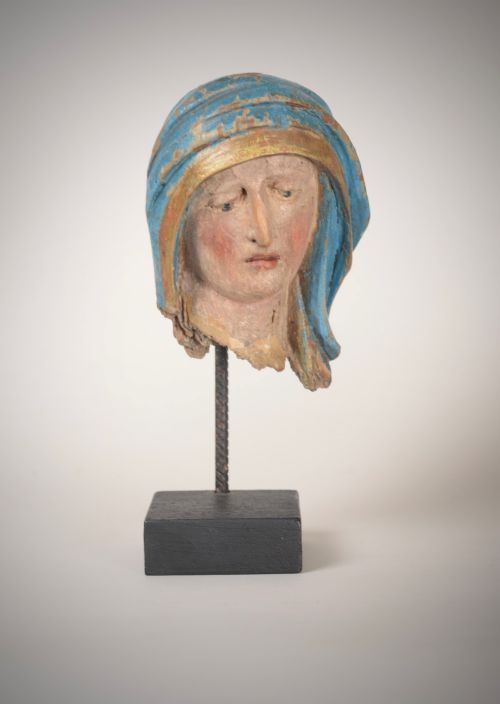
Wooden sculptures relied on seasoned timbers such as walnut, oak, chestnut, and olive wood, worked with gouges and chisels before receiving surface treatments like gesso, polychrome paint, or gilding with gold leaf.
Many stone and alabaster works combined varied mineral types, utilising veined varieties like Siena marble, verdo prato, and rosso antico to introduce natural colour and contrast into bases, drapery, and architectural elements.
Listings feature Italian carved sculpture spanning from the seventeenth century through the mid-twentieth century, encompassing marble, alabaster, carved wood, and gilded finishes.
What Varies in Quality
The choice of raw material impacts the presence and longevity of the object, with dense Carrara marble and flawless multi-toned alabaster holding finer detail than lesser stone containing natural inclusions. Selection of well-seasoned woods and the preservation of original polychrome paint layers similarly elevate wooden figures and panels.
Carlo Albacini·Barranti·Antonio Canova·A. Gamay·A. Saccardi·Pugi·A. Gory·L. Morelli·Pittaluga·Valentino Besarel·Benedetto Boschetti·R. Mattei·Pozzi
The Italian Carved Sculpture Glossary
- Grand Tour
- A nineteenth-century tradition where wealthy travellers collected souvenirs such as marble and alabaster sculptures of classical antiquities in Italy.
- Carrara marble
- A type of white or blue-grey marble quarried in the city of Carrara in Tuscany, widely favored for classical statuary.
- Alabaster
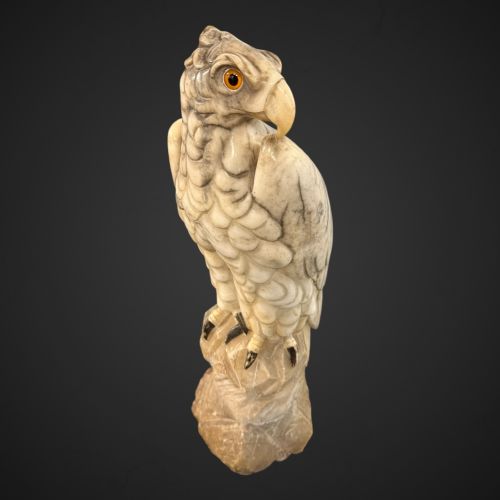
- A fine-grained, translucent stone that is softer than marble, frequently utilised for nineteenth-century figurative carvings and portrait busts.
- Serpentine
- A group of green silicate minerals often polished for use as decorative green marble in Grand Tour models and architectural bases.
- Polychrome
- Painted, printed, or decorated in several colours, commonly found on wooden religious sculptures and panels from earlier centuries.
- Torchiere
- A tall stand or ornamental candlestick, often taking the form of a carved wooden figure or pedestal base.
Italian Carved Sculpture: Frequently Asked Questions
What is a Grand Tour sculpture?
A Grand Tour sculpture is a souvenir piece produced in Italy during the eighteenth and nineteenth centuries, typically depicting famous classical antiquities, architectural ruins, or mythological figures for travelling collectors.
These reductions allowed buyers to bring museum-scale masterworks into domestic interiors, fashioned from materials like serpentine marble, alabaster, and bronze.
How do I care for marble and alabaster?
Marble and alabaster require gentle dusting with a soft, dry cloth and must be kept away from excessive moisture, direct sunlight, and sudden temperature shifts.
Alabaster is particularly porous and soft compared to marble, meaning it dissolves in water and scratches easily under abrasive cleaning methods.
What is the difference between marble and alabaster?
Marble is a hard, crystalline metamorphic rock capable of taking a high, durable polish, whereas alabaster is a softer stone with a translucent quality that allows light to penetrate the surface.
Sculptors utilised alabaster for its smooth texture and ease of carving, while marble provided superior structural strength for large-scale statues.
Where were Italian carved sculptures displayed historically?
These sculptures were displayed in libraries, hallways, and drawing rooms of grand houses, often placed upon dedicated pedestals, columns, or architectural table tops.
Religious carvings and ecclesiastical busts originated in churches, private chapels, and monastic settings before entering the collector market.