



Italian Carved Marble Statue
An italian carved marble statue brings classical mythology and portraiture into a room with the crisp weight of stone.
Italian Carved Marble Statue
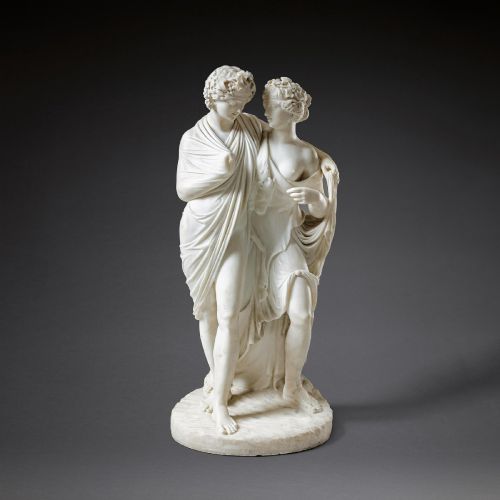
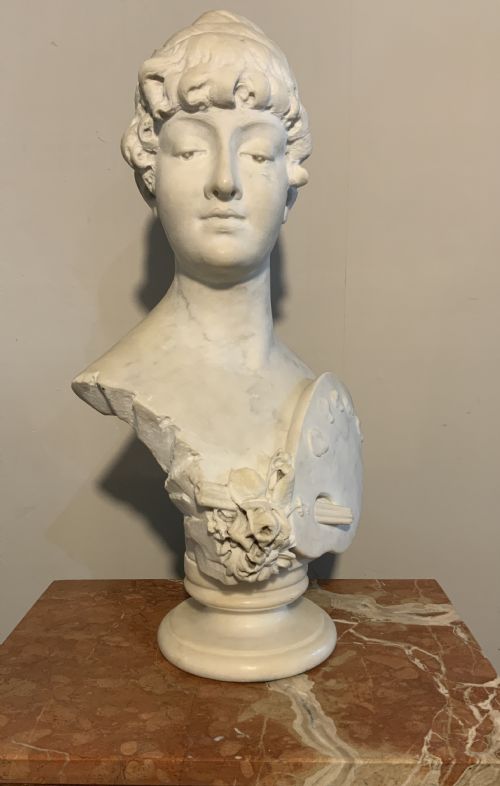
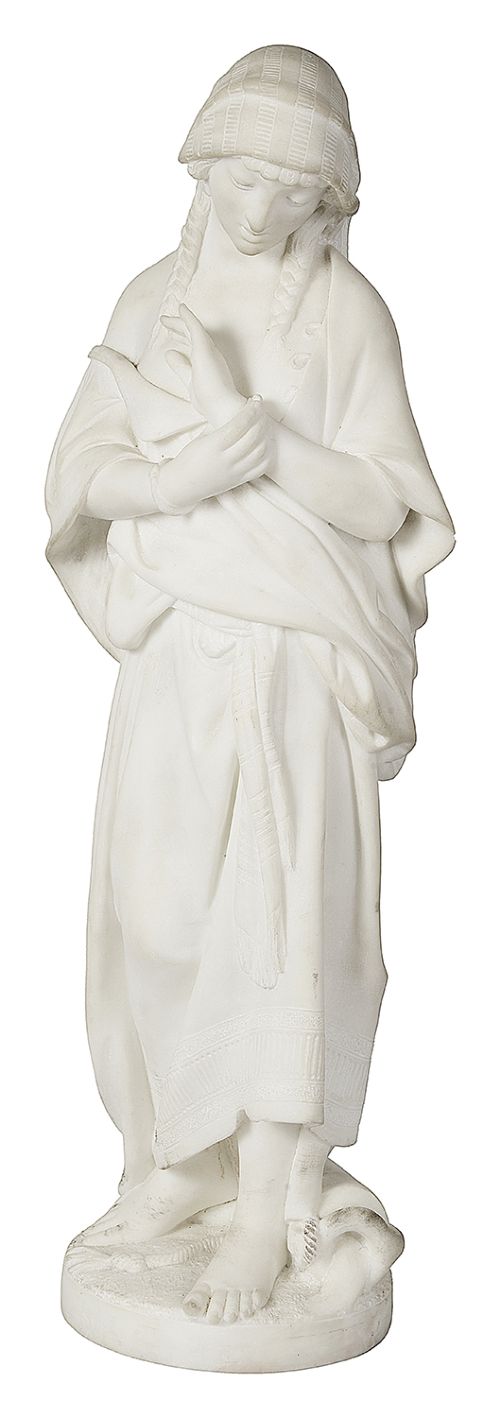
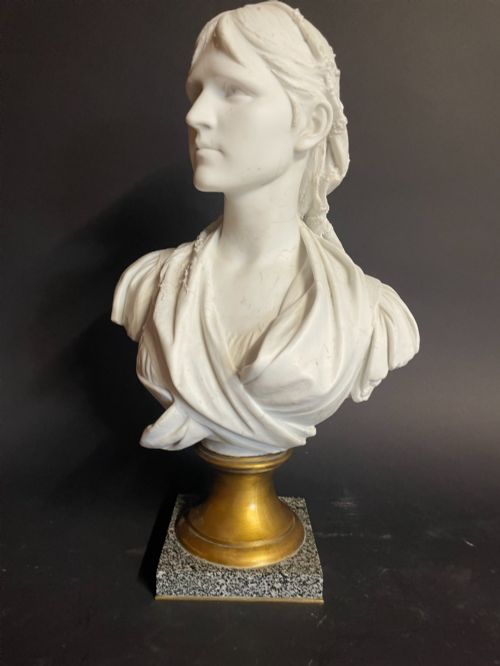
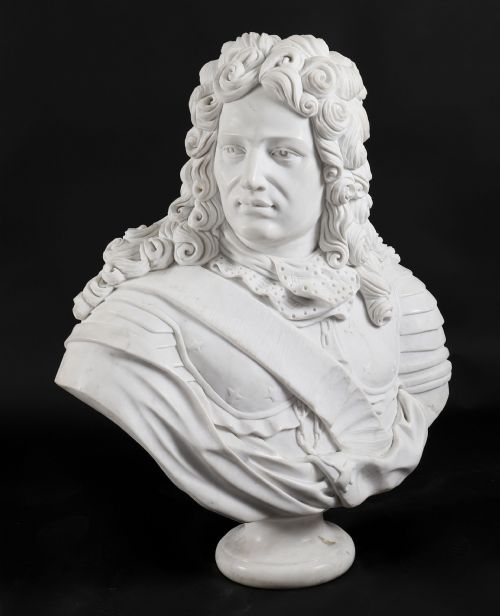
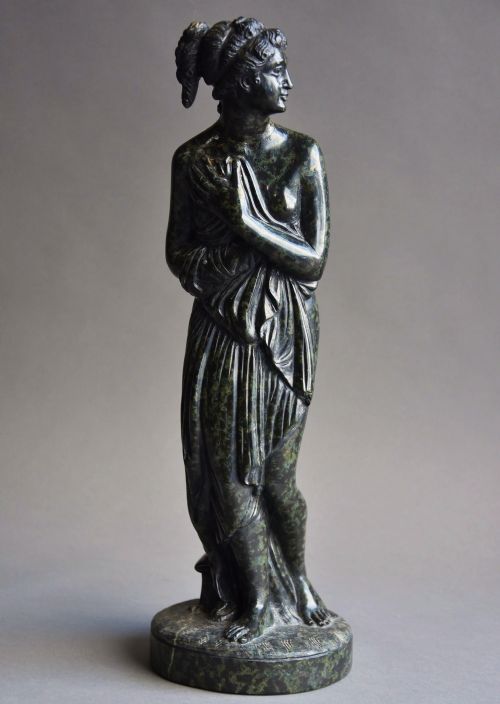
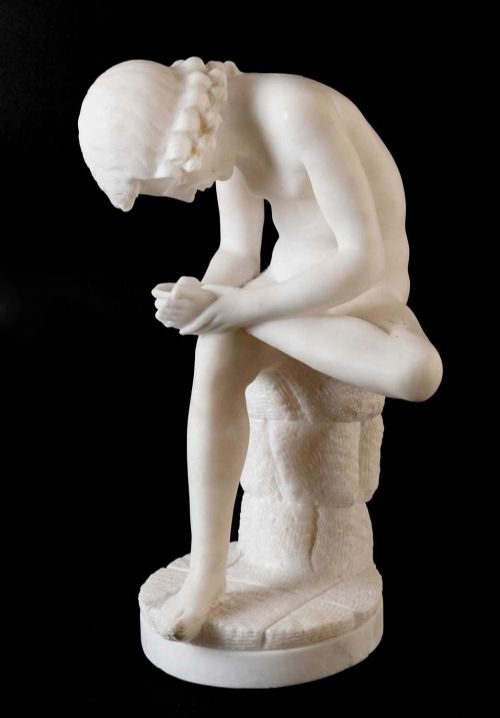
An italian carved marble statue encompasses figures, groups, and busts produced across several centuries, with nineteenth-century Grand Tour items appearing most frequently on this page. These works draw heavily on classical antiquity, replicating famous museum sculptures or depicting mythological subjects such as Bacchus, Ariadne, and Venus Italica.
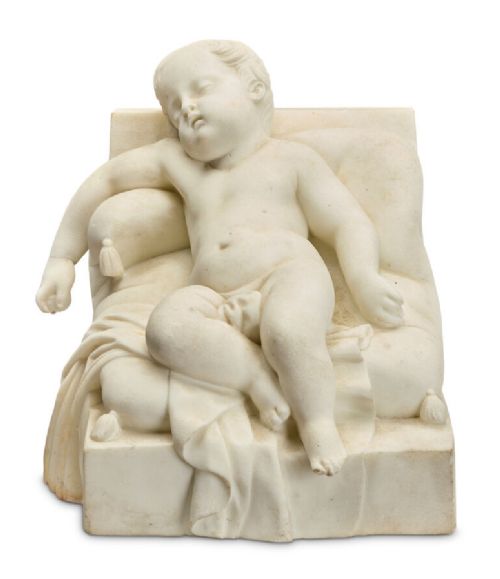
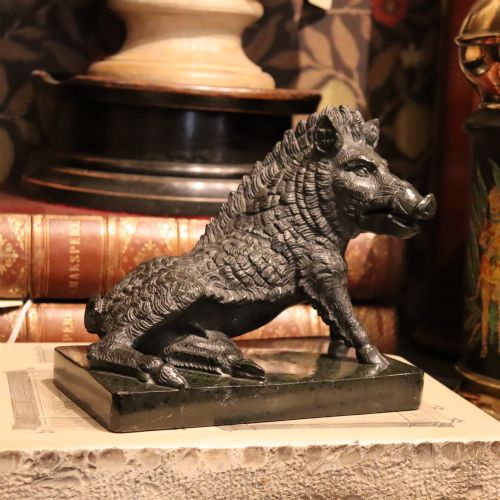
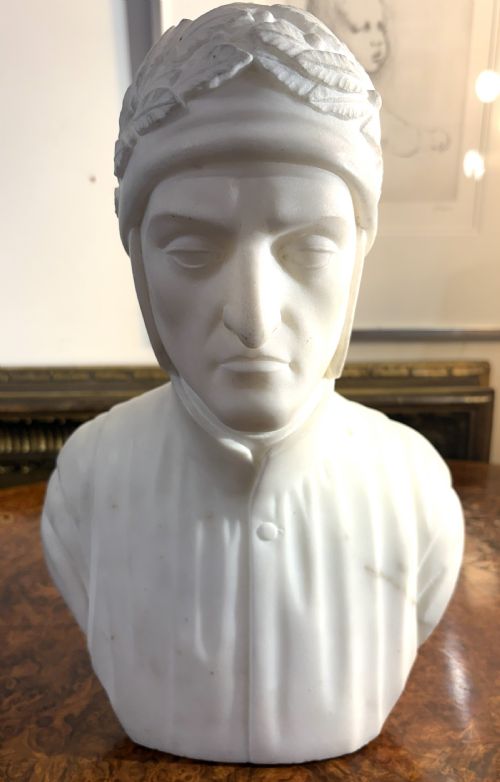
Beyond mythological subjects, the listings include historical literary figures like Dante Alighieri alongside realistic studies of animals, children, and noblemen. Makers varied from workshop carvers producing tourist souvenirs to named sculptors working in Florence and Rome.
How they were made
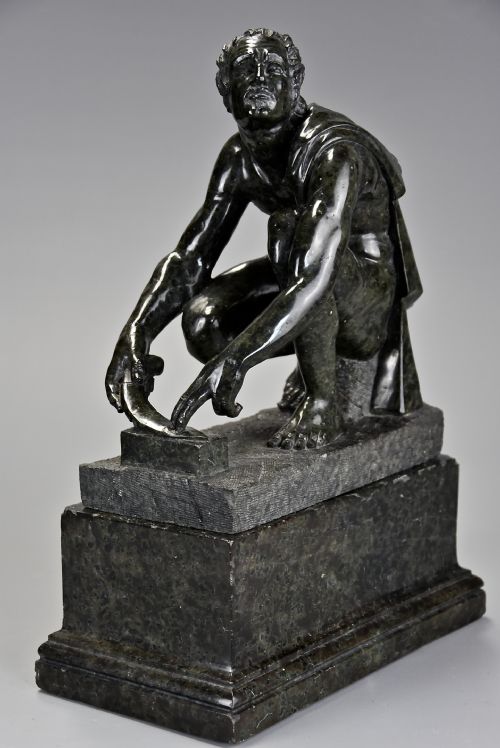
Carvers shaped these objects primarily from white Carrara marble, veined stone, and alabaster, frequently mounting figures on contrasting bases made from serpentine or vert de mer marble. Artisans utilised chisels, rasps, and abrasive drills to render fine details such as hair strands, drapery folds, and armour plating.
Many nineteenth-century items originated as reduced-scale reductions of ancient Roman or Greek originals gathered by travellers on the Grand Tour. Signatures on sculptures indicate that individual artists often finished works by hand after rough shaping in a studio.
Listings feature works spanning from the seventeenth century through the Art Deco period, utilising Carrara marble, alabaster, and green serpentine.
What varies in quality
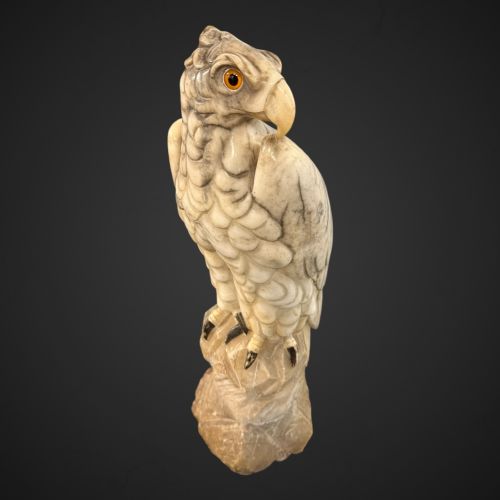
The degree of anatomical precision and the crispness of surface carving separate standard souvenir pieces from masterworks. Softer materials like alabaster show depth and translucency when carved thinly, whereas lower-quality stones remain opaque and static.
The treatment of drapery and facial expression indicates workshop skill. Superior examples capture fluid movement in hair and cloth, whereas lesser carvings display stiff, uniform lines without naturalistic fall.
Carlo Albacini·Antonio Canova·R. Mattei·Antonio Frilli·Pugi·Eduardo Giolli·P. Della Vedova·Ferdinando Vichi·Cipriani·Gugielmo Pugi·P. Emilio Fiaschi
The Italian Carved Marble Statue Glossary
- Carrara marble
- A type of white or blue-grey stone quarried in the city of Carrara in Tuscany, prized for its fine grain and consistent texture. Sculptors used this material for centuries to achieve smooth flesh tones and crisp drapery.
- Grand Tour
- A traditional trip through Europe undertaken by upper-class young men in the eighteenth and nineteenth centuries to study classical art. Travellers purchased small marble statues and bronzes to bring home as proof of their cultural education.
- Serpentine marble
- An igneous rock rich in magnesium silicate, displaying characteristic mottled green colours. Carvers utilised this dense stone for architectural bases and animal figures.
- Alabaster
- A fine-grained mineral that is softer than marble and possesses a natural translucency. Italian artists carved this material into detailed figures and lamps.
Italian Carved Marble Statue: Frequently Asked Questions
What is a Grand Tour marble statue?
These sculptures were produced in Italy during the eighteenth and nineteenth centuries for foreign travellers collecting miniature copies of classical antiquities. They served as portable testaments to a classical education and were displayed in libraries and drawing rooms.
Subjects usually included famous Roman or Greek statues housed in Italian museums, rendered in reduced scale using local stone or marble.
How do I clean an antique marble or alabaster sculpture?
Dust these items gently with a dry microfibre cloth or soft brush to prevent particles from settling into the carved crevices. Avoid using water, soap, or chemical cleaners, especially on alabaster, which is water-soluble and easily stained.
Alabaster requires particular care because moisture causes the stone to turn opaque and chalky over time. Keep sculptures away from direct heat sources and strong sunlight.
What is the difference between marble and alabaster?
Marble is a metamorphic rock formed from limestone, making it hard, durable, and suitable for both indoor and outdoor placement. Alabaster is a softer mineral compound that allows light to penetrate slightly beneath the surface, giving it a warm glow.
Carvers exploited alabaster's softness for intricate lace and hair details, whereas marble suited robust figures and garden statues.
How can I tell the age of a carved stone bust?
Examine the tooling marks, the style of the base, and any signatures carved into the stone or inscribed on a plaque. Nineteenth-century pieces often exhibit hand-finishing beneath the shoulders and historical patination accumulated over decades.
Signatures matched to known Florentine or Roman workshops from the Victorian era provide a reliable anchor for dating the work.