

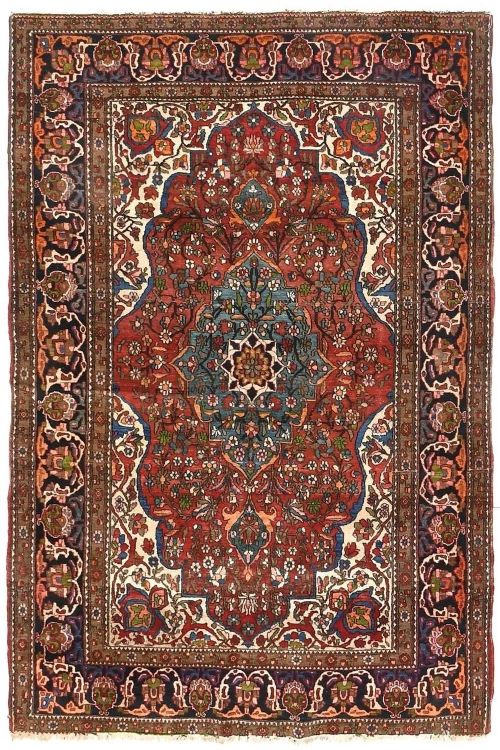


Isfahan Floral Rug
An isfahan floral rug brings intricate central Persian artistry into a room, offering classic medallion and garden designs woven with remarkable detail.
Isfahan Floral Rug
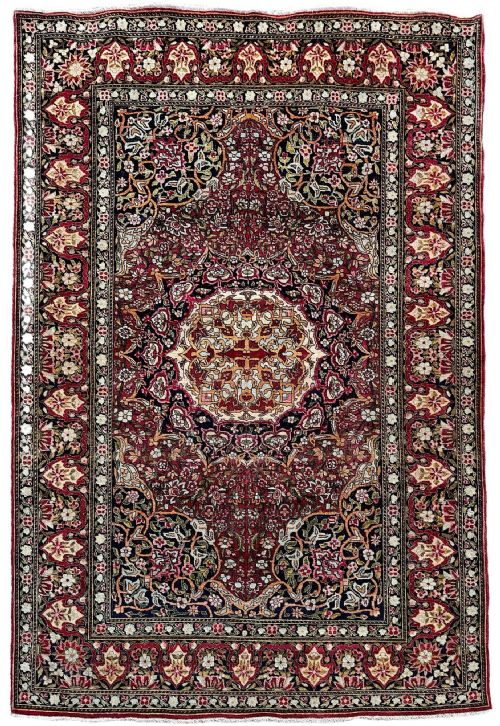
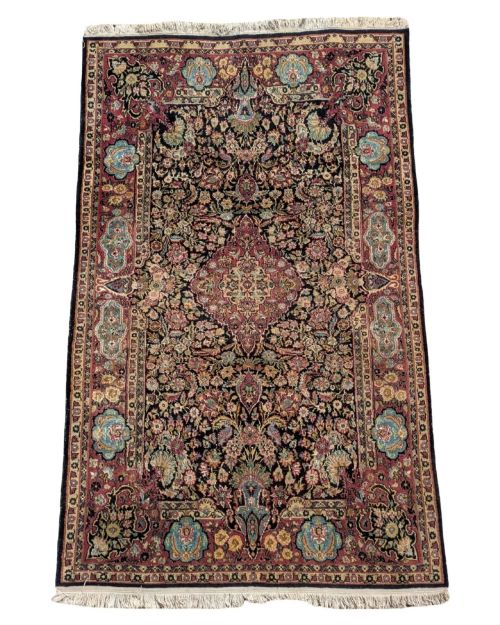
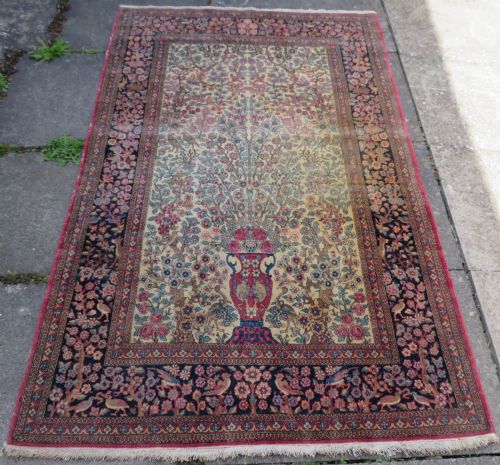
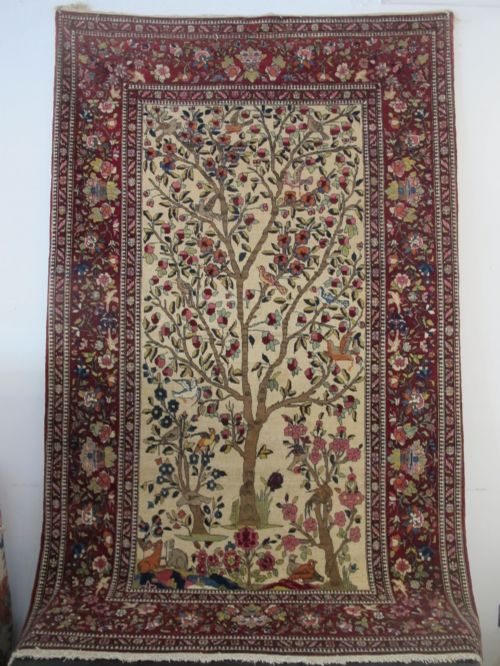
When you search for an isfahan floral rug, you are looking at woven floor coverings originating from central Persia, dating from the late nineteenth century through to the early decades of the twentieth century. These pieces encompass both intimate area rugs and larger carpets, often displaying classic small medallion arrangements, tree of life motifs, and floral garden or vase compositions.
The examples most commonly met on this page belong to the periods around 1900, 1910, 1920, and 1930. They typically arrive with traditional Persian styling, sometimes reflecting Safavid or Qajar influences, and span various rectangular formats suited to both country house interiors and formal reception spaces.
Materials and Construction
The construction of these carpets relies upon foundations of sturdy cotton or occasionally silk, providing a stable geometric grid for the dense pile. Artisans knotted fine wool, lambswool, and select silk highlights into the foundation to create varied textures and luminous areas within the intricate patterns.
Makers utilised these natural materials to achieve both durability and delicate polychrome detailing, employing silk threads specifically to accentuate floral vines and central medallions against a woollen field.
Isfahan Floral Rug Retail Price Guide 2026
Typical asking prices for isfahan floral rug among the pieces listed under this phrase on Sellingantiques today, from the lower quarter to the upper quarter. They describe what is for sale here now, not the wider market.
Materials recorded across the inventory include standard wool, lambswool, cotton, and silk used for foundations and highlights.
Evaluating Quality and Execution
Quality in these central Persian carpets rests primarily upon the density and fineness of the weave, which allows for crisp rendering of complex floral motifs and curved lines. Pieces featuring a very fine weave on a silk foundation represent a higher tier of craftsmanship compared to standard woollen variations.
The sophistication of the design, the clarity of the classic small medallion layout, and the clever deployment of silk highlights to give depth to the floral garden or vase arrangements distinguish the finest examples from simpler output.
Ahmadi
The Isfahan Floral Rug Glossary
- Foundation
- The underlying structural grid of warp and weft threads that supports the knotted pile of the carpet. Cotton and silk are the primary materials used for this framework.
- Medallion
- A central ornamental design motif placed in the middle of the rug field. Classic Isfahan examples frequently centre around small, intricately detailed medallions.
- Pile
- The vertical or slanted cut loops of wool, lambswool, or silk that form the usable surface of the rug. The density of this pile dictates the sharpness of the floral pattern.
- Prayer rug
- A specialised format featuring a niche or mihrab design at one end, historically associated with devotional use. The archive records examples with floral garden and vase layouts.
- Tree of life
- A symbolic decorative motif depicting a branching tree filled with floral and faunal elements. It appears frequently in country house rugs from central Persia.
Isfahan Floral Rug: Frequently Asked Questions
How do I date an isfahan floral rug?
Dating relies on stylistic clues, construction methods, and materials recorded across periods from 1890 to 1930. Earlier pieces often display specific Qajar or Safavid design influences.
Examining the tightness of the weave and whether silk highlights are present helps position a carpet within this late nineteenth and early twentieth century bracket.
Where were these rugs made?
These pieces originate from central Persia, specifically associated with the historic weaving traditions of Isfahan. Workshops in this region were renowned for producing highly refined floral carpets.
The inclusion of specific attributions in the titles points directly to this central Persian provenance.
What is a tree of life design?
A tree of life design represents a vertical tree motif laden with branches, leaves, and blossoms. It forms a symbolic centrepiece within the field of the rug.
In surviving examples, this imagery is executed with great botanical detail using fine wool and cotton materials.
How should I care for a silk foundation rug?
Rugs with a silk foundation require gentle handling and protection from heavy foot traffic and excessive moisture. Professional cleaning tailored to antique textiles is essential.
Placing them in low-impact areas of the home preserves the delicate silk highlights and the integrity of the weave.