

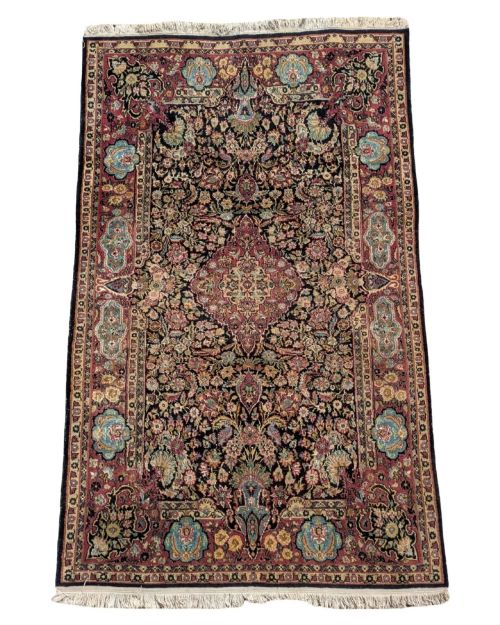
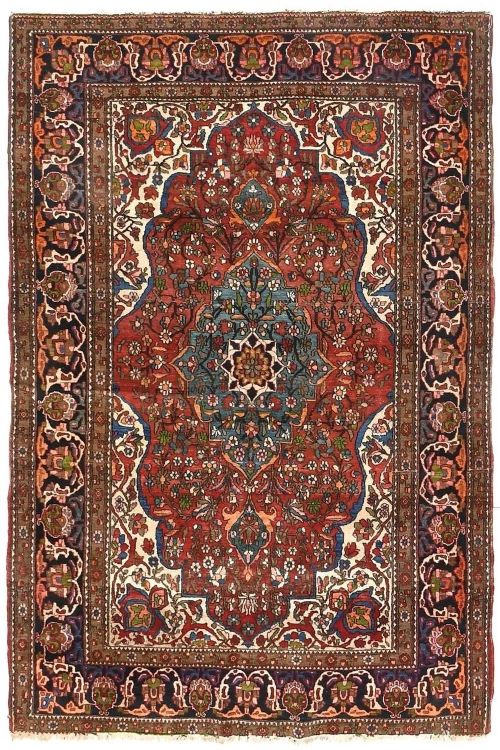


Isfahan Rug Red Blue
An isfahan rug red blue brings fine Persian craftsmanship into a room, offering intricate medallion patterns and rich tones suited to classic interiors.
Isfahan Rug Red Blue
An isfahan rug red blue sits within the broader category of Persian rug production, originating from central Persia. These pieces are structured around classic small medallion designs and traditional layouts, reflecting historical regional aesthetics.
The pieces on this page span from the late nineteenth century through to the early decades of the twentieth century. They appear as both rugs and larger carpets, encompassing formats such as area rugs suited to various room proportions.
Buyers encounter examples from distinct production periods, including pieces dated to nineteen hundred, nineteen ten, nineteen twenty, and nineteen thirty. Each reflects the continuation of traditional Persian knotting techniques into the early twentieth century.
What varies in quality
The density of the weave and the precision of the knotting distinguish standard examples from finer productions. Pieces described as having a very fine weave demonstrate a higher level of technical skill in translating traditional Persian motifs.
The choice of foundation materials also introduces variation across the range, with silk foundations underlying wool or lambswool pile marking a distinct tier of construction. Overall condition and the crispness of the classic medallion design further influence the character of each piece.
Isfahan Rug Red Blue Retail Price Guide 2026
Typical asking prices for isfahan rug red blue among the pieces listed under this phrase on Sellingantiques today, from the lower quarter to the upper quarter. They describe what is for sale here now, not the wider market.
Object forms recorded on this page include standard rugs, area rugs, and larger carpets originating from central Persia.
The Isfahan Rug Red Blue Glossary
- Medallion
- A central ornamental motif set into the middle of the carpet field. It forms the geometric focal point for traditional Persian carpet design.
- Foundation
- The structural grid of warp and weft threads that supports the pile knots. Cotton and silk are commonly utilised for this underlying framework.
- Pile
- The upright yarn surface of the rug formed by knotted wool, lambswool, or silk. This forms the tactile surface walked upon and viewed.
- Silk highlights
- Accents woven in silk yarn to bring luminosity to specific areas of the pattern. They catch the light differently than standard wool pile.
- Persian
- Pertaining to the traditional carpet-weaving traditions of Iran. It designates the geographic and stylistic origin of these historic floor coverings.
Isfahan Rug Red Blue: Frequently Asked Questions
Where were these rugs made?
These pieces originate from central Persia, specifically associated with the historic weaving centre of Isfahan. The attribution reflects traditional regional designs and production methods.
Craftsmen in this area produced both rugs and larger carpets using established local motifs such as classic central medallions.
What materials are used?
The construction involves natural fibres including wool, lambswool, cotton, and silk. Pile is typically formed from wool or lambswool, occasionally incorporating silk highlights.
Foundations are constructed from cotton or silk, providing the stable grid necessary for fine knotting and durable service.
How do I date these pieces?
Dating relies on historical records, stylistic analysis, and structural characteristics documented across the available pieces. Examples on this page date from eighteen ninety through to nineteen thirty.
Earlier pieces from the late nineteenth century and turn of the century sit alongside productions from the nineteen tens, twenties, and thirties.
What is a medallion design?
A medallion design centres on a prominent ornamental motif placed directly in the middle of the rug field. This layout is characteristic of classic Persian carpet composition.
Surrounding borders and field patterns typically complement this central geometric or floral focal point.
How do I care for an antique rug?
Antique floor coverings require gentle, regular maintenance such as careful vacuuming without a beater bar. Professional cleaning suited to natural fibres preserves the wool and silk pile.
Placing rugs in appropriate indoor environments away from excessive moisture protects the structural integrity of the foundation.