



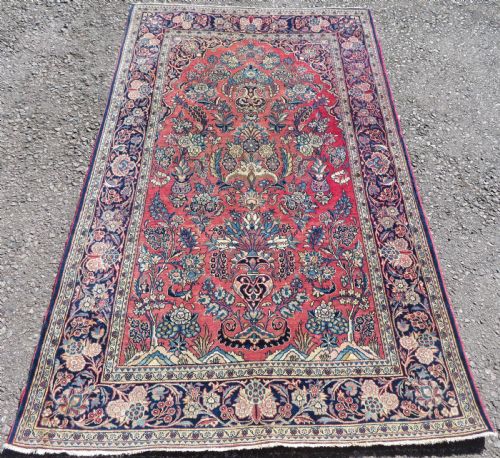


Classic Oriental Floor Rug
A classic oriental floor rug brings substantial heritage to a room through enduring patterns and time-tested weaving traditions.
Classic Oriental Floor Rug
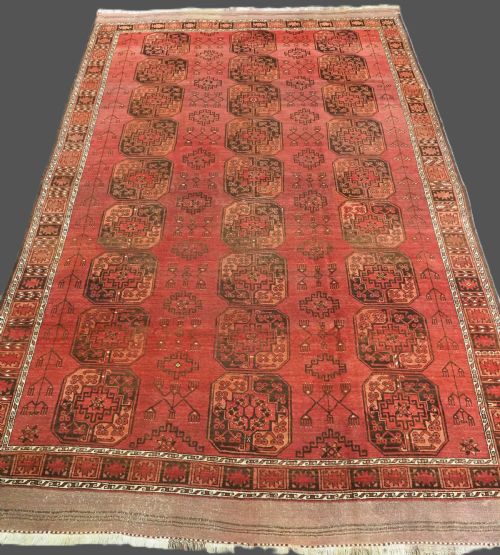
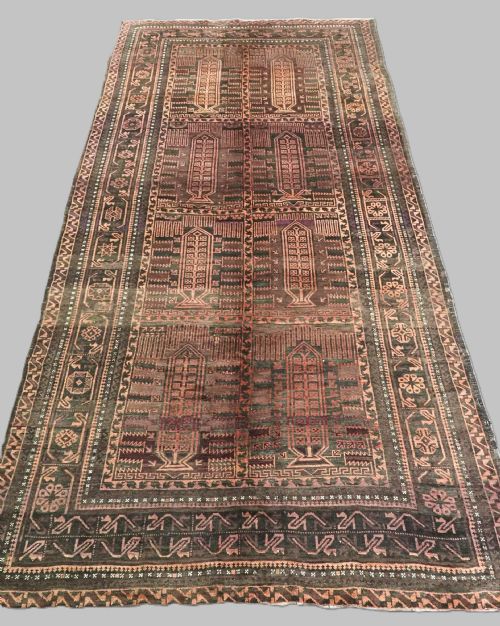
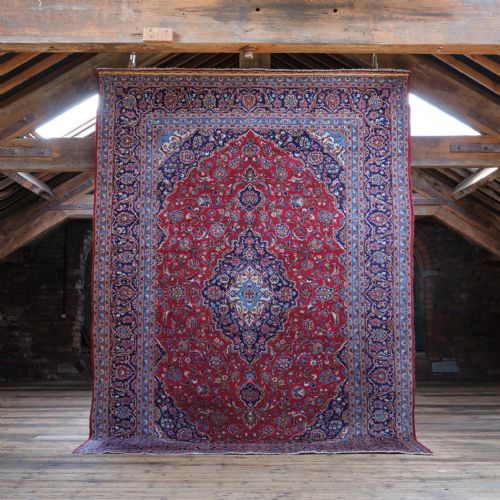
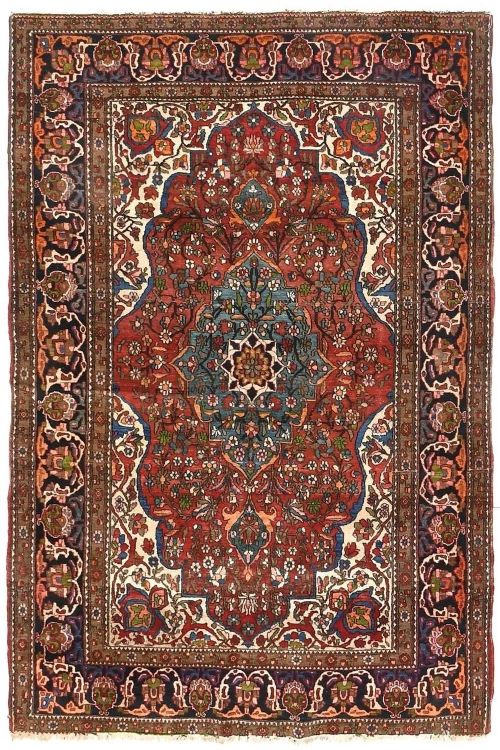
A classic oriental floor rug encompasses hand-knotted room-size carpets and smaller area pieces originating from historic weaving centres in Persia, Turkey, and Central Asia. The pieces seen here span from the mid-nineteenth century through to the mid-twentieth century, showing established styles such as Heriz, Kashan, Isfahan, and Turkmen tribal designs.
Buyers meet varied formats ranging from compact village rugs with figurative details to large, room-size carpets bearing medallion layouts or all-over floral motifs. These floor coverings bridge centuries of interior design, functioning as practical foundations for rooms while holding the character of traditional workshops and nomadic tribes.
Materials and construction
Construction relies primarily on natural wool and cotton foundations, occasionally incorporating goat hair for added durability along the edges and fringes. Artisans utilised hand-knotted techniques to build dense piles, securing the structure tightly across the warp and weft.
Colour comes from natural dyes applied to the fibres, yielding rich tones that settle gracefully over decades of light exposure. The combination of hand-spun wool and traditional dyestuffs gives each surface its tactile depth and resilience.
Classic Oriental Floor Rug Retail Price Guide 2026
Typical asking prices for classic oriental floor rug among the pieces listed under this phrase on Sellingantiques today, from the lower quarter to the upper quarter. They describe what is for sale here now, not the wider market.
Listings feature wool, cotton, natural dyes, and goat hair across pieces dated from 1860 to 1940.
Distinguishing quality
Quality rests in the density of the knotting and the precision with which the design is executed across the field. Finer weaves allow for sharper definition in intricate medallion and floral layouts.
The choice of materials and the stability of the foundation dictate how well a carpet withstands foot traffic over generations. Pieces with uniform pile height and secure selvages demonstrate careful historical maintenance and superior initial manufacture.
Ziegler & Co
The Classic Oriental Floor Rug Glossary
- Warp
- The vertical threads stretched tightly on the loom before knotting begins. These form the structural skeleton of the carpet and show at the fringed ends.
- Weft
- The horizontal threads passed through the warp alternating with rows of knots to bind the structure firmly. They run across the width of the rug.
- Medallion
- A symmetrical central ornament placed in the middle of the carpet field. It is a common focal point in traditional Persian design.
- Pile
- The upright cut ends of the knotted yarn that form the usable surface of the rug. Its thickness and density determine the plushness underfoot.
- Selvage
- The reinforced side finish of a rug formed by wrapping or binding the outermost warp threads. This protects the edges from fraying.
Classic Oriental Floor Rug: Frequently Asked Questions
How do I choose the right size?
Measure your floor space to ensure the rug anchors your furniture arrangement properly, allowing enough bare flooring around the perimeter of the room.
Larger room-size carpets suit central seating areas, while smaller formats work well in studies or entryways.
Can these rugs handle daily foot traffic?
Traditional construction using dense wool and sturdy cotton foundations makes these pieces durable enough for everyday use in living spaces.
Proper placement over a quality underlay helps absorb impact and reduces friction against hard floors.
How do I identify a tribal design?
Tribal carpets often feature geometric motifs, repeating medallions, and abstracted animal or plant forms rather than elaborate court-style floral scrolls.
These patterns reflect the nomadic heritage and regional weaving traditions of makers from specific communities.
What is the best way to clean them?
Gentle surface brushing and periodic professional cleaning suited for antique textiles help preserve the natural wool fibres and dyes.
Avoid harsh chemical treatments or excessive water immersion to protect the structural integrity of the foundation.