









Iron Red Porcelain Platter
An iron red porcelain platter brings striking crimson tones and bold patterning to a room, offering both decorative presence and historical depth.
Iron Red Porcelain Platter
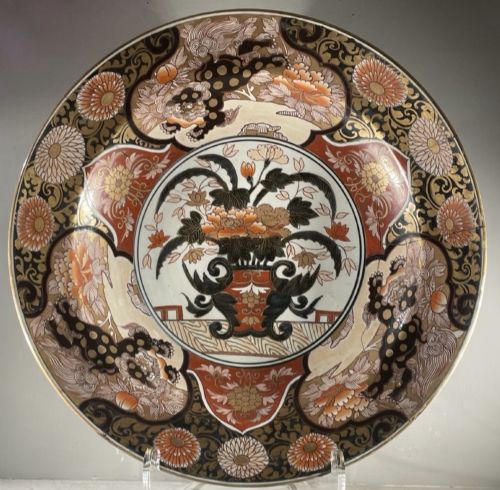
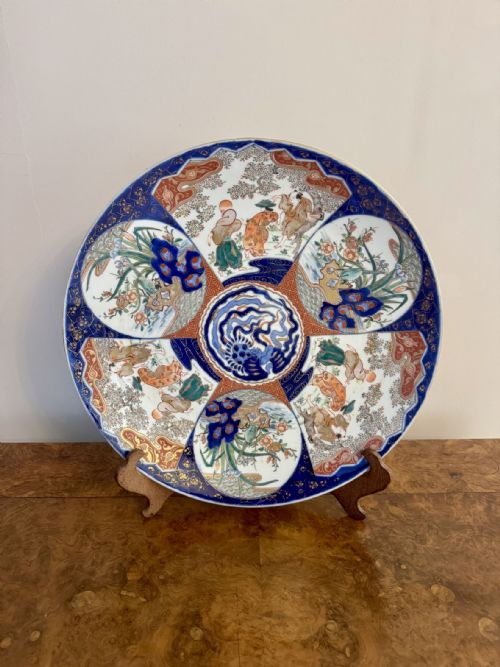
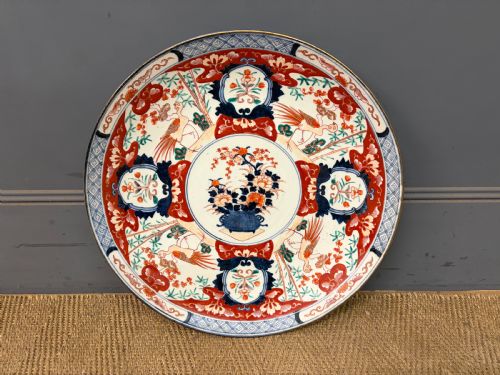
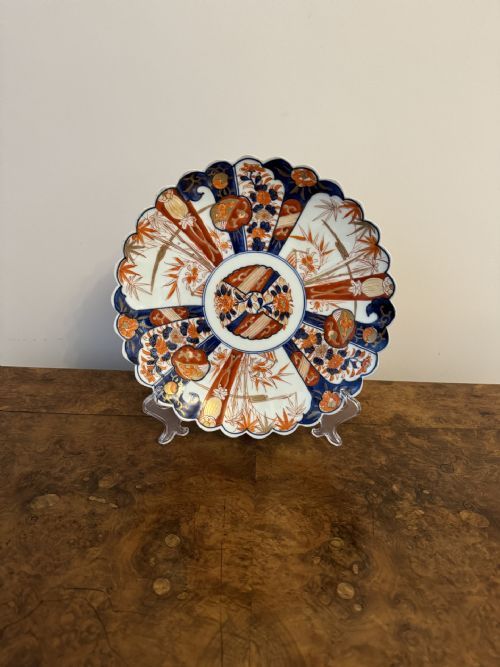
When you search for an iron red porcelain platter, you encounter large chargers, decorative plates, and serving dishes spanning the Edo period through the late nineteenth and early twentieth centuries. The selection centres heavily on Japanese Imari wares, alongside Chinese export porcelain and English bone china pieces decorated in the Imari palette.
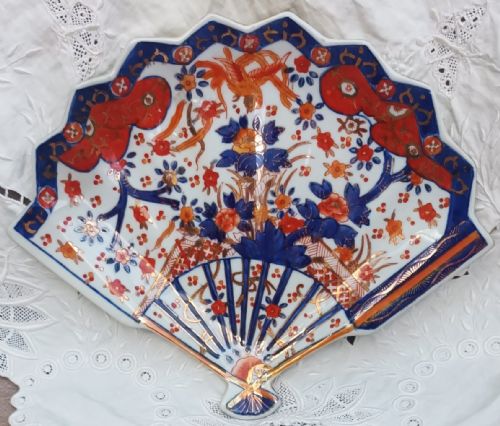
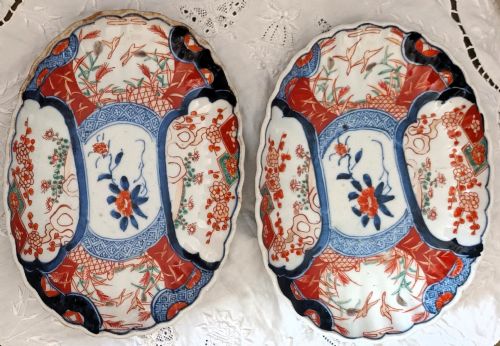
Most examples you meet on this page date from around 1800 to 1920, taking the form of round chargers, square plates, lobed serving dishes, and scalloped trays. These items function primarily as decorative wall plates or centrepiece chargers, displaying traditional floral, bird, and figural designs such as the Seven Lucky Gods.
How they were made
The makers combined porcelain bodies with cobalt underglaze pigments and iron red enamel, often adding gold leaf, gilding, and gold gilt highlights for richness. Artisans hand painted complex floral and bird motifs across the surface before firing the pieces in kilns.
Potters shaped the clay into standard circles as well as unusual square forms, deep lobed serving dishes, and scalloped edges. Skilled decorators then applied the distinctive glaze and enamel layers that define the Imari and Chinese export styles.
Iron Red Porcelain Platter Retail Price Guide 2026
Typical asking prices for iron red porcelain platter among the pieces listed under this phrase on Sellingantiques today, from the lower quarter to the upper quarter. They describe what is for sale here now, not the wider market.
Several platters depict the Seven Lucky Gods sharing space with ordinary garden birds, proving that ancient deities appreciate good avian company.
What varies in quality
The standard of painting determines much of the distinction between ordinary and exceptional pieces, particularly in the precision of hand painted floral and bird motifs. Finer platters exhibit crisp detailing in the iron red enamel and cobalt underglaze, alongside generous and intact gold leaf or gilding.
Form and scale also separate the items, with large chargers and unusual square or lobed shapes commanding greater visual weight. The clarity of the glaze and the complexity of compositions, such as depictions of the Seven Lucky Gods, reflect the ambition of the original workshop.
Royal Crown Derby
The Iron Red Porcelain Platter Glossary
- Iron red
- A brick-red enamel pigment derived from iron oxide, applied over the glaze or directly to the porcelain before firing to create rich reddish tones.
- Imari
- A style of Japanese porcelain featuring a tripartite colour scheme of cobalt blue underglaze, iron red enamel, and gold highlights, widely adopted in the West.
- Charger
- A large decorative plate or serving dish, typically exceeding twelve inches in diameter, used historically for presentation or display.
- Bone china
- A type of soft-paste porcelain incorporating bone ash, utilised by English potteries to produce refined plates and serving trays.
- Cobalt underglaze
- A blue pigment applied to the raw clay body beneath the transparent glaze, fired at high temperatures to achieve a permanent, deep blue colour.
Iron Red Porcelain Platter: Frequently Asked Questions
What is an iron red porcelain platter?
An iron red porcelain platter is a decorative ceramic dish or charger featuring prominent crimson enamel work, often combined with cobalt blue and gold.
These pieces originate largely from Japanese Imari kilns, Chinese export workshops, and English potteries like Royal Crown Derby during the eighteenth, nineteenth, and early twentieth centuries.
How were these platters used?
Historically, large chargers and serving dishes functioned as table centerpieces or served food during formal meals. Over time, many transitioned into decorative wall plates or cabinet display pieces due to their striking visual designs.
Collectors today continue to display them on walls, plate stands, or dining tables to add colour and historical character to a room.
How do you style an Imari platter?
The bold combination of iron red, cobalt blue, and gold allows these platters to anchor traditional interiors or provide a vibrant focal point in modern spaces. Placing a large charger on a sturdy stand lets the hand-painted floral and bird motifs take centre stage.
Pairing a square or scalloped plate with neutral backgrounds highlights the intricate brushwork and gilded details without visual competition.
How do you tell periods apart?
Differentiating periods relies on examining the porcelain body, the style of the hand-painted motifs, and the application of enamels and gilding. Edo period and early Japanese Imari pieces show distinct baseline potting techniques, whereas late nineteenth and early twentieth-century examples often incorporate brighter gold leaf and varied edge shapes.
English bone china interpretations from Victorian and later decades carry specific factory traits and pattern numbers that pinpoint their origin.