



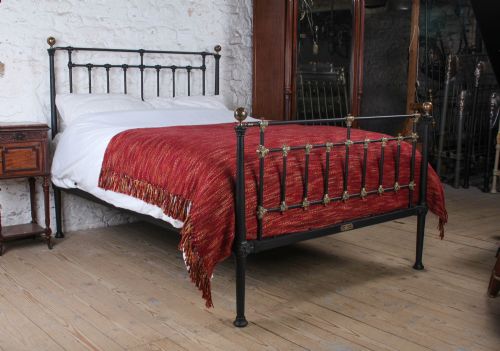

Iron Headboard King Size
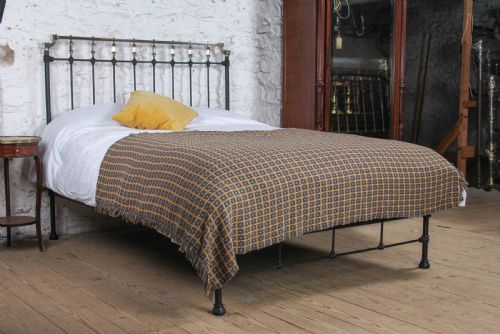
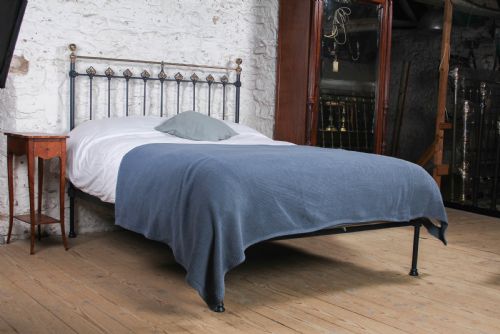
An iron headboard king size offers robust metal construction paired with generous sleeping dimensions, bringing substantial nineteenth and early twentieth century character to a bedroom.
Iron Headboard King Size
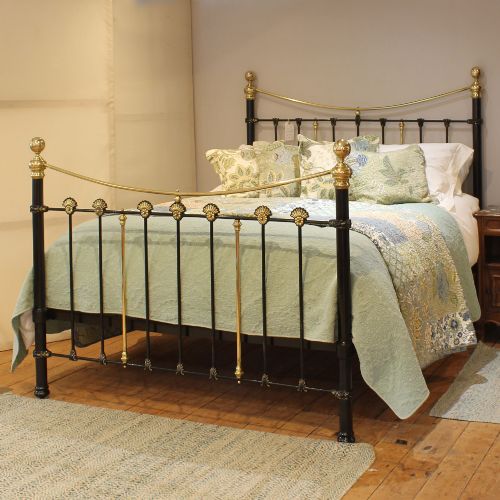
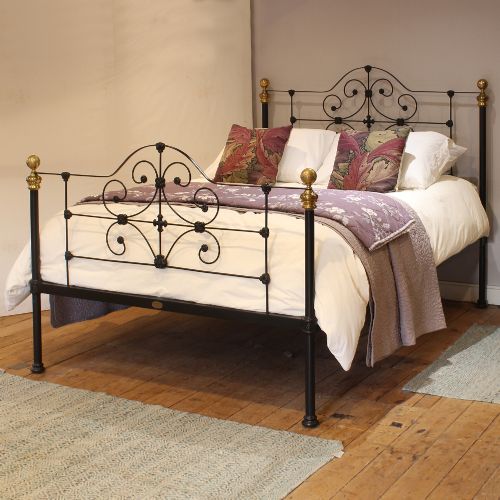
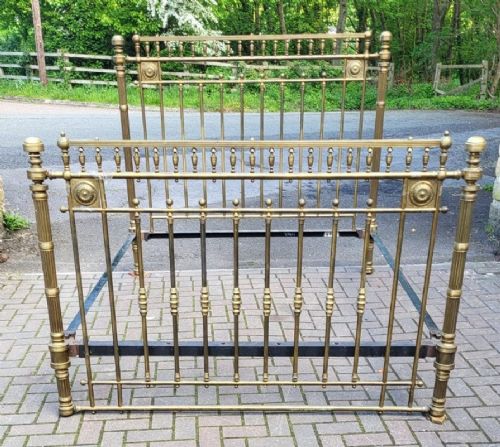
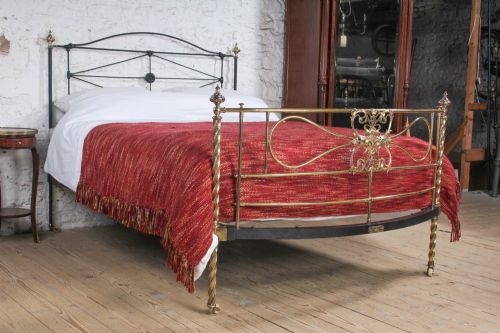
When you search for an iron headboard king size, you encounter substantial metal frames and headpieces originating predominantly from the Victorian and Edwardian eras, alongside pieces dated across the nineteenth and early twentieth centuries. These listings demonstrate that many pieces emerge as full bedsteads or beds rather than standalone headboards, spanning origins from Britain and Ireland to France, Spain, Portugal, and Italy.
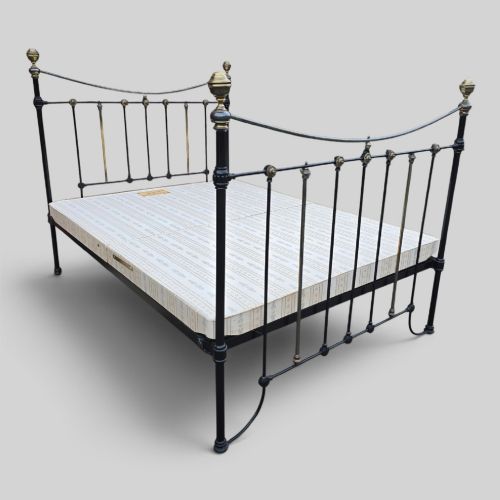
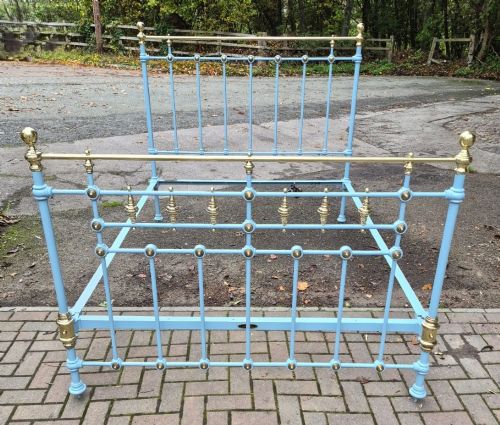
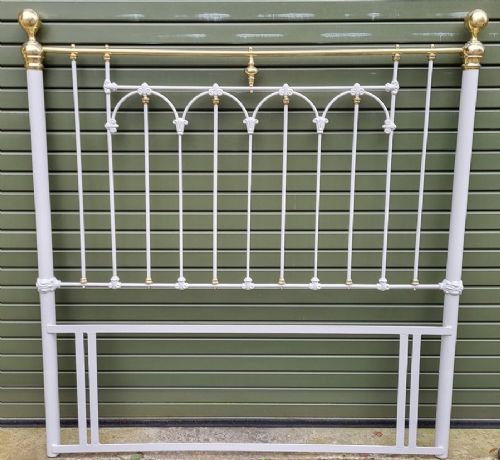
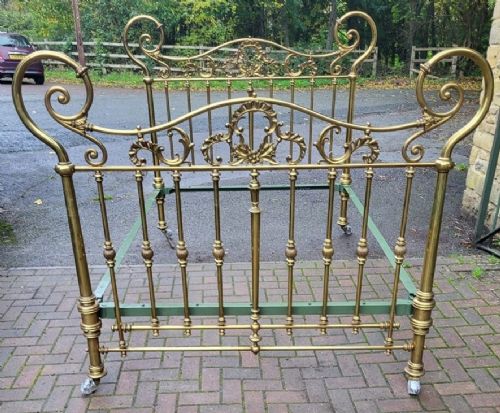
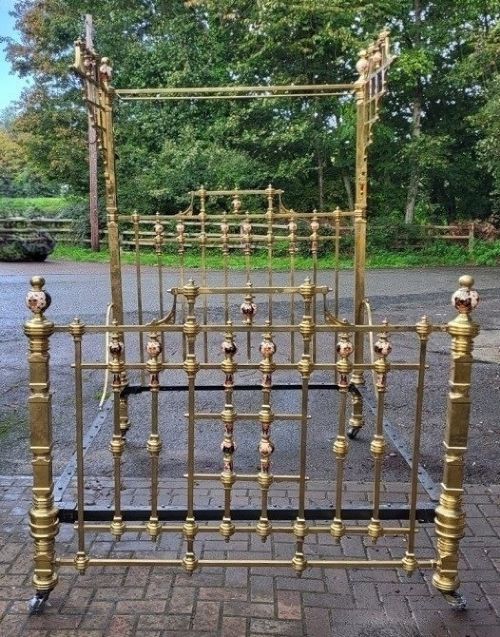
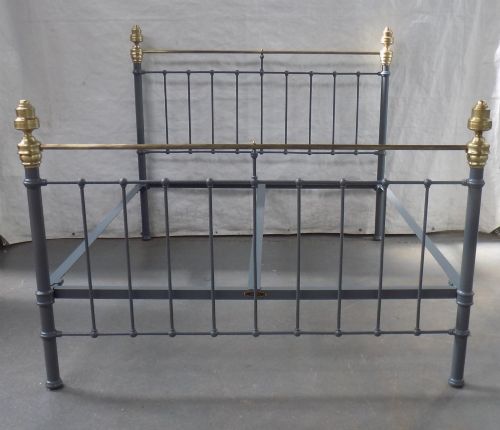
The dominant forms include straight rail designs, arched formats, dip-rail configurations, and no end beds, frequently combining dark or black painted iron framework with polished brass accents. You will also find regional variations incorporating ceramic elements, tole ware, and gilt details within styles ranging from French Country and Spanish Traditional to Victorian Aesthetic Movement and Art Nouveau.
Materials and construction methods
Makers utilised cast iron, wrought iron, and sheet metal to form the foundational structure, often applying a durable black or coloured paint finish to the main body. Polished brass mounts, finials, and rail caps provide contrast against the darker iron framework, whilst ceramic components and gilding appear on select examples to add decorative detail.
The construction relies on traditional metalworking techniques such as forging and casting, resulting in tapered posts, curvaceous frames, and detailed joinery. Maker firms like Winfield and Maple & Co. employed these skilled methods to produce sturdy bed frames and headpieces designed for daily domestic use.
Iron Headboard King Size Retail Price Guide 2026
Typical asking prices for iron headboard king size among the pieces listed under this phrase on Sellingantiques today, from the lower quarter to the upper quarter. They describe what is for sale here now, not the wider market.
Some French and Italian makers could not resist adding curvaceous tole ware and whimsical brass details to otherwise stern iron sleeping quarters.
Distinctions in quality
The distinction between standard examples and top tier pieces rests upon the complexity of the metalwork, the retention of original components, and the presence of documented maker attribution. Exhibition quality works feature refined casting, intricate brass detailing, and well-executed tapered posts that elevate the overall presence of the piece.
Condition originality also dictates standing within the market, with untouched paint surfaces and unpolished brass holding greater appeal than heavily restored alternatives. Pieces bearing stamps or plaques from established firms command particular interest due to their verified provenance.
Winfield·Maple & Co.
The Iron Headboard King Size Glossary
- Cast iron
- A strong, hard iron alloy poured into a mould to create rigid structural or decorative components. It provides the heavy framework seen on many nineteenth century bed frames.
- Wrought iron
- Iron that is heated and worked with tools by a blacksmith rather than cast in a mould. This material allows for the forged curves and simpler lines found on regional bed designs.
- Tole ware
- Lacquered or enamelled metalware, typically decorated with hand-painted motifs. It appears on Italian pieces to introduce colour and pattern to the metal structure.
- Half tester bedstead
- A bed featuring a partial canopy extending from the headboard over the upper portion of the mattress. This form offers a more enclosed sleeping space than a standard open bed.
Iron Headboard King Size: Frequently Asked Questions
Are these headboards or complete beds?
Many listings describe complete bedsteads or bed frames rather than standalone headboards, though the terminology often overlaps in antique descriptions. Buyers should verify whether side rails and foot elements are included.
Full bed structures require compatible mattress sizing, whereas separate headboards attach directly to existing wall fixtures or bed bases.
How do I care for iron and brass?
Iron surfaces benefit from gentle dusting and occasional waxing to protect the painted finish from moisture. Avoid abrasive cleaners that might strip the original paint.
Brass components can be left with their natural aged patina or polished cautiously with appropriate metal creams, depending on personal preference for shine.
What styles are available?
The available selection spans Victorian, Edwardian, Art Nouveau, and Aesthetic Movement designs, alongside regional European styles from France, Spain, Portugal, and Italy. These range from simple straight rail formats to ornate French country pieces.
Details such as brass finials, ceramic accents, and painted iron finishes help distinguish one stylistic tradition from another.
How can I tell the period?
Dating relies on stylistic markers such as the presence of Aesthetic Movement motifs, Art Nouveau curves, or standard Victorian rail construction. Specific manufacturer stamps also provide firm chronological indicators.
Construction methods, including the transition from hand-forged wrought iron to mass-cast components, further assist in identifying nineteenth versus twentieth century origin.