

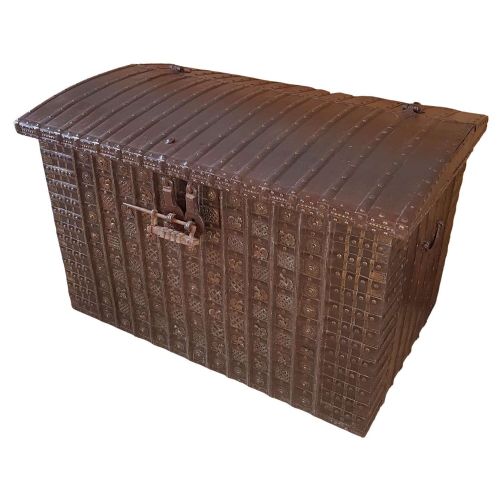


Iron Fitted Wooden Chest
An iron fitted wooden chest offers robust storage combining timber construction with metal reinforcement for strength and security.
Iron Fitted Wooden Chest
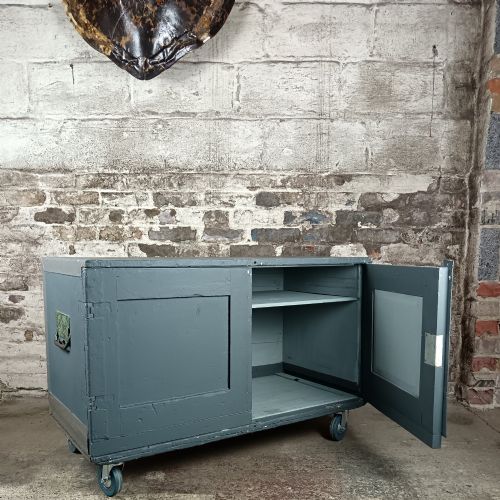
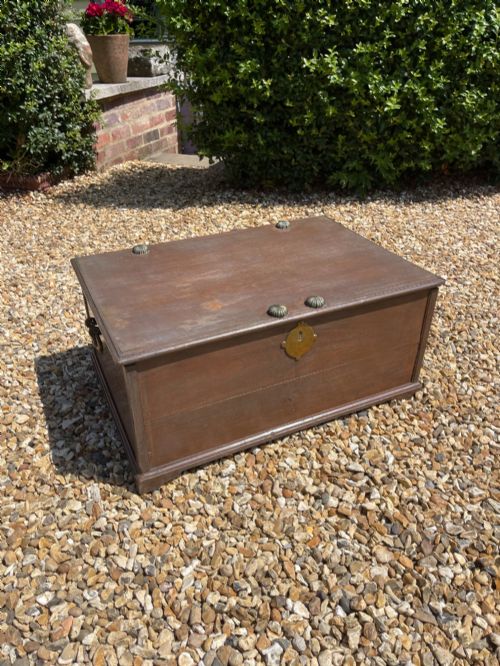
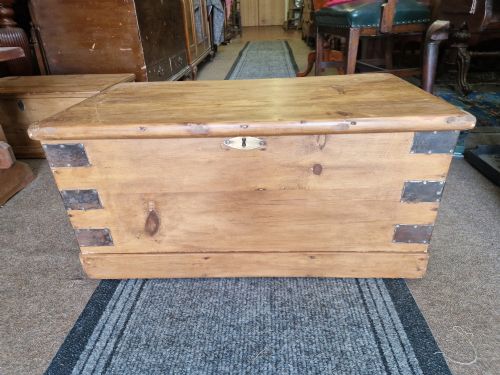
An iron fitted wooden chest provides heavy-duty storage formed from timber panels secured with metal brackets, straps, and corner plates. These pieces serve practical purposes ranging from travel and transport to domestic storage.
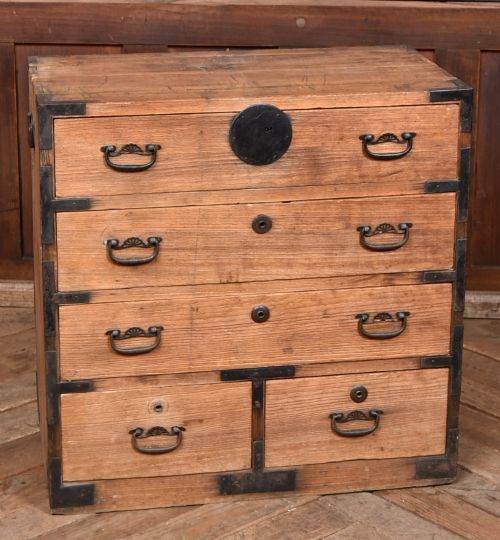
The inventory includes various forms such as military campaign transport cases, silver chests, travelling trunks, dowry chests, and traditional merchant cabinets. These objects originate from English, Victorian, Japanese, and Rajasthani traditions.
Buyers encounter boxes built from oak, pine, teak, keyaki, and kiri wood, reinforced with iron bands, brass, and wrought iron. Many examples date from the nineteenth century, including specific items from 1800, 1850, 1870, 1890, and 1920.

How they were made
Constructed primarily from sturdy timbers like oak, pine, and teak, these chests utilise solid wood panels joined to withstand heavy loads and transit. Metal reinforcement is applied through iron bands, straps, and corner brackets fastened securely to the wooden body.
Blacksmiths and cabinetmakers worked iron and brass into hinges, drop handles, and specialised locks to protect the contents during shipping or daily use. Some iterations feature painted surfaces, red interiors, or lacquer finishes over the primary wood structure.
Listings feature items built from oak, pine, teak, keyaki, and kiri wood, reinforced with iron, brass, and wrought iron.
What varies in quality
Quality differences depend on the grade of timber selected and the robustness of the metal fittings. Dense hardwoods like oak and teak or specialised cabinet woods such as keyaki demonstrate superior durability compared to softer pine alternatives.
The intricacy of the ironwork, the presence of functional original locks, and the precision of the joinery distinguish utilitarian storage boxes from finer domestic or campaign pieces. Surviving original paintwork or specialised internal fittings also influence the character of each chest.
The Iron Fitted Wooden Chest Glossary
- Iron-banded
- Describes a wooden chest reinforced with flat strips of iron fixed across the body to add structural strength. This technique protected the corners and seams during travel.
- Silver chest
- A heavy wooden storage box, often lined, designed specifically for holding family silver plate. These domestic containers typically feature robust iron bindings and secure locks.
- Campaign chest
- A portable piece of furniture engineered for military officers on the move. These items often separate into distinct sections and include inset brass or iron handles.
- Tansu
- A traditional Japanese mobile storage cabinet or chest built from woods like keyaki, kiri, or cryptomeria. They incorporate specialised internal drawers and metal hardware.
- Dowry chest
- A traditional trunk created to hold household goods and valuables brought by a bride to her marriage. Examples from Rajasthan frequently display decorative iron bands and regional lock mechanisms.
Iron Fitted Wooden Chest: Frequently Asked Questions
What were iron fitted wooden chests used for?
These chests served primarily for secure transport and storage of valuable items, clothing, and tableware during travel or domestic life. Silver chests protected heavy cutlery, while campaign and travelling trunks moved belongings for officers and merchants.
Other regional forms like merchant cabinets and dowry chests organised specialised goods, documents, or household textiles. Their robust construction ensured contents remained safe from damage and theft.
How do I date an iron fitted wooden chest?
Dating relies on examining the timber species, construction techniques, type of ironwork, and lock mechanisms. Nineteenth-century examples often display machine-rolled iron bands alongside hand-forged elements.
Documentation, regional styles, and secondary materials like red painted interiors or specific brass hardware provide further clues to the manufacturing decade. Comparing the joinery methods helps place the piece within the Victorian era or earlier periods.
How should I care for a wooden chest with iron fittings?
Keep the timber clean by dusting with a dry cloth and occasionally feeding the wood with appropriate wax to prevent drying. Protect the iron and brass fittings from moisture to avoid oxidation and rust.
Maintain stable indoor humidity levels to stop the wooden panels from warping or splitting against the rigid metal bands. Avoid placing the chest in direct sunlight or near heat sources.