

Inlaid Wooden Storage Cabinet
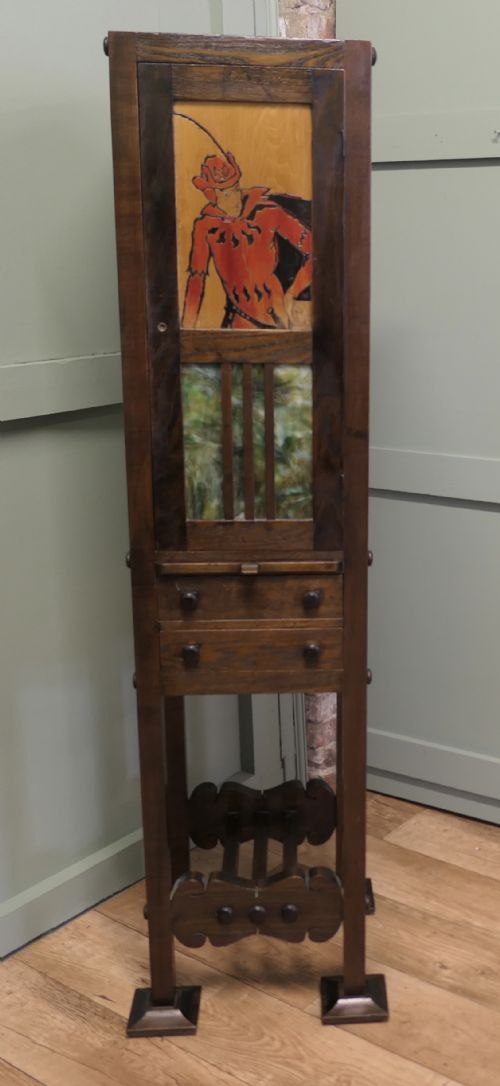
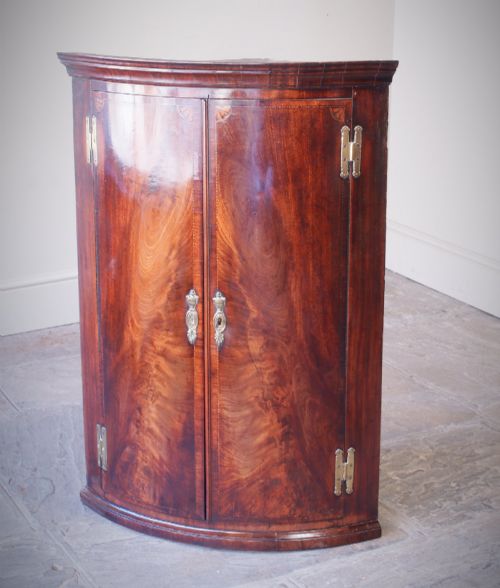
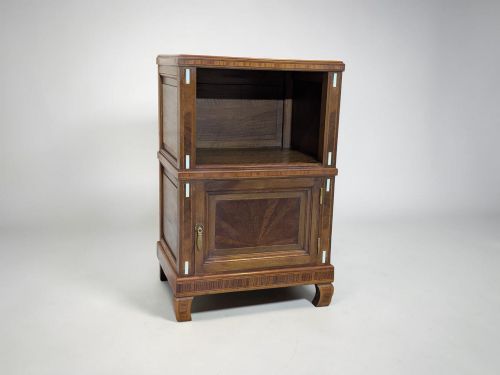
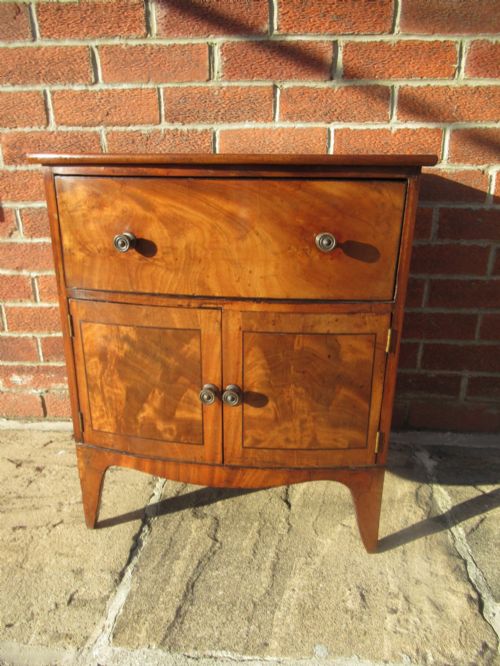
An inlaid wooden storage cabinet brings together functional storage and decorative craft, spanning periods from the eighteenth century to the twentieth.
Inlaid Wooden Storage Cabinet
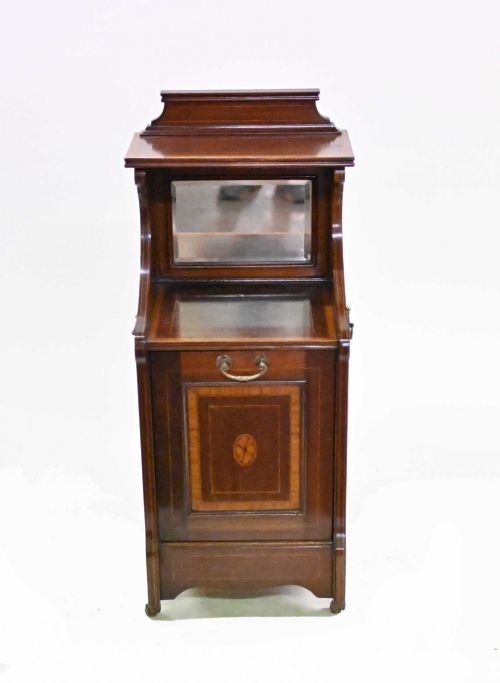
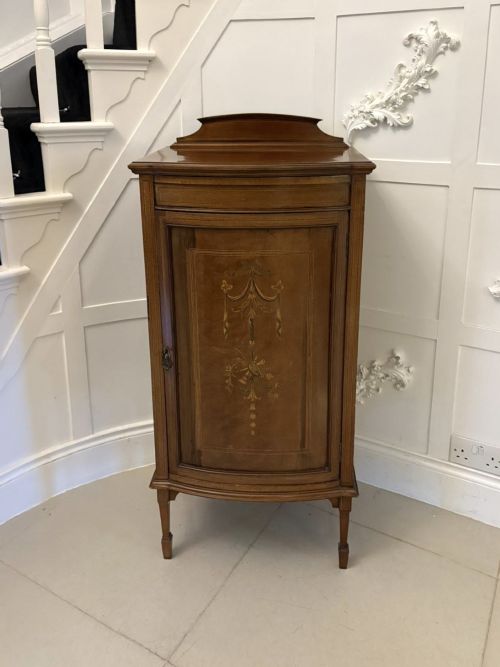
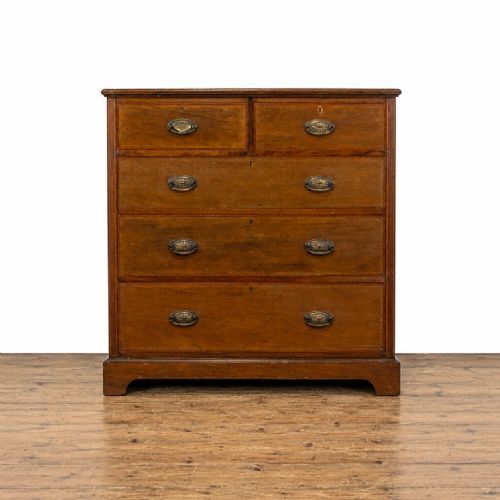
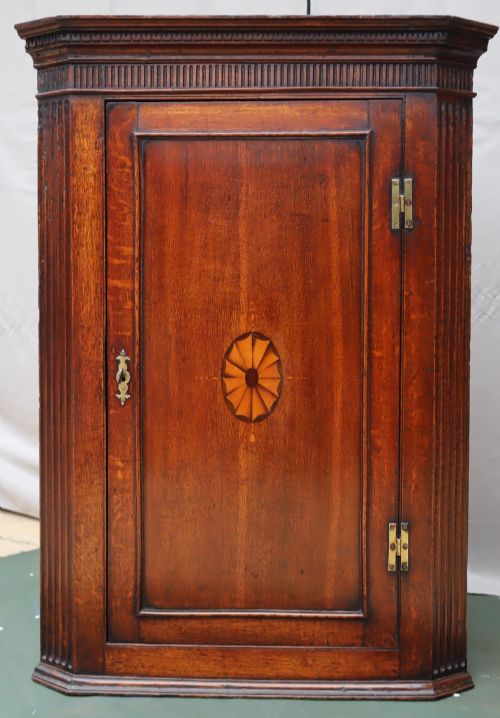
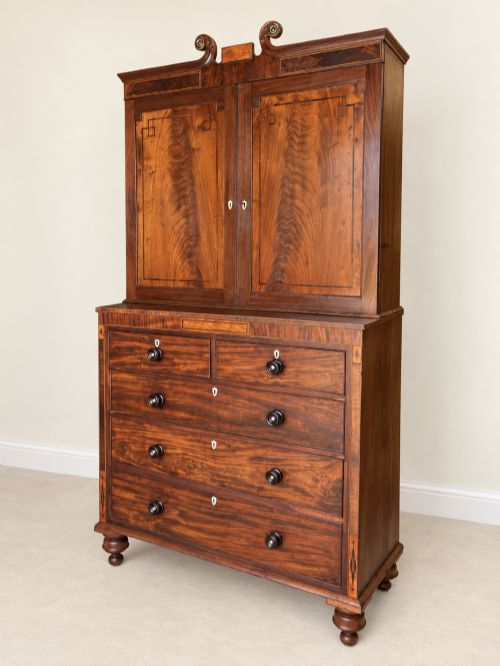
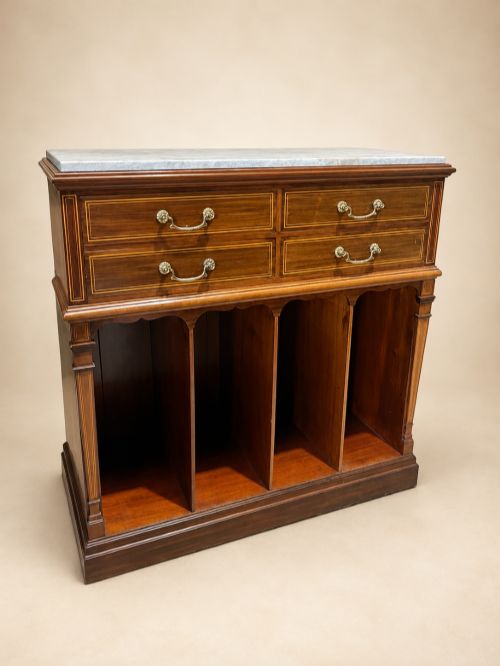
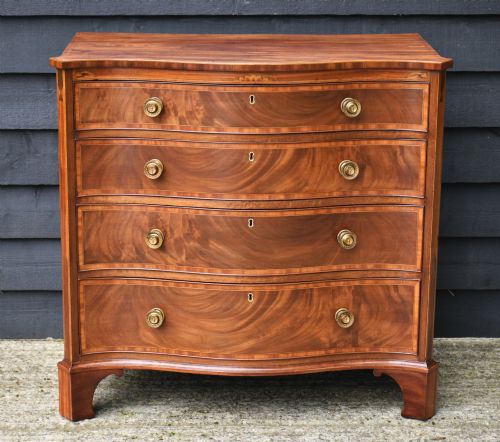
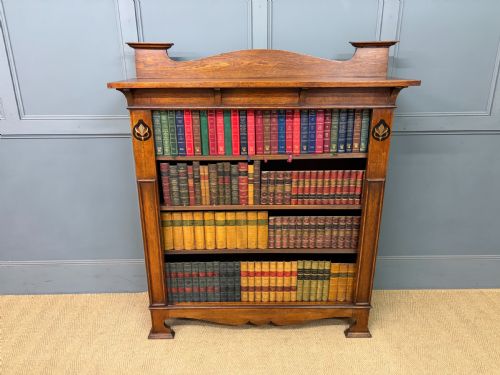
An inlaid wooden storage cabinet encompasses a variety of forms designed for holding household goods, ranging from tall linen presses and chests of drawers to corner cupboards and bedside cabinets. These pieces emerge across several periods, including the Georgian era, the nineteenth century, and the Edwardian epoch.
The versions most commonly met on this page combine primary timbers such as mahogany, walnut, or satinwood with contrasting decorative lines, banding, and floral or geometric motifs. They reflect stylistic revivals alongside the prevailing tastes of their original decades of manufacture.
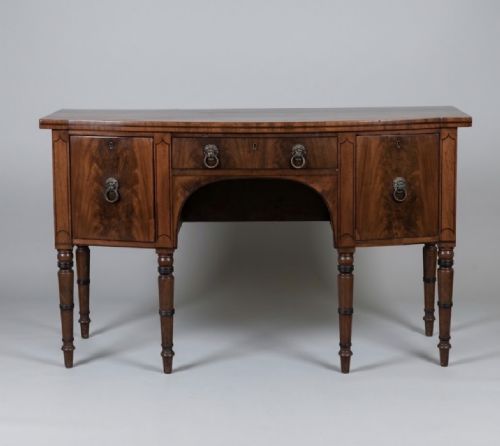
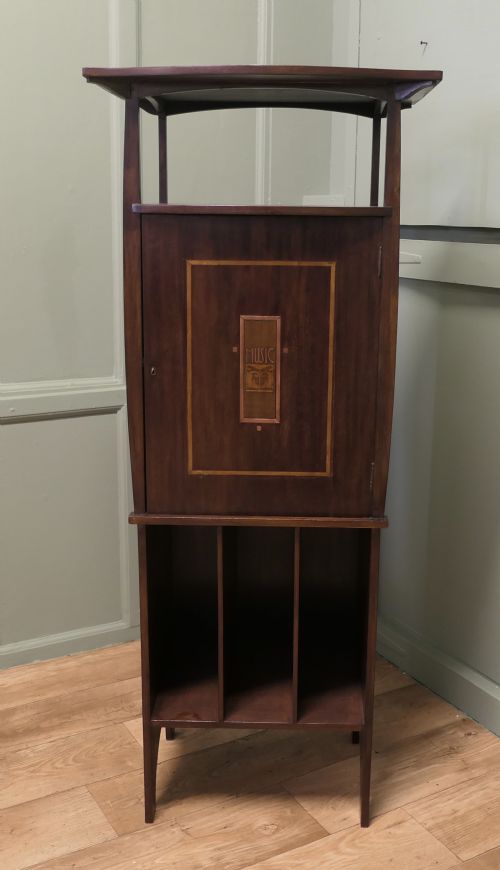
Buyers encounter distinct regional variations and cabinet types, from British bow-front chests and side cabinets to continental commodes and specialised music cabinets. Each form retains the fundamental purpose of concealing and organising possessions within a polished wooden shell.
Materials and construction methods
Cabinet makers built these pieces using solid hardwoods and dense carcases, frequently applying finely figured veneers of mahogany, walnut, kingwood, or satinwood to visible surfaces. These choice veneers provided the canvas for detailed decorative treatments.
Inlay and marquetry techniques involved cutting contrasting timbers, boxwood, and brass into precise recesses within the wood, creating geometric lines, floral panels, and delicate stringing. This ornamentation required steady hands and specialised cutting tools to achieve flush, seamless surfaces.
Internal elements such as drawer linings, shelving, and panel backboards utilised secondary timbers suited to structural stability, while brass hardware including drop handles, escutcheons, and hinges secured doors and drawers in daily use.
Inlaid Wooden Storage Cabinet Retail Price Guide 2026
Typical asking prices for inlaid wooden storage cabinet among the pieces listed under this phrase on Sellingantiques today, from the lower quarter to the upper quarter. They describe what is for sale here now, not the wider market.
The inventory spans the seventeenth, eighteenth, nineteenth, and twentieth centuries, encompassing Georgian, Regency, Victorian, and Edwardian periods.
Distinctions in construction and design
The division between standard output and finer workshop production rests on the depth of figure in the timber and the precision of the inlay work. Highly figured flame mahogany and richly contrasted satinwood panels elevate the visual impact of a piece.
Structural integrity reveals itself in the tightness of the drawer dovetails, the clean alignment of doors, and the retention of original brass fittings rather than later replacements. The crispness of executed marquetry and stringing separates routine manufacturing from accomplished cabinet making.
Proportion and restrained decorative balance govern the appeal of these pieces, where harmonious panel sizing and well-scaled cornices reflect the deliberate choices of skilled designers.
GM Elwood for JS Henry·maples & co·Mawer & Stephenson
The Inlaid Wooden Storage Cabinet Glossary
- Inlay
- The technique of inserting contrasting strips or pieces of wood, brass, or other materials into prepared recesses to form decorative patterns on a surface.
- Marquetry
- Elaborate decorative veneer work assembled from various tinted woods and botanical specimens to create pictorial or ornamental designs across furniture panels.
- Linen Press
- A tall storage cabinet featuring upper sliding trays or shelves enclosed by doors, traditionally set above a base section fitted with multiple drawers.
- Serpentine
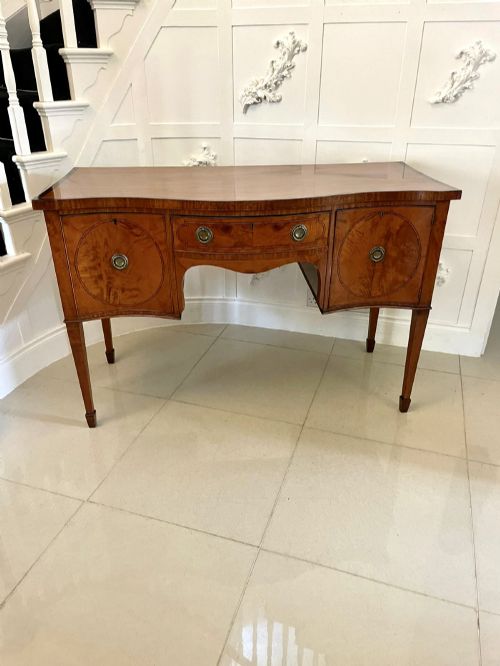
- A curved furniture front or edge shaped in a continuous undulating line, featuring a convex centre flanked by concave ends.
- Crossbanding
- A decorative border veneer applied around the perimeter of a panel or drawer front, set so the wood grain runs perpendicular to the central grain.
Inlaid Wooden Storage Cabinet: Frequently Asked Questions
What is an inlaid wooden storage cabinet?
An inlaid wooden storage cabinet is a piece of furniture designed to hold items behind doors or inside drawers, embellished with contrasting wood or metal motifs set into the primary timber.
These pieces range from tall linen presses and wardrobe designs to small bedside cupboards and collectors' cabinets produced across several centuries.
How were these cabinets used originally?
Households utilised these cabinets for organising textiles, garments, tableware, and specialised personal collections away from dust and light.
Larger presses stored household linens in upper sliding trays while smaller bedside and corner cupboards kept daily essentials close at hand.
How do I care for an inlaid wooden cabinet?
Living with these cabinets requires placing them away from direct sunlight and steady heat sources to protect fragile veneers and natural timber finishes.
Routine maintenance involves gentle dusting with a dry cloth and occasional application of appropriate furniture wax to nourish the antique wood.
How can I tell Georgian pieces from Edwardian ones?
Georgian cabinets typically display heavier timber construction, hand-cut dovetails, and classic proportions associated with eighteenth-century design standards.
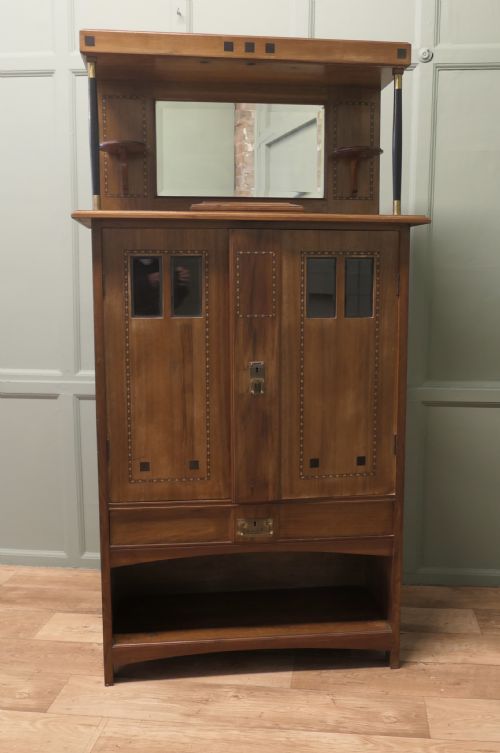
Edwardian interpretations often show lighter scaling, revived Sheraton or Arts and Crafts styling, and machine-assisted precision in their internal joinery.