

Inlaid Wooden Shelves
Inlaid wooden shelves bring together fine cabinetmaking and decorative surface work, offering both practical storage and a distinct ornamental presence.
Inlaid Wooden Shelves
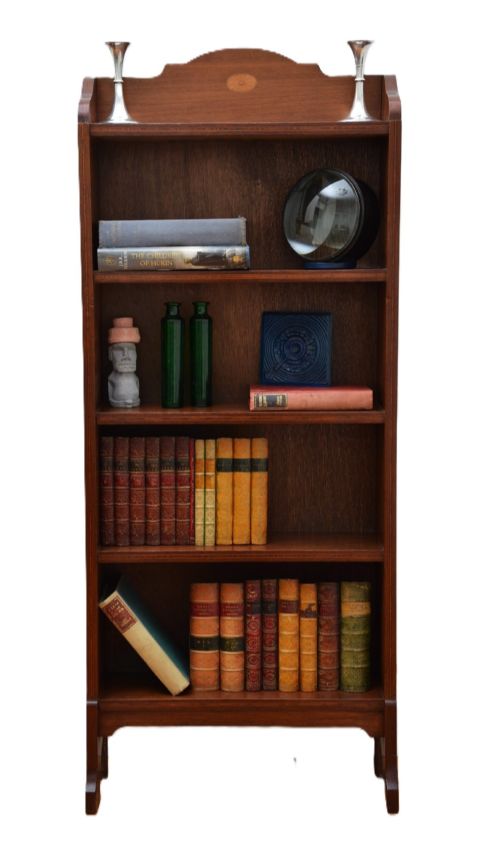
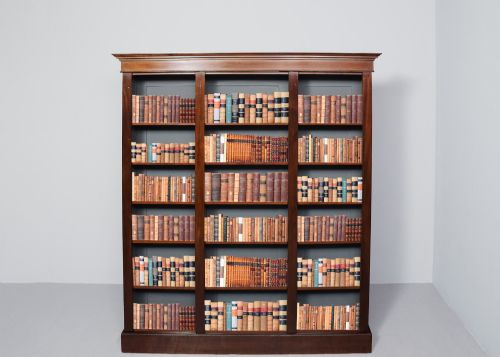
Inlaid wooden shelves encompass wall-mounted ledges, bookcases, and display units designed to hold books or small objects while adding visual interest to a room. When searching for inlaid wooden shelves, buyers frequently encounter Edwardian and late Victorian pieces that combine utility with decorative craft.
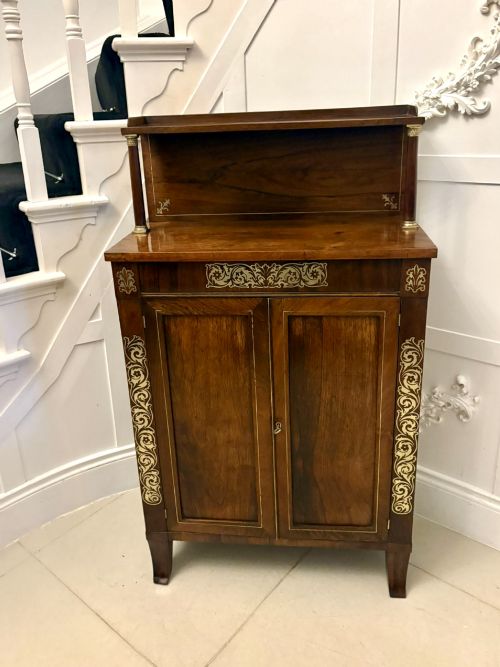
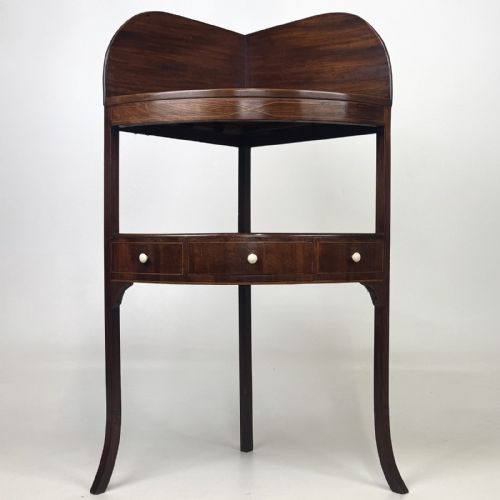
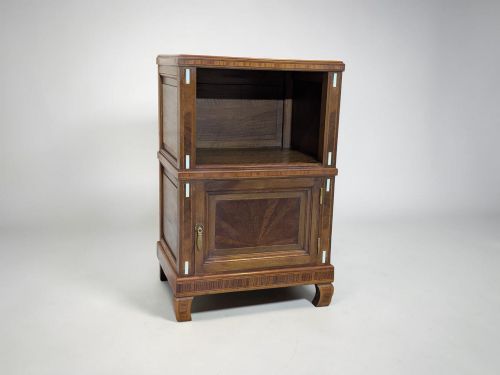
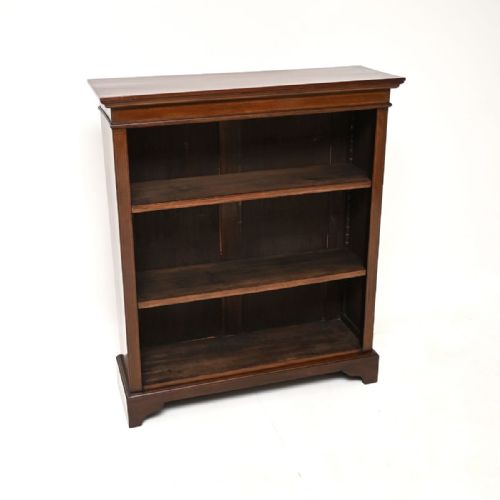
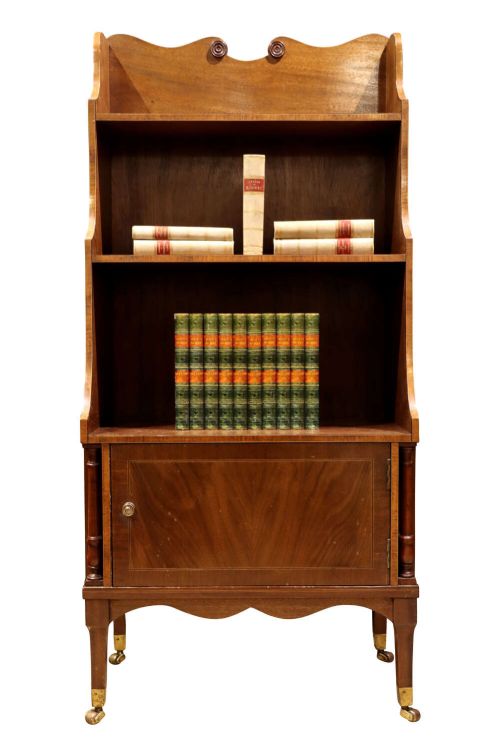
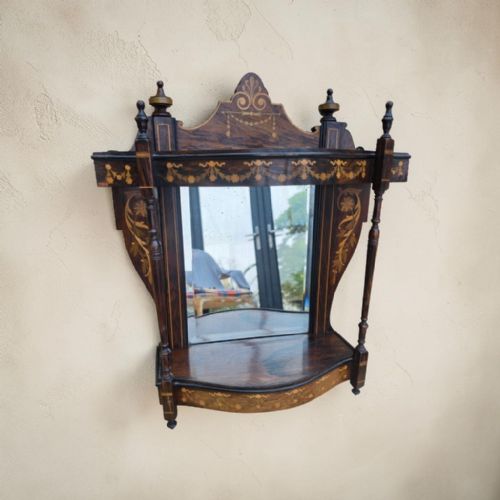
The selection ranges from tall open bookcases and slim shelving units to smaller hanging shelves and corner pieces. Most examples date from the Edwardian era and the nineteenth century, utilising foundational timbers like mahogany and walnut.
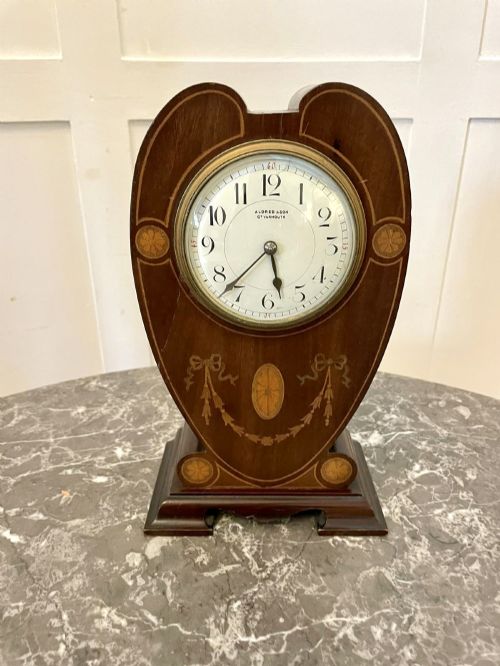
Makers of these pieces incorporated contrasting woods and detailed banding into standard furniture forms, transforming functional storage into decorative focal points. The resulting items suit various domestic settings, from hallways to drawing rooms.
Materials and construction
Makers built these shelves using sturdy timbers such as mahogany, walnut, and oak, often applying lighter veneers like satinwood or boxwood for decorative contrast. Structural stability was achieved through traditional joinery, ensuring shelves could bear the weight of books and ornaments.
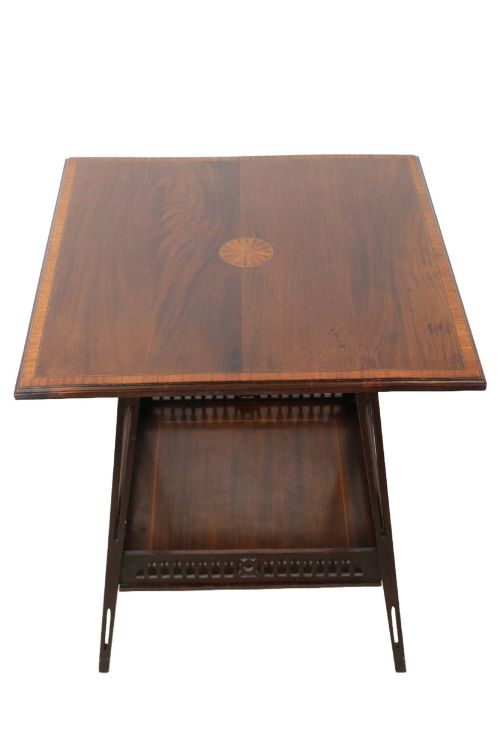
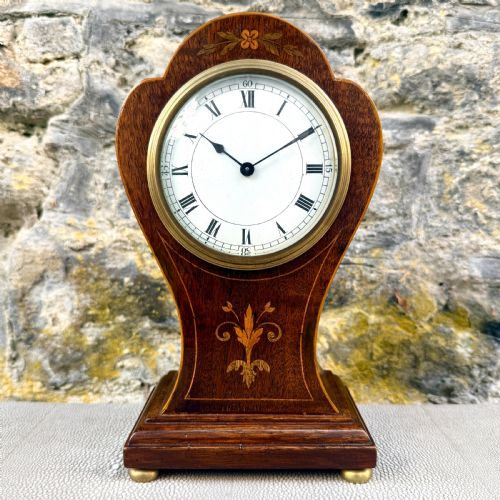
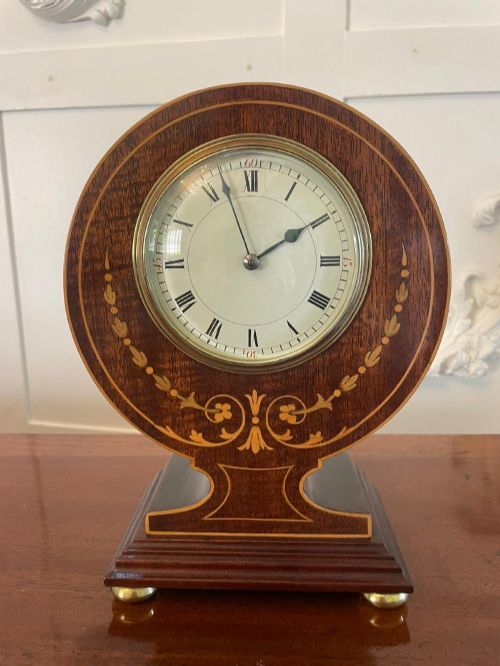
Surface ornamentation relied on inlay techniques, setting contrasting pieces of wood or metal directly into the timber ground. Brass accents and fine stringing lines were frequently added to define edges and panels.
French polishing or wax finishing completed the process, sealing the wood while highlighting the natural grain and the precision of the marquetry work.
Some Edwardian shelf units include tiny secret drawers specifically designed for storing postage stamps and calling cards.
Variations in quality
Quality in these pieces depends heavily on the precision of the cabinetwork and the execution of the inlay. Sharply defined marquetry and tight joints separate superior items from more routine production.
The choice of primary timber and secondary veneers also dictates standing; rich grains and thoughtful selection of contrasting woods indicate higher workshop standards. Original surface treatments and minimal alteration preserve the integrity of the piece.
Trevor Page And Co
The Inlaid Wooden Shelves Glossary
- Inlay
- A technique where pieces of contrasting material are inserted into a recessed wooden surface to form a decorative pattern. This method adds visual depth without altering the primary profile of the furniture.
- Marquetry
- Elaborate veneer work arranged in pictorial or geometric patterns across a surface. Artisans cut various wood types together to create complex decorative scenes.
- Satinwood
- A durable, yellowish timber prized for its lustrous sheen and smooth texture. It is frequently employed for contrasting banding and fine decorative panels.
- Boxwood
- A dense, pale wood commonly used for narrow stringing lines and delicate inlay details. Its pale tone provides a sharp contrast against darker timbers like mahogany.
- Frieze
- The broad horizontal band situated near the upper portion of a piece of furniture. This area often carries the primary decorative inlay on bookcases and cabinets.
Inlaid Wooden Shelves: Frequently Asked Questions
How do I date inlaid wooden shelves?
Dating relies on identifying the primary timber, construction methods, and prevailing stylistic traits such as Edwardian stringing or Victorian proportions. Comparing the piece to documented examples from the same period provides clearer chronological placement.
Secondary details, including the type of brass fixings or castors used, also offer reliable clues to the decade of manufacture.
Where should I place wall shelves?
Wall shelves suit spaces that benefit from vertical storage without occupying floor space, such as hallways, studies, or alcoves. Ensuring secure fixings to the wall is essential for supporting the weight of books and decorative objects.
Keeping them away from direct sunlight protects the polished wood surfaces and delicate inlay from fading over time.
How do I care for inlaid wood?
Maintenance involves dusting with a soft, dry cloth and applying high-quality beeswax periodically to nourish the timber. Avoiding synthetic sprays prevents buildup that can dull the original finish.
Maintaining stable room humidity protects both the primary wood and the delicate veneer inlays from warping or lifting.
What is the difference between inlay and marquetry?
Inlay involves setting pieces of wood or other materials into pre-cut cavities within a solid wood base. This technique typically creates geometric borders and linear patterns.
Marquetry covers the entire surface in assembled veneer panels to form complex pictorial or symmetrical designs. Both methods enhance the decorative appeal of the furniture.