

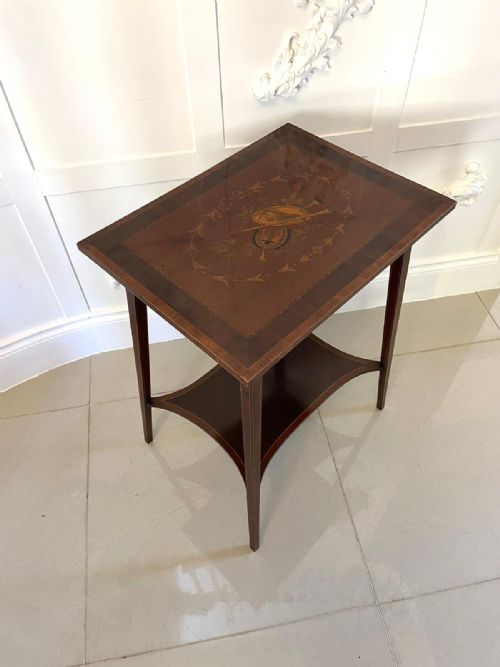
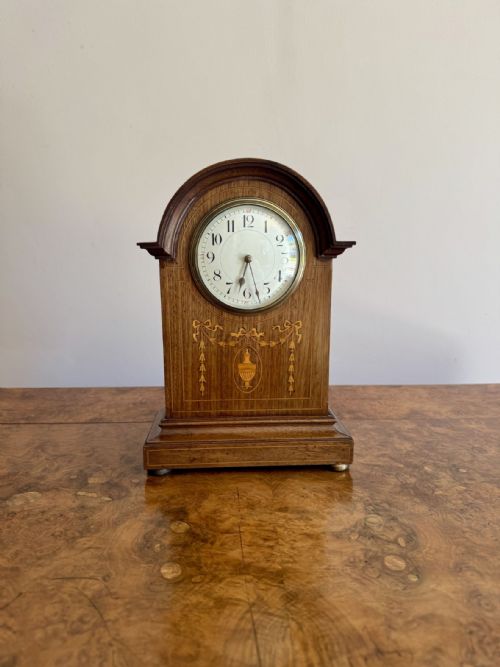

Vintage Satinwood Shelves
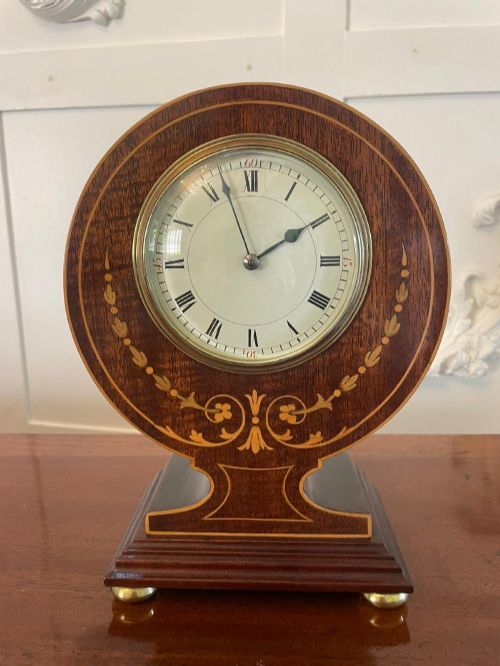
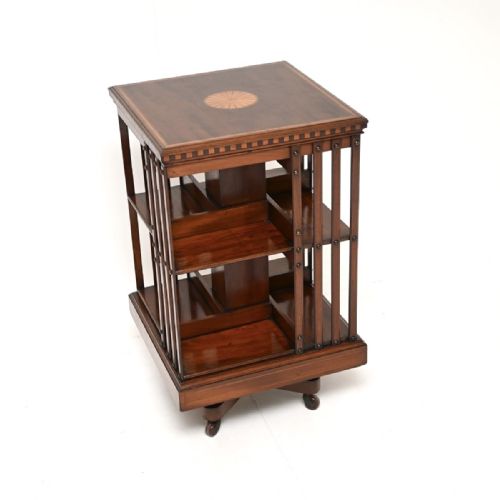
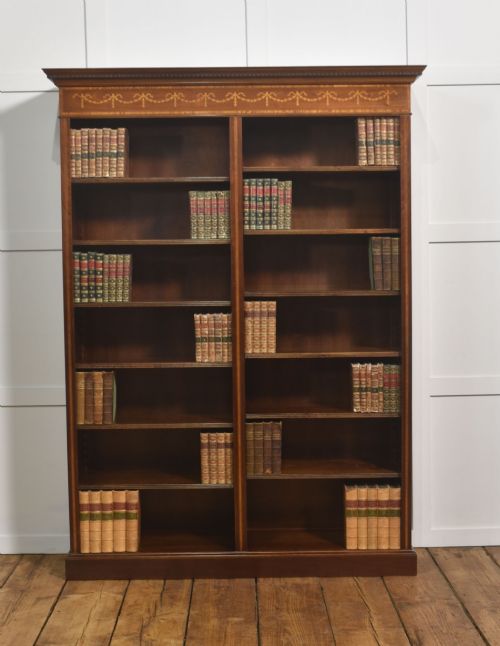
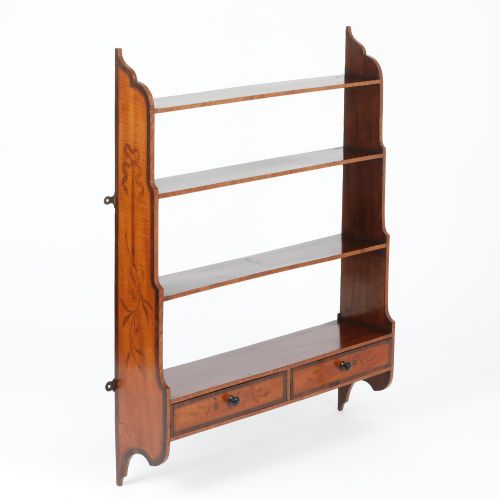
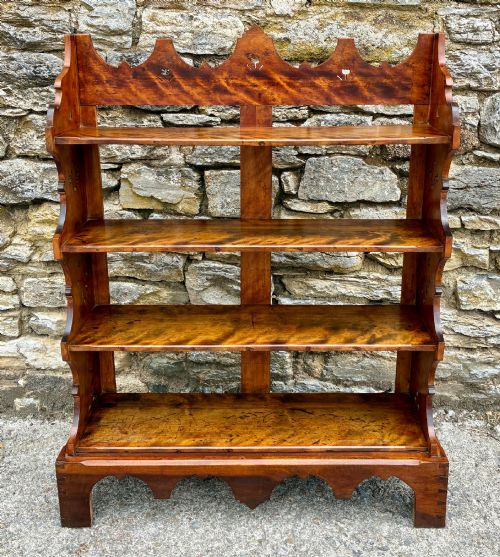
Vintage satinwood shelves bring bright timber grain and elegant display space to a room, ranging from hanging waterfall bookshelves to open bookcases.
Vintage Satinwood Shelves
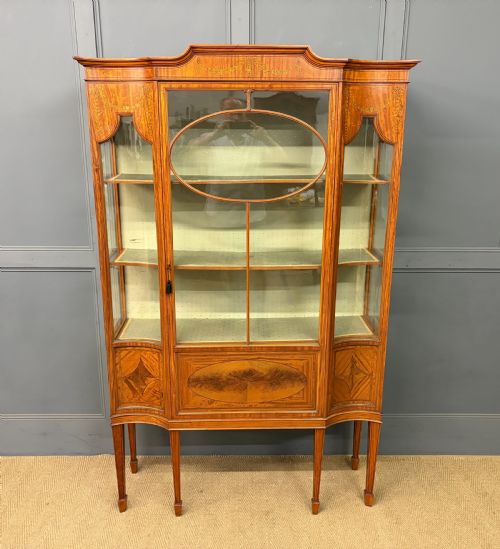
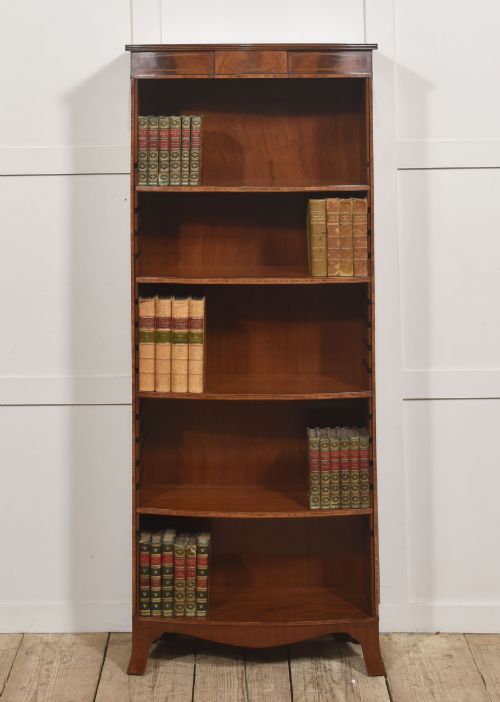
Vintage satinwood shelves encompass a variety of open bookcases, hanging bookshelves, and display units finished in light, lustrous timber. These pieces span periods from the eighteenth century through the Edwardian era and into the nineteen-thirties, reflecting diverse craftsmanship.
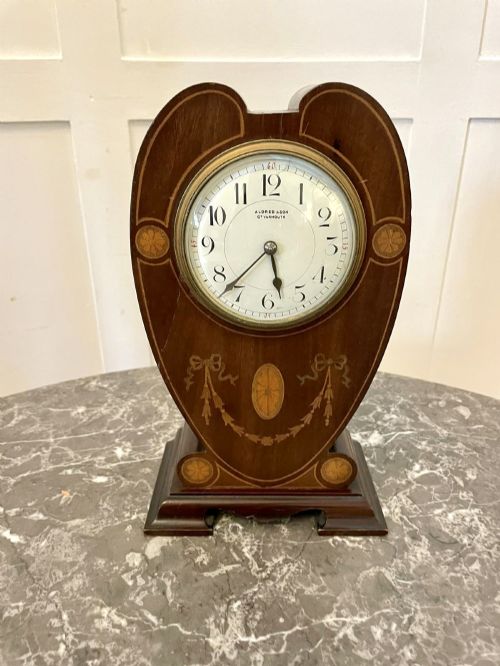
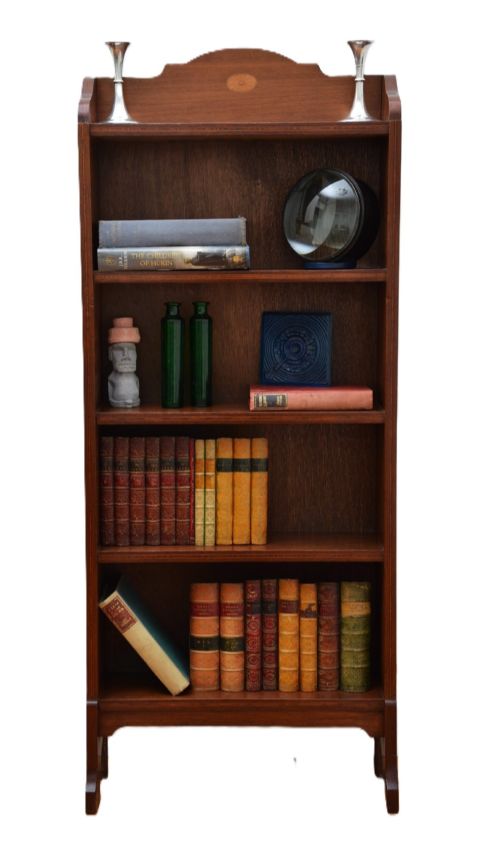
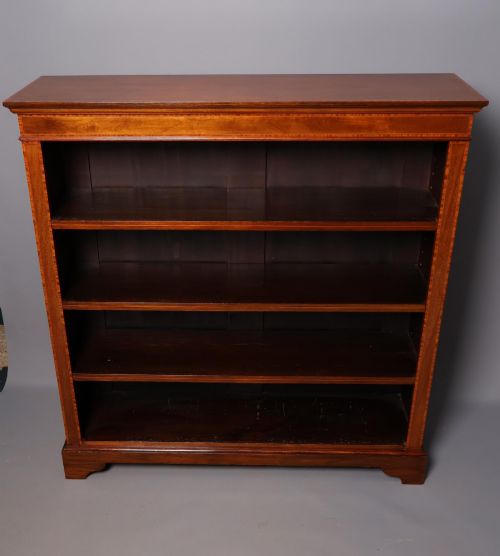
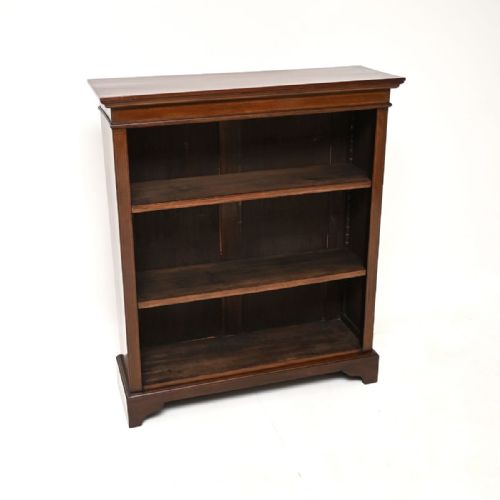
The version most commonly met on this page is the Edwardian or Sheraton Revival open bookcase, frequently incorporating contrasting stringing or crossbanding. These items served primarily for the orderly storage and display of household volumes in period interiors.
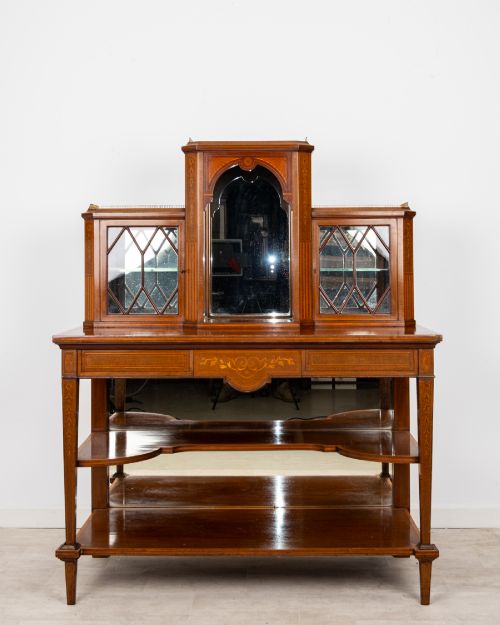
Makers and cabinetmakers also utilised satinwood alongside mahogany to create hanging waterfall bookshelves and side cabinets. The resulting forms emphasise utility combined with decorative timber grain.
How they were made
Construction relies upon solid timber carcases and panels faced with figured veneers, particularly satinwood and mahogany. Cabinetmakers added contrasting details using boxwood and brass fittings to accentuate the linear forms.
Inlay and marquetry feature heavily across the Edwardian and Sheraton Revival pieces, demanding precise hand-cut joinery for stringing and friezes. Surface finishing involved polishing to highlight the natural sheen and blonde tone of the satinwood.
The furniture items span the eighteenth century, Victorian era, Edwardian period, and nineteen-thirties.
What varies in quality
Quality rests in the selection of the timber veneer and the crispness of the inlaid details. Superior examples exhibit tightly figured grain and precise, unbroken stringing.
Structural integrity of the joints and the original condition of the polish separate standard utility pieces from finer cabinet work. Attention to secondary timbers and backboards also indicates the tier of manufacture.
Maple & Co.·Sir John Bennett
The Vintage Satinwood Shelves Glossary
- Satinwood
- A hard, dense timber known for its distinctive golden sheen and smooth texture. It provides a bright surface finish highly favoured in fine cabinet making.
- Sheraton Revival
- A late nineteenth and early twentieth century design movement inspired by the neoclassical furniture of George Sheraton. It is characterised by delicate proportions and marquetry inlay.
- Waterfall bookshelves
- Shelving units featuring tiered, descending shelves arranged in a stepped profile. This form appeared in hanging formats and standing bookcases.
- Stringing
- Thin strips of contrasting wood inlaid into channels cut into the surface of a piece. This technique outlines drawers, panels, and shelves for decorative effect.
- Crossbanding
- A border of veneer laid with the grain running perpendicular to the central panel. It creates a neat framing effect around tabletops and shelf edges.
Vintage Satinwood Shelves: Frequently Asked Questions
How do I clean satinwood shelves?
Dust regularly with a dry, soft cloth to prevent the accumulation of grit on the polished surface. Avoid abrasive cleaners or excess moisture which can damage the veneer.
Apply a traditional beeswax polish occasionally to nourish the timber and maintain the natural lustre of the satinwood grain.
Are these shelves suitable for heavy books?
Many vintage open bookcases and shelving units were built to hold substantial volumes of literature. However, wall-hanging waterfall bookshelves require secure fixings appropriate to the wall type.
Inspect the shelf supports and fixings before loading older units to ensure they bear the weight safely.
How do I date a satinwood bookcase?
Examine the construction methods, secondary timbers, and overall style cues present in the piece. Edwardian and Sheraton Revival pieces often feature distinctive inlay patterns and lighter framing.
Compare the hardware, such as brass screws or hinges, against known period manufacturing standards.
What is the difference between satinwood and mahogany?
Satinwood presents a pale, golden-yellow colour with a natural sheen and fine grain. Mahogany offers a darker, reddish-brown hue that deepens with age.
Cabinetmakers frequently combined both timbers, using mahogany for structural carcases and satinwood for veneers and inlay.