
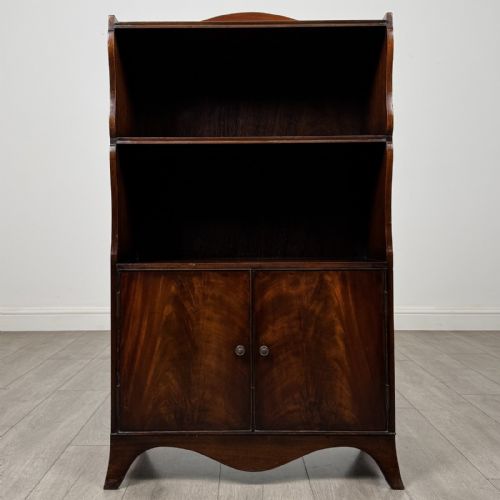
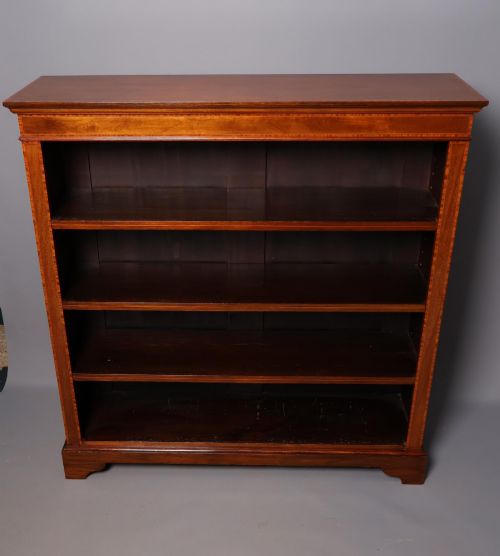
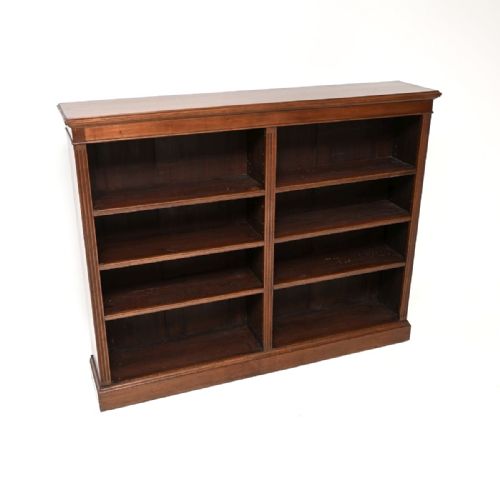
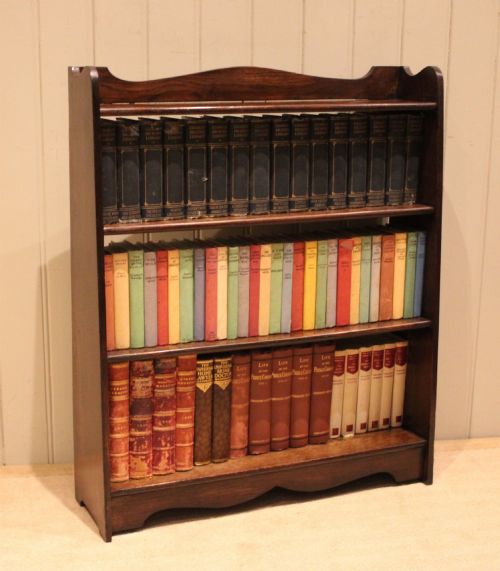
Traditional Low Bookshelf
A traditional low bookshelf offers practical surface height and accessible shelving, bringing character to rooms without dominating the wall space.
Traditional Low Bookshelf
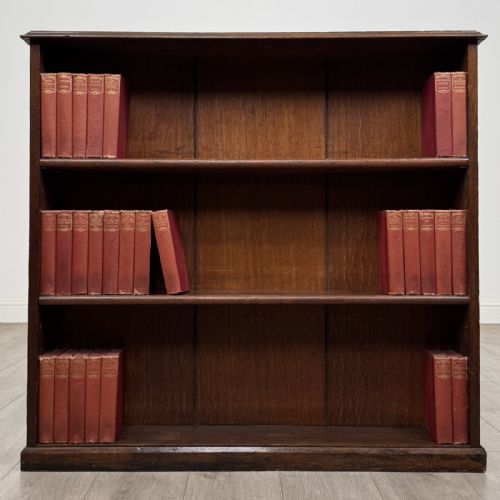
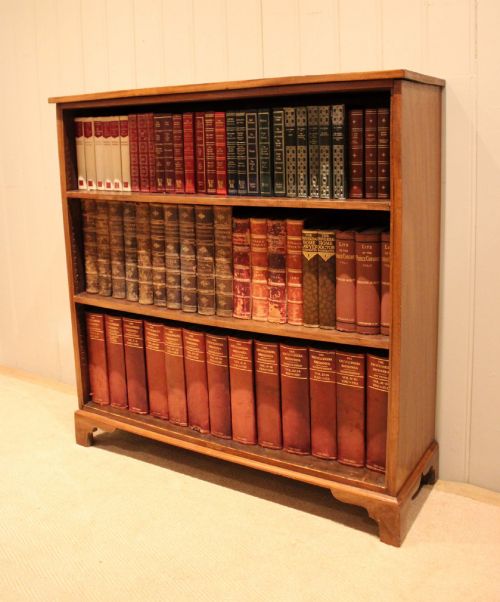
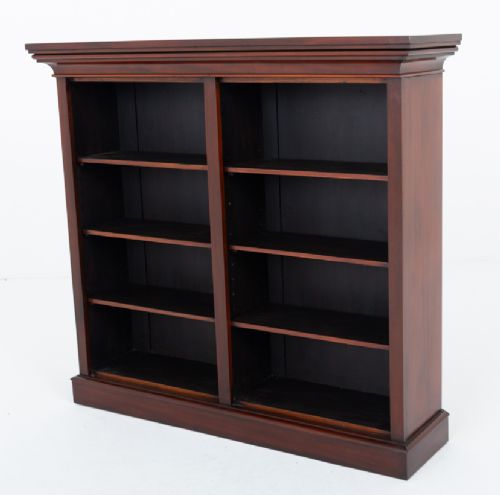
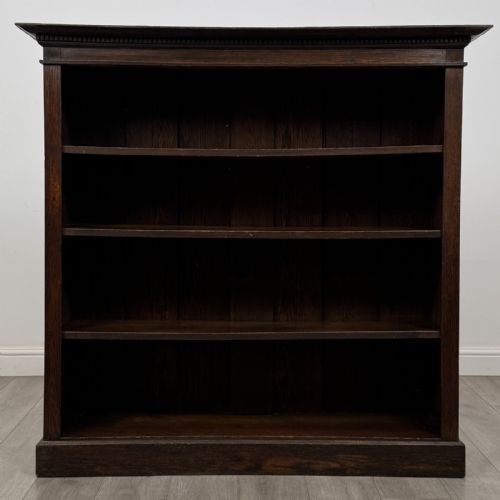
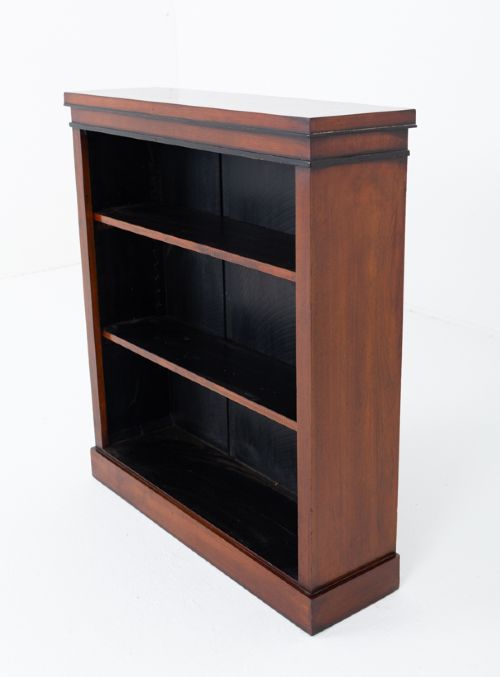
A traditional low bookshelf provides waist-height open storage for volumes while keeping the upper wall clear for art or light. When you search for a traditional low bookshelf, you encounter pieces spanning from the mid-nineteenth century through the early twentieth century.
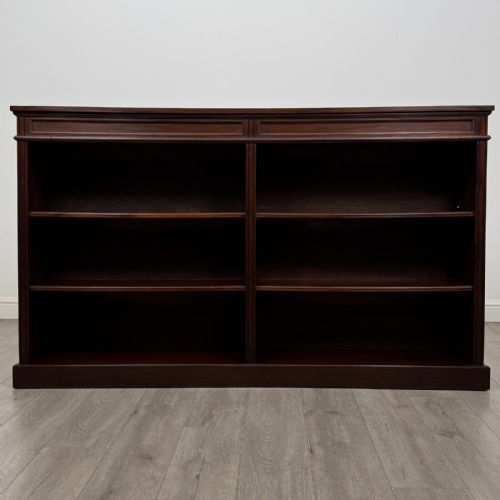
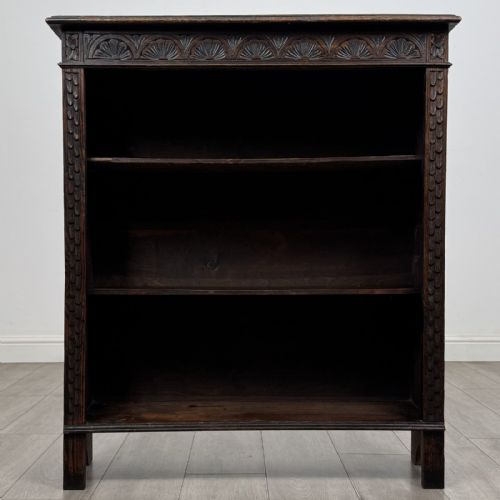
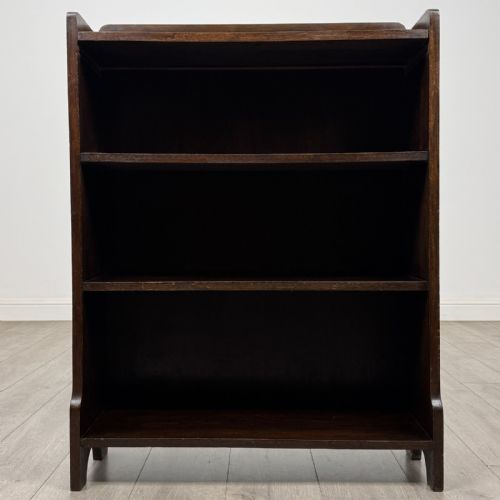
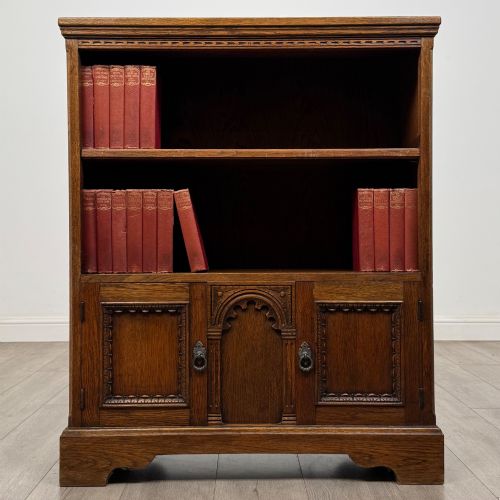
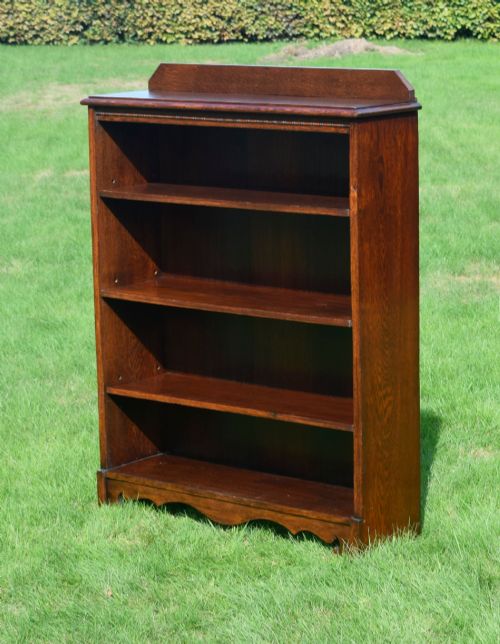
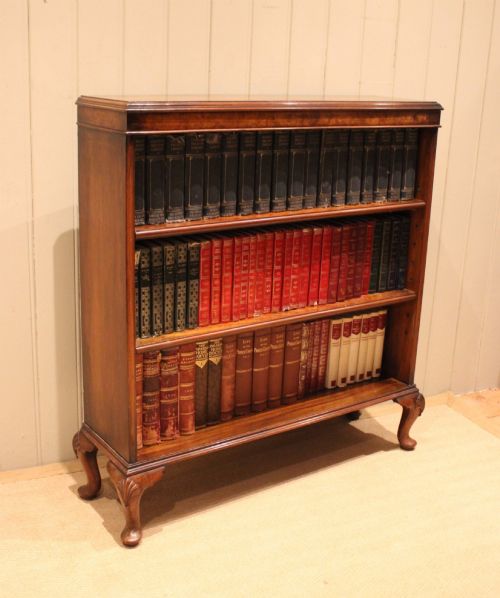
Oak and mahogany dominate the selection, appearing alongside pine and walnut in forms ranging from simple rustic designs to refined Regency and Jacobean revival styles. Most examples feature open fronts, occasionally enhanced with adjustable shelves, beaded edges, or breakfront layouts.
Construction and Materials
Cabinet makers built these pieces primarily from solid hardwoods such as oak and mahogany, alongside pine for utility pieces and walnut for finer furniture. Timber selection dictated the structural integrity, with dense grain ensuring long-term support for heavy volumes.
Joinery methods focused on stability, utilising traditional joints and fitted backs. Brass hardware appeared on select models, whilst surfaces were waxed or polished to protect the wood while revealing the natural grain.
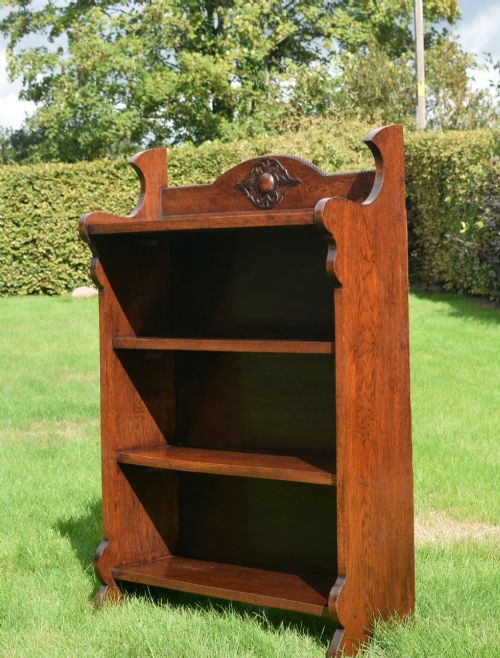
Styles range from rustic country pine to Regency style breakfronts and Jacobean revival oak.
Judging Quality and Finish
Quality rests upon the choice of timber and the precision of the cabinet work. Pieces constructed from dense, well-figured oak or mahogany with clean mouldings represent the upper tier of production.
The integration of functional elements, such as smoothly operating adjustable shelving systems and refined beaded edges, separates standard utility furniture from finer domestic pieces.
The Traditional Low Bookshelf Glossary
- Open bookcase
- A bookcase without doors, allowing direct access to the shelves. This form prioritises easy retrieval and display of books.
- Adjustable shelves
- Shelves that can be moved to different heights using internal fittings. This system accommodates books of varying sizes.
- Breakfront
- A piece of furniture where the central section projects forward from the flanking sections. It adds architectural depth to larger library pieces.
- Beaded edge
- A narrow rounded moulding carved along the corner or edge of a shelf or frame. It provides a subtle decorative finish to plain timber.
Traditional Low Bookshelf: Frequently Asked Questions
How are traditional low bookshelves used today?
These pieces serve effectively for holding everyday reading collections while providing a flat top surface for lamps, plants, or decorative objects. Their lower stature makes them suitable for placement beneath windows or along hallways.
They integrate easily into modern rooms, offering accessible storage without overwhelming smaller spaces.
Can the shelf heights be adjusted?
Many examples feature adjustable shelves supported by internal racks or pegs. This mechanism allows you to alter the interior layout for larger volumes.
Simpler rustic or country pieces often feature fixed shelving built directly into the frame.
How do I identify the period of a bookcase?
Dating relies on observing stylistic details, timber choices, and construction methods. Victorian pieces often display heavier proportions and darker finishes, whereas Edwardian and early twentieth-century examples can be lighter in scale.
Revival styles such as Jacobean or Regency provide additional clues to the era of manufacture.