

Inlaid Wooden Lamp
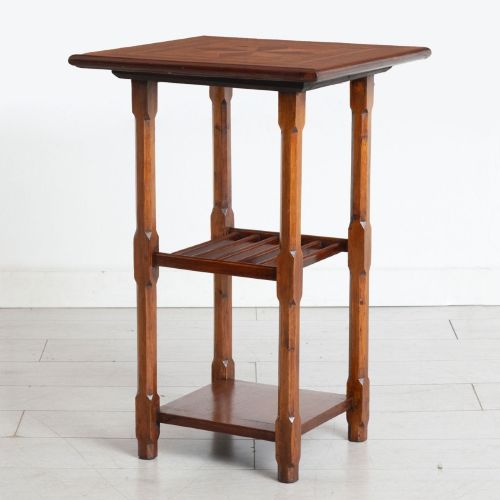
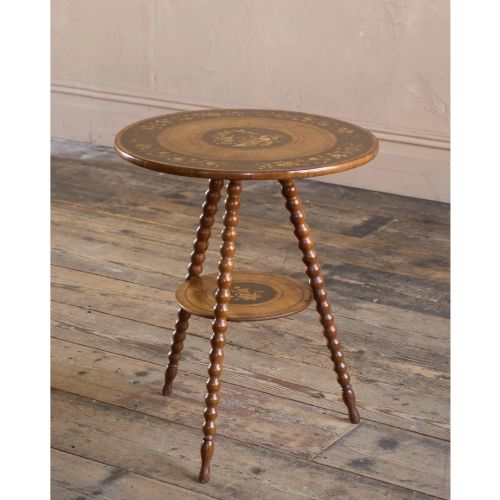
An inlaid wooden lamp table brings warmth and functional surface space to a room, uniting timber craftsmanship with decorative detail.
Inlaid Wooden Lamp
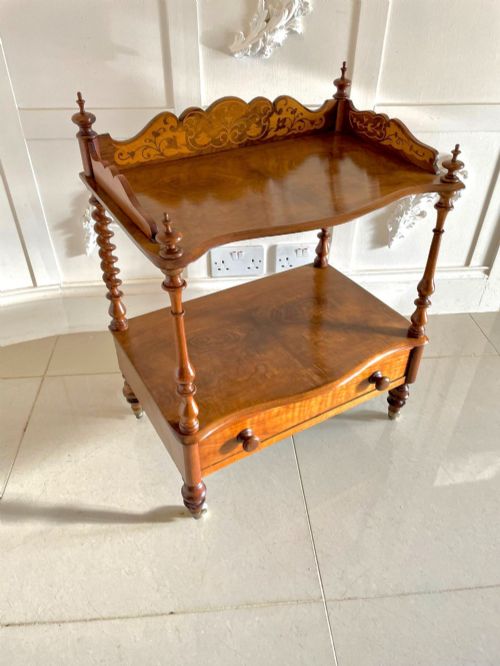
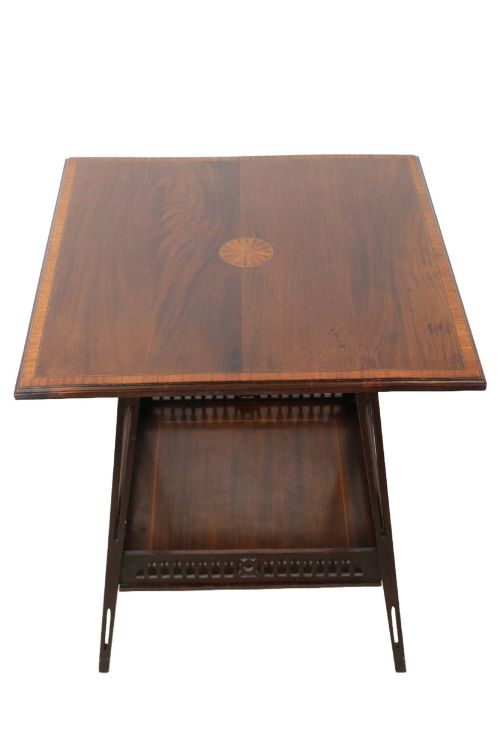
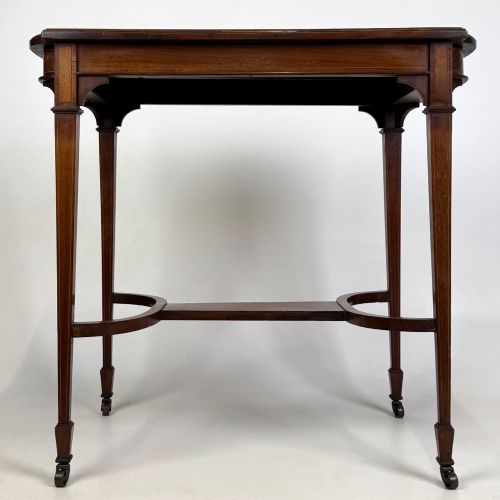
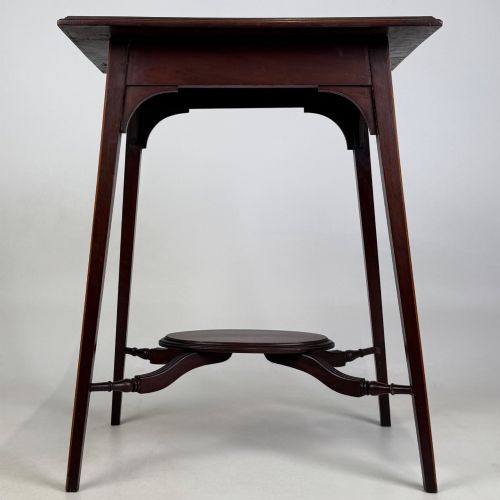
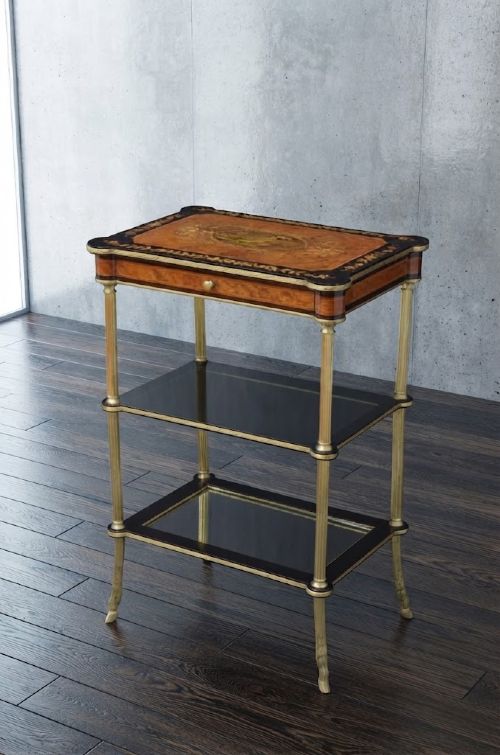
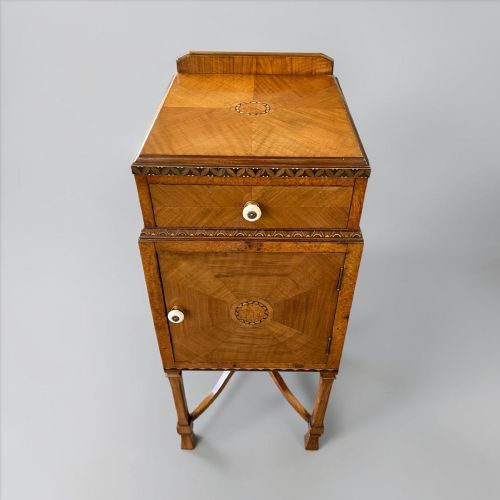
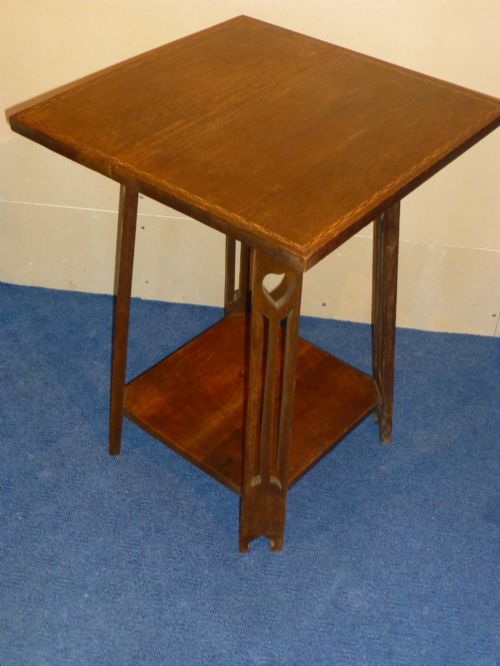
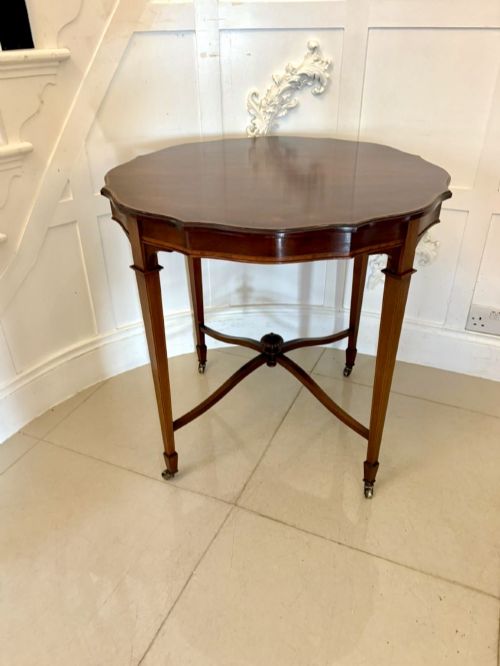
An inlaid wooden lamp table typically serves as a compact surface designed to hold lighting alongside seating areas or beds. When examining an inlaid wooden lamp table on this page, buyers frequently encounter Edwardian and Victorian examples alongside twentieth-century iterations.
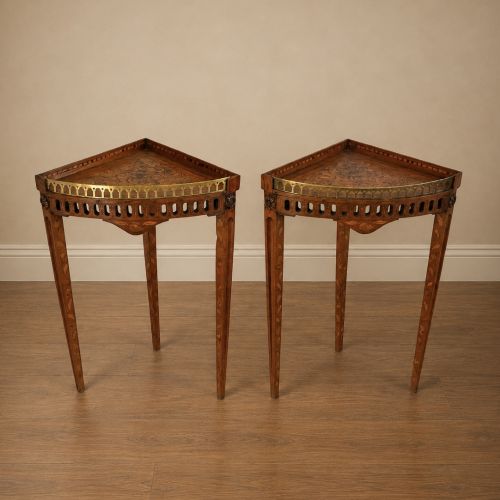
The recorded forms span occasional tables, side tables, bedside cabinets, wine tables, and corner tables. Construction materials encompass mahogany, satinwood, walnut, rosewood, and oak, often detailed with contrasting stringing or marquetry motifs.
Materials and Technique
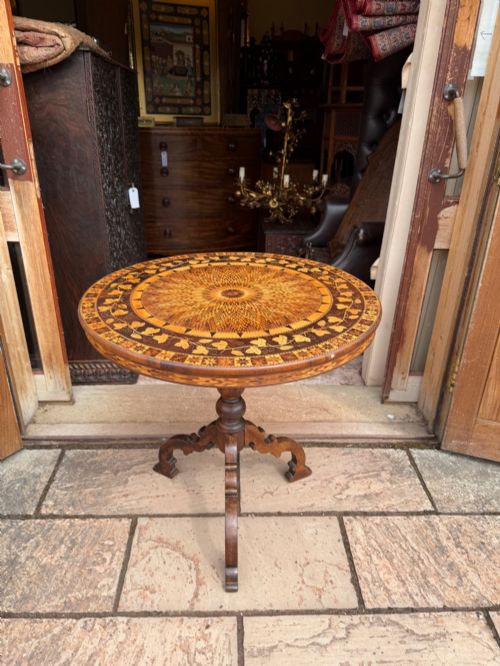
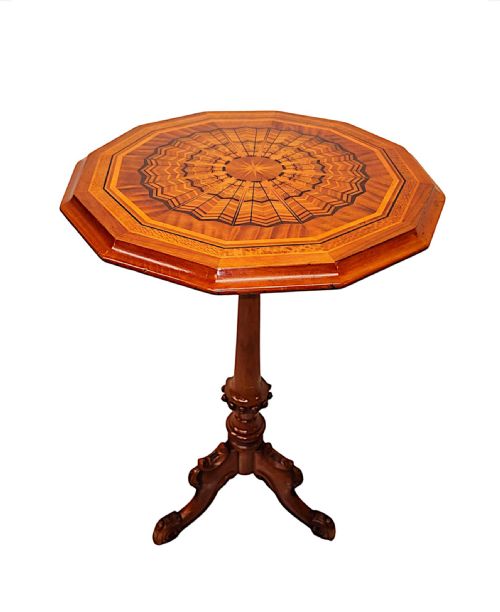
Cabinet makers utilised dense hardwoods such as mahogany and walnut as the primary structural body, applying lighter timbers like satinwood and boxwood for decorative inlays. Surface ornamentation frequently relies on marquetry techniques, where distinct wood veneers are assembled to form pictorial or geometric patterns.
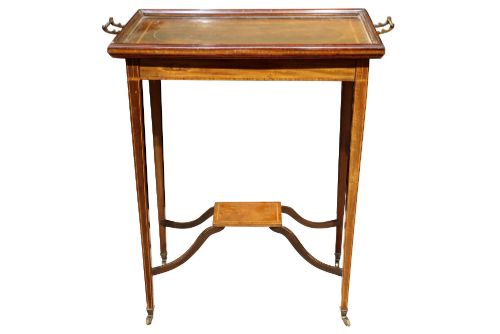
Metal elements such as brass galleries, handles, or mounts appear on select pieces to accent the timber framework. Structural joints follow traditional woodworking methods appropriate to each period, from Victorian solid construction to Edwardian veneered surfaces.
Tables equipped with lift-up tops and hidden compartments offer discreet storage for midnight reading materials.
Judging Quality
The standard of an inlaid wooden lamp table rests upon the precision of the timber matching and the execution of the inlay work. Sharpness in the cut of contrasting woods and the retention of crisp detail across decorative borders distinguish finer workshop output from simpler production.
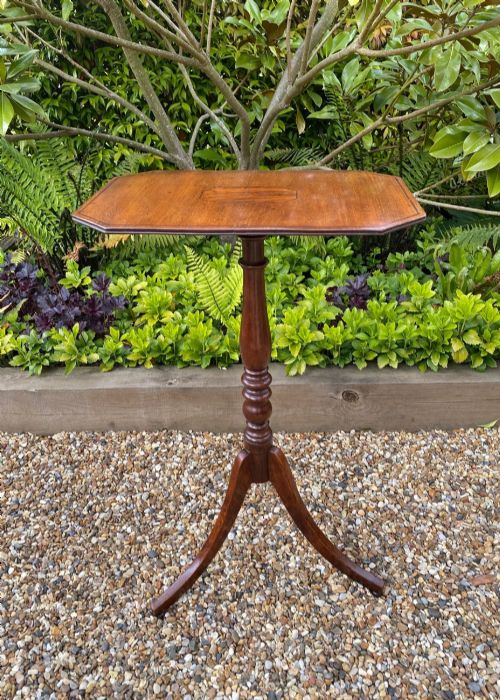
Structural integrity, including the stability of tripod bases, pedestal columns, and leg joints, dictates daily utility. Original surface finishes and the preservation of delicate veneers carry significant weight in establishing the merit of an antique example.
Trevor Page & Co·William Birch·Gillows
The Inlaid Wooden Lamp Glossary
- Marquetry
- Decorative veneer work forming pictures or geometric patterns by assembling thin pieces of wood. This technique allows intricate designs across tabletops.
- Satinwood
- A durable, lustrous timber native to India and Sri Lanka yielding a golden yellow colour. It is frequently employed for contrasting inlay work.
- Tripod Table
- A small table supported by a pillar above three spreading feet. This form allows stable placement on uneven floors.
- Tray Top
- A tabletop featuring a raised rim designed to prevent items from rolling off the edge. This detail appears on select occasional and bedside forms.
Inlaid Wooden Lamp: Frequently Asked Questions
What periods do these tables represent?
The pieces span multiple eras, encompassing Georgian, Victorian, Edwardian, and Art Deco periods.
Craftsmanship and timber choices shift noticeably across these decades, reflecting changing design aesthetics from ornate marquetry to streamlined modernism.
How were these small tables used originally?
These pieces functioned as versatile furniture to support illumination, hold drinks, or serve beside beds and seating.
Their compact scale allowed easy relocation around a drawing room, boudoir, or parlour as daily needs required.
Are pairs commonly found?
Selected listings include matching pairs, particularly among bedside and corner tables originating from the Edwardian and Art Deco eras.
Matching sets offer symmetrical placement options for flanking a bed, fireplace, or sofa.
What timbers are most common?
Mahogany and walnut form the primary structural woods across the majority of pieces on this page.
Lighter contrasting timbers such as satinwood, boxwood, and maple provide the material for detailed stringing and inlay motifs.