
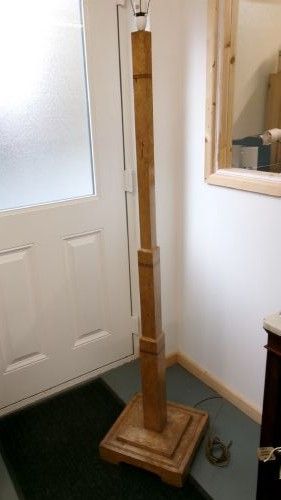


Art Deco Column Lamp
An art deco column lamp brings architectural form and striking illumination to a room, uniting period materials with vertical design.
Art Deco Column Lamp
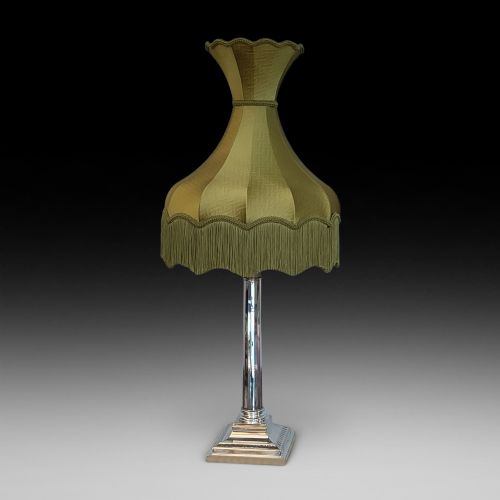
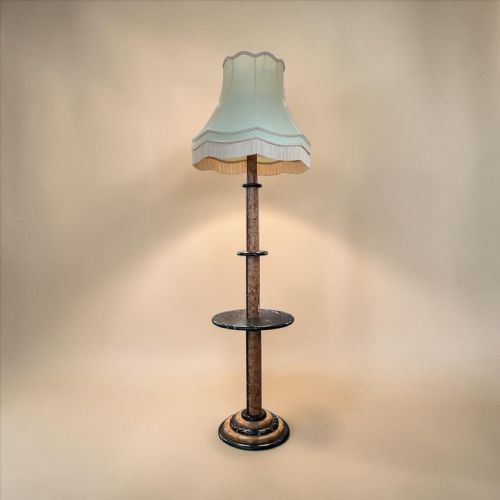
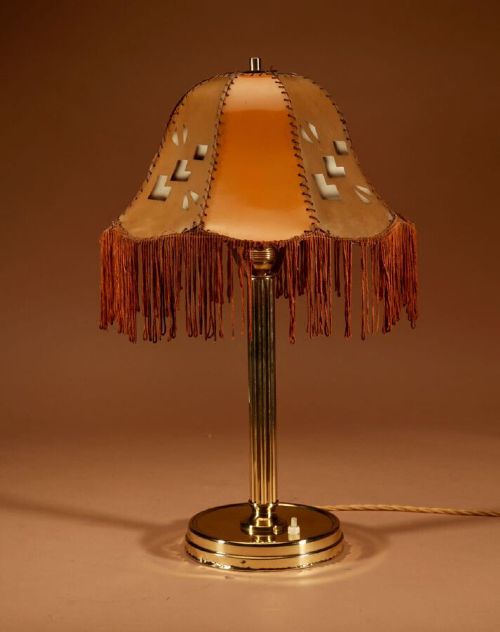
When you search for an art deco column lamp, you encounter upright lighting fixtures spanning table lamps, standard lamps, and torchiere forms. These pieces draw on architectural motifs like the Corinthian column, translated into the geometric vocabulary of the early twentieth century.
The selections on this page largely originate from the 1920s and 1930s, alongside examples reflecting the Amsterdam School and Neoclassical Revival styles. You will find both compact table lamps and tall standard lamps designed to command a corner or anchor a surface.
How they were made
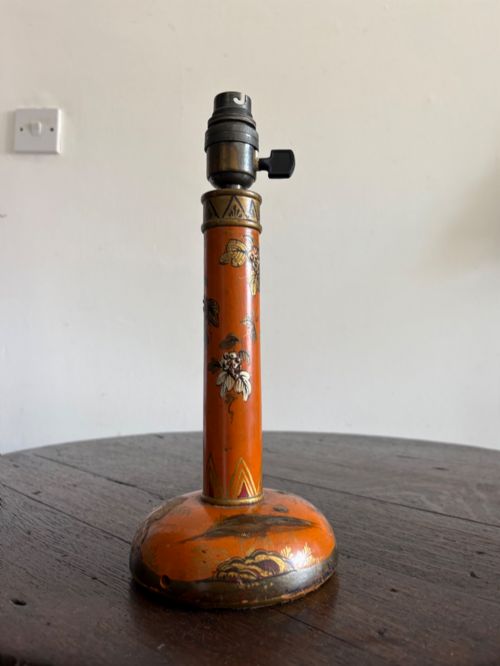
These lamps rely on a combination of metals, woods, and stone, utilising brass, chrome, silver plate, and ormolu alongside solid marble, onyx, and toleware. Wooden examples showcase blond walnut, maple, macassar, and giltwood, often paired with hand-painted fabric shades.
Makers constructed columns with tiered bases and fluted shafts, sometimes integrating secondary materials such as opaline glass or patinated copper. The technical execution merges classical turning and casting methods with modernist assembly.
Art Deco Column Lamp Retail Price Guide 2026
Typical asking prices for art deco column lamp among the pieces listed under this phrase on Sellingantiques today, from the lower quarter to the upper quarter. They describe what is for sale here now, not the wider market.
Among the columns, one lively piece proudly embraces the nickname liquorice allsorts.
What varies in quality
The standard of an art deco column lamp rests on the weight of its materials and the precision of its metalwork or cabinetry. Solid marble and heavy cast brass provide structural integrity that lighter plated substitutes lack.
Subtlety of finish and proportion also distinguish better examples, seen in the crispness of a giltwood carving, the depth of a walnut grain, or the harmony between a metal base and its glass or fabric shade.
The Art Deco Column Lamp Glossary
- Torchiere
- A tall floor lamp that directs light upwards towards the ceiling. This form provides ambient illumination rather than direct task lighting.
- Opaline glass
- A milky, semi-translucent glass often used for shades or bodies in early twentieth-century lighting. It diffuses light softly across a room.
- Ormolu
- Gilt bronze applied to mounts and decorative elements. The technique yields a rich, golden surface finish on metal components.
- Amsterdam School
- An architectural and design movement from the early twentieth century. It emphasises expressive forms, traditional craftsmanship, and rich materials like brass and copper.
- Toleware
- Painted or enamelled tinplate used for lamp bases and shades. This material allows for durable, colourful decorative surfaces.
Art Deco Column Lamp: Frequently Asked Questions
How do I place a standard lamp?
A standard lamp works well beside an armchair or in a dark corner to provide vertical height and ambient light.
Ensure the cord reaches a socket safely without stretching across main walkways in the room.
What is a torchiere?
A torchiere is a tall floor lamp designed to cast light upwards against the ceiling.
This creates indirect room illumination rather than focused light for reading or working.
Are these lamps heavy?
Many column lamps incorporate solid marble, onyx, or heavy cast brass bases to provide stability for their height.
This weight prevents the tall fixtures from tipping over easily during daily use.
How do I identify the period?
Period identification relies on materials like chrome, blond walnut, and opaline glass combined with geometric forms from the 1920s and 1930s.
Earlier transitional pieces may lean towards Neoclassical Revival or Amsterdam School aesthetics.