



Inlaid Wooden Display Cabinet
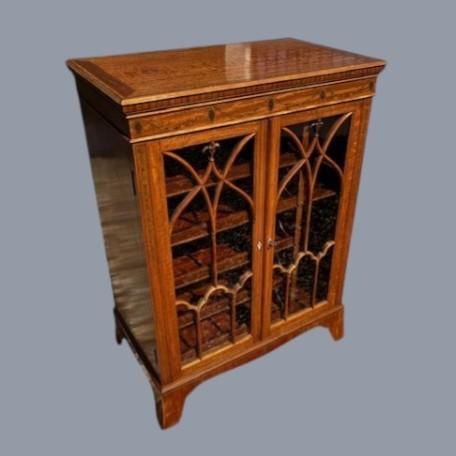
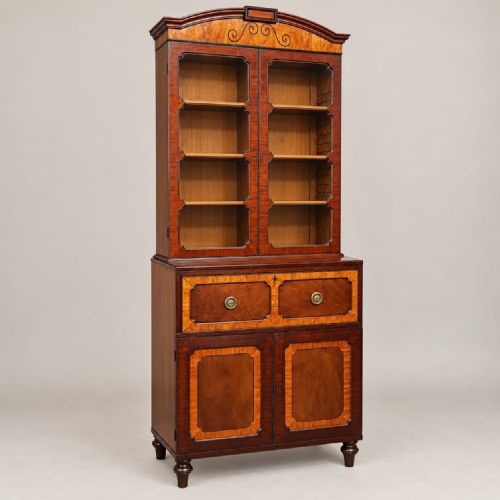
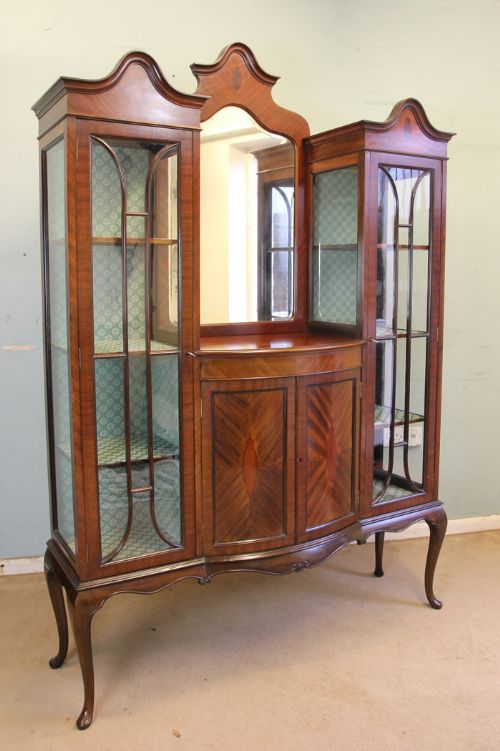
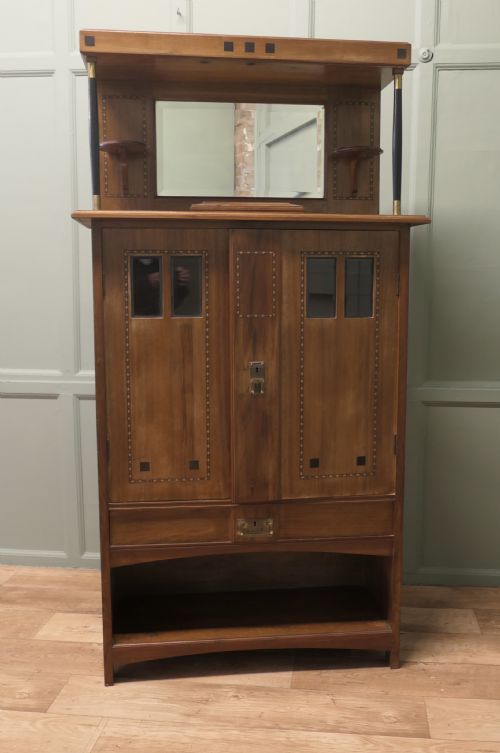
An inlaid wooden display cabinet organises treasured possessions behind glass while adding warmth and pattern to a room through contrasting timbers.
Inlaid Wooden Display Cabinet
When searching for an inlaid wooden display cabinet, collectors encounter a variety of forms including side cabinets, bookcases, credenzas, corner cabinets, and vitrines. These storage pieces originate primarily from the Victorian, Edwardian, and Georgian periods, alongside late nineteenth and early twentieth century examples.
The layout typically combines glazed upper sections or glass doors with wooden bases, sometimes incorporating open shelving, drawers, or lower cupboards. Buyers frequently meet Victorian walnut and Edwardian satinwood variations on this page, often decorated with delicate botanical or geometric patterns.
Materials and construction
Cabinet makers utilised foundational timbers such as mahogany, walnut, rosewood, and satinwood, frequently selecting figured veneers like burr walnut or flame mahogany for visible surfaces. Structural integrity depended on sturdy carcase construction while decorative detailing relied on contrasting linear or pictorial elements.
Inlay work incorporated boxwood, harewood, amboyna, and brass to create fine stringing, banding, and floral marquetry motifs. Ormolu mounts and brass castors occasionally added metallic accents and mobility to larger Victorian and Edwardian pieces.
Inlaid Wooden Display Cabinet Retail Price Guide 2026
Typical asking prices for inlaid wooden display cabinet among the pieces listed under this phrase on Sellingantiques today, from the lower quarter to the upper quarter. They describe what is for sale here now, not the wider market.
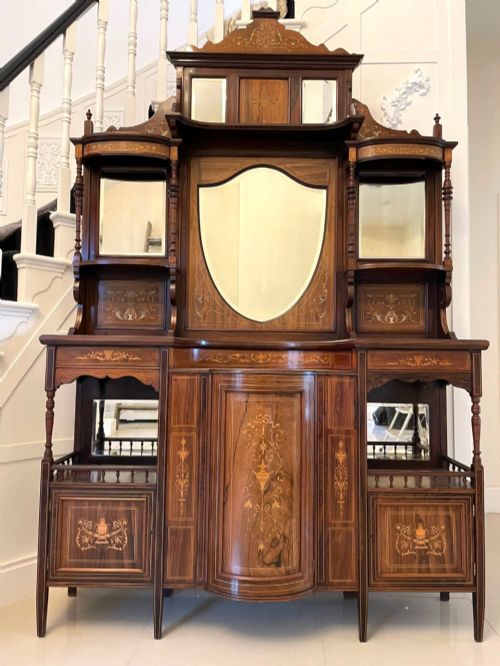
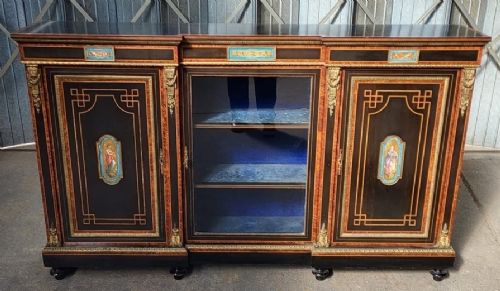
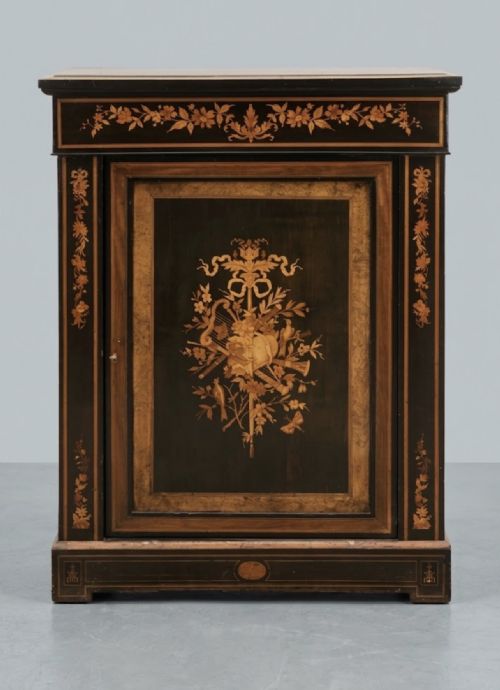
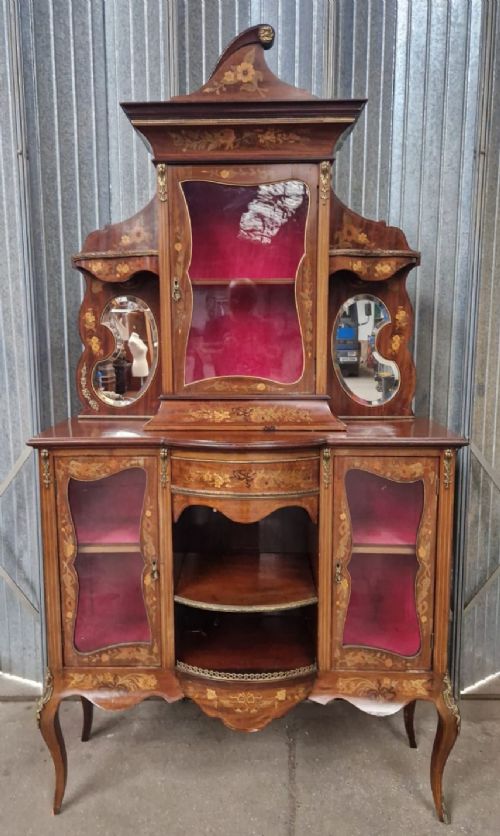
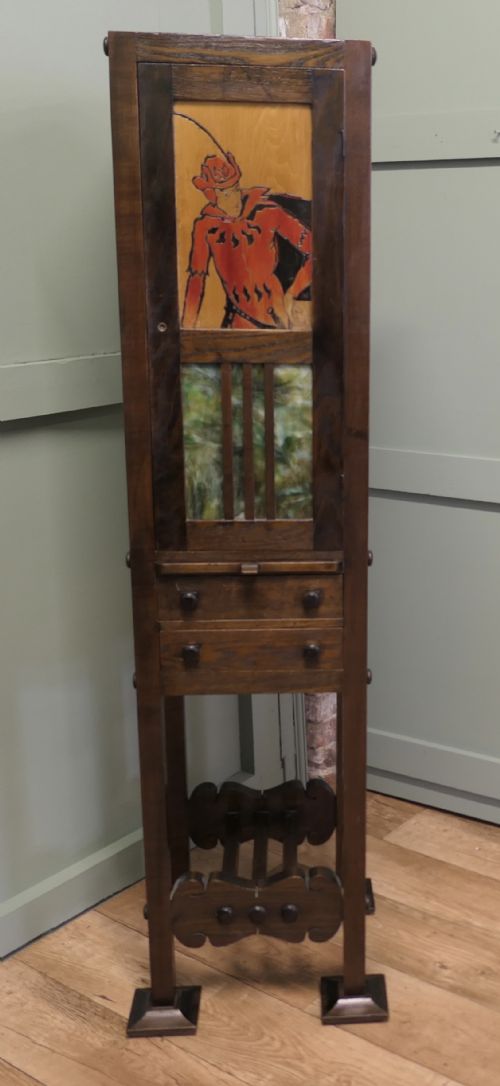
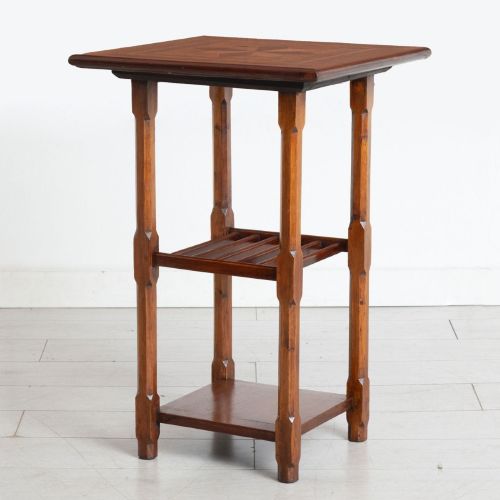
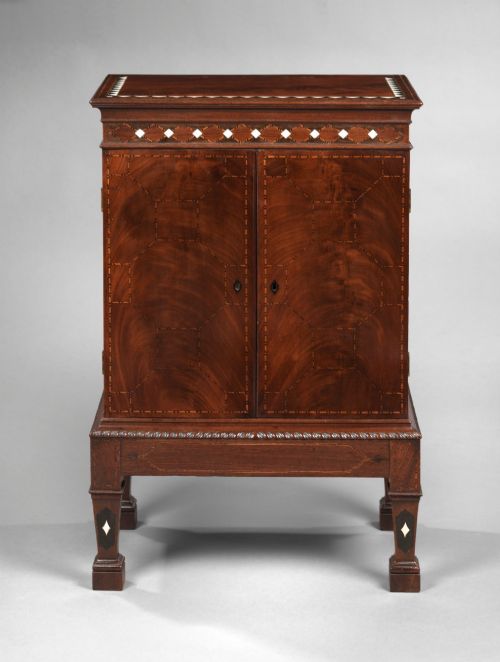
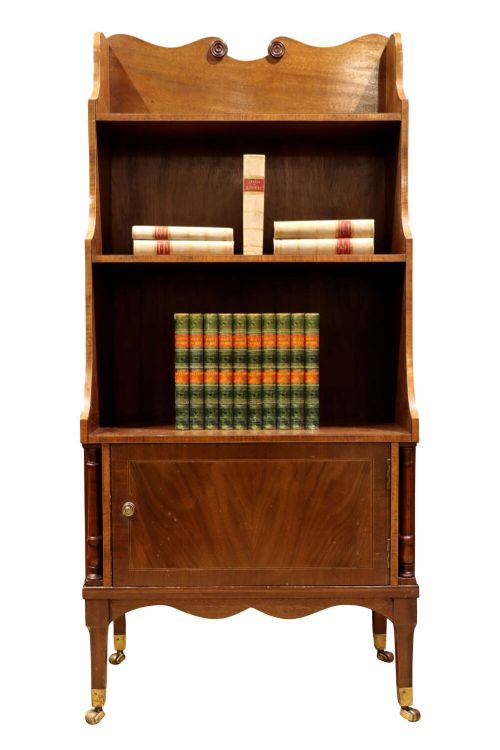
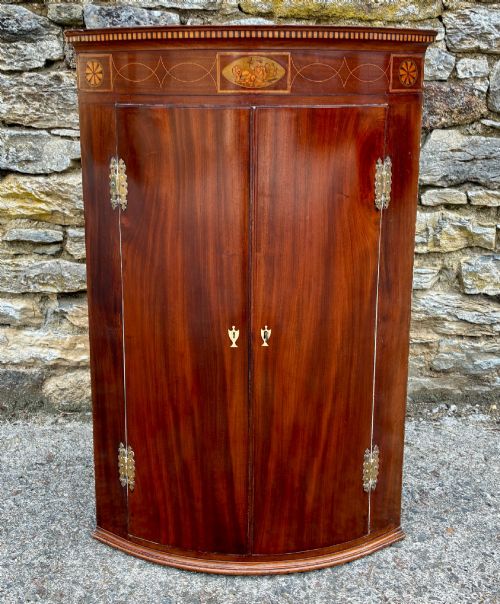
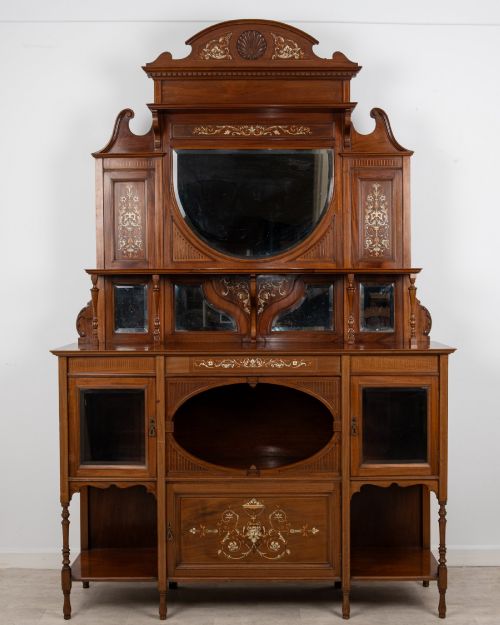
Cabinet forms include corner cupboards, tall bookcases, low credenzas, and glazed vitrines displaying marquetry and ormolu decoration.
Distinctions in quality
Quality rests upon the precision of the cabinet work and the crispness of the timber selection. Superior examples display tightly fitted joinery, perfectly balanced veneer figures, and meticulously cut inlay where contrasting woods meet without visible gaps.
Finer pieces also demonstrate restraint and harmony in design, where the marquetry complements the natural grain of the primary timber rather than overwhelming it. The quality of internal fittings, original glass panels, and secondary woods such as oak or pine further separates standard production from exceptional craftsmanship.
The Inlaid Wooden Display Cabinet Glossary
- Marquetry
- The art of creating decorative patterns on furniture by fitting together small pieces of veneered wood. This technique allows for complex pictorial scenes or flowing botanical designs across cabinet doors.
- Credenza
- A low dining room or parlour cabinet, often featuring three glass or wooden doors. Victorian versions frequently showcase elaborate walnut veneers and gilt bronze mounts.
- Ormolu
- Gilded bronze or brass used for decorative mounts and furniture feet. It provides a bright metallic contrast against dark woods like ebonised mahogany or walnut.
- Satinwood
- A pale, lustrous timber native to India and Ceylon, prized for its golden sheen. Edwardian makers utilised it extensively for light, refined display furniture in the Sheraton Revival style.
- Vitrine
- A glass-fronted cabinet designed specifically for the display of porcelain, curiosities, or small objects. These pieces often feature glass on the sides as well as the doors to maximise visibility.
Inlaid Wooden Display Cabinet: Frequently Asked Questions
How do I date an inlaid wooden display cabinet?
Dating relies on combining stylistic clues with construction methods and timber choices. Georgian pieces typically display linear proportions and restrained mahogany or satinwood stringing.
Victorian and Edwardian examples often embrace revival styles like Sheraton Revival, featuring heavier burr walnut veneers, elaborate marquetry, or ormolu mounts.
Where should I place a display cabinet?
These cabinets suit drawing rooms, dining spaces, or libraries where their glazed doors protect contents while displaying collections. Placement away from direct sunlight preserves delicate veneers and boxwood inlays from fading.
Ensuring adequate floor clearance and stable placement prevents distortion of the timber carcase over time.
What is the difference between a credenza and a side cabinet?
A credenza traditionally refers to a low, freestanding sideboard or cabinet developed during the Victorian era, frequently featuring curved ends and central glazed display areas. Side cabinets encompass a broader category of storage furniture that may include upper bookshelves or simpler rectilinear cupboard bases.
Both forms utilise fine wood veneers and inlay to serve as decorative focal points in formal rooms.
How do I care for antique veneer and inlay?
Maintaining these surfaces involves keeping them in stable room conditions away from extreme heat sources or damp environments. Regular dusting with a dry, soft cloth prevents particulate accumulation in recessed inlay channels.
Occasional applications of appropriate conservation wax nourish the timber without harming historic finishes or loosening delicate boxwood stringing.