
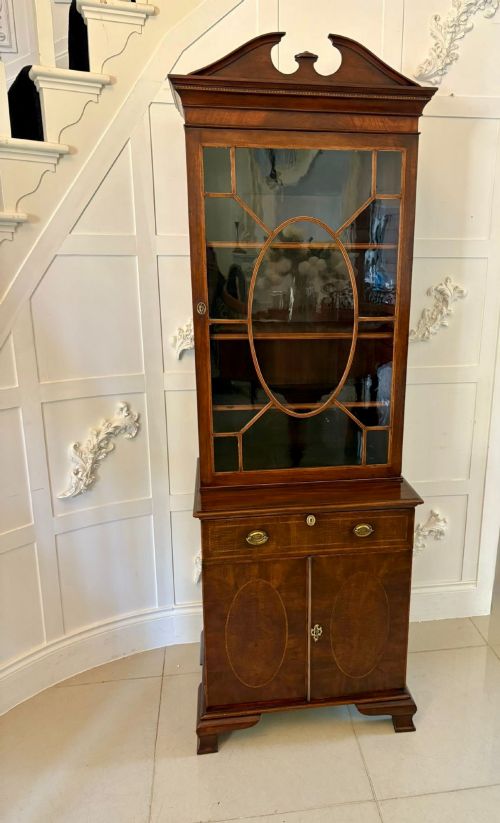
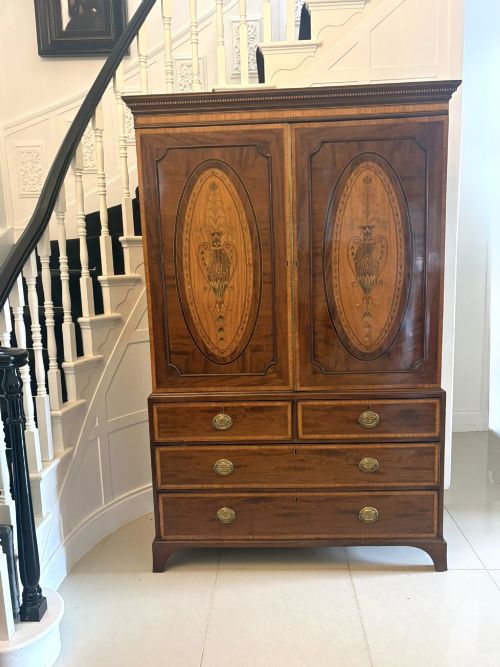
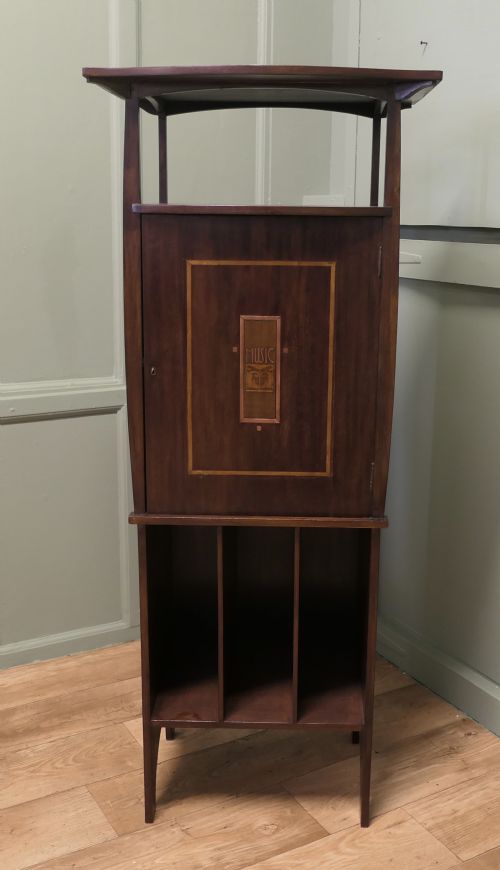
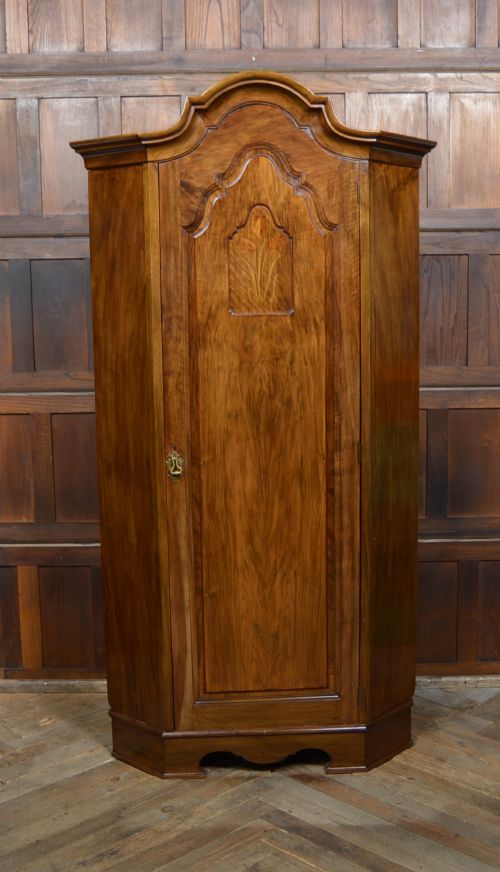
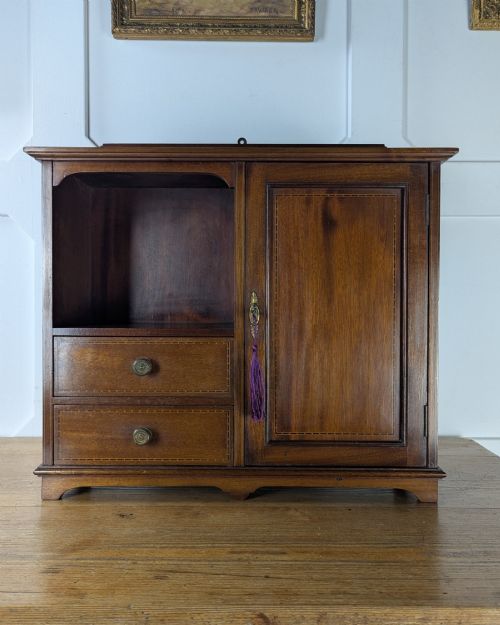
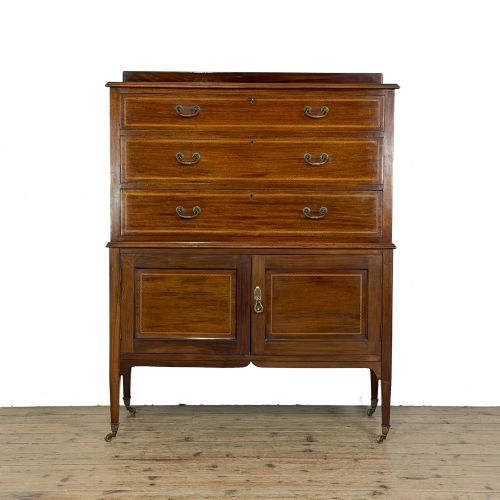
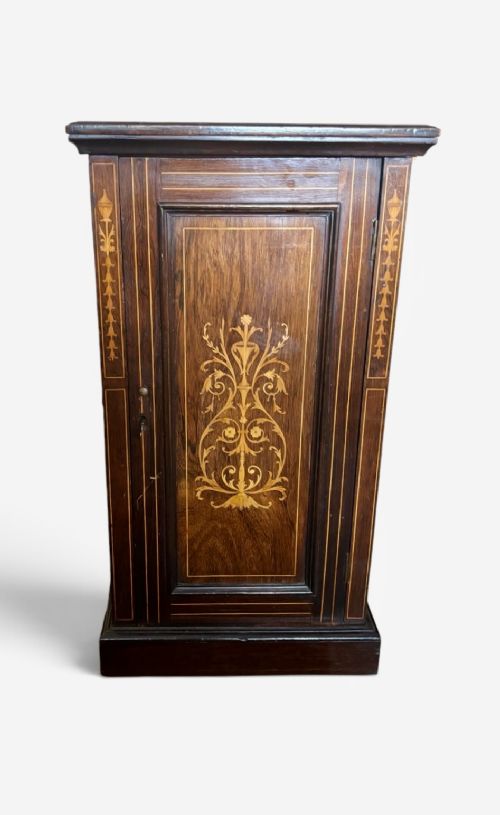
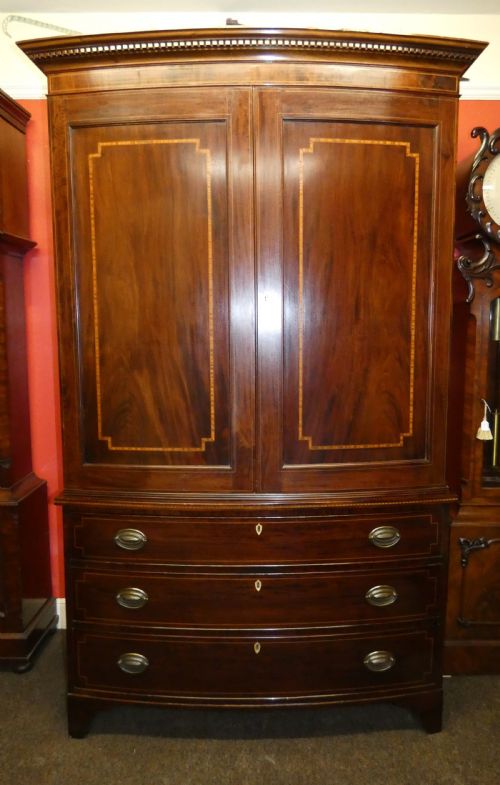
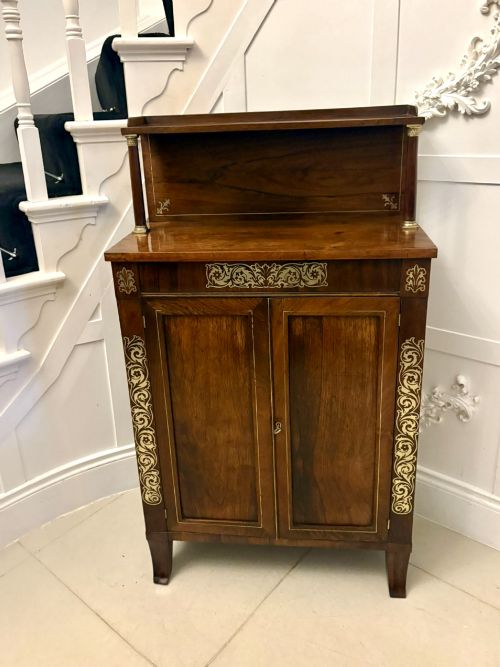
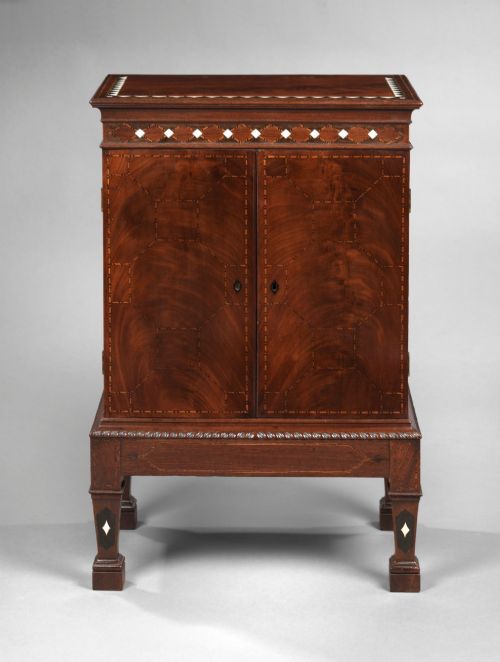
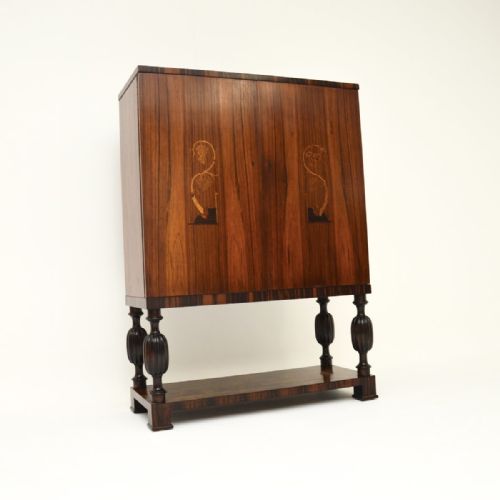
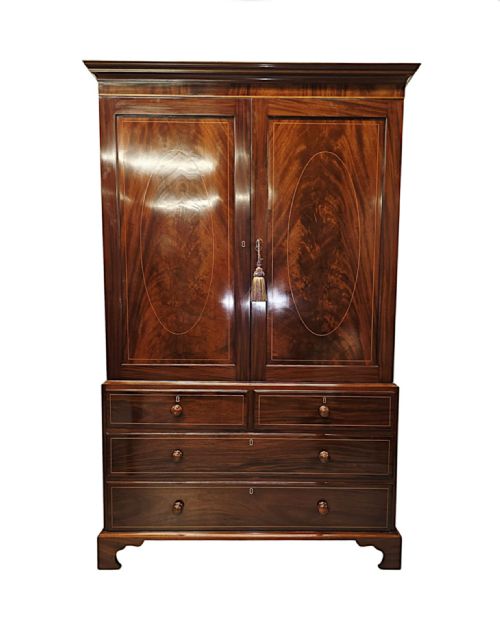
Inlaid Wood Storage Cupboard
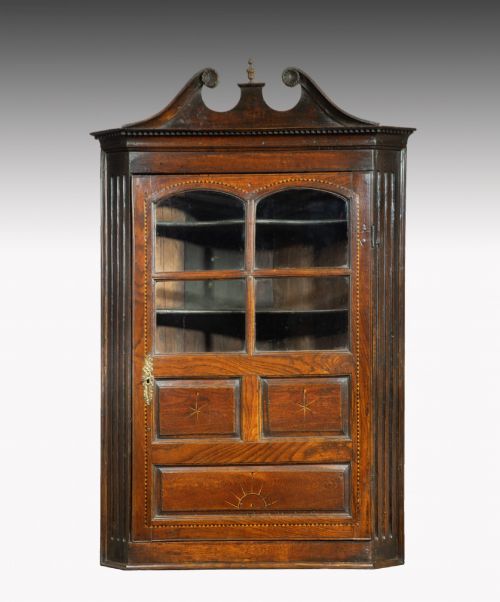
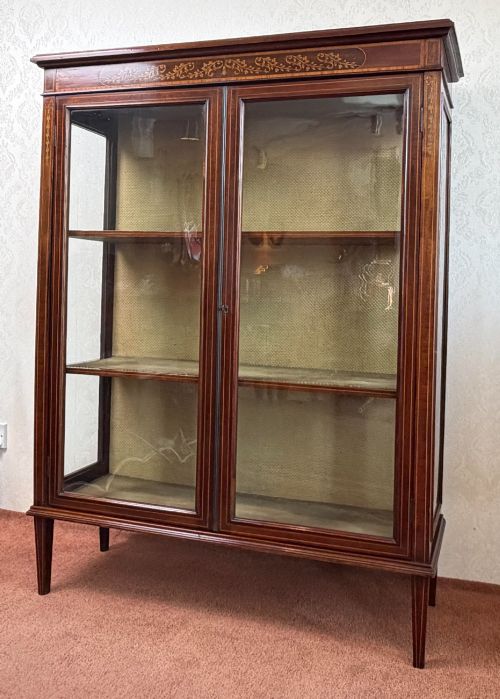
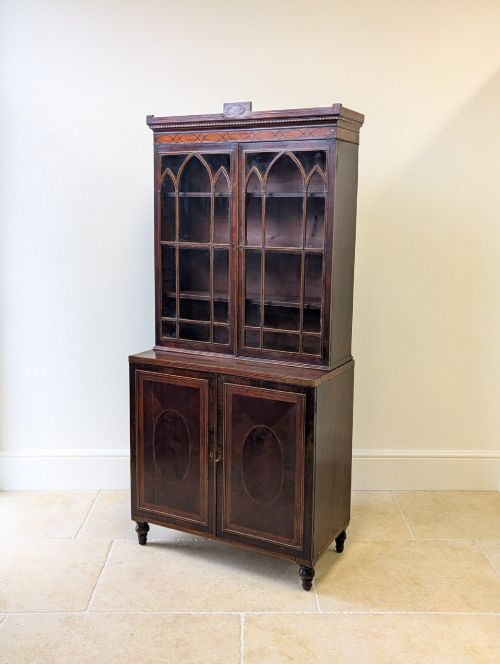
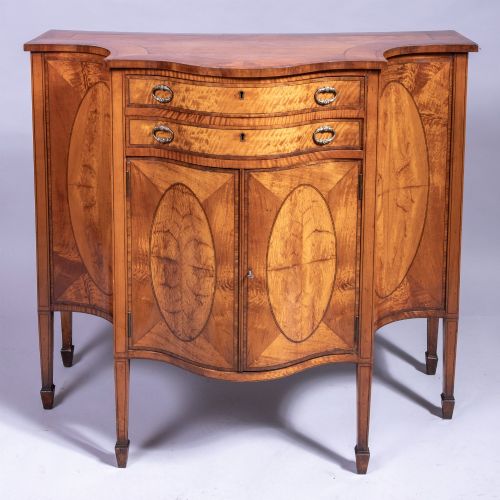
An inlaid wood storage cupboard brings refined cabinet-making into a room, offering practical concealment alongside delicate decorative banded lines.
Inlaid Wood Storage Cupboard
An inlaid wood storage cupboard serves as a functional place to keep household items while displaying deliberate ornamentation on its exterior surfaces. When searching for an inlaid wood storage cupboard, buyers encounter forms ranging from compact bedside units to tall linen presses and corner cabinets.
The pieces appearing here span several centuries, with particular representation from the Georgian, Victorian, and Edwardian eras. Makers utilised primary construction timbers like mahogany, walnut, and oak, integrating contrasting wood inlays to delineate panels and doors.
What varies in quality
Quality rests primarily in the precision of the cabinet-maker's joinery and the crispness of the contrasting wood inlay. Sharply executed geometric banding and well-fitted drawer linings distinguish finer workshops from standard production.
The selection of timber grain also dictates distinction, with flame mahogany, burr elm, and figured walnut elevating the visual depth of the piece. Preservation of original brass fittings and stable structural carcases complete the measure of execution.
Smokers' cupboards from the late nineteenth century offered gentlemen secure, inlaid sanctuaries for treasured pipes and loose tobacco blends.
GM Elwood for JS Henry·Whytock & Reid of Edinburgh·Gordovil Spain
The Inlaid Wood Storage Cupboard Glossary
- Inlay
- A decorative technique where small pieces of contrasting wood or other materials are fitted into depressed portions of a solid timber base. This method creates flat, ornamental patterns across doors and drawer fronts.
- Linen Press
- A tall storage piece traditionally designed to hold folded linens, combining upper sliding trays or shelves with lower chest drawers. Georgian and Victorian examples frequently feature panelled doors with decorative wood banding.
- Parquetry
- A geometric mosaic of wood pieces used for decorative veneer on cabinet surfaces. It relies on precise angular fitting to generate repeating patterns.
- Compactum
- A multi-compartment wardrobe or storage cabinet designed for efficient organisation within a bedroom. These units typically incorporate hanging space alongside specialised drawers and shelving.
- Chiffonier
- A low sideboard or cabinet featuring enclosed shelving beneath a flat top surface. Originating in the nineteenth century, these pieces often incorporate delicate wood inlay and glass doors.
Inlaid Wood Storage Cupboard: Frequently Asked Questions
Where should I place a storage cupboard?
These cabinets suit dining rooms, hallways, and bedrooms where enclosed storage is required without sacrificing floor space. Corner variants fit neatly into unused angles while providing accessible shelving.
Ensure the piece sits away from direct heat sources and strong sunlight to protect delicate wood veneers and natural finishes over time.
How do I clean inlaid wood?
Dust surfaces regularly with a soft, dry cloth to prevent dirt accumulation within the grain and inlay recesses. Avoid harsh chemical polishes and water.
Apply a traditional beeswax conditioner occasionally to nourish the timber and maintain a soft, protective sheen across the polished surface.
What is the difference between a linen press and a wardrobe?
A linen press contains sliding interior trays or shelves behind its upper doors, designed specifically for flat-stored textiles and garments. Wardrobes focus primarily on vertical hanging space for full-length clothing.
Many period pieces combine both functions by pairing upper shelving compartments with deep lower drawers.
How can I tell a Georgian cupboard from a Victorian one?
Georgian pieces often display restrained architectural proportions, solid mahogany construction, and simpler line inlay or crossbanding. Their joinery emphasises structural honesty and understated classical balance.
Victorian cabinets frequently embrace richer timber varieties like rosewood, bolder contrasting satinwood inlay, and more elaborate carved or panelled details.