


Inlaid Wood Shelf
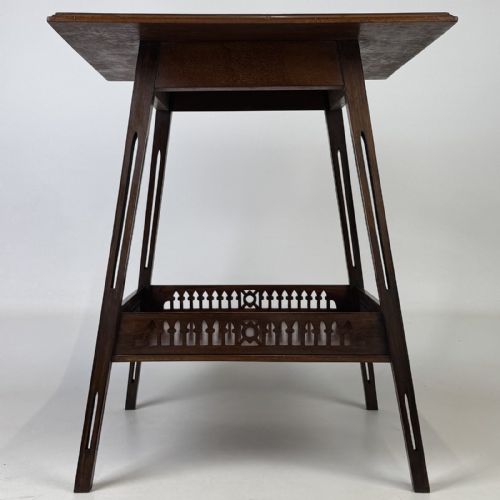
An inlaid wood shelf brings distinct decorative timberwork and practical display space into a room.
Inlaid Wood Shelf
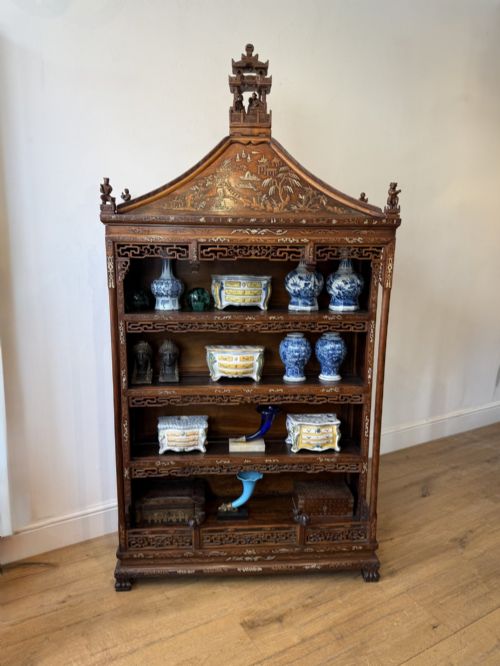
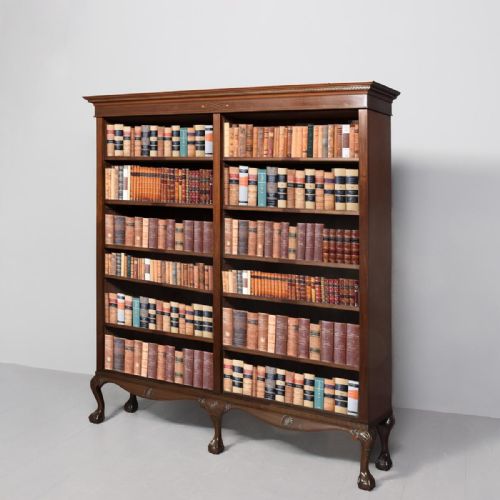
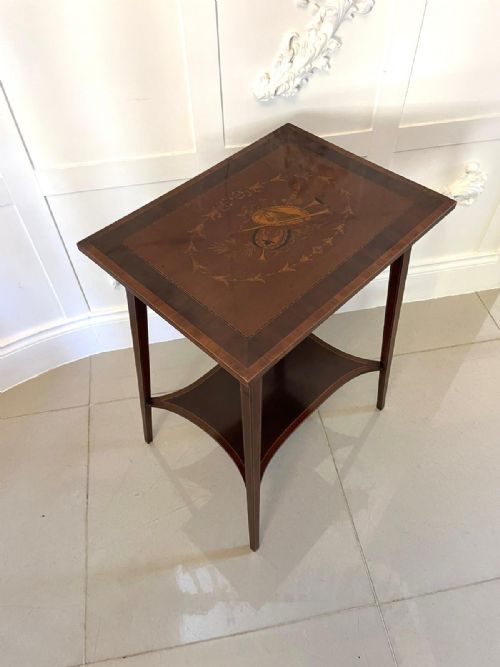
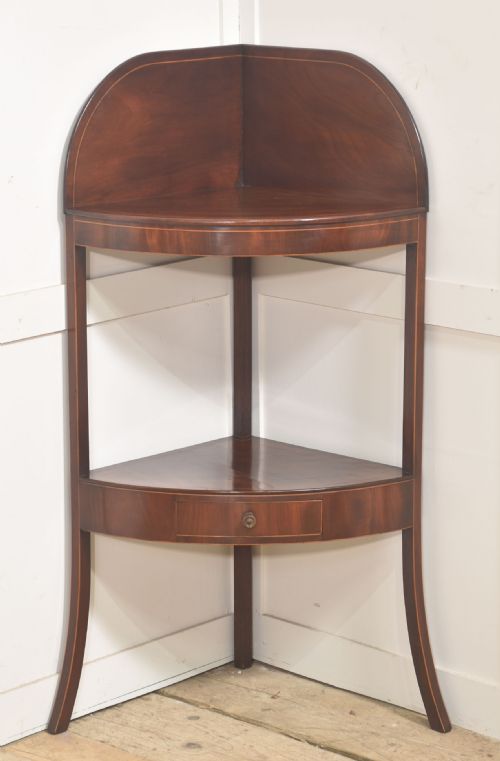
An inlaid wood shelf provides structured display surfaces integrated with decorative timber detailing. These pieces appear across Victorian, Edwardian, and nineteenth-century periods, often manifesting as wall-mounted shelves, corner stands, or open bookcases with integrated ledges.
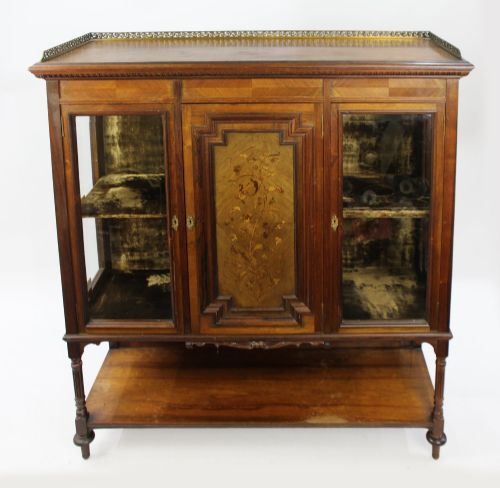
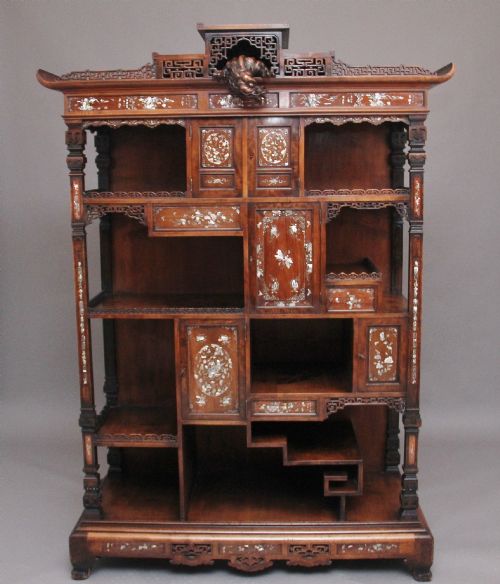
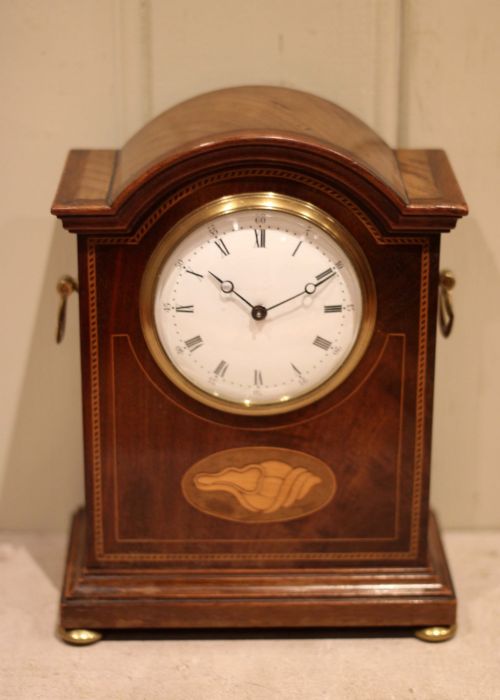
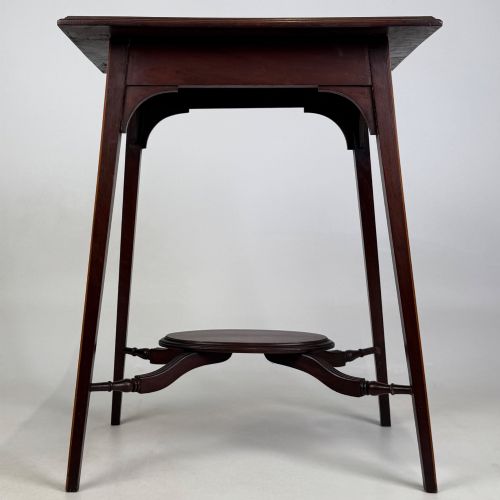
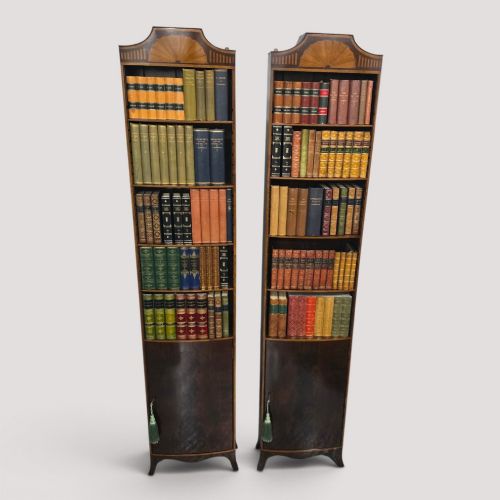
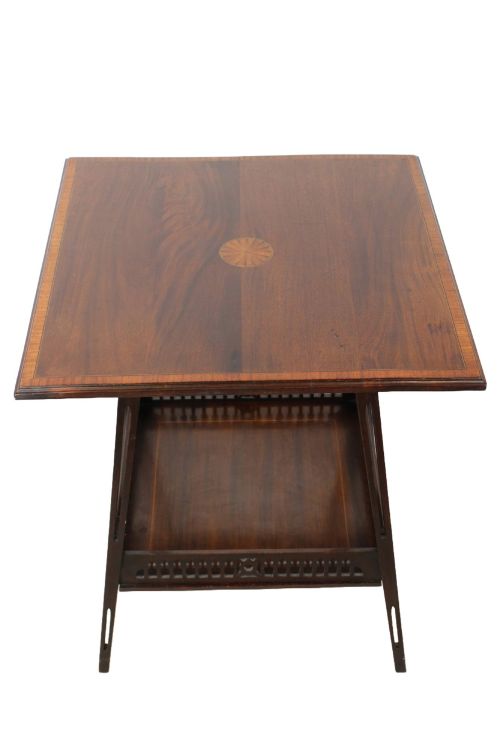
The version most commonly met on this page is the Edwardian mahogany variation, frequently incorporating contrasting lighter wood inlays and compartments for books or ornaments. Pieces range from compact hall mirrors fitted with shelves to multi-tiered etagères designed for tabletop or wall placement.
How they were made
Cabinet makers constructed the foundational carcases using solid timbers such as mahogany, rosewood, and walnut, often applying finer veneers to visible surfaces. Structural integrity relied on traditional joinery techniques suited to supporting weighted ledges and displayed items.
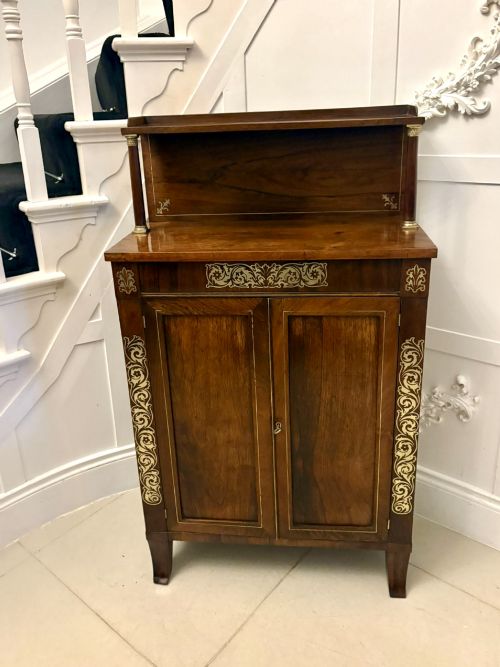
Decorative surface enrichment was achieved through precision woodworking methods, inserting contrasting materials like satinwood, boxwood, and brass into recessed channels. These linear and floral marquetry patterns transformed functional shelving into decorative furnishings.
Inlaid Wood Shelf Retail Price Guide 2026
Typical asking prices for inlaid wood shelf among the pieces listed under this phrase on Sellingantiques today, from the lower quarter to the upper quarter. They describe what is for sale here now, not the wider market.
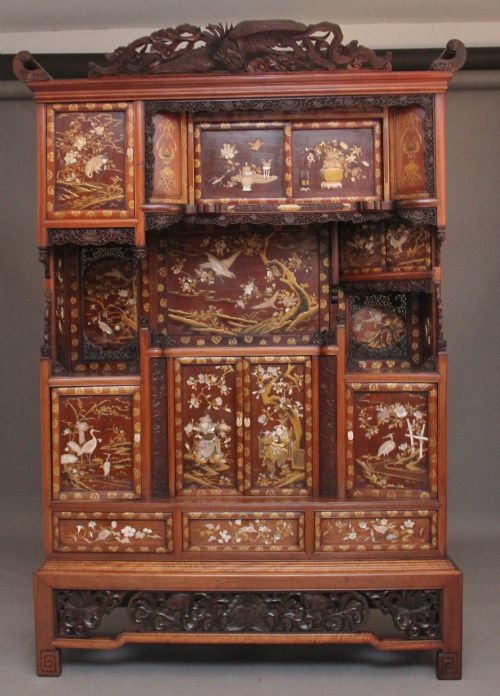
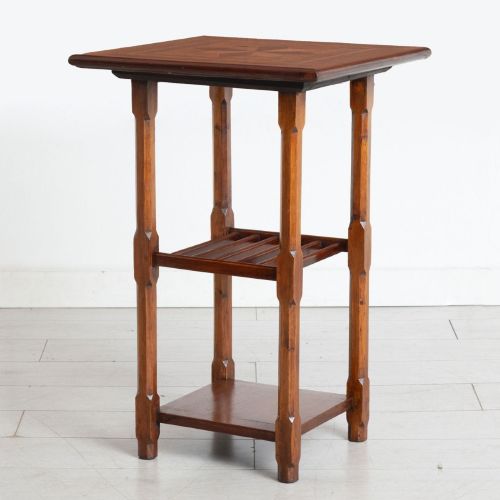
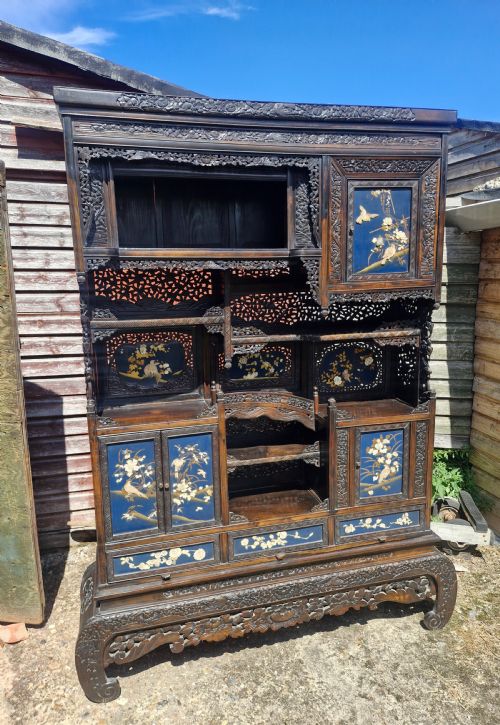
The furniture spans multiple distinct design movements, including Edwardian, Regency, Victorian, Arts and Crafts, and Meiji Period styles.
What varies in quality
Quality depends upon the precision of the timber selection and the crispness of the inlay work. Finer examples display tightly grained mahogany or rosewood paired with flush, cleanly fitted contrasting wood inlays that show no gaps along the joins.
Structural refinement also separates standard pieces from superior ones, visible in balanced proportions, well-executed bracket feet or cornices, and the integration of auxiliary materials like brass mounts or glass doors.
Trevor Page & Co·Junghans·Barrett London
The Inlaid Wood Shelf Glossary
- Inlay
- A decorative technique where pieces of contrasting wood, brass, or other materials are inserted into prepared recesses in a timber base to form a flush surface pattern.
- Etagere
- A piece of furniture consisting of a set of open shelves for displaying small ornaments, originating in France during the nineteenth century.
- Mahogany
- A durable tropical hardwood prized for its reddish-brown colour and stable grain, heavily utilised by cabinet makers across the Georgian and Edwardian eras.
- Satinwood
- A pale, lustrous timber native to India and Ceylon, frequently utilised for contrasting stringing and floral details on Edwardian furniture.
- Chiffonier
- A low cabinet featuring shelving or a mirrored superstructure above enclosed storage cupboards, popular during the Regency and Victorian periods.
Inlaid Wood Shelf: Frequently Asked Questions
How do I mount a wall shelf safely?
Wall-mounted shelves require secure fixings into structural timber studs or solid masonry using appropriate wall plugs and screws. Weight distribution must remain balanced across the brackets to prevent strain on the historical timber joints.
Professional installation is recommended for heavier nineteenth-century timber shelves to protect both the antique structure and the surrounding wall surface.
What periods do these shelves originate from?
The available pieces originate primarily from the nineteenth century, including Victorian, Regency, and Edwardian eras spanning from eighteen hundred to nineteen hundred and ten. Each period displays distinct design characteristics, from brass-inlaid rosewood to lighter Edwardian satinwood detailing.
Stylistic influences span traditional British cabinet making alongside continental French Napoleon III and Japanese-inspired decorative arts.
How should I clean inlaid wood surfaces?
Dust surfaces regularly with a soft, dry, lint-free cloth to prevent particulate accumulation within the delicate recesses of the inlay work. Avoid chemical polishes, abrasive materials, and excessive moisture, which can damage historical French polish or lift delicate veneer.
Applying a traditional microcrystalline wax periodically helps nourish the timber and maintain the subtle sheen of the polished wood.
Where should I place a corner shelf?
Corner shelves and etagères fit effectively into unused room angles, utilising vertical space without obstructing main walkways. They provide stable platforms for displaying small decorative objects, porcelain, or bound volumes within domestic interiors.
Positioning pieces away from direct sunlight and thermal heat sources protects the fragile natural timber veneers and inlaid details from drying out and warping.